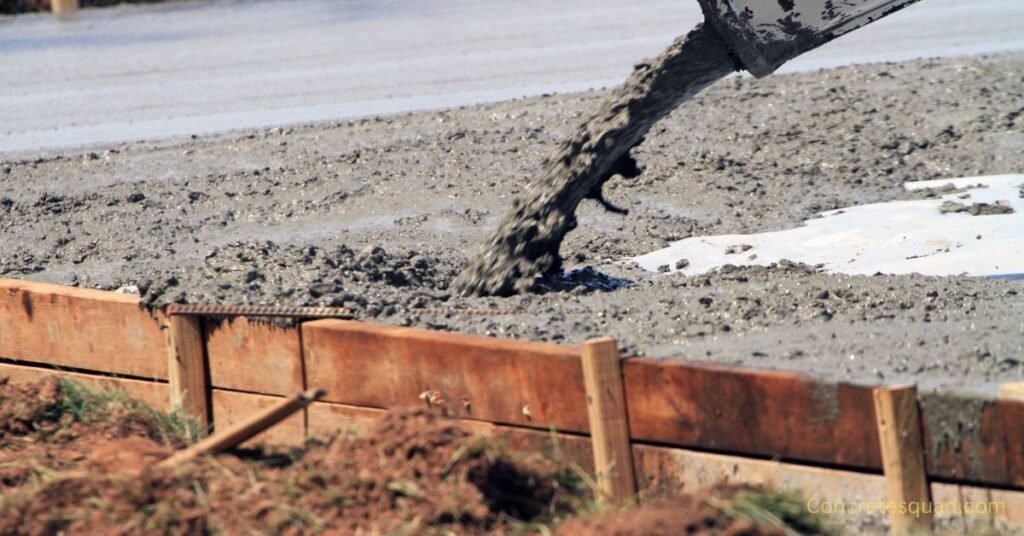
To extend the lifespan of concrete, focus on proper material selection, optimal mix design, and effective installation practices. Use high-quality components with suitable ratios to mitigate porosity and enhance strength. Implement preventive maintenance strategies such as regular inspections, surface cleaning, and protective coatings to combat environmental stressors like moisture and chemical attacks. Employ timely repair techniques, including crack sealing and surface treatments, to address damage proactively. Lastly, ensure compliance with industry standards during curing and construction to promote durability. Exploring these strategies will provide comprehensive insights into enhancing concrete longevity and performance.
Understanding the lifespan of concrete involves examining various factors that contribute to its durability and performance over time. Central to this analysis is concrete composition, which includes the selection of materials such as cement, aggregates, water, and additives. The proportions and quality of these components significantly influence the resultant concrete's strength, porosity, and resistance to environmental stressors.
Moreover, the environmental impact of concrete cannot be understated. The production process of cement, a primary ingredient, is responsible for substantial carbon dioxide emissions. This has led to a growing emphasis on sustainable practices, such as using recycled aggregates or alternative binders that minimize ecological footprints.
Additionally, the interaction of concrete with environmental conditions—such as moisture, temperature fluctuations, and chemical exposure—can further affect its longevity. These factors are critical in determining the overall lifespan of concrete structures.
Understanding the interplay between concrete composition and environmental impact enables engineers and architects to make informed decisions that enhance durability and sustainability. Consequently, a thorough grasp of these elements is essential for extending the functional life of concrete in various applications.
The durability of concrete is influenced by a multitude of factors that extend beyond its initial composition. Principal among these are environmental conditions and material quality.
The exposure of concrete to varying climates—such as extreme temperatures, humidity, and precipitation—can significantly impact its structural integrity over time. For instance, freeze-thaw cycles can lead to cracking, while prolonged exposure to moisture promotes the risk of corrosion in embedded steel reinforcements.
Material quality plays a critical role in determining durability. The selection of high-quality aggregates, cements, and admixtures can enhance the longevity of concrete structures.
Poor-quality materials can introduce weaknesses that accelerate deterioration, leading to increased susceptibility to chemical attacks, such as sulfates or chlorides.
Furthermore, the water-to-cement ratio is a vital consideration; excess water can weaken the concrete matrix, reducing its density and increasing porosity, which may facilitate the ingress of harmful substances.
Regular inspection and proactive interventions are essential components of an effective preventive maintenance strategy for concrete structures. Implementing systematic preventive measures can significantly enhance the durability and lifespan of these structures. Establishing comprehensive maintenance schedules is critical, as it allows for timely identification of potential issues before they escalate into costly repairs.
Key preventive measures include regular surface cleaning to prevent the accumulation of debris and contaminants that can lead to deterioration. Moreover, monitoring for signs of cracking, spalling, or efflorescence enables early detection of underlying problems such as moisture intrusion or chemical attack. Additionally, applying protective coatings and sealants can mitigate the effects of environmental exposure, thereby enhancing the concrete's resilience.
Incorporating a detailed asset management plan ensures that maintenance activities are performed consistently and documented effectively. This plan should outline inspection frequencies, responsible personnel, and specific tasks required for each concrete structure.
Effective repair techniques are crucial for enhancing the longevity of concrete structures, particularly when deterioration has been identified. Among the most common issues faced are surface cracks and wear, which can significantly compromise structural integrity if left unaddressed.
One of the primary methods for mitigating such damage is crack sealing. This technique involves the application of specialized sealants into cracks to prevent water infiltration and further deterioration. Properly executed crack sealing not only addresses existing issues but also inhibits the propagation of new cracks.
In addition to crack sealing, surface treatments play a vital role in preserving concrete. These treatments can include coatings, sealers, and overlays that provide a protective barrier against environmental factors such as moisture, chemicals, and abrasion.
Surface treatments can also enhance aesthetic appeal while extending the functional lifespan of the concrete.
It is essential to select appropriate materials and methods tailored to the specific conditions and types of concrete involved. Regular assessment and timely application of these repair techniques can significantly improve the durability and performance of concrete structures, ultimately leading to reduced maintenance costs and extended service life.
Ensuring optimal performance of concrete installations necessitates adherence to best practices throughout the process. Proper site preparation and material selection are critical to achieving durability and longevity in concrete structures. The following practices should be considered:
| Best Practice | Description | Importance |
|---|---|---|
| Site Preparation | Clear the |
In summation, extending the lifespan of concrete requires a multifaceted approach, akin to nurturing a delicate ecosystem. By understanding the intricate factors that influence durability and implementing robust preventive maintenance and repair strategies, the longevity of concrete structures can be significantly enhanced. Adhering to best practices during installation serves as the foundation upon which resilience is built. Ultimately, the commitment to these principles will fortify concrete against the ravages of time, ensuring enduring strength and stability.
 Call Now