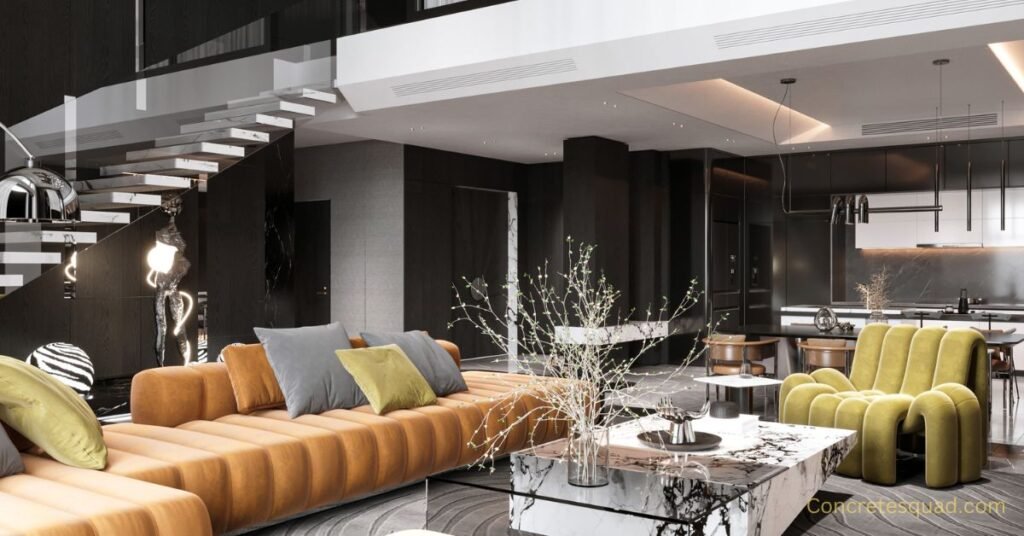
Trends in decorative concrete for modern homes are changing the landscape of design. Polished concrete finishes create sleek, reflective surfaces that enhance natural light, while stamped patterns mimic natural materials like stone and wood. Innovative color mixing now offers a wide range of hues to personalize spaces. Eco-friendly practices are also gaining traction, including the use of recycled materials to reduce environmental impact. Both indoor and outdoor applications are expanding, offering unique aesthetics and functional solutions for modern living. As these trends evolve, homeowners can discover even more exciting possibilities to enhance their living spaces further.
Polished concrete finishes have emerged as a hallmark of modern design, seamlessly blending durability with aesthetic appeal. This contemporary flooring solution is characterized by its sleek, reflective surface, which enhances natural light and creates an expansive feel in both residential and commercial spaces.
The versatility of polished concrete allows it to complement various design styles, making it a staple in modern aesthetics.
To maintain the pristine condition of polished concrete, homeowners should adhere to a few essential maintenance tips. Routine cleaning with a soft broom or vacuum helps to remove dust and debris, while occasional mopping with a pH-neutral cleaner ensures that the finish remains vibrant.
It is also crucial to avoid harsh chemicals, as they can dull the shine over time. For added protection, applying a high-quality sealer every few years can prevent staining and enhance longevity.
Polished concrete not only elevates the visual appeal of a space but also offers practical benefits such as resistance to wear and ease of maintenance.
With its striking appearance and robust nature, polished concrete continues to capture the interest of those seeking to create sophisticated and enduring interiors.
Transforming plain concrete into visually stunning surfaces, stamped patterns and textures have gained popularity as a creative solution for both aesthetics and functionality. This innovative technique allows homeowners and designers to replicate natural materials such as stone, brick, or wood, providing a sophisticated look without the associated costs or maintenance.
Stamped concrete offers an array of concrete textures and pattern variations, making it a versatile choice for patios, walkways, and driveways. By utilizing specialized mats and tools, skilled professionals can imprint intricate designs onto freshly poured concrete, ensuring that each project is unique.
From classic cobblestone to contemporary geometric motifs, the possibilities are virtually limitless, catering to diverse tastes and architectural styles.
Additionally, stamped concrete surfaces are not only visually appealing but also practical. They provide durability and slip resistance, making them suitable for high-traffic areas. Properly sealed, these textured surfaces can withstand the elements while maintaining their beauty over time.
As homeowners seek to enhance their outdoor spaces, stamped patterns and textures remain a favored choice, blending creativity with functionality to elevate modern home design.
As the decorative concrete landscape evolves, colored concrete innovations are emerging as a captivating way to infuse vibrancy and personality into various spaces.
These innovations leverage advanced techniques in color mixing, allowing for a wide spectrum of hues that can complement any design aesthetic. By blending pigments with concrete, homeowners can achieve customized shades that enhance their surroundings, whether in outdoor patios or indoor flooring.
Moreover, the application of surface treatments further enriches the appearance of colored concrete. Techniques such as staining, dyeing, and polishing can deepen the color and provide a unique finish, creating a dynamic interplay of light and texture.
These treatments not only enhance aesthetic appeal but also improve durability, making colored concrete a practical choice for high-traffic areas.
Additionally, innovative technologies such as integral color systems ensure that the color remains consistent throughout the material, preventing fading over time.
This reliability, combined with the creative possibilities of color mixing, allows for the realization of stunning designs that reflect individual style and taste.
In essence, colored concrete innovations are redefining modern aesthetics, transforming ordinary spaces into extraordinary environments.
While many homeowners seek to rejuvenate their existing concrete surfaces, decorative concrete overlay techniques offer a versatile solution that enhances both aesthetics and functionality.
These overlays serve as a thin layer applied over worn or damaged concrete, transforming spaces without the need for complete replacement.
Among the popular overlay techniques are stamped overlays, which replicate the look of stone, tile, or wood, and stained overlays that introduce vibrant colors or patterns.
Each method not only revitalizes the surface but also provides a unique design element suited to individual tastes and home styles.
Application methods vary, from troweling to spraying, allowing for customization based on the desired finish and texture.
For instance, spray application is ideal for larger areas, while troweling allows for more intricate designs.
The versatility of these overlays ensures they can be used in various settings, including patios, driveways, and interior spaces.
With proper preparation and skilled application, decorative concrete overlays can effectively extend the lifespan of existing surfaces, making them an advantageous choice for homeowners looking to enhance their property's appeal and value.
As the demand for sustainable construction practices grows, eco-friendly concrete solutions are increasingly becoming a focal point in the industry.
These solutions encompass sustainable material options, energy-efficient production methods, and innovative applications of recycled concrete, all aimed at reducing environmental impact.
In today's environmentally conscious landscape, many designers and builders are seeking sustainable material options that minimize ecological impact without compromising aesthetic appeal.
Decorative concrete, as a versatile choice, can align with green building initiatives through the use of eco-friendly materials.
Recycled aggregates, such as crushed glass or reclaimed concrete, are increasingly popular for their dual benefits of reducing waste and providing unique visual textures.
Additionally, incorporating supplementary cementitious materials like fly ash or slag not only enhances the durability of concrete but also lessens the reliance on traditional cement production, which is energy-intensive.
Material sourcing plays a crucial role in sustainability.
By opting for locally sourced aggregates, builders can significantly reduce transportation emissions, contributing to a smaller carbon footprint.
Furthermore, the use of low-VOC (volatile organic compounds) stains and sealers ensures that the indoor air quality remains uncompromised, thereby promoting a healthier living environment.
As the demand for sustainable practices grows, embracing these innovative materials in decorative concrete projects not only supports environmental stewardship but also creates stunning, modern aesthetics that appeal to eco-conscious homeowners.
Through the adoption of energy-efficient production methods, the concrete industry is making significant strides towards sustainability. These innovative techniques not only reduce energy consumption but also minimize greenhouse gas emissions, aligning with global efforts to combat climate change. By implementing energy-efficient techniques such as optimizing mixing processes, utilizing alternative fuels, and enhancing curing methods, manufacturers are able to produce concrete with a lower carbon footprint.
Furthermore, sustainable practices in the production of decorative concrete involve the integration of renewable energy sources, such as solar and wind power, into manufacturing facilities. This transition not only decreases reliance on fossil fuels but also promotes a circular economy by utilizing waste materials as substitutes in the concrete mix.
Employing advanced technologies, such as computer-aided design and automation, enhances production efficiency and ensures consistent quality while reducing waste.
These energy-efficient production methods signify a pivotal shift in the concrete sector, fostering an environment where sustainability and aesthetics can coexist harmoniously. As the demand for eco-friendly construction materials continues to rise, these practices will play an essential role in shaping the future of modern homes, making decorative concrete a viable choice for environmentally-conscious homeowners.
The growing emphasis on sustainability in the concrete industry has led to innovative applications for recycled concrete, presenting eco-friendly solutions that effectively reduce waste while maintaining structural integrity. By utilizing recycled aggregates derived from demolished concrete structures, builders and designers are not only minimizing landfill contributions but also conserving natural resources.
Recycled concrete can be seamlessly integrated into various decorative applications, including driveways, patios, and even decorative walls. The aesthetic potential of recycled concrete is remarkable, as it can be combined with pigments or aggregates to create unique designs that enhance the overall beauty of green building projects. This practice not only contributes to the visual appeal of a structure but also significantly lowers the environmental footprint.
Moreover, these eco-friendly concrete solutions are becoming increasingly popular in sustainable construction practices. When incorporated into architectural designs, recycled concrete serves as a testament to a commitment to environmental stewardship.
As the construction industry continues to evolve, the incorporation of recycled concrete will undoubtedly play a vital role in promoting sustainable practices, ensuring that modern homes are built with both style and responsibility in mind.
Indoor applications of decorative concrete offer a unique blend of aesthetics and functionality, transforming spaces with their versatility.
Polished concrete floors provide a sleek, modern look that is both durable and easy to maintain, making them an ideal choice for residential and commercial environments.
Additionally, decorative concrete walls can enhance the visual appeal of interiors, introducing texture and color that elevate any design scheme.
With a sleek and modern aesthetic, polished concrete floors have emerged as a popular choice for enhancing indoor spaces. Their versatility allows them to seamlessly blend into various design styles, particularly those embracing industrial aesthetics. This flooring solution is characterized by its high-gloss finish, which not only elevates the visual appeal of a room but also emphasizes the natural variations and textures of the concrete substrate.
Polished concrete floors offer a range of benefits that make them an attractive option for homeowners and designers alike. They are incredibly durable, capable of withstanding heavy foot traffic and resisting scratches and stains. Additionally, these floors are low-maintenance, requiring minimal upkeep to maintain their shine. This makes them an ideal choice for busy households or commercial environments where maintenance solutions are crucial.
Moreover, polished concrete can be customized with various colors and patterns, allowing for personalized design opportunities. As sustainable building practices gain momentum, polished concrete stands out for its ability to utilize existing concrete slabs, minimizing waste.
Transforming interior spaces, decorative concrete walls have gained traction for their ability to combine functionality with striking aesthetic appeal. These walls serve not only as structural elements but also as canvases for creativity.
With a variety of textured finishes available, homeowners can achieve unique looks that range from sleek and modern to rustic and warm. Textured finishes can mimic natural materials like stone or wood, providing the beauty of these elements without the maintenance concerns.
In addition to textures, decorative concrete walls can also feature intricate wall murals. These murals allow for personalization, enabling homeowners to express their style through bespoke designs. Whether it's a bold abstract pattern or a serene landscape, wall murals can dramatically enhance the ambiance of a room.
Moreover, decorative concrete walls are durable and easy to maintain, resisting moisture and wear over time. This makes them an ideal choice for various indoor applications, including living rooms, offices, and even kitchens.
As the trend towards customization and artistic expression continues to rise, decorative concrete walls are proving to be a versatile and stylish option for modern homes.
Enhancing outdoor living spaces has become a priority for homeowners seeking to expand their functional and aesthetic enjoyment of their properties.
With a focus on versatility and comfort, decorative concrete plays a pivotal role in creating inviting outdoor environments.
Here are four key enhancements that can elevate these spaces:
Together, these enhancements contribute to a cohesive outdoor living experience, making homes more enjoyable and inviting.
Customization and personalization have emerged as pivotal trends in the decorative concrete industry, allowing homeowners to express their unique tastes and preferences in outdoor and indoor spaces alike.
As homeowners increasingly seek to create environments that reflect their individual styles, personalized designs and bespoke finishes have become essential elements in contemporary concrete applications.
This trend encompasses a wide range of options, from intricate stamp patterns that emulate natural materials to vibrant color palettes tailored to specific aesthetics. Homeowners are now able to select from various textures, shapes, and finishes, allowing for seamless integration with existing architectural styles or the creation of entirely new visual narratives.
Furthermore, advancements in technology have made it possible to incorporate custom artwork, logos, or motifs directly into concrete surfaces, adding an even more personal touch.
The rise of eco-conscious materials also influences this trend, with many opting for sustainable concrete solutions that do not compromise on style.
Ultimately, the ability to customize and personalize decorative concrete not only enhances the beauty of living spaces but also fosters a deeper connection between the homeowner and their environment, making each project a true reflection of personal identity.
In the ever-evolving landscape of modern homes, decorative concrete emerges as a vibrant canvas, transforming ordinary spaces into extraordinary retreats. The fusion of polished finishes, intricate stamped patterns, and innovative colors breathes life into interiors and exteriors alike. As eco-consciousness shapes design choices, the allure of customization invites homeowners to imprint their unique style onto concrete surfaces. Ultimately, decorative concrete not only enhances aesthetic appeal but also serves as a testament to creativity in contemporary architecture.
 Call Now