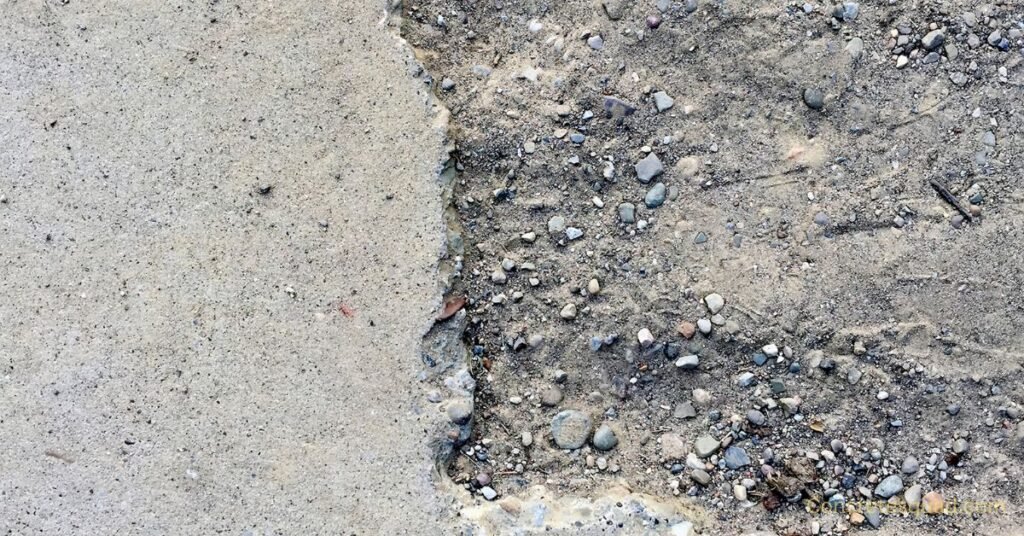
Concrete can often be repaired, depending on the extent and type of damage. Minor issues, such as hairline cracks and surface spalling, typically allow for effective repair using methods like epoxy injection or patching compounds. However, severe damage, including extensive cracking or significant settlement, may warrant complete replacement to ensure structural integrity. The cost-effectiveness of repairs is generally favorable compared to replacement, especially for less critical issues. Choosing the right materials and contractors is essential for durable solutions. Understanding these nuances can significantly impact your decisions moving forward, including the benefits of each approach.
Concrete structures, while renowned for their durability, are not immune to various issues that can compromise their integrity and functionality. Among the most prevalent concerns are cracking, spalling, and surface wear, which can arise from environmental factors, improper installation, or material degradation.
Cracking is particularly significant, as it can result from thermal expansion, shrinkage, or freeze-thaw cycles. These fissures, if left unaddressed, can allow moisture infiltration, leading to further deterioration.
To mitigate these issues, proactive maintenance strategies such as crack sealing and surface resurfacing are essential. Crack sealing involves the application of specialized materials to fill and seal existing cracks, thereby preventing water ingress and reinforcing the structural integrity of the concrete.
Surface resurfacing, on the other hand, addresses wear and surface damage by applying a new layer of concrete or polymer-modified material, restoring both aesthetics and functionality.
Regular inspection and timely interventions are crucial in preserving the longevity of concrete structures. By understanding these common concrete issues and implementing appropriate repair techniques, property owners can extend the lifespan of their investment and maintain optimal performance.
Identifying signs that concrete repair is feasible is crucial for effective maintenance strategies.
Minor cracks and chips, as well as surface-level damage, often indicate that the structural integrity remains intact, allowing for targeted interventions.
Assessing these conditions can lead to cost-effective solutions while extending the lifespan of existing concrete elements.
The assessment of minor cracks and chips in concrete surfaces is essential for determining the viability of repair options. These imperfections often indicate that repair is feasible, particularly when they manifest as hairline fractures or small chips.
Proper evaluation involves examining the dimensions and patterns of the damage, as well as understanding the concrete's overall condition.
Indicators that repair is possible include:
When these conditions are met, minor cracks and chips can often be effectively repaired through techniques such as epoxy injection or surface sealing.
Timely intervention not only restores aesthetics but also prevents more significant structural issues from developing. Thus, addressing minor imperfections is a critical step in prolonging the lifespan of concrete surfaces.
Assessing surface level damage is crucial for determining whether a repair is feasible. Surface level damage often manifests as minor cracks, spalling, or discoloration, which are indicative of underlying issues rather than structural failure. Early identification of these signs can facilitate effective intervention, averting the need for complete replacement.
The first step in addressing surface level damage involves meticulous examination. Utilizing appropriate surface preparation techniques—such as cleaning, grinding, or shot blasting—ensures that all contaminants are removed and the substrate is adequately exposed. This preparation is essential for achieving optimal adhesion of repair materials.
Once surface preparation is complete, careful repair materials selection becomes paramount. High-performance materials, such as polymer-modified mortars or epoxy resins, are typically employed to fill cracks or restore surface integrity.
These materials offer enhanced durability and flexibility, which can significantly extend the lifespan of the repair.
In certain circumstances, concrete replacement becomes imperative due to severe structural damage that compromises load-bearing integrity.
Additionally, extensive cracking issues can indicate a failure of the material's cohesion, rendering repairs ineffective.
Furthermore, persistent water intrusion problems can lead to further deterioration, necessitating a complete replacement to ensure long-term stability and performance.
How can one determine when concrete repair falls short and replacement becomes the only viable option? Severe structural damage often dictates that replacement is necessary, particularly when the integrity and load-bearing capacity of the concrete are compromised.
In such cases, repairs may only serve as temporary solutions, failing to provide the long-term stability required for safe use.
Indicators that replacement is essential include:
When these factors are evident, it is crucial to consult with a structural engineer to assess the extent of damage and determine the best course of action.
Replacement may not only restore safety but also enhance the longevity of the infrastructure, ensuring that it meets necessary standards for performance and reliability.
Severe structural damage often manifests in various forms, with extensive cracking being one of the most alarming indicators. When cracks exceed a certain width—typically 1/4 inch—it is crucial to conduct a detailed crack assessment to understand the underlying causes and implications. Extensive cracking may arise from factors such as soil settlement, freeze-thaw cycles, or improper curing processes.
In cases where the integrity of the concrete has been compromised, the applicability of various repair techniques must be carefully evaluated. While minor surface cracks may be addressed through sealants or epoxy injections, extensive cracking generally signals that repair techniques will not restore the structural integrity of the concrete.
Moreover, if the cracks are accompanied by shifting or displacement, the situation becomes more dire. Replacement may be necessary to ensure safety and longevity, as continued degradation can lead to catastrophic failures.
Water intrusion poses significant risks to concrete structures, often leading to deterioration that can compromise their integrity. In cases where water infiltration is severe and persistent, replacement may be the only viable solution.
The presence of moisture not only accelerates the wear of concrete but can also lead to structural issues that are far more complex than surface repairs.
When evaluating water intrusion problems, consider the following factors:
Concrete repairs are often necessary to maintain the structural integrity and aesthetic appeal of various surfaces. The choice of repair method largely depends on the extent and type of damage present.
One common technique is the use of epoxy injection, which effectively fills cracks and voids in concrete. This method is particularly advantageous for structural repairs, as epoxy provides high tensile strength and bonds well with existing concrete, restoring load-bearing capacity.
Another prevalent approach is the application of patching compounds, which are used to repair surface defects such as spalling or pitting. These compounds can be formulated with different properties to match the existing concrete's durability and finish.
The selection of the appropriate patching compound is crucial, as it must adhere well, resist moisture intrusion, and withstand environmental stresses.
Additionally, for more extensive damage, techniques such as resurfacing or overlaying may be appropriate, where a new layer of concrete is applied to restore appearance and functionality.
Understanding these types of concrete repairs is essential for ensuring long-lasting results and maintaining the overall health of concrete structures. Proper assessment and selection of the repair method are vital for effective restoration.
When evaluating the financial implications of maintaining concrete structures, a critical decision arises between repair and replacement. Understanding the associated costs is essential for making an informed choice.
Repair costs generally encompass the expenses related to materials, labor, and potential downtime. In contrast, replacement costs typically involve a more substantial financial outlay due to the need for demolition, disposal, and new materials.
Several factors influence these costs:
A significant number of property owners face the decision of whether to undertake concrete repair as a do-it-yourself (DIY) project or to hire professional services. Each option presents unique advantages and challenges, which can significantly impact the outcome of the repair process.
| Factor | DIY Techniques | Professional Services |
|---|---|---|
| Skill Level | Requires basic to intermediate skills | Expert-level skills and experience |
| Repair Materials | Commonly available at local stores | Access to specialized materials |
| Tool Requirements | Basic tools like trowels and mixers | Advanced equipment and tools |
| Cost Considerations | Lower upfront costs | Higher initial investment but potential for long-term savings |
Project timelines can vary dramatically; DIY repairs may extend due to learning curves, while professionals often adhere to strict schedules. Safety precautions are critical, as improper handling of materials can lead to injuries. Ultimately, the choice between DIY techniques and professional services hinges on the property owner's skill level, the complexity of the damage, and the desired durability of the repair. Balancing these factors ensures a more informed decision for effective concrete repair.
For property owners seeking to extend the lifespan and integrity of their concrete surfaces, implementing a proactive maintenance plan is essential.
Regular maintenance not only enhances the aesthetics of the concrete but also minimizes the likelihood of costly repairs or replacements in the future.
Key long-term maintenance tips include:
The impact of weather on concrete is a critical consideration for property owners and construction professionals alike, as environmental conditions can significantly influence the durability and performance of concrete structures.
Weather effects, such as temperature fluctuations, humidity, and precipitation, play a vital role in the curing and long-term integrity of concrete. Seasonal changes can exacerbate these effects, leading to potential issues such as cracking, spalling, or scaling.
Cold weather can hinder the hydration process, resulting in incomplete curing and increased vulnerability to freeze-thaw cycles. Conversely, high temperatures can accelerate evaporation, leading to surface cracking if proper curing techniques are not employed.
Additionally, excessive moisture from rainfall or humidity can introduce challenges, such as efflorescence or weakened structural bonds.
Understanding the implications of these weather effects is essential for effective concrete repair and maintenance. Property owners and contractors must adopt weather-appropriate strategies, including selecting suitable materials and implementing protective measures during extreme conditions.
Selecting the appropriate contractor for concrete repair or replacement requires careful evaluation of various factors to ensure the project's success. A competent contractor not only possesses the necessary qualifications but also demonstrates extensive repair experience.
The following criteria should guide your decision-making process:
In conclusion, concrete can often be effectively repaired, with statistics indicating that approximately 70% of concrete issues can be resolved without full replacement. Factors such as the type and extent of damage, as well as environmental conditions, play a crucial role in determining the most appropriate course of action. Ultimately, a thorough assessment by qualified professionals can ensure optimal longevity and performance of concrete structures, highlighting the importance of informed decision-making in maintenance practices.
 Call Now