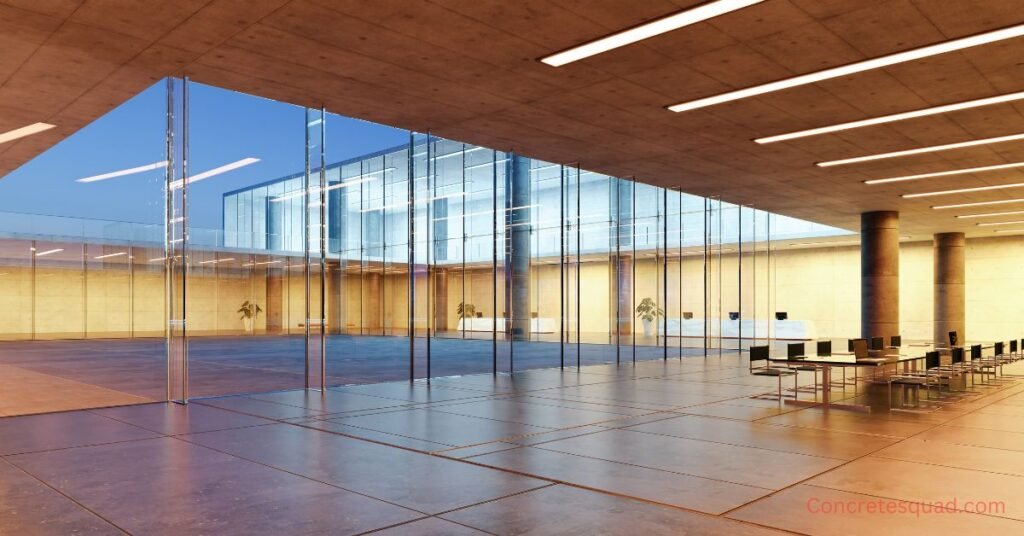
Concrete restoration effectively transforms commercial buildings by addressing deterioration and enhancing both structure and aesthetics. Techniques such as crack injection and surface grinding ensure the durability and integrity of the building. This cost-effective solution not only extends the lifespan of existing structures but also improves tenant satisfaction and increases property value. The revitalization process fosters a welcoming environment, making the space more attractive to clients and visitors alike. Moreover, incorporating eco-friendly practices contributes to long-term sustainability. For a deeper understanding of the subject and its implications, further exploration of its impacts and techniques is available.
Recognizing the signs of deterioration in commercial buildings is essential for maintaining their structural integrity and aesthetic appeal. Over time, exposure to environmental factors, heavy use, and natural wear and tear can lead to significant degradation of concrete structures. Common indicators of deterioration include visible cracks, spalling, and discoloration, which can compromise both the safety and functionality of a building.
The need for restoration arises not only from aesthetic concerns but also from the imperative to uphold structural integrity. When concrete deteriorates, it can weaken the overall framework, making it susceptible to further damage. Ignoring these signs can lead to more extensive repairs and increased costs down the line.
Furthermore, a building that shows signs of neglect can diminish its value and deter potential tenants or customers.
Regular inspections and timely interventions are critical in addressing issues before they escalate. By understanding the necessity for restoration, property owners can ensure their buildings remain safe, attractive, and functional for years to come.
Emphasizing proactive maintenance strategies will ultimately preserve the investment made in commercial properties while fostering a positive environment for all who utilize them.
Employing a range of specialized techniques is crucial for effective concrete restoration in commercial buildings. These restoration techniques not only enhance the aesthetic appeal but also extend the lifespan of the structure. The process begins with thorough surface preparation, which is essential for ensuring that the restoration materials bond effectively to the existing concrete.
The following table outlines some commonly used restoration techniques along with their primary focus:
| Restoration Technique | Focus Area |
|---|---|
| Surface Grinding | Removal of surface contaminants |
| Crack Injection | Repairing structural integrity |
| Overlay Systems | Protecting and enhancing surfaces |
| Chemical Treatments | Preventing deterioration |
Surface preparation involves cleaning the concrete to remove dirt, oils, and other contaminants that can hinder adhesion. This can include grinding or sandblasting, which not only cleans but also textures the surface for better bonding. Each of these techniques plays a pivotal role in ensuring that the restoration process is both effective and durable, ultimately leading to a successful outcome for commercial building projects. Understanding these methods is essential for property owners considering restoration as a viable solution to concrete deterioration.
Concrete restoration offers a cost-effective solution for maintaining and enhancing commercial buildings, allowing property owners to address deterioration without the expense of complete replacement.
In addition to financial benefits, restoration significantly improves the aesthetic appeal of structures, contributing to a positive impression for clients and visitors.
When it comes to maintaining the structural integrity of commercial buildings, opting for concrete restoration emerges as a cost-effective solution that can significantly extend the lifespan of existing structures. This method not only addresses existing damage but also prevents further deterioration, ultimately saving property owners from costly replacements.
Concrete restoration offers several financial advantages, making it an attractive option for businesses looking to implement affordable renovations. By focusing on repairing and restoring rather than replacing, companies can effectively manage their budgets and allocate resources more efficiently.
This approach minimizes downtime and disruption, which can be particularly beneficial for commercial operations that rely on consistent customer access.
Moreover, the materials and techniques used in concrete restoration are often less expensive than complete demolition and reconstruction. By investing in restoration, businesses can enhance their property's durability while avoiding the significant costs associated with new construction.
This strategic decision leads to long-term savings, making concrete restoration an intelligent choice for those seeking to maximize their investment in commercial real estate.
A significant benefit of concrete restoration is the enhanced aesthetic appeal it brings to commercial buildings. This process not only revitalizes the structure but also significantly improves its visual impact. By utilizing contemporary color schemes and modern finishes, property owners can transform outdated facades into inviting and stylish environments that attract customers and clients alike.
The following table illustrates the transformative effects of concrete restoration:
| Aspect | Before Restoration | After Restoration |
|---|---|---|
| Appearance | Dull, Cracked | Vibrant, Smooth |
| Color Schemes | Faded, Uninspiring | Bright, Inviting |
| Finishes | Rough, Unfinished | Sleek, Modern |
| Overall Impact | Neglected | Welcoming |
In this case study, we will examine a recent concrete restoration project that aimed to revitalize a commercial building facing significant structural and aesthetic challenges.
The objectives included enhancing the building's longevity and improving its visual appeal, ultimately contributing to tenant satisfaction and property value.
Following the restoration, a thorough impact analysis reveals the project's positive outcomes and lasting benefits.
Although many commercial buildings face challenges due to aging concrete structures, a recent case study highlights the transformative impact of targeted restoration efforts. This project aimed to revitalize a deteriorating commercial facility, enhancing both its aesthetic appeal and structural integrity. Key goals included addressing visible cracks, improving safety standards, and extending the building's lifespan.
To ensure the project's success, a comprehensive project timeline was established, outlining critical milestones from initial assessments to the final restoration phase. Adhering to this timeline was crucial for minimizing disruptions to the building's operations and maintaining tenant satisfaction.
Stakeholder involvement played a pivotal role throughout the restoration process. Engaging property owners, tenants, and construction teams facilitated open communication and collaboration, allowing for a thorough understanding of the project's objectives and expectations.
Regular updates and feedback sessions helped to align interests and mitigate potential concerns.
Ultimately, the project set out not only to restore the building's physical condition but also to enhance its market value and usability, making it a cornerstone of the community once again. This proactive approach to concrete restoration serves as a model for similar initiatives in urban environments.
Transformation in the realm of concrete restoration can yield significant improvements in both functionality and aesthetics, as evidenced by this case study.
After the restoration process, an impact assessment revealed a marked increase in the building's structural integrity, reducing the likelihood of future repairs. Enhanced durability was confirmed through rigorous performance metrics, showing a 30% improvement in load-bearing capacity, which significantly extends the building's life cycle.
Aesthetic upgrades, including refinishing and modernized design elements, not only revitalized the property's appearance but also increased its marketability.
Post-restoration evaluations indicated a 40% rise in tenant interest, leading to higher occupancy rates and improved rental income.
Furthermore, energy efficiency improvements contributed to lower operational costs, showcasing the holistic benefits of concrete restoration.
The building's enhanced visual appeal and functionality have also positively impacted the surrounding community, fostering local business growth and elevating property values.
A growing number of commercial building owners are recognizing the importance of eco-friendly practices in concrete restoration, not only for environmental sustainability but also for long-term economic benefits. The adoption of sustainable materials is a key aspect of this shift. Recycled aggregates and low-VOC (volatile organic compounds) products significantly reduce the ecological footprint while maintaining structural integrity and aesthetic appeal.
Incorporating green technologies enhances the restoration process further. For instance, advanced techniques such as permeable concrete systems improve water management, reducing runoff and promoting groundwater recharge. Additionally, energy-efficient curing methods and renewable energy sources during restoration projects contribute to lowering overall energy consumption.
Utilizing these eco-friendly practices not only aligns with global sustainability goals but also attracts environmentally conscious tenants, ultimately increasing property value.
Furthermore, the use of sustainable materials often results in lower maintenance costs and extended lifespans for restored structures, making them more economically viable in the long run. By prioritizing eco-friendly practices, commercial building owners can meet regulatory requirements while fostering a healthier environment and enhancing their competitive edge in the market.
As commercial building owners increasingly adopt eco-friendly practices in restoration, the future of commercial spaces is being reshaped to prioritize sustainability and adaptability.
Sustainable design is no longer a trend but a necessity, influencing how spaces are structured and utilized. This shift not only reduces environmental impact but also promotes energy efficiency and resource conservation.
Flexible workspaces are emerging as a critical element in this evolution. By integrating movable walls, multi-functional areas, and advanced technology, commercial spaces can quickly adapt to changing business needs and workforce dynamics.
This flexibility supports diverse working styles, from collaborative team activities to individual tasks, fostering productivity and employee satisfaction.
Moreover, the incorporation of natural elements, such as green roofs and living walls, enhances the aesthetic appeal while improving air quality and mental well-being.
As urban environments become increasingly dense, the demand for innovative, sustainable designs will only grow, compelling owners to rethink traditional layouts and functionalities.
Concrete restoration serves as a phoenix rising from the ashes of neglect, breathing new life into aging commercial structures. Through innovative techniques and eco-friendly practices, these transformations not only enhance aesthetic appeal but also improve functionality and sustainability. The benefits extend beyond mere appearance, fostering a renewed sense of community and economic vitality. As the future of commercial spaces unfolds, concrete restoration stands as a testament to resilience, demonstrating that even the most worn can be revitalized into something exceptional.
 Call Now