
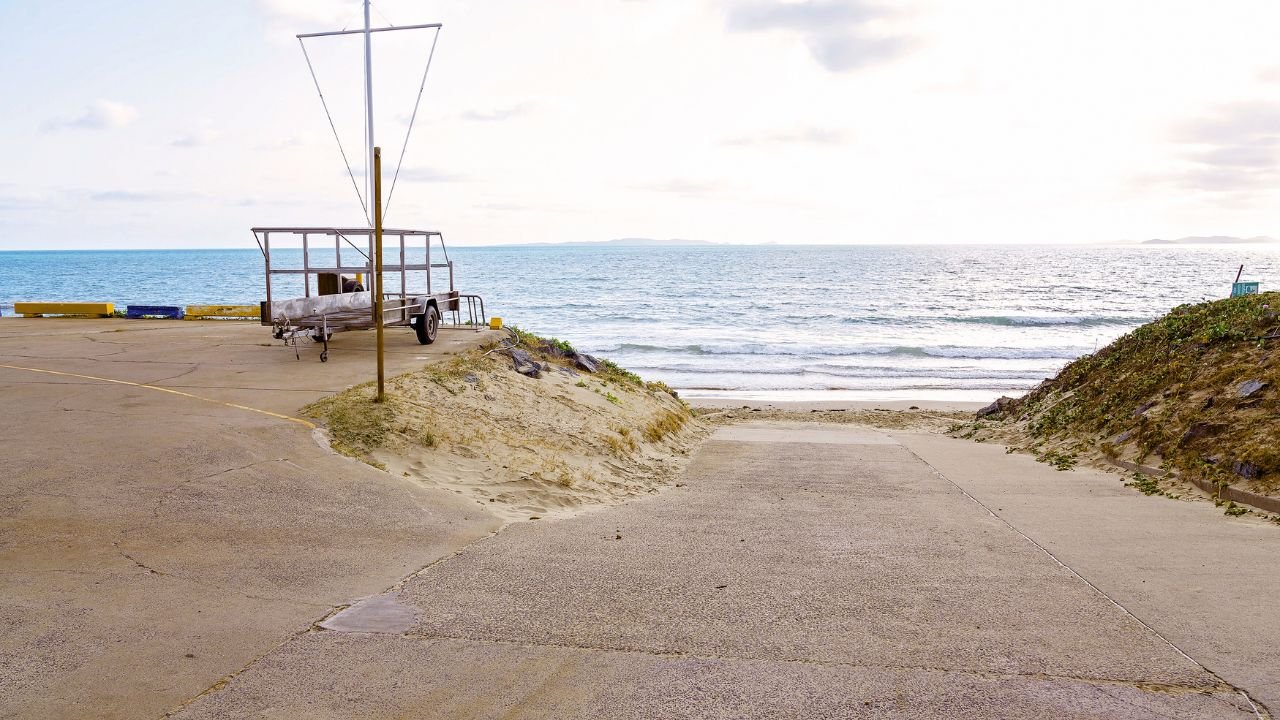
When we think about boating in Florida, the importance of reliable boat ramps can’t be overstated. They serve as essential access points for fishing, sailing, and leisure activities. At Watercraft Access Concrete Squad, we focus on creating durable ramps that stand the test of time. But what factors should we consider for effective ramp installation? Let’s explore the key elements that contribute to a successful project.
Boat ramps play an essential role in Florida’s vibrant boating culture. They serve as significant access points for countless enthusiasts keen to explore our beautiful waterways. Without these ramps, launching our boats would be a challenge, limiting our opportunities for fishing, sailing, and leisure activities.
Moreover, well-maintained boat ramps guarantee safety and convenience, allowing us to enjoy our time on the water without unnecessary stress. When we have reliable access points, we can gather with friends and family, fostering a sense of community around our shared love for boating.
In addition, boat ramps contribute to Florida’s economy by attracting tourists and supporting local businesses. The more accessible our waterways are, the more visitors we draw, benefiting restaurants, marinas, and service providers.
Ultimately, investing in boat ramp installation and maintenance is essential for preserving our boating culture and enhancing the overall experience for everyone who loves the water.
When we think about watercraft access points, there are several key options to evaluate. Concrete boat ramps offer durability, while floating dock systems provide flexibility for changing water levels. Beach launch areas can be great for simpler setups, making it easier for us to get our boats in and out of the water.
Concrete boat ramps serve as essential access points for various types of watercraft, allowing us to launch and retrieve our vessels with ease. These ramps are designed to handle the weight and size of different boats, from small fishing skiffs to larger recreational vessels. Their sturdy construction provides a reliable surface, minimizing the risk of damage to our boats during launch or retrieval. Additionally, concrete ramps often feature a slight incline, ensuring a smooth passage between land and water. We also appreciate that they require minimal maintenance compared to other materials. In areas with high traffic, their durability makes them a preferred choice, ensuring we can enjoy our time on the water without worrying about access issues.
While concrete ramps provide a solid foundation for launching and retrieving boats, floating dock systems offer a versatile alternative that adapts to changing water levels. These docks float on the surface, rising and falling with the tide, which makes them perfect for areas with fluctuating water conditions. They’re typically constructed from durable materials like plastic or aluminum, ensuring longevity and minimal maintenance. Floating dock systems can be customized in size and shape, catering to various types of watercraft, from kayaks to larger boats. They also enhance safety by providing stable access points, reducing the risk of slips or falls. Overall, floating docks are an excellent choice for anyone seeking flexibility and convenience in their watercraft access.
Although beach launch areas may seem simple, they serve as vital access points for various types of watercraft. These areas allow us to easily launch kayaks, canoes, and small boats directly from the shore, making them incredibly convenient for recreational users. We often find that beach launches are particularly popular in regions with sandy coastlines, where the gentle slope of the beach aids in the launching process.
It’s important to take into account factors like tides and wave action when using these areas, as they can impact our ability to launch safely. Additionally, maintaining these access points is essential to guarantee they remain usable for everyone. By understanding these features, we can all enjoy our time on the water that much more!
When we think about boat ramps, concrete options really stand out. They offer incredible durability and longevity, making them a smart investment for any waterway. Plus, their low maintenance requirements mean we can spend more time enjoying the water and less time worrying about upkeep.
Concrete boat ramps offer impressive durability and longevity, making them a top choice for many boaters. They withstand harsh weather and heavy usage, ensuring we can rely on them for years to come. Unlike other materials, concrete resists cracking and erosion, providing a stable surface for launching and retrieving our watercraft.
Here’s a quick comparison of different ramp materials:
| Material | Durability |
|---|---|
| Concrete | High |
| Asphalt | Moderate |
| Wood | Low |
| Steel | Moderate |
| Aluminum | Moderate |
One of the standout benefits of choosing concrete boat ramps is their low maintenance requirements, which save us time and effort. Unlike wooden ramps that can rot, warp, or require regular sealing, concrete ramps hold up exceptionally well against the elements. We don’t have to worry about splinters or slippery surfaces, making them safer for us and our boats. Occasional cleaning with a pressure washer is typically all it takes to keep them in top shape. Plus, they resist algae growth, reducing the need for chemical treatments. In the long run, this means fewer repairs and replacements, allowing us to focus more on enjoying our time on the water rather than worrying about upkeep. It’s a smart investment for any watercraft enthusiast.
As we explore the factors to evaluate for ramp installation, it’s essential to recognize how site conditions and usage requirements impact our decision-making. We must consider several elements to guarantee a successful installation that meets our needs.
Here’s a quick overview of key factors:
| Factor | Description |
|---|---|
| Water Depth | Assess the depth at low and high tides. |
| Slope Angle | Determine an appropriate incline for safety. |
| Material Selection | Choose durable materials for longevity. |
| Traffic Volume | Estimate the number of users and vehicles. |
| Environmental Impact | Evaluate how the ramp affects the ecosystem. |
Understanding these factors allows us to create an effective ramp that serves its purpose while ensuring safety and durability. By carefully considering each aspect, we can design a ramp that meets our specific needs and enhances our watercraft access experience.
Having identified key factors for ramp installation, we now turn our attention to site assessment and planning. This stage is essential as it helps us determine the ideal location for the ramp, guaranteeing both functionality and safety.
To effectively assess the site, we should consider the following:
Maneuvering the permitting and regulations for boat ramp installation in Florida can feel overwhelming, but understanding the requirements is vital for a successful project. We need to start by familiarizing ourselves with local, state, and federal regulations, as each level has specific guidelines that must be followed.
First, we’ll often need to apply for a permit through the Florida Department of Environmental Protection (FDEP). This process typically involves submitting detailed plans and conducting environmental assessments. We should also check with our local government, as they may have additional requirements.
It’s important to be aware of wetland protection laws, as many boat ramps can impact these sensitive areas. Engaging with local agencies early on can save us time and effort down the line. By thoroughly understanding these regulations, we can pave the way for a smoother installation process and guarantee compliance every step of the way.
When it comes to choosing the right location for our ramp, we need to take into account its proximity to the water body. We should also evaluate the terrain and guarantee that it offers easy accessibility for all users. By focusing on these factors, we can set ourselves up for a successful installation.
Choosing the right location for our boat ramp is essential, and proximity to the water body plays a significant role in this decision. We want to guarantee easy access for all watercraft users, so let’s consider these key factors:
After confirming our boat ramp is positioned close to the water body, we need to contemplate the terrain and accessibility of the site. The ground conditions play an essential role in the ramp’s functionality. We should look for stable, level ground that can support the weight of vehicles and trailers. Slopes should be gentle to ease launching and retrieval, while avoiding steep inclines that could pose challenges. Additionally, we must consider access roads; they should be wide enough for easy maneuvering and made of durable materials to withstand traffic. Checking for any potential obstacles, like trees or rocks, will help us create a safe and efficient boating experience. Ultimately, choosing the right terrain guarantees our ramp serves us well for years to come.
As we explore design options for boat ramps, it’s essential to take into account factors like location, intended use, and the types of boats they’ll accommodate. Choosing the right design can enhance functionality and safety, ensuring a smooth experience for all users. Here are three key design options to contemplate:
Concrete Ramps: Durable and stable, concrete ramps are ideal for heavy boats and frequent use. They provide excellent traction and longevity.
Floating Ramps: Perfect for varying water levels, floating ramps adapt to changes in tide or water depth, making them suitable for diverse environments.
Timber Ramps: A more natural option, timber ramps can blend into the environment. They’re often used in smaller, less trafficked areas and can be more affordable.
While we may be enthusiastic to get started on our boat ramp installation, it’s crucial to follow a systematic approach to guarantee everything goes smoothly. First, we’ll begin by preparing the site, ensuring the ground is properly leveled and free of debris. Next, we’ll mark the area where the ramp will be placed, using stakes and string to outline its dimensions.
Once we have our layout, we can start laying the foundation. We’ll dig trenches for the concrete footings, ensuring they’re deep enough for stability. After that, we’ll pour the concrete, allowing it to cure before proceeding.
Once the foundation is set, we’ll position the ramp frame and secure it in place. Finally, we’ll finish the surface, ensuring it’s slip-resistant for safe watercraft access. By following these steps methodically, we’ll create a durable and functional boat ramp that meets our needs.
To keep our boat ramp in great shape, we need to prioritize regular cleaning and inspections for any damage. By setting a seasonal maintenance schedule, we can catch issues early and extend the life of our ramp. Let’s explore some effective practices to guarantee our investment lasts.
Regular cleaning practices are essential for maintaining the longevity of our boat ramps, ensuring they remain safe and functional for all users. By keeping them clean, we can prevent buildup that may lead to slippery surfaces or structural issues. Here are three simple cleaning tips we can follow:
Inspecting for damage is essential in guaranteeing our boat ramps remain safe and functional. Regular checks help us identify any cracks, shifts, or wear that could compromise the ramp’s integrity. We should pay close attention to the surface for signs of deterioration, such as chipping or crumbling concrete. Additionally, we need to assess the anchoring systems and supports for any rust or corrosion. A thorough inspection also includes checking for debris build-up, as it can lead to further damage over time. If we find any issues, addressing them promptly can prevent more significant repairs down the line. By staying proactive, we’ll extend the lifespan of our boat ramps and guarantee a smooth experience for all watercraft users.
After confirming our boat ramps are in good condition, it’s time to establish a seasonal maintenance schedule that keeps them in prime shape throughout the year. Regular upkeep not only extends the lifespan of our ramps but also enhances safety for all users. Here’s a simple list to guide us:
While we may be enthusiastic to enhance recreational access with boat ramp installations, it’s vital to understand their environmental impact. The construction of boat ramps can disrupt local ecosystems, affecting wildlife habitats and water quality. As we design these ramps, we must consider how runoff from concrete can introduce pollutants into waterways, potentially harming aquatic life.
Moreover, the increased boat traffic can lead to erosion and sediment displacement in sensitive areas, altering natural landscapes. It’s important to evaluate the specific location for our ramp installations and choose materials that minimize ecological damage. By collaborating with environmental experts, we can identify the best practices to mitigate these impacts.
We should also engage with local communities to raise awareness about sustainable boating practices. In doing so, we can guarantee that boat ramp installations provide long-term benefits for both recreational users and the environment, preserving our natural resources for generations to come.
To guarantee everyone can enjoy the benefits of boat ramp installations, we need to prioritize accessibility for all users. By focusing on inclusive design, we can ascertain that everyone—regardless of age or ability—can access our waterways safely and comfortably. Here are three key considerations we should keep in mind:
Wide, Stable Ramps: We’ll design ramps that are wide enough and have a gentle slope, making it easier for individuals with mobility aids like wheelchairs or walkers to navigate.
Clear Signage: Installing clear, visible signage can help guide users to accessible features, ensuring everyone knows where to find the resources they need.
Dedicated Parking: We must provide accessible parking spaces near the ramp to minimize the distance users must travel, enhancing convenience and safety.
As we focus on creating accessible boat ramp installations, it’s also important to contemplate upgrading existing ramps to meet modern standards. Many older ramps lack the features that enhance user experience, such as proper slope, surface texture, and adequate parking space. By evaluating the current condition of these ramps, we can identify essential improvements.
We can start by reinforcing the ramp’s structure to support heavier vessels and ensuring it extends into deeper water for easier launching. Adding non-slip surfaces promotes safety, especially in wet conditions. In addition, incorporating amenities like handrails and signage can guide users effectively.
Upgrading lighting around the ramp area improves visibility, enhancing user safety during early morning or evening outings. By prioritizing these upgrades, we not only enhance accessibility but also foster a positive experience for all watercraft enthusiasts. Let’s work together to make our existing ramps more functional and welcoming for everyone.
When planning a boat ramp installation, we must carefully consider the associated costs to guarantee a successful project. Understanding these costs can help us stay within budget and avoid surprises. Here are three key factors to keep in mind:
Materials: The type of concrete and reinforcement materials we choose can greatly impact the overall cost. Higher-quality materials may cost more upfront but can save us money in repairs later on.
Labor: Hiring skilled professionals assures a quality installation, but labor costs can vary. We should get multiple quotes to find the best value for our needs.
Permits and Regulations: Depending on our location, we may need specific permits and have to comply with local regulations. It’s crucial to factor in these costs early in our planning process.
Hearing from satisfied customers can truly highlight the value of a well-executed boat ramp installation. We’ve seen incredible feedback that underscores our commitment to quality and service. Here’s what some of our clients have to say:
| Customer Name | Testimonial | Location |
|---|---|---|
| John D. | "The ramp exceeded our expectations! It’s sturdy and easy to use." | Sarasota, FL |
| Lisa M. | "Fantastic job! The installation was quick, and the team was professional." | Naples, FL |
| Mark T. | "We love our new ramp! It’s made getting our boat in and out a breeze." | Tampa, FL |
These testimonials remind us why we do what we do. We’re dedicated to providing lasting solutions for all your watercraft access needs, and we’re thrilled to see our customers enjoying their new ramps!
Well, you’d think installing a boat ramp would take ages, right? Actually, it typically takes about one to two weeks, depending on various factors like weather and site conditions. We manage the process efficiently to minimize disruption. Once we get started, we focus on ensuring everything’s done properly and safely. So, while it might seem like a long time, we’re really just making sure you have the best access possible for your watercraft.
The average lifespan of a concrete boat ramp is about 20 to 30 years, depending on factors like usage and maintenance. We’ve seen that regular upkeep, such as sealing cracks and addressing wear, can extend its life considerably. If we keep an eye on the ramp’s condition, we can enjoy safe, reliable access to the water for many years. Investing in quality materials also makes a big difference in longevity.
Absolutely, specific weather conditions can impact our installation process. We’ve noticed that extreme temperatures, heavy rain, or strong winds can complicate our work. For instance, cold weather can slow down the curing process of concrete, while rain can wash away materials. We’ve learned to monitor forecasts closely, ensuring we choose the best days for installation. By doing so, we guarantee a durable and high-quality ramp that meets our standards and your needs.
We can absolutely install a boat ramp ourselves if we have the right skills and tools, but it’s often better to hire professionals. They understand the complexities involved and guarantee everything meets regulations. If we’re confident in our abilities and have experience with concrete work, DIY might be a fun challenge. However, if we want peace of mind and a durable ramp, enlisting experts is usually the smarter choice.
Just like maintaining a garden, our boat ramp needs regular care to thrive. We should inspect the surface for cracks or erosion, clean off debris, and check for any damage from weather or water. It’s crucial to clear the area around the ramp to guarantee easy access and prevent blockages. Occasionally, we might need to reseal the concrete to protect it. Keeping up with this routine guarantees our ramp remains safe and usable for years.
 Call Now