
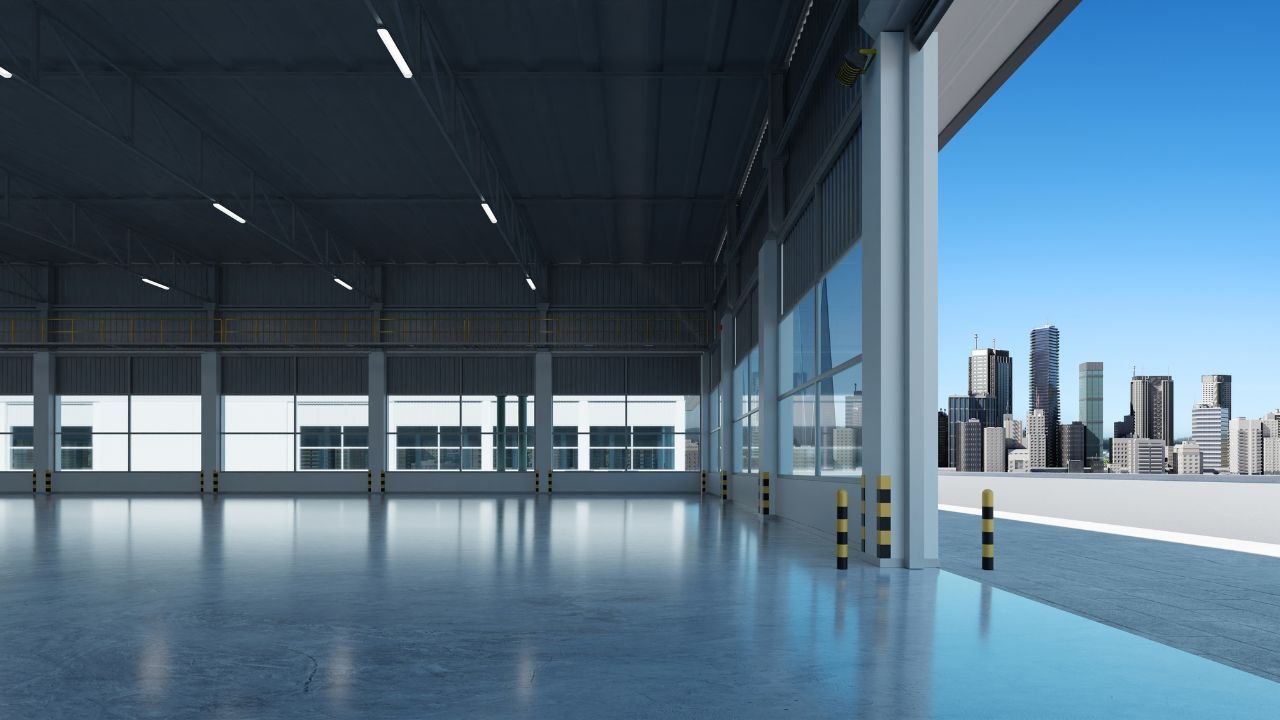
It’s a coincidence that we find ourselves discussing chemical-resistant concrete floors right after a recent industry event focused on safety and compliance. These floors are critical in protecting our workspaces from harsh chemicals, but there’s more to their effectiveness than meets the eye. As we explore the benefits and considerations of these surfaces, you might be surprised by what we uncover about their impact on operational efficiency and long-term costs.
When we think about concrete, it’s easy to overlook its vulnerability to chemicals. Many may assume concrete is tough enough to withstand anything, but that’s not always the case. Certain substances can penetrate and degrade it over time, leading to cracks and structural issues. We should recognize that factors like pH levels, temperature, and exposure duration play significant roles in how concrete reacts to different chemicals.
To protect our concrete floors, it’s essential to understand the types of chemicals they might encounter. Acids, solvents, and even some cleaning agents can create serious problems if we don’t take precautions. By choosing the right mix and additives, we can enhance the concrete’s resistance to these harmful substances. Ultimately, being informed about chemical resistance helps us make better decisions when it comes to flooring solutions, ensuring our spaces remain safe and durable for years to come.
While we often focus on machinery and equipment in industrial settings, the flooring beneath them plays an essential role in overall safety and efficiency. Durable flooring isn’t just a surface; it’s the foundation that supports our operations. When we invest in high-quality, chemical-resistant flooring, we’re safeguarding against spills, wear, and tear that can lead to costly repairs or accidents.
Strong flooring minimizes the risk of slips and falls, which keeps our teams safe and productive. Additionally, durable surfaces are easier to clean and maintain, enhancing hygiene in environments where cleanliness is critical.
Moreover, resilient flooring can withstand heavy loads and constant foot traffic, ensuring longevity. By prioritizing durable flooring, we’re not only protecting our investments but also creating a safer and more efficient workspace for everyone. Let’s remember that the right flooring choice can greatly impact our operations and overall success.
In industrial environments, understanding the common chemicals that can affect flooring is essential for maintaining its integrity and longevity. When we are aware of what we’re up against, we can take proactive measures to protect our floors. Here are three common culprits:
Choosing chemical-resistant concrete floors offers numerous advantages that can greatly enhance our industrial spaces. First and foremost, these floors are designed to withstand harsh chemicals, preventing damage and degradation over time. This durability means we won’t have to worry as much about costly repairs or replacements.
Additionally, chemical-resistant floors are easy to clean, allowing us to maintain a safe and hygienic environment with minimal effort. Their smooth surfaces also reduce the risk of slips and falls, promoting workplace safety.
Moreover, these floors can improve the overall aesthetics of our facilities. With various colors and finishes available, we can create a professional and appealing look.
Lastly, investing in chemical-resistant concrete floors contributes to sustainability, as they often require fewer resources for upkeep compared to traditional flooring options. To sum up, these benefits make chemical-resistant concrete floors an ideal choice for our industrial needs.
Investing in chemical-resistant concrete floors not only enhances our facilities but also proves to be a cost-effective choice in the long run. By choosing these durable floors, we’re making a smart financial decision that can save us money over time. Here’s why:
Ultimately, opting for chemical-resistant concrete floors is not just about initial investment; it’s about enhancing our bottom line while maintaining a safe, efficient environment for everyone involved.
When we commence the installation of chemical-resistant concrete floors, it’s essential to follow a systematic approach to guarantee ideal results. First, we prepare the surface by cleaning and removing any debris, ensuring a solid foundation. Next, we assess the existing concrete for cracks or damage, addressing these issues to enhance durability.
Once the surface is ready, we apply a primer suited for chemical resistance, allowing it to cure fully. After that, we mix the chemical-resistant concrete, paying close attention to the manufacturer’s specifications for peak performance. We then spread the mixture evenly, using tools like trowels or power screeds to achieve a smooth finish.
Finally, we allow the concrete to cure adequately, keeping the environment controlled to prevent premature drying. By following these steps, we can guarantee a robust, long-lasting floor that withstands harsh chemicals and heavy use, meeting the needs of your space effectively.
Although maintaining chemical-resistant concrete floors might seem challenging, it’s essential for guaranteeing their longevity and performance. By following a few simple tips, we can keep these floors looking great and functioning well.
Regular Cleaning: We should sweep and mop the floors regularly to prevent dirt and chemical buildup. This keeps our floors looking pristine and helps avoid surface damage.
Immediate Spill Management: When spills occur, we need to address them right away. Prompt cleanup prevents staining and guarantees the integrity of the floor.
Periodic Inspections: Conducting regular inspections helps us identify any signs of wear or damage early on. This proactive approach allows us to address issues before they become major problems.
While many flooring options are available, we often find that chemical-resistant concrete stands out for its durability and practicality in demanding environments. Unlike traditional flooring materials like vinyl or carpet, which can deteriorate quickly when exposed to harsh chemicals, chemical-resistant concrete offers exceptional resilience.
When we compare it to tile or epoxy coatings, we notice that while those options can be aesthetically pleasing, they often require more maintenance over time. Chemical-resistant concrete, on the other hand, is designed to withstand spills and stains, making it a low-maintenance choice.
Additionally, it’s important to evaluate the lifespan of these materials. Chemical-resistant concrete can last for decades, whereas other flooring options may need replacement or resurfacing much sooner. Overall, for industries dealing with chemicals and heavy foot traffic, choosing chemical-resistant concrete is a smart investment that provides long-term benefits without compromising on performance.
When we think about real-world applications of chemical-resistant concrete, several key industries come to mind. These floors are essential in industrial manufacturing facilities, food processing plants, and chemical storage areas where durability and safety are paramount. Let’s explore how this innovative flooring solution meets the specific needs of these environments.
In industrial manufacturing facilities, where safety and durability are paramount, chemical-resistant concrete floors play an essential role in protecting both the workspace and the workforce. These floors withstand harsh chemicals and heavy machinery, ensuring that operations run smoothly without compromising safety. Here are three key benefits we can all appreciate:
As we explore food processing plants, it’s clear that chemical-resistant concrete floors are essential for maintaining safety and efficiency. These facilities face constant exposure to various chemicals, spills, and heavy machinery. Without durable flooring, we risk contamination and unsafe work environments. Chemical-resistant concrete can withstand harsh cleaning agents and frequent washdowns, making it ideal for maintaining hygiene standards.
Additionally, these floors provide a slip-resistant surface, reducing the likelihood of accidents. By investing in chemical-resistant concrete, we’re not just protecting our workers; we’re also ensuring compliance with health regulations. In a sector where cleanliness is paramount, choosing the right flooring solution is vital. Together, let’s prioritize safety and efficiency in food processing plants with this innovative flooring option.
While we might not always think about it, the flooring in chemical storage areas plays an essential role in safety and compliance. Choosing chemical-resistant concrete guarantees that we’re protecting our employees and the environment. It provides a durable surface that can withstand spills, leaks, and harsh chemicals. Here are three key benefits we can’t overlook:
To enhance the visual appeal of our spaces, we can consider using chemical-resistant concrete finishes that not only protect but also elevate the overall aesthetic. These finishes come in various colors and textures, allowing us to customize the look of our floors to match our vision. Whether we prefer a sleek, modern appearance or a more rustic feel, we can achieve it with the right finish.
Moreover, these finishes can mimic natural materials like stone or wood, giving us the beauty of those materials without the maintenance challenges. With options like polished surfaces or decorative coatings, we can create a unique look that stands out.
Understanding the environmental impact of chemical-resistant flooring is essential, especially since our choices can greatly affect sustainability. By selecting the right materials and approaches, we can minimize negative effects on our planet. Here are three key considerations we should keep in mind:
How do we guarantee we select the best chemical-resistant flooring solution for our needs? First, we need to assess the specific chemicals our flooring will encounter. Different substances can affect various materials differently, so knowing the types of chemicals helps us narrow our options. Next, we should consider the environment where the flooring will be installed. Factors like temperature fluctuations, humidity, and foot traffic play an essential role in determining the right material.
Additionally, we must evaluate the maintenance requirements of each option. Some solutions might need more upkeep than others, impacting our long-term satisfaction. Budget is another important factor; we should find a balance between cost and quality, ensuring we invest wisely without compromising safety.
Finally, consulting with experts can provide valuable insights into the best products for our unique situation, making the decision process smoother and more informed.
We often hear misconceptions about concrete flooring that can lead to confusion. Let’s set the record straight on durability, clarify maintenance requirements, and break down cost comparisons. Understanding these aspects will help us appreciate the true value of chemical-resistant concrete floors.
While many believe concrete flooring is prone to cracking and damage, these misconceptions often stem from a lack of understanding about modern advancements in concrete technology. Today’s concrete floors are designed to withstand the rigors of daily use, making them a durable option for various environments.
Here are three facts that may surprise you:
Although many people think concrete floors require constant upkeep, the truth is that maintaining them is simpler than it seems. Regular cleaning is often all we need to keep them looking great. A quick sweep or mop with mild detergent can remove dirt and stains. We don’t need to worry about waxing or polishing like with other flooring types.
It’s also essential to address spills promptly, especially with chemicals, but our chemical-resistant floors make this easier. Periodic inspections for cracks or wear can help us catch minor issues before they escalate. Overall, a little routine care goes a long way, ensuring our concrete floors remain functional and visually appealing for years to come!
When comparing costs, many people mistakenly view concrete flooring as a more expensive option than it really is. In reality, the long-term benefits often outweigh the initial investment. Here’s why we believe concrete flooring is a smart choice:
As we explore case studies highlighting the success of chemical-resistant concrete floors, it’s clear that these surfaces have transformed various industries. For instance, in a manufacturing facility, a chemical spill once led to costly downtime and extensive repairs. After installing chemical-resistant flooring, the same facility experienced a significant reduction in maintenance issues, allowing operations to continue smoothly even during spills.
In the food processing sector, another success story emerged when a plant switched to chemical-resistant concrete. This flooring not only met health regulations but also simplified cleaning processes, enhancing overall sanitation.
Lastly, a pharmaceutical company found that these floors improved their production environment, minimizing contamination risks while boosting employee safety.
These examples showcase how investing in chemical-resistant concrete floors can lead to long-term benefits, including reduced maintenance costs, improved safety, and enhanced operational efficiency across various industries.
Building on the success stories we’ve seen in various industries, we can anticipate exciting advancements in chemical-resistant flooring technology. As we look to the future, three key trends stand out:
Eco-Friendly Materials: We’re witnessing a shift toward sustainable, non-toxic materials that not only enhance durability but also prioritize environmental health.
Smart Technologies: Innovations like embedded sensors will soon allow us to monitor the condition of our floors in real-time, providing data that enhances maintenance and extends lifespan.
Customizable Solutions: As industries diversify, we’ll see more tailored flooring options that meet specific chemical resistance needs, ensuring safety and compliance.
Together, these trends promise to revolutionize our approach to chemical-resistant flooring, making it safer and more efficient. We’re excited to explore these advancements, knowing they’ll enhance performance and protect our investments in the long run.
Chemical-resistant concrete flooring can last anywhere from 10 to 30 years, depending on factors like usage, maintenance, and the specific chemicals it encounters. We’ve seen it hold up well in various environments when properly installed and cared for. Regular cleaning and maintenance can extend its lifespan considerably. If we choose the right materials and practices, we can guarantee our flooring remains durable and effective for many years to come.
Yes, we can install chemical-resistant flooring outdoors! It’s designed to withstand various environmental factors while protecting against chemicals. However, we must consider the specific climate, as extreme temperatures and moisture can affect its performance. Proper installation and maintenance are key to ensuring longevity. If we choose the right materials and techniques, outdoor chemical-resistant flooring can serve us well, providing durability and protection for our outdoor spaces.
Absolutely, there are a rainbow of color options for chemical-resistant concrete floors! We can choose from vibrant hues to subtle shades, giving us the freedom to customize our space. Whether we prefer a bold statement or a calming backdrop, the choice is ours. Plus, these colors don’t just look good; they enhance durability and performance too. So, let’s release our creativity and transform our floors into a stunning masterpiece!
The curing time for chemical-resistant concrete typically ranges from 7 to 28 days, depending on various factors like temperature and humidity. We’ve found that the initial set usually occurs within a few hours, but full strength develops gradually over time. It’s crucial to allow adequate curing to guarantee durability and resistance to chemicals. We recommend following specific guidelines for the best results and avoiding heavy traffic until the concrete has fully cured.
Yes, chemical-resistant flooring can be suitable for residential use, especially in areas prone to spills or stains, like garages or workshops. We appreciate its durability and ease of maintenance, which makes it a practical choice for homeowners. It’s important to evaluate the specific materials and finishes available, as some may offer better aesthetics for living spaces. Overall, we think it’s a great option for those seeking a resilient flooring solution.
 Call Now