
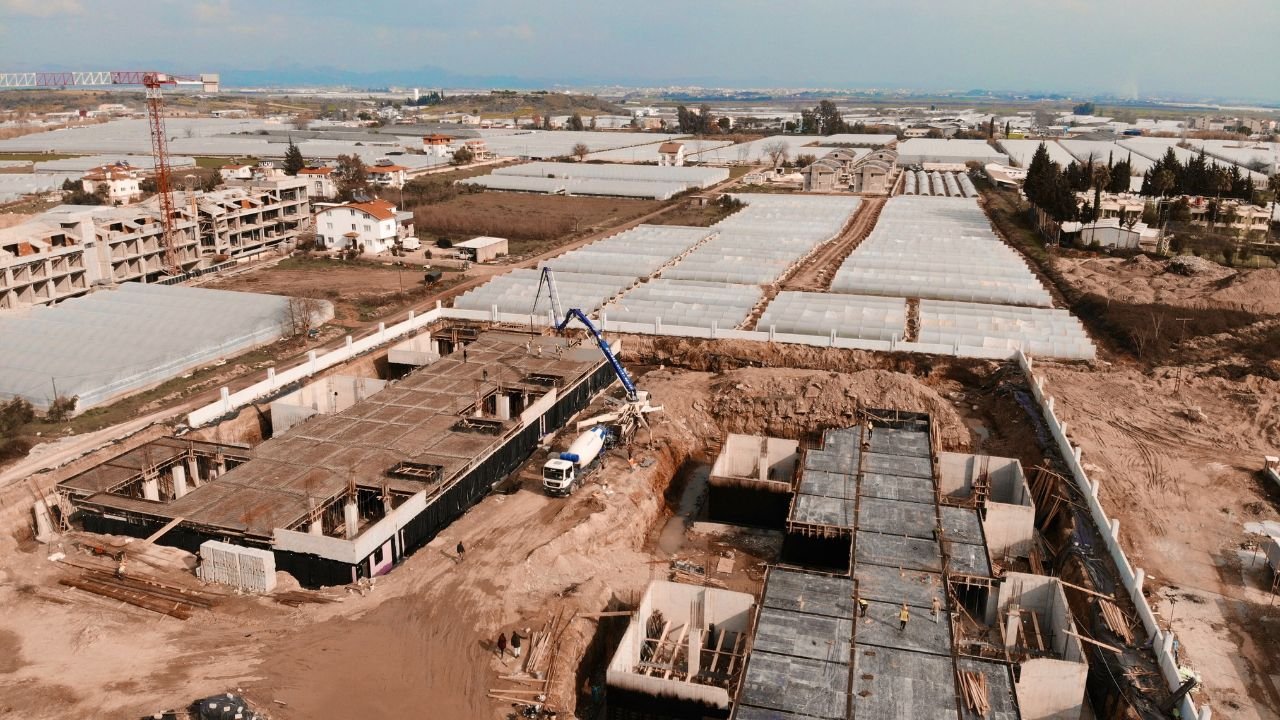
When it comes to construction in Florida, understanding deep foundation systems is essential. With our sandy soils and underlying limestone bedrock, we face unique challenges that require specialized solutions. The Heavy-Duty Concrete Squad has honed our techniques to guarantee stability and resilience in every project. Let’s explore the different types of deep foundations and how our expertise can address these challenges effectively. You might be surprised by what we can achieve together.
When we think about the stability of structures, understanding deep foundation systems becomes essential. These systems play a critical role in transferring loads from the building down to the deeper, more stable soil layers. By anchoring foundations deep into the ground, we guarantee that our structures can withstand various forces, including heavy loads and environmental stresses.
We often use various types of deep foundations, like piles and drilled shafts, to address specific site conditions. Each type has its own advantages, depending on factors like soil composition, water table levels, and the overall weight of the building. By choosing the right deep foundation system, we enhance the safety and longevity of our structures.
In our construction projects, we must prioritize understanding these systems. This knowledge equips us to make informed decisions, guaranteeing our buildings are stable, secure, and resilient for years to come.
As we explore the unique challenges of construction in Florida, it’s clear that deep foundations play an essential role in ensuring structural integrity. The state’s diverse soil conditions and high water table require reliable support for buildings. Here’s why deep foundations are vital for our construction projects:
Now that we recognize the importance of deep foundations, let’s explore the various types available. We’ll look at pile foundations, the benefits of drilled shafts, and the applications of caissons. Each system has its unique advantages, and we’re excited to share these insights with you.
Pile foundations are a critical component of deep foundation systems, and they come in various types to suit different soil conditions and load requirements. Understanding these types helps us choose the right solution for our projects. Here are a few common types we often consider:
Each type has its unique benefits and applications, allowing us to effectively transfer loads from structures to deeper, more stable soil layers. By selecting the right pile foundation, we guarantee the stability and longevity of our constructions.
When it comes to deep foundation systems, drilled shafts offer a range of benefits that make them an appealing choice for many projects. First, they provide excellent load-bearing capacity, which is vital for supporting heavy structures. Their versatility allows us to adapt them to various soil conditions, ensuring stability and safety. Additionally, drilled shafts can be installed with minimal vibration and noise, reducing disruptions to the surrounding environment. This makes them ideal for urban sites where maintaining a peaceful atmosphere is imperative. Furthermore, their ability to reach greater depths allows us to bypass weak soil layers, enhancing overall foundation reliability. By choosing drilled shafts, we’re investing in a robust solution that meets both structural and environmental needs.
As we explore the various types of deep foundation systems, caissons stand out for their unique applications and advantages. These robust structures are essential in situations where soil conditions pose challenges. Here are some common uses for caissons:
In the domain of deep foundation systems, pile foundations stand out as a critical solution for transferring loads through weak soil layers to more stable strata below. They’re typically long, slender columns made from materials like concrete or steel, designed to bear the weight of structures.
Here’s a quick look at some key features of pile foundations:
| Feature | Description |
|---|---|
| Load Capacity | High, suitable for heavy structures |
| Installation Methods | Driven, bored, or jacked-in |
| Soil Conditions | Effective in various soil types |
Drilled shafts, often referred to as caissons, provide an effective means of supporting heavy loads while minimizing disturbance to the surrounding soil. Their unique design and installation process offer several advantages that make them an excellent choice for deep foundations.
Here are some key features and benefits of drilled shafts:
Now, let’s explore caisson foundations and their essential role in construction. We’ll cover what they are, how they’re installed, and the benefits they offer. Understanding these points will help us appreciate why caisson foundations are a popular choice for heavy-duty projects.
Caisson foundations serve as robust solutions for structures requiring deep support in challenging soil conditions. They’re designed to transfer loads through weak soil layers to more stable strata below. By providing a solid base, they enhance the safety and longevity of buildings and infrastructure. Here’s why we find them essential:
Understanding caisson foundations helps us appreciate their critical role in modern construction and their ability to support structures in demanding conditions.
Before we explore the installation process of caisson foundations, it’s important to understand that this method involves several key steps that guarantee their effectiveness and stability. First, we begin by drilling into the ground to reach the required depth. Next, we install reinforcing steel to enhance strength. Then, we pour concrete into the drilled hole, making sure we create a solid bond with the surrounding soil. Finally, we allow the concrete to cure properly before any load is applied. Below is a summary of these steps:
| Step | Action | Purpose |
|---|---|---|
| Drilling | Create deep holes | Reach stable soil layers |
| Reinforcing | Add steel reinforcement | Increase structural strength |
| Pouring | Fill holes with concrete | Establish a firm foundation |
| Curing | Allow concrete to set | Ensure durability |
One of the standout benefits of caisson foundations is their exceptional load-bearing capacity, making them ideal for heavy-duty structures. When we choose caisson foundations, we’re investing in durability and stability, which is essential for our projects. Here are some key advantages we should consider:
How do soil conditions in Florida influence the design and implementation of deep foundation systems? We need to understand that Florida’s unique soil landscape, primarily characterized by sandy soils and limestone bedrock, plays a significant role in our foundation planning. The sandy soils, while providing decent drainage, can also lead to issues like erosion and instability, especially during heavy rains. This means we often have to dig deeper to reach more stable layers or utilize specialized methods to guarantee our foundations are secure.
Moreover, the presence of limestone can present both challenges and advantages. While it offers excellent load-bearing capacity, its variable depth can complicate excavation. Knowing these conditions helps us choose the right type of deep foundation system, assuring stability and longevity for our structures. Ultimately, understanding Florida’s soil conditions allows us to design foundations that can withstand the state’s unique challenges.
Understanding Florida’s soil conditions sets the stage for exploring load transfer mechanisms in deep foundations. These mechanisms guarantee that structures remain stable and secure, especially in the diverse soil profiles we encounter. Let’s break down the key ways load is transferred:
As we explore the complexities of deep foundation systems, it’s crucial to recognize the pivotal role geotechnical engineers play in ensuring structural integrity. These professionals are our first line of defense in evaluating soil conditions, evaluating load-bearing capacities, and identifying potential risks. They conduct site investigations, performing tests that inform our design decisions and construction methods.
Geotechnical engineers help us understand the unique characteristics of the soil and rock layers beneath a project site. With their expertise, we can select the most appropriate deep foundation solutions, whether it’s piles, caissons, or drilled shafts. They also provide critical recommendations on materials and construction practices, ensuring our foundations withstand environmental pressures and loads over time.
Now that we’ve covered the importance of geotechnical engineers, let’s explore the construction techniques for deep foundations. We’ll look at pile driving methods and drilled shaft installations, two essential approaches that guarantee stability and strength. Understanding these techniques will help us appreciate the complexity of building robust foundations.
When it comes to deep foundations, pile driving methods stand out as essential techniques that guarantee structural stability. These methods allow us to transfer loads deep into the ground, ensuring safety and durability for various structures. Here are some common pile driving methods we often utilize:
Drilled shaft installations are a crucial technique in deep foundation construction, providing exceptional load-bearing capacity and stability. These shafts are created by boring a hole into the ground and then filling it with concrete, often reinforced with steel. Unlike traditional piling, drilled shafts allow us to customize their depth and diameter based on specific soil conditions and load requirements.
We carefully monitor the drilling process to guarantee we reach the desired depth, which helps maximize load-bearing potential. Once the hole is excavated, we pour concrete, forming a robust foundation that can withstand significant forces. This method not only enhances structural integrity but also minimizes vibrations and noise during installation, making it a preferred choice for urban environments.
As we explore the domain of deep foundation technology, it’s clear that recent innovations are reshaping how we approach heavy-duty concrete applications. These advancements not only enhance efficiency but also improve the structural integrity of our projects. Here are a few significant innovations:
While we focus on advancements in deep foundation systems, it’s important to evaluate the environmental impact of our choices. The materials we select, like concrete and steel, can greatly affect our carbon footprint. By opting for recycled or sustainable materials, we can help reduce resource depletion and lower emissions.
Additionally, we must consider the effects of our construction methods on local ecosystems. Techniques that minimize soil disturbance and water pollution are essential. We should also evaluate the noise and vibration generated during installation, as these can disrupt nearby communities and wildlife.
Finally, it’s critical to engage with local stakeholders throughout the project. Their insights can guide us in making environmentally responsible decisions that benefit both the project and the community. By prioritizing these considerations, we can make sure that our deep foundation systems not only support structures but also contribute to a healthier planet.
When we tackle deep foundation projects, we often face significant challenges, particularly with soil conditions. These varying conditions can greatly affect our plans and the stability of the structure. Additionally, equipment limitations can complicate our efforts, making it essential for us to adapt quickly and effectively.
Soil conditions greatly influence the success of deep foundation projects, presenting both challenges and opportunities for engineers. We need to assess various soil types and their characteristics to guarantee stability and safety. Here are some factors we often consider:
As we explore deep foundation projects, we often encounter equipment limitations that can greatly affect our operations. One common challenge is the size and weight of our machinery. Sometimes, the heavy-duty equipment we rely on can’t access tight job sites or navigate uneven terrain. We’re also limited by the lifting capacities of our cranes and equipment, which can restrict the depth and weight of the materials we use. Additionally, weather conditions can lead to equipment malfunction or downtime, impacting our project timelines. Finally, the availability of specialized tools can vary, making it challenging to maintain efficiency. By acknowledging these limitations, we can develop strategies to adapt and overcome them, ensuring successful deep foundation installations.
While deep foundation systems might seem complex, numerous successful projects demonstrate their effectiveness and reliability. We’ve seen firsthand how these systems can transform challenging sites into solid foundations for impressive structures. Here are a few standout case studies that highlight their success:
These projects not only showcase the versatility of deep foundations but also reinforce our confidence in their ability to handle diverse challenges. By learning from these cases, we can better appreciate the critical role deep foundations play in construction.
When tackling deep foundation projects, our Heavy-Duty Concrete Squad brings unparalleled expertise to the table. We recognize that a solid foundation is essential for any structure, especially in Florida’s unique soil conditions. Our team has extensive experience with various deep foundation systems, including piles and drilled shafts, ensuring that we choose the right solution for each project.
We utilize state-of-the-art equipment and techniques, allowing us to deliver precise and durable foundations that meet industry standards. Our collaborative approach means we work closely with architects, engineers, and contractors, ensuring that everyone is aligned throughout the process.
We’re committed to safety and efficiency, minimizing disruptions while maximizing the project’s success. By relying on our expertise, you can trust that your deep foundation will stand the test of time, providing the stability your structure needs. Let’s build something strong together!
Typically, a deep foundation system can last anywhere from 50 to 100 years, depending on factors like soil conditions and maintenance. We’ve seen that proper installation and regular inspections can greatly extend their lifespan. While they’re designed to withstand substantial loads, environmental factors can affect durability. It’s essential to monitor any signs of wear or damage, ensuring that these foundations continue to perform effectively throughout their intended lifespan.
To choose the right deep foundation contractor, we start by envisioning sturdy pillars rising from the ground, supporting our dreams. We research local contractors, checking their experience and reviews. We ask for references and examine past projects, ensuring they’ve tackled challenges similar to ours. We also seek detailed estimates and open communication, fostering trust. By following these steps, we can confidently select a contractor who’ll lay the foundation for our success.
In Florida, we need several permits for deep foundation construction. Typically, we’ll require a building permit, environmental permits if we’re near protected areas, and possibly soil testing permits. Each county may have specific regulations, so it’s crucial to check with local authorities. We should also consider any additional permits for utility work if we’re near existing infrastructure. Staying informed helps us guarantee our project runs smoothly and complies with all regulations.
When it comes to property insurance rates, deep foundations can really tip the scales. Generally, they enhance structural stability, which insurers often view favorably. This can lead to lower premiums since the risk of damage decreases considerably. However, it’s also essential to take into account location and local regulations, as these factors can play a big role too. So, let’s keep our eyes on the details to guarantee we’re making the best choices for our properties.
Yes, we can retrofit deep foundations for existing structures! This process involves evaluating the current foundation and determining the best methods to enhance stability and load-bearing capacity. Techniques like underpinning or adding piers can effectively strengthen the foundation. It’s crucial to work with experienced professionals to guarantee the retrofit meets safety standards and building codes. By doing this, we can help extend the life and value of the property.
 Call Now