
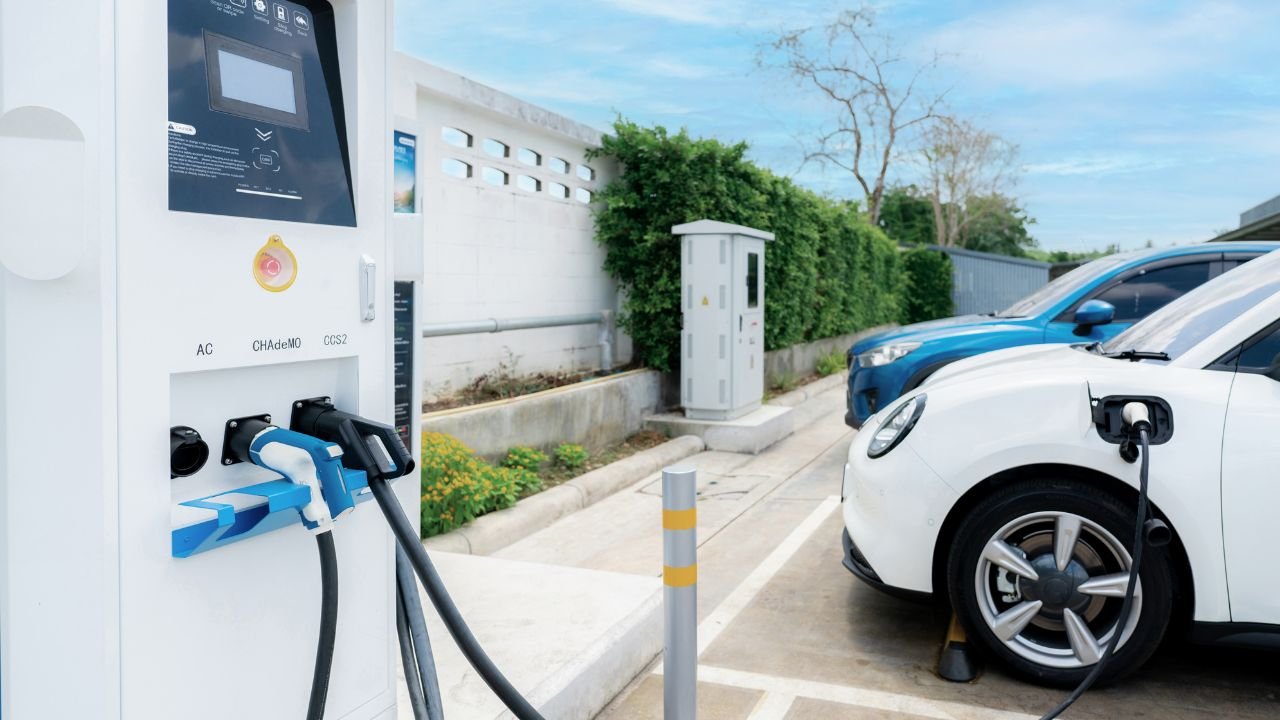
As electric vehicles continue to gain traction in Florida, the need for reliable charging infrastructure becomes more pressing. We, the Future-Ready Concrete Squad, recognize that the foundations of these charging stations play a vital role in their effectiveness. By leveraging innovative concrete solutions, we’re addressing both durability and environmental sustainability. But how exactly are we transforming the landscape of EV charging? Let’s explore the details that could shape our transportation future.
The surge in electric vehicles (EVs) is transforming Florida’s roads and our approach to transportation. We’re witnessing a remarkable shift as more of us embrace EVs, driven by environmental concerns and the desire for cost-effective mobility. With advancements in battery technology and growing awareness of climate change, it’s clear that these vehicles are not just a trend—they’re a sustainable solution for our future.
As Floridians, we’re excited to see more models available, catering to various needs and lifestyles. Whether we’re commuting to work or taking a family road trip, EVs offer a practical option that reduces our carbon footprint. The convenience of home charging and the potential for lower maintenance costs make them even more appealing. Together, we’re stepping into a new era of transportation that prioritizes efficiency and sustainability, paving the way for cleaner air and a healthier planet for generations to come.
As we embrace the rise of electric vehicles, we can’t overlook the essential role of charging infrastructure. It not only supports growing EV adoption but also brings significant economic benefits and helps reduce our environmental impact. Together, we can pave the way for a sustainable future through accessible charging solutions.
While we embrace the shift towards electric vehicles (EVs), the importance of a robust charging infrastructure becomes increasingly clear. To support this growing adoption, we need to focus on several key aspects:
Investing in a robust electric vehicle charging infrastructure not only supports the environment but also drives significant economic benefits. By expanding charging stations, we create new jobs in installation, maintenance, and operation, boosting local economies. Furthermore, increased EV adoption encourages technological innovation, attracting businesses looking to capitalize on the growing market.
When consumers see accessible charging options, they’re more likely to choose electric vehicles, leading to higher sales and greater demand for related services. Additionally, a well-developed charging network can attract tourism, as travelers seek convenient charging locations during their journeys. Ultimately, a solid charging infrastructure not only meets current needs but also lays the groundwork for sustainable economic growth in our communities. Let’s embrace this opportunity together.
The importance of an extensive electric vehicle charging infrastructure becomes clear when we consider its significant environmental impact. By expanding charging stations, we can foster a cleaner, greener future. Here are a few key benefits we can all appreciate:
As we look toward a sustainable future, the Future-Ready Concrete Squad emerges as a key player in the evolution of electric vehicle charging infrastructure. Our mission focuses on developing concrete solutions that are not only durable and efficient but also environmentally responsible. We recognize that the demand for electric vehicle charging stations is rising rapidly, and we’re committed to ensuring that the foundations we create can support this growth.
By leveraging innovative techniques and materials, we address the unique challenges posed by the installation of charging stations. Our approach emphasizes both strength and sustainability, ensuring that our concrete solutions can withstand the demands of everyday use while minimizing environmental impact.
We believe that a reliable foundation is essential for the success of electric vehicle infrastructure, and we’re excited to collaborate with stakeholders in this important initiative. Together, we’re paving the way for a cleaner and more connected future.
While we endeavor to enhance electric vehicle charging infrastructure, innovative concrete solutions play an essential role in meeting the unique demands of these installations. We need to guarantee durability, efficiency, and safety, and here’s how innovative concrete technology helps us achieve that:
As we explore sustainability practices in concrete production, we should consider how eco-friendly materials can greatly reduce our environmental impact. By adopting energy-efficient production methods, we can not only enhance the durability of concrete but also minimize carbon emissions. Together, we can pave the way for a greener future in construction.
When we consider the environmental impact of building materials, it’s clear that utilizing eco-friendly materials in concrete production is essential for a sustainable future. By focusing on green alternatives, we can greatly reduce our carbon footprint. Here are four eco-friendly materials that we can incorporate into concrete:
To achieve a truly sustainable future in concrete production, we must embrace energy-efficient methods that greatly reduce our energy consumption and environmental impact. By optimizing our manufacturing processes, we can considerably lower greenhouse gas emissions. Techniques like using waste heat recovery systems allow us to harness energy that would otherwise be lost, while employing alternative fuels can further decrease our carbon footprint.
Additionally, integrating innovative technologies, such as smart sensors, helps us monitor energy usage in real-time, enabling us to make adjustments and conserve resources more effectively. As we adopt these strategies, we not only enhance the sustainability of concrete production but also contribute to a greener future for electric vehicle charging stations and beyond. Together, we can drive meaningful change.
While we embrace the shift toward electric vehicles, enhancing the durability of charging station foundations becomes essential for long-term reliability. To guarantee these foundations stand the test of time, we should focus on a few key factors:
As we explore the future of electric vehicle infrastructure, integrating smart technology into charging stations presents an exciting opportunity to enhance user experience and operational efficiency. By incorporating features like real-time monitoring, we can guarantee that stations are always operational and ready for use. Imagine receiving notifications on your smartphone about charging status or availability, making our charging experience seamless and convenient.
Moreover, smart charging stations can optimize energy usage, adjusting power levels based on demand or time of day. This not only helps users save on costs but also supports grid stability. With payment integration through mobile apps, transactions become quicker and more straightforward, reducing wait times.
Additionally, data analytics can provide valuable insights into usage patterns, enabling better planning and resource allocation. Together, these advancements can transform how we interact with charging stations, paving the way for a more efficient and user-friendly electric vehicle ecosystem.
When we think about planning and designing electric vehicle charging stations, we must consider key factors like site selection, infrastructure needs, and potential for future expansion. These elements play a vital role in ensuring that our charging stations meet current demands and adapt to future growth. Let’s explore how each of these points can shape our approach.
Choosing the right site for electric vehicle charging stations is essential for maximizing accessibility and efficiency. To guarantee we make informed decisions, let’s consider these key criteria:
To guarantee our electric vehicle charging stations are both functional and user-friendly, we need to take into account various infrastructure requirements during the planning and design phases. First, we should assess the electrical capacity available at each site to verify it can support the expected charging demand. Next, we need to contemplate the layout and accessibility of the stations, ensuring they’re easy to reach and use for all drivers. Adequate signage and lighting are also essential for safety and visibility. Additionally, we must think about the integration of payment systems and user interfaces that are straightforward and efficient. By addressing these infrastructure elements, we can create a seamless charging experience that encourages more drivers to choose electric vehicles.
As we establish the infrastructure for our electric vehicle charging stations, it’s crucial to take into account future expansion potential in our planning and design. By doing so, we guarantee our stations can grow alongside the increasing demand for electric vehicles. Here are four key considerations:
While selecting the ideal site for charging stations, we must consider several vital factors that influence accessibility and usage. First, we need to focus on high-traffic areas where drivers naturally stop, such as shopping centers, restaurants, and public parking lots. These locations not only attract electric vehicle (EV) owners but also encourage longer charging times.
Next, proximity to major highways is essential. By placing stations near interstates, we can support long-distance travel, making EVs more appealing. We should also evaluate existing electrical infrastructure, ensuring it can handle the additional load without major upgrades.
Finally, visibility plays a significant role. Charging stations should be easy to locate and well-marked, so drivers can find them effortlessly. By considering these factors, we can strategically position charging stations to meet the growing demand for EV infrastructure and enhance the overall user experience.
Selecting ideal sites for electric vehicle charging stations lays the groundwork for successful collaboration with local governments and agencies. By partnering effectively, we can streamline the process and guarantee our charging stations meet community needs. Here are four key steps we can take together:
To effectively foster the adoption of electric vehicles (EVs), we must prioritize community engagement and education. By actively involving our community, we can dispel myths, share knowledge, and encourage participation in the shift to cleaner transportation.
Here’s a quick overview of our engagement strategies:
| Strategy | Description | Benefits |
|---|---|---|
| Workshops | Interactive sessions on EV benefits | Hands-on learning and awareness |
| Online Resources | Accessible information and tutorials | Convenience and easy access |
| Community Events | Local gatherings to showcase EVs | Building community connections |
| School Programs | Educational initiatives for students | Inspiring the next generation |
These initiatives not only help us educate but also create an environment where community members feel informed and empowered to make the switch. Together, we can drive positive change for a sustainable future.
Building on our community engagement and education efforts, we’re excited to outline our future expansion plans for electric vehicle charging networks. We believe these initiatives will greatly enhance accessibility and convenience for all EV users. Here’s what we have in store:
Increased Charging Stations: We plan to install more charging stations across urban and rural areas to guarantee everyone has access.
Fast Charging Options: We’ll introduce fast-charging technology to reduce wait times, making it easier for drivers to recharge on-the-go.
Partnerships with Local Businesses: We aim to collaborate with local businesses to host charging stations, creating a win-win for both EV users and merchants.
Community Feedback Initiatives: We’ll continue to seek input from the community to refine our plans, making sure they meet the needs of residents and visitors alike.
Together, we’re paving the way for a greener future!
As we explore the challenges in implementing electric vehicle charging stations, we need to take into account several key factors. From site selection to ensuring infrastructure compatibility and steering through regulatory compliance, each aspect plays an essential role in our success. Let’s engage in a conversation about how we can tackle these issues together.
Selecting the right site for electric vehicle charging stations involves several essential considerations that can considerably impact their effectiveness and accessibility. To guarantee we choose wisely, we should focus on the following factors:
While we aim to expand electric vehicle charging infrastructure, we often encounter compatibility challenges that can hinder our efforts. Different charging standards and equipment can lead to confusion and inefficiencies. We need to address these issues to guarantee a seamless user experience.
Here’s a quick overview of common compatibility challenges:
| Challenge | Impact | Solution |
|---|---|---|
| Varying connector types | Incompatible with certain vehicles | Standardization of connectors |
| Voltage differences | Slower charging times | Unified voltage specifications |
| Software integration | User interface inconsistencies | Development of universal apps |
Maneuvering the regulatory landscape for electric vehicle charging stations can be challenging, especially since we must comply with various local, state, and federal standards. Understanding these requirements is vital for a successful installation. Here are some key compliance factors we need to take into account:
As we embrace the shift towards electric vehicles, the establishment of charging stations can considerably bolster local economies and create new job opportunities. These stations require a variety of skilled workers for their installation and maintenance, fostering demand in construction, electrical work, and technical support roles.
Moreover, having charging stations in our communities encourages electric vehicle adoption, leading to increased foot traffic and business for local shops and restaurants. As more drivers seek convenient charging options, we’ll see a boost in local spending, which benefits everyone.
Additionally, this infrastructure investment can attract new businesses focused on electric vehicle services, further stimulating economic growth. By creating a supportive ecosystem, we’re not just paving the way for cleaner transportation but also fueling our local economies. Embracing this change positions our communities to thrive in a sustainable future, with ample job opportunities for residents.
Envisioning a sustainable transportation future involves reimagining how we move and connect within our communities. Together, we can create a landscape where electric vehicles (EVs) thrive and contribute to cleaner air and a healthier planet. Here’s how we can make this vision a reality:
Increase Charging Infrastructure: We’ll establish widespread charging stations, ensuring convenient access for all EV users.
Promote Renewable Energy: By powering charging stations with solar or wind energy, we can reduce our carbon footprint greatly.
Encourage Public Transit: Investing in efficient and accessible public transport options will reduce traffic congestion and emissions.
Support EV Adoption: Through incentives and education, we’ll encourage more people to switch to electric vehicles, making sustainable choices easier.
Think of electric vehicles as the new stars in the automotive galaxy. We can charge a variety of models at these stations, including popular brands like Tesla, Nissan Leaf, and Chevy Bolt. Each one connects seamlessly, lighting up the future of transportation. Plus, with the rise of new manufacturers, many hybrids and electric SUVs are joining the lineup. Together, we’re embracing a cleaner, more sustainable way to travel, one charge at a time.
Installing a charging station foundation typically takes us about one to three days, depending on several factors like site preparation and weather conditions. We start by evaluating the location, then pour the concrete, allowing it to cure properly. Once the foundation’s set, we can proceed with the installation of the charging equipment. We aim to make the process efficient, ensuring everything’s done right for a solid, durable foundation.
Yes, there are grants available for EV charging station installations! In fact, as of 2023, over $7 billion has been allocated through various federal and state programs to support this initiative. We can explore options like the Alternative Fuel Infrastructure Grant Program or local incentives. These resources not only help cover costs but also encourage the growth of sustainable transportation. Let’s explore the specifics and find the best fit for your project!
To keep charging station foundations in top shape, we need to regularly inspect for cracks, shifting, or erosion. We should check drainage systems to prevent water accumulation, which can weaken the foundation. It’s also important to clean the area around the stations to avoid debris build-up. By scheduling routine maintenance, we guarantee longevity and safety, making certain the stations are reliable for all users. Let’s stay proactive and keep our stations functioning smoothly!
Yes, existing concrete structures can often be retrofitted for EV charging stations. We can assess the current foundation’s strength and layout to guarantee it meets the necessary requirements. By making adjustments like reinforcing the concrete or adding electrical infrastructure, we can enhance the structure’s capability. It’s essential to consult with professionals experienced in retrofitting to assure safety and efficiency while maximizing the use of the existing space.
 Call Now