
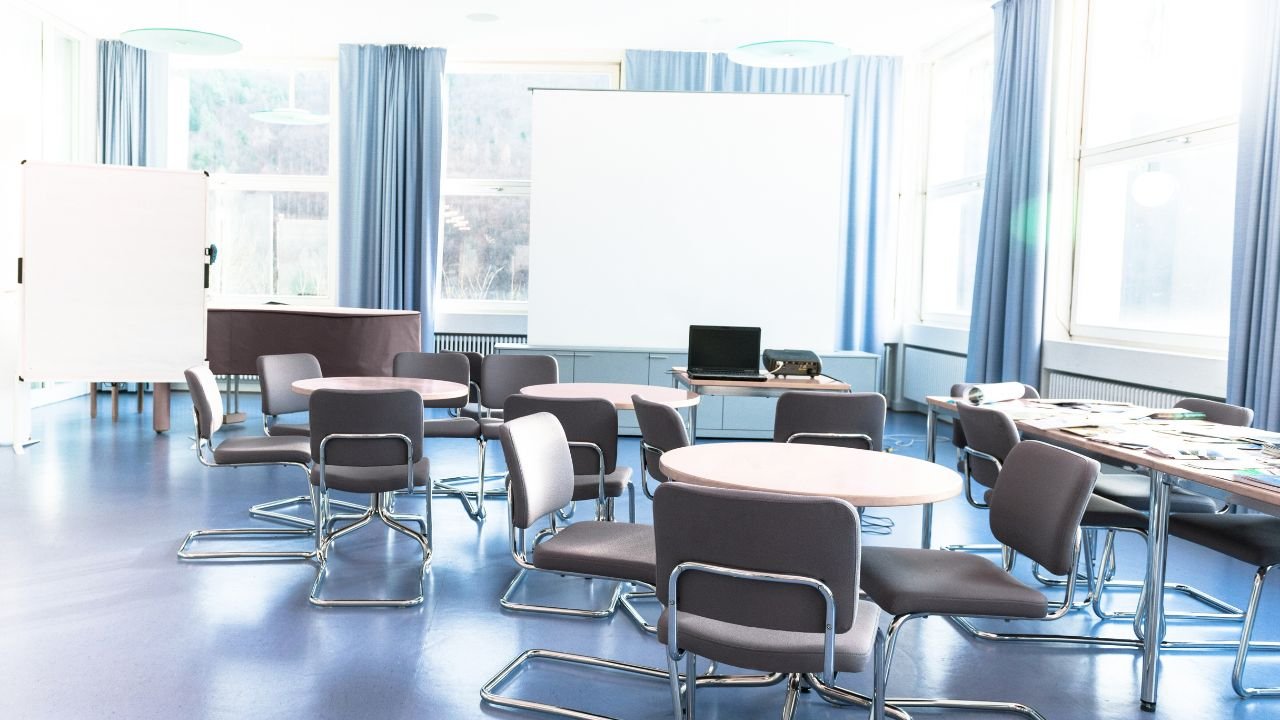
We’ve seen firsthand how a well-designed concrete playground can transform a school’s outdoor space, fostering creativity and collaboration among students. With the right concrete work, we can create safe, durable, and inviting environments that enhance learning. Yet, there are critical aspects to contemplate when undertaking such projects that can greatly impact their success. Let’s explore these factors and how they shape our educational facilities.
When we consider the foundation of any educational facility, quality construction stands out as an essential element that directly impacts students’ learning environments. Strong, durable structures not only support educational activities but also promote safety and comfort. It is understood that when our classrooms and common areas are well-built, they create a positive atmosphere where students can thrive.
Furthermore, quality construction minimizes the need for frequent repairs, allowing resources to be directed toward teaching and learning instead of maintenance. It also enhances energy efficiency, which can lead to cost savings that can benefit educational programs.
We must recognize that investing in quality construction is investing in our future. By prioritizing well-built facilities, we’re ensuring that students have the best possible environment for their education. Together, let’s advocate for high standards in construction, which will ultimately support our students’ success.
Effective concrete work is essential for the longevity and stability of educational facilities, ensuring that our students learn in safe and reliable environments. To achieve this, we focus on several key features. First, we prioritize quality materials, choosing high-strength concrete that withstands wear and tear. Next, we emphasize proper mixing and pouring techniques, ensuring a smooth and even surface, which minimizes future maintenance issues.
We also pay close attention to curing processes, allowing the concrete to achieve maximum strength over time. Reinforcement is another critical aspect; by using steel rebar or fiber, we enhance the structural integrity and reduce the risk of cracking. Additionally, we consider drainage and slope to prevent water accumulation, further protecting the foundation of our facilities.
In our work on educational concrete projects, we need to prioritize safety standards to protect everyone involved. Compliance with regulations and adherence to worker safety protocols are critical to ensuring a secure environment. Let’s explore how we can implement these practices effectively.
Although many aspects of educational facility construction can seem straightforward, compliance with safety standards in concrete projects is essential to guarantee the well-being of students and staff. We must adhere to local, state, and federal regulations, ensuring that all materials and methods used meet established codes. This includes understanding the specifications for concrete strength, durability, and environmental impact. By following these guidelines, we not only protect our investment but also create a safer learning environment. Regular inspections and documentation play a vital role in maintaining compliance, allowing us to address any potential issues proactively. Ultimately, our commitment to safety standards reflects our dedication to fostering an educational facility where students and staff can thrive without concern for their surroundings.
Maintaining compliance with safety regulations isn’t just about meeting codes; it also lays the groundwork for robust worker safety protocols on concrete projects in educational facilities. We’ve got to prioritize training for all crew members, ensuring they understand equipment usage and hazard recognition. Proper personal protective equipment (PPE) is essential, so we always wear hard hats, gloves, and safety glasses on site. Regular safety meetings keep everyone informed about potential risks and reinforce our commitment to a safe work environment. We also conduct routine inspections of tools and machinery to prevent accidents. By fostering open communication, we can address concerns promptly, ensuring that our team remains safe and focused on delivering high-quality work in every project.
As we explore innovative techniques in concrete construction, it’s clear that advancements in materials and methods are transforming our approach to building educational facilities. One exciting development is the use of high-performance concrete, which offers superior durability and strength. This means our structures can withstand the test of time while requiring less maintenance.
Additionally, we’re embracing 3D printing technology to create complex shapes and forms, making construction faster and more efficient. By reducing waste and labor costs, this technique allows us to allocate resources more effectively.
We’re also implementing sustainable practices, like incorporating recycled materials and utilizing energy-efficient curing methods. By focusing on eco-friendly solutions, we’re not only enhancing our buildings but also contributing to a healthier environment for our students.
These innovations are reshaping how we view concrete construction, enabling us to create safer, more resilient, and environmentally conscious educational spaces.
When we think about learning environments, we can’t overlook how visual appeal influences student engagement. Aesthetic elements in educational facilities not only make spaces more inviting but also enhance focus and creativity. Let’s explore how thoughtful design choices can transform a sterile classroom into a vibrant learning hub.
Although we often focus on functionality in educational facilities, the visual appeal of these spaces plays a crucial role in enhancing the learning experience. A well-designed environment not only attracts students but also fosters a sense of belonging and pride. When we incorporate vibrant colors, engaging textures, and thoughtful layouts, we create inviting spaces that stimulate creativity and curiosity. Additionally, aesthetically pleasing environments can reduce stress and promote overall well-being, allowing students to focus better on their studies. By prioritizing visual appeal alongside practicality, we’re not just building classrooms; we’re crafting inspiring atmospheres that encourage exploration and collaboration. Ultimately, investing in aesthetics helps shape a positive educational journey for everyone involved. Let’s recognize and embrace the importance of beauty in our learning environments.
The aesthetics of our learning environments greatly influence student engagement, creating spaces that not only captivate but also inspire. When we design educational facilities, we need to take into account colors, textures, and lighting, as these elements can greatly impact how students feel and interact within a space. For instance, vibrant colors can stimulate creativity, while natural lighting helps maintain focus and well-being. By integrating thoughtful designs, we foster a sense of belonging and encourage collaboration. Engaging spaces motivate students to participate actively in their learning journey. Let’s remember that when we invest in aesthetics, we’re not just enhancing the environment; we’re enhancing the overall educational experience, making it more memorable and effective for everyone involved.
In today’s educational landscape, choosing durable materials is essential for constructing lasting structures that withstand the test of time. By focusing on quality, we guarantee that our educational facilities remain safe, functional, and visually appealing for generations to come.
Here’s a quick comparison of common durable materials used in educational construction:
| Material | Benefits | Lifespan |
|---|---|---|
| Concrete | Strong, low maintenance | 50+ years |
| Steel | High strength, fire-resistant | 50+ years |
| Brick | Aesthetic, good insulation | 100+ years |
| Stone | Natural, weather-resistant | 100+ years |
| Fiber-reinforced | Lightweight, durable | 30+ years |
As we think about enhancing outdoor spaces, we should consider how interactive learning areas and creative play zones can boost student engagement. By integrating sustainable outdoor design, we can create environments that inspire exploration and collaboration. Let’s explore how these elements can transform our educational facilities.
While we may often think of classrooms as the primary spaces for learning, enhancing outdoor areas with interactive learning environments can greatly boost student engagement. These spaces encourage exploration and collaboration, allowing students to learn through hands-on experiences.
Here’s a quick visual representation of ideas for interactive learning areas:
| Feature | Benefit |
|---|---|
| Garden Spaces | Promotes biology and ecology |
| Outdoor Classrooms | Facilitates group discussions |
| Art Installation Areas | Sparks creativity and expression |
Building on the idea of interactive learning areas, creating creative play zones can transform outdoor spaces into vibrant hubs of engagement. These zones inspire imagination and encourage collaborative play, allowing students to explore their creativity. We can design areas featuring unique structures, such as climbing walls, interactive sculptures, and themed play equipment. Incorporating natural elements like gardens and shaded seating areas enhances the overall experience.
To enhance student engagement, we must embrace sustainable outdoor design that harmonizes with the environment. By integrating eco-friendly practices into our outdoor spaces, we create vibrant learning environments that foster creativity and collaboration. Sustainable design not only enriches the aesthetic appeal but also promotes ecological awareness among students.
These elements encourage students to explore, interact, and connect with nature, ultimately enhancing their educational experience. By prioritizing sustainability, we’re investing in both our students’ futures and the health of our planet.
As we consider the role of athletic facilities in educational environments, it’s clear they greatly influence student development. These spaces not only support physical health but also foster social skills and teamwork. When students engage in sports, they build resilience and discipline, which are crucial for success in academics and life.
| Benefit | Description |
|---|---|
| Physical Health | Encourages regular exercise and fitness. |
| Social Skills | Promotes teamwork and communication. |
| Mental Well-being | Reduces stress and boosts confidence. |
| Discipline and Resilience | Teaches goal-setting and perseverance. |
Investing in quality athletic facilities creates opportunities for students to thrive. We see firsthand how these environments can transform students, helping them grow into well-rounded individuals. Prioritizing these spaces is essential for nurturing the next generation.
As we collaborate with educators and administrators, we prioritize understanding their unique educational needs. By incorporating safety standards into our designs, we guarantee that every space is both functional and secure. Together, we can enhance learning environments that truly support student success.
While we might focus on the physical aspects of educational facility concrete work, understanding the unique needs of educators and administrators is essential for successful collaboration. By engaging with them, we can create spaces that truly enhance learning.
Here are some key considerations we should keep in mind:
Incorporating safety standards into our concrete work is essential for creating educational facilities that protect students and staff alike. By collaborating closely with educators and administrators, we make certain that our designs meet their unique safety requirements. We actively engage in discussions about potential hazards, like slip-resistant flooring and reinforced structures, to prevent accidents. Furthermore, we keep up with local building codes and industry best practices, guaranteeing that our projects not only comply with regulations but also exceed expectations. This collaboration helps us foster a secure environment where learning can thrive. By prioritizing safety from the start, we create spaces that promote peace of mind for everyone involved in the educational journey. Together, we can build a safer future for our schools.
To enhance learning spaces effectively, we collaborate closely with educators and administrators to understand their specific needs and aspirations. By working together, we can create environments that foster engagement and support educational goals. Our approach includes:
Through this teamwork, we guarantee that our concrete work meets the unique demands of each educational facility. By aligning our vision with the objectives of educators and administrators, we create inspiring spaces that truly enhance the learning experience for everyone involved.
As we explore sustainable practices in concrete work, it’s essential to recognize the environmental impact our choices can have. We can greatly reduce our carbon footprint by incorporating materials like recycled aggregates and using eco-friendly additives. By selecting local suppliers, we minimize transportation emissions, supporting the community while decreasing our impact on the environment.
Additionally, we can optimize water usage during the mixing process and implement efficient curing methods to guarantee the concrete achieves its strength without excessive waste. Using permeable concrete can also enhance stormwater management, reducing runoff and promoting groundwater recharge.
We should also consider the longevity and durability of our concrete structures. By prioritizing quality and proper maintenance, we can extend the life of our projects, ultimately saving resources in the long run. Together, we can create educational facilities that not only meet our needs but also respect and protect our planet for future generations.
While examining successful educational projects in Florida, it’s clear that innovative concrete work has played a pivotal role in their development. We’ve seen how strategic concrete applications create not only functional spaces but also inspiring environments for students and staff.
Some standout examples include:
These projects highlight the importance of collaboration between architects, contractors, and educators, showcasing how thoughtful concrete solutions can enhance learning experiences. By focusing on these successful case studies, we can glean valuable insights for future educational facility developments across the state.
Although building educational facilities can inspire communities, numerous challenges often complicate the process. We face issues like budget constraints, which can limit design choices and materials. Additionally, strict regulations and codes can hinder our construction timelines, requiring us to traverse complex approval processes. Weather conditions, especially in Florida, can also delay projects, impacting our schedules.
Here’s a summary of some common challenges we encounter:
| Challenge | Description |
|---|---|
| Budget Constraints | Limited funds restrict material and design options. |
| Regulatory Compliance | Traversing complex rules can slow progress. |
| Weather Delays | Florida’s storms can interrupt construction. |
| Labor Shortages | Finding skilled workers is increasingly difficult. |
| Community Expectations | Balancing stakeholder needs can be challenging. |
With advancements in technology and evolving educational philosophies, we’re witnessing significant shifts in how we design educational facilities. These changes reflect a growing understanding of how physical spaces can enhance learning and community engagement. As we look to the future, several trends are emerging that will shape our approach to educational facility design:
Many school administrators recognize the profound impact that thoughtfully designed educational facilities can have on student outcomes and engagement. We’ve heard from numerous leaders who emphasize how proper concrete work has transformed their schools.
Here’s what some have shared:
| Administrator | Testimonial |
|---|---|
| Principal Smith | "The new concrete pathways improved safety and accessibility." |
| Superintendent Lee | "Our updated sports facilities foster teamwork and discipline." |
| Director Johnson | "The vibrant learning spaces energize both students and staff." |
| Principal Garcia | "Parents appreciate the durable surfaces; it’s a long-term investment." |
These testimonials illustrate the significant role that quality concrete work plays in creating an effective learning environment. By prioritizing thoughtful design, we can enhance not only the aesthetic appeal but also the functionality of our educational facilities, ultimately benefiting our students and community as a whole.
The positive feedback from school administrators highlights the importance of quality concrete work in enhancing educational facilities. When we’re tasked with choosing the right concrete contractors for our schools, we should focus on a few key aspects to guarantee successful projects.
When we consider the costs associated with concrete work for educational facilities, we need to factor in materials, labor, and equipment. Typically, these costs can range from $100 to $150 per cubic yard, depending on location and complexity. We also shouldn’t overlook additional expenses like site preparation, permits, and finishing touches. By planning carefully and getting multiple quotes, we can guarantee we’re making informed decisions that fit our budget.
On average, concrete work in school projects can take anywhere from a few days to several weeks, depending on the project’s size and complexity. Curiously, nearly 60% of construction delays are linked to weather conditions. When planning, we should account for curing time, which typically lasts about 28 days for concrete to reach full strength. By understanding these timelines, we can better manage expectations and guarantee a smooth project progress.
Yes, we can definitely perform concrete work during the school year! However, we need to coordinate carefully with the school schedule to minimize disruptions. We’ll plan our work during off-hours or breaks to guarantee students and staff aren’t affected. By communicating with the school administration, we can create a timeline that works for everyone. It’s all about balancing the project’s needs with maintaining a productive learning environment for students.
We’ve got a variety of concrete finishes to choose from for educational facilities. Some popular options include smooth finishes for a sleek look, textured finishes for safety and traction, and stamped concrete that can mimic natural materials. We can also use colored concrete to add visual appeal. Each finish not only enhances aesthetics but also serves practical purposes, like durability and ease of maintenance. Let’s explore these finishes together for your project!
Weather conditions greatly affect our concrete work schedules. For instance, rain can delay pouring, while extreme heat may require us to adjust our timing to prevent rapid drying. Cold temperatures can slow curing, so we often plan around seasonal changes. We keep a close eye on forecasts, and if conditions aren’t ideal, we adapt our work plans. By staying flexible, we guarantee the best results, regardless of the weather challenges we face.
 Call Now