
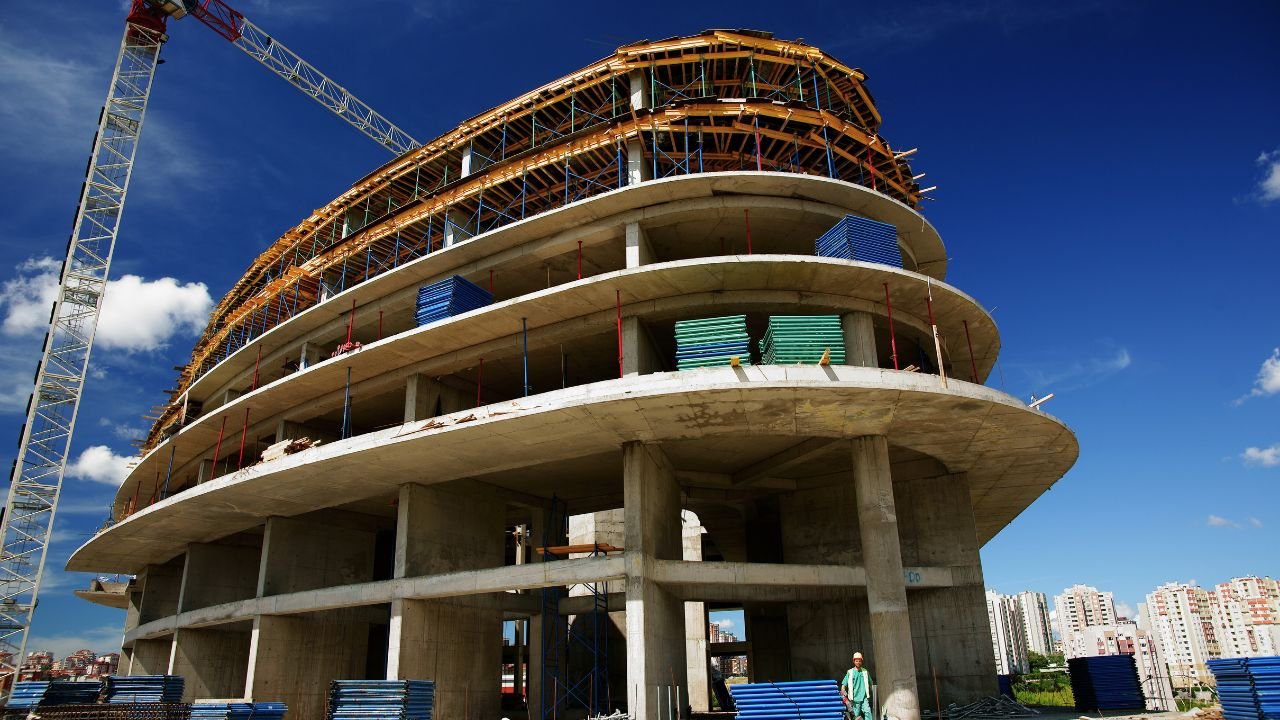
When we consider the structures that protect our communities, fire stations and police stations stand out as essential facilities. We recognize that the concrete used in these buildings plays an important role in ensuring their durability and resilience. With our expertise at the Public Safety Concrete Squad in Florida, we focus on creating specialized concrete solutions tailored to the unique demands of emergency services. But what exactly sets our approach apart?
Concrete plays an essential role in the construction of public safety facilities like fire and police stations. Its strength and versatility help us create buildings that are not only functional but also resilient against various challenges. When we design these facilities, we prioritize safety and efficiency, knowing that first responders need a reliable space to operate from during emergencies.
Using concrete allows us to construct durable structures that can withstand extreme weather conditions and potential hazards. The material’s thermal mass helps regulate temperatures, ensuring a comfortable environment for our emergency personnel. Plus, concrete’s fire-resistant properties are critical for fire stations, where heat and flames are a daily concern.
When we think about fire stations, we need to prioritize durability to withstand the unique challenges they face. High impact resistance, fire-resistant materials, and protection against weathering and erosion are essential factors in ensuring these facilities remain functional during emergencies. Let’s explore how these requirements play an important role in the longevity of fire stations.
Given the unpredictable nature of emergencies, fire stations must be built to withstand high impact forces. We recognize that these facilities serve as critical hubs during intense situations, from vehicle collisions to natural disasters. Consequently, incorporating high impact resistance in concrete is essential. This means choosing materials that can absorb and dissipate energy effectively, guaranteeing the station remains functional and safe.
We rely on specific testing standards to evaluate impact resistance, guaranteeing our designs meet or exceed these benchmarks. It’s not just about protecting the building itself; it’s about safeguarding the brave firefighters who respond to emergencies. By prioritizing high impact resistance, we ensure that fire stations can serve their crucial role without fail, no matter the circumstances they face.
To guarantee fire stations can withstand extreme heat and flames, we prioritize the use of fire-resistant materials in their construction. These materials, like specialized concrete and steel, help protect the structure and ascertain the safety of our firefighters and equipment. We choose fire-rated drywall, which can hold up against high temperatures, and we incorporate fire-resistant insulation to minimize heat transfer. Additionally, using non-combustible roofing materials prevents potential fires from spreading. By selecting these durable options, we not only enhance the longevity of the fire station but also assure that it remains functional during emergencies. Ultimately, our commitment to fire-resistant materials reflects our dedication to public safety and the well-being of our community.
While fire-resistant materials are essential for protecting against flames, we also need to address the impacts of weather and erosion on fire stations. These facilities face constant exposure to harsh conditions like rain, wind, and UV rays, which can degrade concrete and other materials over time. To guarantee longevity, we should choose high-quality, durable concrete mixtures that resist cracking and water intrusion. Incorporating additives like polymers can enhance strength and flexibility, providing better resistance to freeze-thaw cycles and erosion. Additionally, proper drainage systems can help divert water away from the structure, reducing erosion risks. By prioritizing weathering and erosion protection, we can maintain the integrity and safety of our fire stations for years to come.
When we think about the durability requirements for police stations, we need to focus on structural integrity standards that guarantee safety and longevity. It’s also vital to incorporate impact resistance features to protect against potential threats. Additionally, considering weather resilience factors helps us maintain the station’s functionality in various environmental conditions.
As we consider the structural integrity standards for police stations, it is vital to recognize that these facilities must withstand various challenges, including extreme weather and potential threats. To guarantee safety, we need to prioritize high-quality materials and innovative engineering practices. For instance, using reinforced concrete can enhance strength and durability, while proper foundation design is fundamental for stability. We should also pay attention to design features that allow for easy maintenance, guaranteeing long-term performance. Regular inspections and adherence to building codes help us meet these standards. Ultimately, by focusing on structural integrity, we can create police stations that serve their communities effectively, providing a safe environment for both officers and the public they protect.
To guarantee police stations can endure unforeseen challenges, we must prioritize impact resistance features in their design. These facilities often face potential threats, from vehicular collisions to vandalism. By utilizing high-strength concrete and reinforcing materials, we can enhance the structural integrity, ensuring the building can absorb and dissipate energy effectively.
Incorporating impact-resistant windows and doors is equally vital; they act as barriers against forced entry and projectiles. In addition, designing with rounded corners and minimal overhangs can reduce the likelihood of damage during an impact.
Ultimately, focusing on these features not only protects the building and its occupants but also reinforces the community’s trust in public safety. Let’s commit to creating safer spaces for our law enforcement personnel.
While guaranteeing impact resistance is key, we can’t overlook the importance of weather resilience in police station design. After all, these structures must withstand various environmental challenges. To achieve this, we need to focus on several critical factors:
When we think about the essential role of emergency services, it’s clear that the materials used in their facilities must be both durable and efficient. Innovative concrete mix designs are revolutionizing how we approach construction for fire and police stations. These advanced mixes often incorporate additives that enhance strength, reduce curing time, and improve overall performance.
For instance, using fiber-reinforced concrete can greatly increase impact resistance, which is crucial for buildings frequently subjected to heavy equipment and high-stress operations. Additionally, integrating sustainable materials not only helps the environment but also meets modern efficiency standards.
As we consider the longevity of concrete used in fire and police stations, we can’t overlook the effects of temperature fluctuations. These changes, along with varying moisture and humidity levels, can greatly impact the material’s durability. Let’s explore how these weather conditions shape the performance of concrete in our emergency service facilities.
Understanding how temperature fluctuations affect concrete is essential for ensuring the longevity of structures like fire stations and police stations. When we consider the impact of varying temperatures, we notice several key factors:
Although we often focus on temperature when considering concrete’s durability, moisture and humidity play equally crucial roles in its longevity. High humidity can hinder the curing process, leading to weak concrete that’s more susceptible to cracking. When moisture levels fluctuate, we risk creating voids and weakening the structure over time. Additionally, excess moisture can promote corrosion of the steel reinforcements within the concrete, drastically reducing its lifespan. On the flip side, extremely dry conditions can cause rapid evaporation, leading to surface defects. By understanding these influences, we can make informed decisions about concrete mixtures and protective measures. Ultimately, we need to guarantee our fire and police stations are built to withstand Florida’s unique weather challenges for years to come.
When planning the construction of fire and police stations, we must prioritize safety standards to secure the well-being of both responders and the community. This means adhering to specific guidelines that guarantee our facilities are not only functional but also safe.
Key safety standards include:
Guaranteeing safety standards in the construction of fire and police stations sets the stage for another vital aspect of emergency response: quick response times. When emergencies strike, every second counts. We all recognize that timely intervention can mean the difference between life and death, or preventing property damage from escalating. That’s why it’s essential for these facilities to be strategically located and designed for maximum efficiency.
Efficient layout and access routes allow first responders to reach their destinations without delay. Additionally, well-constructed stations guarantee that equipment and personnel can mobilize swiftly. As we consider the importance of response times, we must also acknowledge the role of community involvement in promoting safety. By supporting our local fire and police services, we’re advocating for a quicker, more effective response during emergencies. Together, let’s appreciate the significance of quick response times and how they directly impact our safety and well-being.
When it comes to supporting heavy equipment at fire and police stations, we need to focus on concrete solutions that guarantee both load-bearing capacity and durability in extreme conditions. These factors are essential for maintaining safety and functionality in our emergency response facilities. Let’s explore how the right concrete mix can make all the difference in our operations.
Load-bearing capacity is essential for fire and police stations, especially when supporting heavy equipment like fire trucks and police vehicles. We need to guarantee that the concrete used can handle these considerable weights without compromising safety. Here are some key factors we must consider:
As we design fire and police stations, we must prioritize concrete durability, especially given the extreme conditions these facilities often face. Heavy equipment, harsh weather, and constant use demand concrete solutions that stand the test of time. Here’s a quick look at some key factors we consider for durability:
| Factor | Importance |
|---|---|
| Compressive Strength | Supports heavy vehicles |
| Resistance to Cracking | Maintains structural integrity |
| Freeze-Thaw Stability | Prevents damage in cold climates |
| Chemical Resistance | Protects against corrosive substances |
| Surface Finish | Enhances traction and safety |
Fire-resistant concrete stands as an essential component in the construction of fire stations and police stations, ensuring the safety of both personnel and equipment. By utilizing this specialized material, we greatly enhance our facilities’ resilience against fire hazards.
Here are some key benefits of fire-resistant concrete:
Incorporating fire-resistant concrete into our designs isn’t just about compliance; it’s about fostering a secure environment. By prioritizing this material, we’re committing to the safety and efficiency of our first responders, ultimately benefiting the communities we serve.
While ensuring the safety of our personnel is paramount, we also need to create an environment that allows for clear communication and focus in police stations. One effective way to achieve this is through soundproofing techniques. By using specialized acoustic panels, we can absorb sound and minimize distractions, making it easier for officers to concentrate on their tasks. Installing double-glazed windows is another great option, as they reduce external noise while maintaining visibility.
Additionally, we can use heavy-duty doors and soundproofing insulation in walls to further enhance privacy and reduce noise transfer between rooms. These measures not only improve the working environment but also help in sensitive situations, ensuring that conversations remain confidential. Ultimately, investing in soundproofing techniques is essential for fostering a productive atmosphere in our police stations, allowing us to serve our community effectively and efficiently.
Considering the growing need for sustainability, we can explore eco-friendly concrete options for public safety facilities like fire and police stations. By choosing environmentally friendly materials, we not only reduce our ecological footprint but also enhance the longevity and efficiency of these buildings.
Here are three eco-friendly concrete options we should consider:
As we explore eco-friendly concrete options for fire and police stations, it’s important to also assess their cost-effectiveness. Choosing specialized concrete solutions may seem more expensive upfront, but we need to evaluate the long-term benefits. These materials often have enhanced durability, which means fewer repairs and lower maintenance costs over time.
Additionally, many eco-friendly options can lead to energy savings through improved insulation properties, reducing heating and cooling expenses. We should also note that some local governments offer incentives for using sustainable materials, which can offset initial costs.
Investing in specialized concrete is not just about the initial price tag; it’s about the overall value. By selecting materials that stand the test of time, we’re ultimately saving money and supporting public safety facilities that serve our communities efficiently. Embracing cost-effective, sustainable solutions benefits everyone in the long run.
To highlight the effectiveness of eco-friendly concrete solutions, we can look at several successful projects executed by the Public Safety Concrete Squad. These projects showcase how our innovative approach not only meets safety standards but also enhances the community’s environmental footprint.
Here are three notable examples:
Each of these projects demonstrates our commitment to sustainability while ensuring the safety and functionality required for public service facilities. We believe that choosing eco-friendly options isn’t just a trend; it’s a responsibility we embrace in every endeavor.
When we collaborate with architects and engineers, we guarantee that our eco-friendly concrete solutions seamlessly integrate into the overall design of public safety facilities. By working closely with these professionals, we make certain that our materials meet structural requirements while enhancing aesthetic appeal. Communication is key; we share insights about the properties and benefits of our concrete, allowing designers to make informed decisions.
We also consider the specific needs of fire and police stations, such as durability and safety. Our team provides solutions that not only withstand heavy usage but also contribute to energy efficiency. Through our partnerships, we can align on project timelines and budgets, fostering a smooth construction process. Ultimately, this collaboration results in facilities that are functional, sustainable, and visually appealing, guaranteeing they serve their communities effectively while meeting modern design standards. Together, we build a safer future.
While we look ahead to the future of concrete technology for emergency services, exciting advancements promise to enhance the safety and efficiency of fire and police stations. These innovations aim to meet the unique demands of first responders and improve overall operational effectiveness.
Here are a few key trends we’re anticipating:
Concrete plays an essential role in response times for emergency services. It is understood that durable surfaces allow emergency vehicles to travel quickly and safely. Smooth, well-maintained concrete minimizes wear on tires and reduces accidents during high-speed responses. Additionally, strategically placed concrete infrastructure can streamline access to critical areas, ensuring we reach those in need without delay. Ultimately, investing in quality concrete enhances the efficiency of our emergency services, benefiting the entire community.
Using eco-friendly concrete brings several environmental benefits. It reduces carbon emissions, as many alternatives incorporate recycled materials or lower energy processes. By choosing sustainable options, we help decrease landfill waste and promote resource conservation. Additionally, eco-friendly concrete often has improved durability, which means structures last longer and require less maintenance. Overall, we’re making a positive impact on our planet while ensuring our constructions are safe and efficient for future generations.
Absolutely, there are specific regulations for concrete in safety facility construction. We’ve found that these rules guarantee durability and resilience, which are essential for structures like police stations and firehouses. Local building codes often dictate material standards and fire resistance. Additionally, safety agencies may have guidelines to enhance structural integrity during emergencies. It’s important for us to stay informed about these regulations to guarantee compliance and better serve the community’s safety needs.
We should maintain concrete regularly to guarantee peak performance. Typically, we recommend checking it every six months, especially in high-traffic areas. By inspecting for cracks, surface wear, and stains, we can address issues early. Applying sealants every few years helps protect against moisture and damage. Keeping a consistent maintenance schedule not only extends the life of our concrete but also guarantees safety and functionality in any facility we oversee.
Concrete used in public safety buildings typically lasts between 30 to 50 years when properly maintained. We can enhance its longevity by guaranteeing regular inspections and addressing any wear or damage promptly. Environmental factors, like moisture and temperature fluctuations, can affect its lifespan, so we need to be proactive in maintenance. By staying vigilant, we can help guarantee these critical structures remain safe and functional for the communities they serve.
 Call Now