
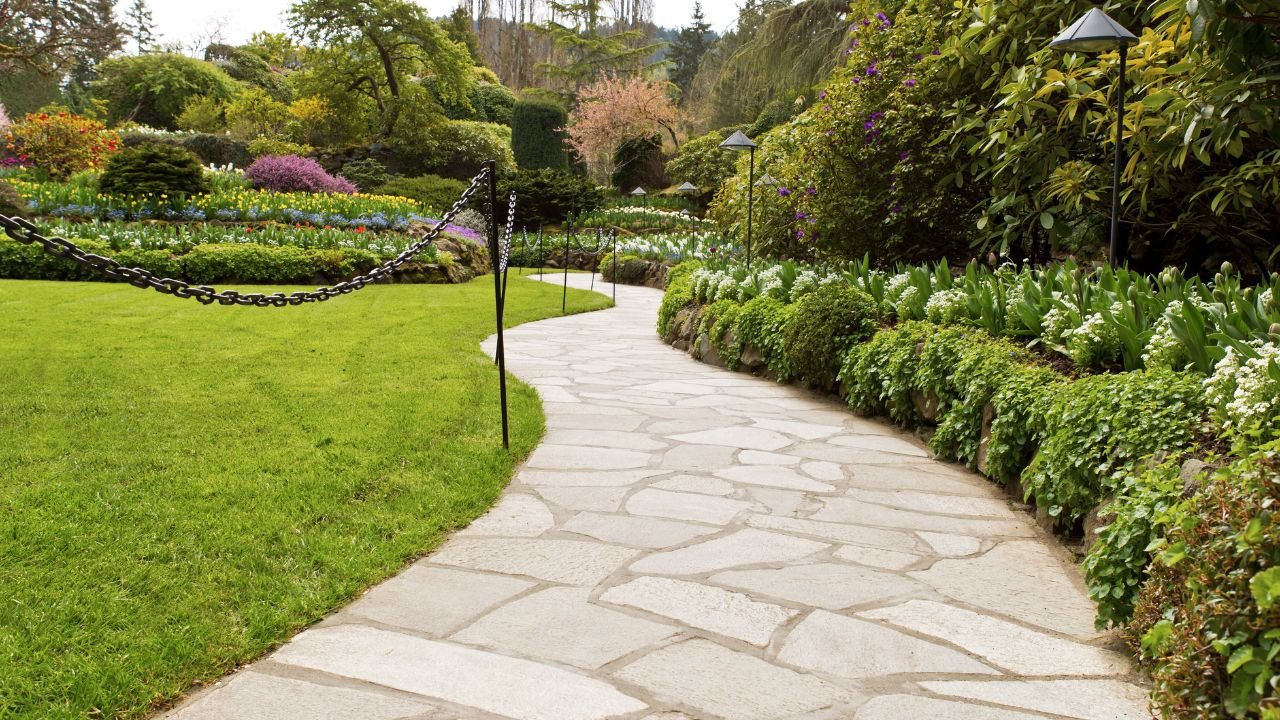
When we think about enhancing our outdoor spaces, a well-designed garden pathway often comes to mind. It not only guides us through our lush landscapes but also adds a touch of elegance. At Decorative Concrete Squad in Florida, we specialize in creating stunning pathways using high-quality decorative concrete. This unique approach blends beauty with functionality, and there’s much more to explore about how we can transform your garden. Let’s take a closer look.
When we think about creating an inviting outdoor space, a well-designed garden pathway often takes center stage. It serves not just as a route through our gardens, but also as a visual anchor that enhances the overall aesthetic. A thoughtfully planned pathway guides visitors, encouraging exploration and connection with our plants and features.
By using materials and shapes that complement our garden’s style, we can create a seamless flow that invites everyone to enjoy the beauty around them. A well-constructed pathway also provides practical benefits, ensuring safety and accessibility during all seasons.
Moreover, it helps define spaces, separating different areas while unifying them into a cohesive design. A truly great pathway reflects our personal taste and enhances the garden experience. So, let’s consider how we can design pathways that not only serve a function but also inspire joy and tranquility in our outdoor sanctuary.
Now that we recognize the importance of a well-designed pathway, let’s explore the various types of decorative concrete we can use. We can choose from stamped concrete designs that mimic natural materials, an exposed aggregate finish for added texture, or vibrant colored concrete options to bring our pathways to life. Each choice offers a unique aesthetic, allowing us to enhance our garden’s charm.
Stamped concrete designs offer a stunning and versatile option for enhancing garden pathways. They allow us to mimic the look of natural materials while providing durability and ease of maintenance. Here are three popular styles we can consider:
With these options, we can customize our garden pathways to reflect our personal style while enjoying the benefits of stamped concrete.
While exploring decorative concrete options for our garden pathways, the exposed aggregate finish stands out as a unique choice that combines aesthetic appeal with practicality. This finish showcases a mix of stone, gravel, or pebbles, creating a textured surface that’s visually striking. We love how it offers slip resistance, making it a safe option for families and pets. Plus, the natural look complements various landscaping styles, from rustic to modern. Maintenance is straightforward, as it’s durable and can withstand heavy foot traffic. With a variety of aggregate types available, we can customize the look to suit our preferences. Overall, choosing an exposed aggregate finish for our pathways enhances both beauty and functionality in our outdoor spaces.
Building on the idea of enhancing our garden pathways, colored concrete offers a vibrant and versatile alternative that can truly transform our outdoor spaces. By choosing colored concrete, we can achieve not only aesthetic appeal but also durability. Here are three popular options to evaluate:
Concrete is a popular choice for pathway installation, and for good reason. It’s durable and can withstand heavy foot traffic, ensuring our pathways last for years without cracking or crumbling. Plus, it’s low maintenance; a simple wash now and then keeps it looking fresh.
We also love the versatility concrete offers. With various colors and finishes, we can customize pathways to match our garden aesthetics. It’s easy to mold into different shapes, allowing us to create unique designs that flow beautifully with our landscaping.
Another benefit is its affordability compared to other materials. While initial costs are reasonable, the long-term savings on repairs and maintenance make concrete an economical option.
Finally, concrete is eco-friendly when we choose sustainable practices in its production. Overall, choosing concrete for our pathways combines style, strength, and sustainability, making it a smart choice for any garden.
How do we determine the best style for our garden pathways? Choosing the right style can elevate our garden’s beauty and functionality. Here are three key factors to contemplate:
Garden Theme: We should think about the overall theme of our garden. Is it modern, rustic, or perhaps a mix of both? The pathway style should complement this theme.
Materials: Let’s explore various materials. Concrete, stone, or brick each offer unique aesthetics and durability. We must choose one that aligns with our vision and maintenance preferences.
Functionality: We need to reflect on how the pathway will be used. Is it for casual strolls, or do we need it to support heavy foot traffic? The design must serve its purpose effectively.
Installing a garden pathway can be a fulfilling project that enhances our outdoor space. First, we’ll outline our pathway’s design and mark the area using stakes and string. Next, we’ll dig out the soil to a depth of about 4 to 6 inches, ensuring a solid base for our concrete. After leveling the ground, we’ll compact the soil and add a layer of gravel for drainage.
Then, it’s time to build our forms using wooden boards, securing them to maintain shape during pouring. We’ll mix the concrete according to the package instructions and pour it into the forms, using a trowel to spread and smooth it out. Once the concrete is in place, we’ll let it cure for several days, keeping it moist to prevent cracking. Finally, we can remove the forms and enjoy our beautiful new pathway, transforming our garden into a welcoming retreat.
After our stunning pathway is installed, keeping it in top shape is key to its longevity and appearance. Here are three essential maintenance tips we can follow to guarantee our decorative concrete pathways remain beautiful and durable:
Regular Cleaning: We should sweep away debris and dirt regularly. For tougher stains, using a mild detergent with water and a soft brush will help maintain its look without causing damage.
Sealant Application: Applying a sealant every two to three years protects our concrete from moisture, stains, and UV damage. It’s an easy way to extend the life of our pathway.
Repair Cracks Promptly: If we notice any cracks or chips, addressing them immediately prevents further damage. We can use a concrete patching compound to fix minor issues ourselves.
When we think about enhancing curb appeal, garden pathways play an essential role in our landscape design. By choosing the right materials and layout, we can create a welcoming entrance that reflects our style. Let’s explore some exciting options and ideas to elevate our outdoor spaces!
Choosing the right materials for our garden pathways can greatly enhance our home’s curb appeal. When we consider our options, it’s important to think about durability, aesthetics, and maintenance. Here are three popular materials we can choose from:
As we explore design and layout ideas for our garden pathways, we can create inviting routes that enhance our home’s curb appeal. A well-designed pathway not only guides visitors but also complements our landscape.
Here are some key design elements to reflect on:
| Design Element | Effect |
|---|---|
| Curved Pathways | Create a sense of flow |
| Patterned Textures | Add visual interest |
| Strategic Lighting | Enhance safety and ambiance |
While we explore the beauty of decorative concrete, it’s essential to contemplate eco-friendly options that not only enhance our gardens but also protect the environment. Choosing sustainable materials for our pathways can greatly reduce our ecological footprint. Here are three eco-friendly choices we can consider:
When we think about pathway design, lighting often plays an essential role in enhancing both safety and aesthetics. Properly placed lights can guide our way, create ambiance, and highlight the beautiful features of our garden paths. We can choose from various lighting options to fit our style and needs.
Here’s a quick overview of popular lighting types and their benefits:
| Lighting Type | Benefits | Ideal Placement |
|---|---|---|
| Solar Lights | Eco-friendly, easy installation | Along the path edges |
| LED Path Lights | Energy-efficient, long-lasting | Key focal points |
| String Lights | Decorative, versatile | Above seating areas |
| In-Ground Lights | Subtle, unobtrusive | Alongside flowers |
| Motion Sensors | Security, energy-saving | Entry points |
To create a truly inviting garden pathway, we can experiment with creative patterns and textures that capture our unique style. By incorporating various designs, we not only enhance the visual appeal but also add character to our outdoor space. Here are three ideas to get us started:
Geometric Patterns: Using bold lines and shapes can create a modern feel, guiding visitors through our garden with clarity.
Natural Textures: Incorporating stamped concrete or textured finishes mimics natural materials like stone or wood, blending harmoniously with the landscape.
Color Variations: Mixing colors within the concrete can create eye-catching designs, adding depth and interest to our pathways.
When we start planning our garden pathway, it’s essential to take into account our budget right from the get-go. We’ll need to evaluate the costs of materials and any labor expenses that might arise. By keeping these factors in mind, we can create a beautiful pathway without breaking the bank.
Selecting the right materials for our garden pathway project can greatly impact our budget. We want to guarantee we make informed choices that balance aesthetics and cost. Here are three factors to take into account when selecting materials:
As we explore budgeting for our garden pathway project, it’s crucial to reflect on labor expenses alongside material costs. When we consider hiring professionals, we should account for their expertise, which can greatly enhance our project’s outcome. Labor rates can vary based on location and the complexity of the design, so it’s wise to get multiple quotes.
If we decide to tackle the installation ourselves, we can save money, but we must factor in the time and effort involved. We should also consider potential hiring for specialized tasks, like concrete pouring or intricate designs. By understanding these labor expense considerations, we can create a realistic budget that guarantees our garden pathway is both beautiful and cost-effective.
Have you ever imagined how a simple garden pathway can completely transform a landscape? We’ve seen it happen time and again, and the results are truly remarkable. A well-designed pathway not only enhances the aesthetic appeal but also adds functionality to your outdoor space. Here are three stunning transformations we’ve witnessed:
These changes prove that a garden pathway can be more than just a route; it’s a statement piece that elevates the entire landscape. Let’s create your transformation next!
We love hearing about the amazing transformations our customers have experienced with their new garden pathways. The stunning designs not only enhance their outdoor spaces but also leave lasting impressions on everyone who visits. Let’s share some of these success stories to inspire your own pathway journey!
Although many of us envision a beautiful garden pathway, the real magic happens when customers share their transformative experiences after installation. We’ve heard countless stories that inspire us and show how our pathways truly enhance outdoor spaces. Here are three standout testimonials that resonate with us:
These experiences remind us of the impact our work has on people’s lives, making every project worthwhile.
The joy of creating beautiful outdoor spaces doesn’t stop at transformative experiences; it also shines through stunning design outcomes that leave lasting impressions. We’ve seen countless satisfied customers share their excitement over their newly installed pathways, and their stories inspire us every day. Here’s a glimpse of some of their feedback:
| Customer Name | Testimonial |
|---|---|
| Sarah J. | "Our garden feels like a dream come true!" |
| Mark R. | "The design exceeded our expectations!" |
| Lisa T. | "Every guest compliments our beautiful path!" |
These testimonials reflect our commitment to excellence. Each project showcases our passion for creativity and attention to detail, resulting in pathways that enhance the beauty of any outdoor space. We’re thrilled to contribute to your outdoor oasis!
When you invest in a garden pathway, you’re not just enhancing your landscape; you’re also creating a lasting impression that resonates with everyone who visits. We’ve heard countless testimonials that highlight the impact of our pathways. Here’s what our satisfied clients have shared:
These stories inspire us, and we’re proud to help you create a stunning entrance that leaves a positive impression for years to come. Let’s transform your garden space together!
Wondering what it takes to install a garden pathway? We often get questions about the installation process, and we’re here to clarify! First, we assess the area where the pathway will go, ensuring it’s properly leveled and compacted. Next, we choose the right materials, which can include various decorative concrete options that suit your style.
Many folks ask how long the installation takes. Generally, it can range from a few hours to a couple of days, depending on the pathway’s size and complexity. We also get inquiries about maintenance; the good news is that decorative concrete requires minimal upkeep—just an occasional cleaning and sealing.
Lastly, we recognize budget is a concern for everyone. Costs will vary based on materials and design, but we’re committed to providing options that fit your needs. If you have more questions, we’re happy to address them!
How can you get started with your garden pathway project? Contacting Decorative Concrete Squad Florida is the first step toward transforming your outdoor space. We’re here to guide you through the process and guarantee you get the pathway of your dreams. Here’s how to reach out to us:
Don’t hesitate to reach out! We’re excited to collaborate with you and turn your garden pathway ideas into reality. Together, we can create a stunning pathway that enhances your outdoor environment. Let’s get started today!
When we compare decorative concrete to materials like wood or gravel, we see a stark contrast. Decorative concrete can last 30 years or more with proper care, while wood may only last a decade before rotting, and gravel often shifts, requiring regular maintenance. We appreciate the durability and low upkeep of decorative concrete, making it a smart choice for long-lasting beauty in our outdoor spaces. It really stands the test of time!
We can definitely tackle a pathway installation ourselves if we’re up for the challenge! It requires some planning and physical effort, but with the right tools and materials, we can achieve great results. However, if we want a seamless finish or lack experience, hiring professionals is a smart choice. They’ve got the expertise and can save us time, ensuring the pathway looks perfect and lasts for years. Ultimately, it’s about our comfort level!
We believe the best time for pathway installation in Florida is during the cooler months, from late fall to early spring. During this period, the temperatures are more manageable, making the work easier for us and ensuring better curing for the concrete. We can avoid the summer’s intense heat and rain, which can cause issues. By planning for these months, we’re setting ourselves up for a smoother installation process and lasting results.
Yes, we often need permits for installing garden pathways, especially if they’re part of a larger landscaping project. Regulations can vary by county or city, so it’s essential to check local guidelines. Typically, we’ll want to make certain our pathway complies with zoning laws and any homeowner association rules. It’s best to consult with local authorities before starting our project to avoid any potential fines or complications down the road.
When it comes to curing concrete, weather’s like a fickle friend; it can make or break our project. Hot, dry conditions can speed up curing, leading to cracks, while cold, damp weather can slow it down, risking improper hardening. We need to monitor temperature and humidity closely, adjusting our methods to guarantee ideal results. By understanding these factors, we can achieve a durable finish that stands the test of time.
 Call Now