
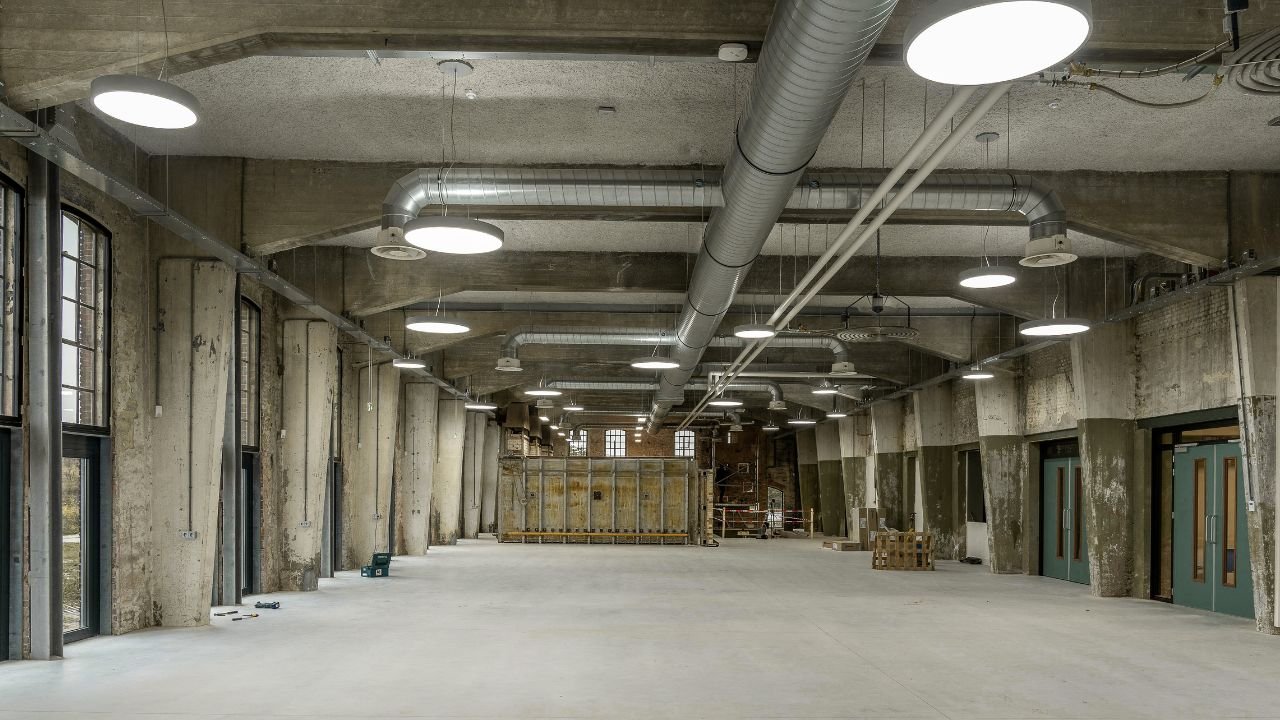
At Industrial Concrete Squad, we recognize the critical role that high-load capacity flooring plays in industrial and commercial settings. Our experience in this area allows us to create durable surfaces tailored to your specific needs. We focus on quality materials and precise installation techniques to guarantee safety and longevity. But what exactly makes these floors stand out? Let’s explore the unique benefits and the process behind our successful installations.
When we think about flooring solutions, high-load capacity flooring stands out for its ability to support heavy equipment and foot traffic. These floors are specifically engineered to withstand significant weight, making them ideal for industrial and commercial settings. They often incorporate durable materials like reinforced concrete, which help distribute loads evenly across the surface.
Understanding the specifics of high-load capacity flooring is essential for anyone considering installation. Not only do we need to know the types of materials available, but we should also grasp the importance of proper installation techniques to guarantee longevity and safety.
Additionally, we must recognize the need for regular maintenance to keep these floors in peak condition. By understanding these elements, we can make informed decisions about our flooring options, ensuring they meet our operational needs while providing a safe environment for our workers and machinery.
High-load capacity floors offer numerous advantages that can greatly enhance operational efficiency and safety in industrial and commercial environments. First and foremost, these floors can support heavy machinery and equipment, allowing us to maximize our space without compromising strength. This means we can store more goods or operate larger machinery, ultimately boosting productivity.
Additionally, high-load capacity floors are designed to withstand wear and tear, reducing maintenance costs in the long run. They also provide a stable and safe working environment, minimizing the risk of accidents that could arise from structural failures.
Moreover, installing these floors often results in improved energy efficiency, as they help maintain consistent temperatures in our facilities. Finally, their durability means we won’t need to replace them frequently, saving us time and resources. Overall, investing in high-load capacity floors is a smart choice for anyone looking to enhance their operational capabilities.
When we think about high-load capacity floor installation, it’s essential to take into account the key materials that make it all possible. We’ll explore the various types of concrete, the reinforcement options available, and the selection of surface finishes that can enhance durability and aesthetics. Understanding these components helps us guarantee a strong and reliable flooring solution.
Choosing the right type of concrete is essential for high-load capacity floor installations. We typically consider several concrete types, each with unique properties suited for specific applications. For instance, regular reinforced concrete is a common choice due to its strength and durability, making it ideal for heavy machinery. High-performance concrete offers enhanced durability and resistance to harsh conditions, which is perfect for environments with extreme loads. Additionally, lightweight concrete can be beneficial when reducing overall weight is necessary, while still providing adequate support. Understanding these options helps us make informed decisions that align with project requirements, ensuring your floors can support the intended loads effectively. Ultimately, the right concrete type is key to a successful installation.
Reinforcement materials play an essential role in ensuring the strength and longevity of high-load capacity floors. When we install these floors, we often use steel rebar or welded wire mesh to enhance structural integrity. Steel rebar, placed in grids, provides tensile strength, while welded wire mesh helps distribute loads evenly across the surface. In some cases, we might also consider fiber reinforcement, which incorporates fibers directly into the concrete mix, improving crack resistance and durability. Each option has its unique benefits, and choosing the right one depends on specific project requirements. By understanding these reinforcement options, we can make informed decisions that lead to safer, more resilient floors capable of handling heavy loads efficiently.
After ensuring our high-load capacity floors are structurally sound with the right reinforcement, we turn our attention to surface finishes. Choosing the right finish is essential for both aesthetics and functionality. We often consider durability, slip resistance, and maintenance requirements when selecting materials.
Here’s a quick comparison of popular options:
| Finish Type | Benefits | Ideal Use |
|---|---|---|
| Epoxy Coating | Durable, easy to clean | Warehouses, factories |
| Polished Concrete | Sleek look, low maintenance | Retail spaces, showrooms |
| Stained Concrete | Customizable colors, affordable | Residential, offices |
While we might think of floor installation as a straightforward task, understanding the specific steps involved is crucial for achieving a high-load capacity. First, we start with a thorough site assessment, confirming the subgrade is stable and suitable for the demands of heavy loads. Next, we prepare the area by excavating as necessary and compacting the soil to create a solid foundation.
After that, we install reinforcement materials like rebar or wire mesh, which provide additional strength. Once that’s in place, we pour high-strength concrete, carefully controlling the mix to meet load specifications. We use specialized equipment to confirm an even pour, minimizing air pockets that could weaken the structure.
Finally, we finish the surface to achieve the desired texture and durability. By following these steps meticulously, we can confirm that the floor not only meets but exceeds the load-bearing requirements, providing a reliable solution for industrial applications.
When we consider high-load floors, guaranteeing safety is paramount, especially under the weight of heavy machinery or equipment. We need to prioritize several key safety measures during installation and usage to prevent accidents and guarantee longevity.
High-load floors find significant utility in various industrial settings, where their strength and durability support heavy machinery and equipment. We often see these floors in warehouses, manufacturing plants, and distribution centers, where they handle the constant weight of storage racks and forklifts.
Here’s a quick overview of common applications:
| Application | Description |
|---|---|
| Warehousing | Supports heavy pallet racking systems. |
| Manufacturing | Provides a stable base for machinery. |
| Distribution Centers | Handles the weight of loading and unloading operations. |
These environments require flooring that can withstand not only the weight but also the wear from constant movement. By choosing high-load capacity floors, we guarantee safety and efficiency, allowing operations to run smoothly.
To guarantee our high-load capacity floors last, we need to establish a regular cleaning schedule. It’s also essential that we inspect for any damage periodically, as early detection can prevent bigger issues down the line. Let’s explore these maintenance tips to keep our floors in top shape.
Although we might not think about it often, establishing a regular cleaning schedule is essential for maintaining the longevity of our high-load capacity floors. Keeping our floors clean helps prevent dirt and debris from causing damage over time. Here are three key practices we should follow:
Maintaining a regular cleaning schedule sets the foundation for a long-lasting floor, but we also need to keep an eye out for any signs of damage. Regular inspections help us identify issues early. Look for cracks, chips, or discoloration that could indicate deeper problems.
Here’s a quick reference table to help us remember what to check:
| Damage Type | Signs to Look For | Action Needed |
|---|---|---|
| Cracks | Visible lines or gaps | Repair promptly |
| Chips | Missing sections of the surface | Fill in with appropriate material |
| Discoloration | Color changes or stains | Assess and clean thoroughly |
When we’re faced with the task of choosing the right flooring solution, several key factors come into play. We need to take into account our specific needs and the environment where the flooring will be installed. Here are three important aspects to keep in mind:
As we consider the right flooring solutions, it’s exciting to see innovations in concrete flooring technology that enhance both performance and aesthetics. These advancements not only improve durability but also make concrete floors more visually appealing.
Here’s a quick overview of some key innovations:
| Innovation | Description |
|---|---|
| Polished Concrete | Offers a sleek, high-gloss finish |
| Stamped Concrete | Mimics natural materials like wood or stone |
| Fiber Reinforcement | Increases tensile strength and crack resistance |
| Self-Leveling Systems | Provides a smooth, even surface effortlessly |
| Eco-Friendly Mixes | Utilizes recycled materials for sustainability |
As we consider the environmental impact of industrial flooring, it’s crucial to focus on sustainable material choices that minimize harm. We should also explore energy efficiency practices and waste reduction strategies that can greatly lower our carbon footprint. Together, we can make informed decisions that benefit both our operations and the planet.
Although we often prioritize durability and load capacity in industrial flooring, it’s crucial to reflect on the environmental impact of our material choices. By selecting sustainable materials, we can reduce our ecological footprint while maintaining performance. Here are a few options we should consider:
To enhance energy efficiency in industrial flooring, we must consider how our choices impact both operational costs and the environment. By selecting materials with high thermal mass, we can reduce heating and cooling demands, leading to lower energy bills. Additionally, incorporating insulation beneath our floors helps maintain temperature stability, additionally reducing energy consumption. We should also evaluate our lighting options; using energy-efficient fixtures will complement our flooring solutions and cut down on electricity use. Moreover, implementing smart technology can optimize energy management, adapting to our facility’s needs in real-time. By making these informed decisions, we not only improve our bottom line but also contribute to a more sustainable future for our industry and the planet.
When we prioritize waste reduction in our industrial flooring projects, we not only minimize our environmental footprint but also enhance overall efficiency. By implementing smart strategies, we can greatly reduce waste during installation and throughout the floor’s lifecycle. Here are some effective approaches we can adopt:
As we explore the cost factors to take into account for high-load capacity floor installation, it is crucial to account for various elements that can impact our budget. First, the materials we choose play a significant role; high-quality concrete and reinforcements can increase initial costs but offer better durability. Next, labor expenses should be considered; skilled workers may charge more, but their expertise can save us from costly mistakes down the line.
Additionally, the size and complexity of the project will affect pricing; larger areas or intricate designs typically require more time and resources. Don’t forget about site preparation costs, which can vary based on existing conditions. Finally, we should factor in any necessary permits or inspections, as these can add to our overall expenses. By understanding these factors, we can better align our expectations with our financial resources and make informed decisions.
Understanding the impact of high-load capacity floor installations becomes clearer when we look at real-world examples. These installations have transformed spaces, allowing businesses to operate efficiently and safely. Here are a few standout cases:
Warehouse Optimization: In a large distribution center, we installed a high-load capacity floor that supported heavy shelving units, maximizing storage space while ensuring safety under significant weight.
Manufacturing Facility: For a manufacturing plant, our installation enabled the use of heavy machinery without compromising floor integrity, leading to increased productivity.
Retail Space: In a retail environment, we created a robust floor that not only accommodated high foot traffic but also supported heavy display units, enhancing the shopping experience.
These examples illustrate how high-load capacity floors can meet specific needs, ensuring durability and performance in various industrial settings.
We love hearing about the real-life experiences our customers have had with high-load capacity floor installations. Their positive impact stories inspire us and showcase the difference our solutions can make. Let’s share some of these testimonials to highlight the success of our projects.
How do real projects reflect the true capabilities of high-load capacity flooring? We’ve witnessed remarkable transformations in various facilities, showcasing the strength and durability of our installations. Here are a few standout experiences from our customers:
These testimonials truly illustrate how high-load capacity flooring can elevate industrial operations.
While many factors contribute to successful industrial operations, the stories from our clients highlight the transformative effects of high-load capacity flooring. We’ve seen firsthand how our installations have enhanced productivity and safety in various facilities. One client shared how their new flooring allowed them to store heavier equipment without worry, leading to increased efficiency. Another noted a significant reduction in maintenance costs due to the durability of our flooring solutions. These testimonials underscore a common theme: investing in high-load capacity flooring not only meets immediate needs but also supports long-term growth. We’re proud to witness the positive changes in our clients’ operations, and it inspires us to continue delivering top-tier flooring solutions tailored to their unique requirements.
When considering high-load capacity flooring options, it’s essential to compare the various materials available on the market. Each type of flooring comes with its own set of benefits and drawbacks, and understanding these can help us make an informed decision.
Here are three popular flooring options we should consider:
Choosing the right team for your high-load capacity flooring project is essential, and we believe Industrial Concrete Squad stands out for several compelling reasons. First, we bring years of specialized experience in concrete solutions tailored to industrial needs. Our skilled team understands the complexities of high-load applications, ensuring your flooring can withstand heavy machinery and equipment.
Second, we prioritize quality. Using top-grade materials and innovative techniques, we guarantee durability and longevity, minimizing future maintenance and replacement costs. We also offer personalized service, working closely with you to understand your unique requirements and timelines.
Furthermore, our commitment to safety and compliance means you can trust us to adhere to all industry standards and regulations. With our proven track record of successful projects, choosing Industrial Concrete Squad means choosing reliability, efficiency, and expertise. Let’s work together to create a flooring solution that meets your needs and exceeds your expectations.
When we think about installing a high-load capacity floor, we picture a bustling site filled with heavy machinery and skilled workers. Typically, the installation takes about one to three weeks, depending on the size and complexity. We’ll prepare the area, pour the concrete, and allow it to cure properly. Throughout the process, we stay committed to quality and safety, ensuring the floor meets the demands of its intended use while minimizing downtime.
High-load capacity floors typically support weights ranging from 1,000 to 5,000 pounds per square foot, depending on the specific design and materials used. We’ve seen various applications that require these robust floors, so it’s essential to determine the exact weight requirements for your project. When planning, we should always consult with professionals to guarantee the floor meets safety standards and can handle the intended load without compromising structural integrity.
Yes, high-load capacity floors can be repaired if damaged. We assess the extent of the damage first, then determine the best repair method. Often, we can patch or resurface the affected areas to restore their strength and functionality. It’s crucial to address any issues promptly to prevent further deterioration. With proper repair techniques, we can guarantee your floor maintains its load-bearing capacity and continues to serve its purpose effectively.
To keep high-load capacity floors in top shape, we should sweep or vacuum regularly to remove debris, as 80% of floor damage comes from dirt and grit. Using a neutral pH cleaner is essential, and we must avoid harsh chemicals that can degrade the surface. Additionally, we should mop with a microfiber cloth for effective cleaning. Finally, inspecting for wear or damage helps us maintain safety and longevity in our floors.
Yes, there are specific warranties for high-load capacity flooring. Typically, manufacturers offer warranties that cover defects in materials and workmanship for a certain period. We should always review the warranty details carefully to understand what’s included, such as resistance to wear and tear or structural integrity. It’s also wise to ask about any limitations or exclusions. By doing this, we can guarantee we’re making a sound investment in durable flooring.
 Call Now