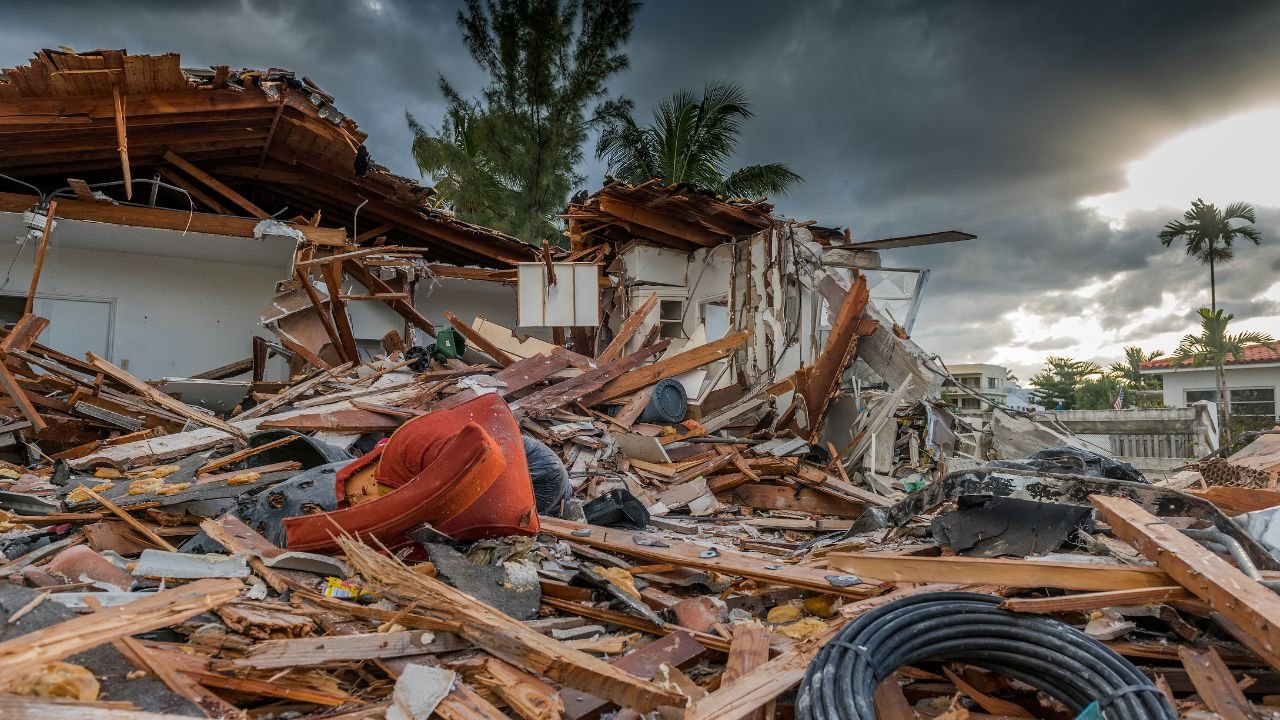
When nature releases its fury, we must be prepared. As we face the reality of hurricanes in Florida, the importance of hurricane-resistant foundation systems becomes clear. We’re dedicated to ensuring that our homes stand strong against high winds and flooding. But what exactly makes these structures so resilient? Let’s explore the innovative strategies we can employ to safeguard our communities.
When it comes to building in hurricane-prone areas, understanding hurricane-resistant foundations is important. These foundations play a significant role in safeguarding our homes against the fierce forces of nature. To start, we should focus on materials that can withstand high winds and flooding. Reinforced concrete and deep piers are popular choices because they provide stability and strength.
Next, we need to take into account elevation. Raising our structures above potential flood levels minimizes damage from storm surges. Additionally, anchoring methods, like tie-down straps, help secure the building to its foundation, preventing it from being lifted by strong winds.
Lastly, understanding local building codes is essential. They’re designed to guarantee our homes meet safety standards that account for hurricane risks. By grasping these key elements, we can create durable foundations that protect our investments and provide peace of mind during hurricane season.
Foundation strength is essential for homes in hurricane-prone areas, as it directly impacts their ability to withstand powerful storms. When we think about hurricane safety, we often focus on roofs or windows, but the foundation is our home’s first line of defense. A robust foundation anchors the structure, preventing it from shifting or collapsing under extreme wind and flooding conditions.
We’ve seen too many homes damaged or destroyed simply because their foundations weren’t strong enough to handle the pressures of a hurricane. By investing in a solid foundation, we’re not only protecting our property but also ensuring our safety.
Moreover, a well-designed foundation can help mitigate damage from rising waters, allowing our homes to remain structurally sound during and after a storm. In hurricane-prone areas, the strength of our foundation isn’t just important; it’s crucial for peace of mind and long-term resilience.
When it comes to hurricane-resistant foundations, we can’t underestimate the role of materials. Reinforced concrete offers incredible strength and durability, making it a top choice for these systems. Additionally, innovative material technologies are emerging that enhance resilience against extreme weather, and we should explore these options together.
Reinforced concrete stands out as a top choice for hurricane-resistant foundation systems due to its unique combination of strength and durability. When we use steel reinforcement bars within the concrete, we enhance its tensile strength, making it far less likely to crack or fail under extreme wind and pressure conditions. This material can withstand the forces of nature while providing a solid base for our homes. Additionally, reinforced concrete is resistant to moisture, which helps mitigate the risk of mold and structural damage over time. Its fire resistance also adds to its appeal, ensuring safety during unforeseen circumstances. Overall, choosing reinforced concrete means investing in a robust and reliable foundation that stands strong against hurricanes.
As we explore innovative material technologies for hurricane-resistant foundation systems, several cutting-edge options emerge that enhance structural integrity and resilience. One notable material is fiber-reinforced concrete, which incorporates synthetic or steel fibers to improve tensile strength and reduce cracking. Another option is geopolymer concrete, made from industrial byproducts, offering superior durability and environmental benefits. We also see advancements in polymer-modified cement, which enhances adhesion and flexibility, making foundations more adaptable to shifting soils during storms. Additionally, using corrosion-resistant steel in reinforcing bars minimizes degradation from moisture and salt exposure. By integrating these technologies, we can create foundations that stand strong against powerful hurricanes, ensuring the safety and longevity of our structures.
As we explore innovative concrete solutions for extreme weather, we’ll focus on advanced reinforcement techniques that enhance durability. Additionally, we’ll look at flood-resistant design features that protect structures from rising water. Together, these solutions can markedly improve the resilience of our foundations against hurricanes and severe storms.
In the face of increasingly severe weather patterns, innovative concrete solutions are vital for enhancing hurricane-resistant foundation systems. We can employ advanced reinforcement techniques that greatly boost the durability and resilience of our structures. One method involves using fiber-reinforced polymers, which offer exceptional strength without adding excessive weight. Additionally, we can integrate steel rebar in innovative configurations to create a more robust framework that withstands extreme forces.
Utilizing high-strength concrete mixes also plays an important role, as they resist cracking and shifting during intense storms. By prioritizing these advanced techniques, we’re not just building foundations—we’re creating safe havens that can endure the fiercest hurricanes. Together, we can guarantee our homes stand strong against nature’s challenges.
Having established advanced reinforcement techniques for hurricane-resistant foundations, it’s important to contemplate flood-resistant design features that complement these efforts. We can enhance resilience by incorporating elevated foundations, which keep structures above potential floodwaters. Using flood-resistant materials, like treated concrete and waterproof barriers, further protects against water damage.
Incorporating drainage systems is also essential; these systems help direct water away from the foundation and reduce hydrostatic pressure. Additionally, we should design our landscapes to include swales and rain gardens, which naturally absorb excess water. These features not only safeguard our homes but also contribute to environmental sustainability. By integrating these flood-resistant design elements, we can create structures that withstand extreme weather, ensuring safety and longevity for our communities.
While the threat of hurricanes looms large, we can employ advanced engineering techniques to enhance foundation stability and protect structures. One effective method involves deep pile foundations, which anchor buildings firmly into the ground, providing resistance against strong winds and flooding. By using reinforced concrete and steel, we can create a resilient framework that withstands the forces of nature.
Additionally, we should consider using cantilevered or mat foundations, which distribute loads more evenly across the soil. This helps minimize settlement and lateral movement during severe weather. Incorporating flexible materials into the foundation design allows for slight movements without compromising structural integrity.
We also recommend conducting soil analysis to understand the specific conditions at each site. By tailoring our foundation systems to the unique characteristics of the soil, we can greatly improve stability and longevity. Together, these engineering techniques make a powerful difference in hurricane-resistant construction.
To effectively combat the risks posed by hurricanes, we must prioritize elevation and flood mitigation strategies in our construction practices. One of the most effective ways to reduce flood risk is to elevate our structures above the Base Flood Elevation (BFE). This guarantees that even during severe storms, our homes remain safe from rising waters.
Additionally, we can incorporate features like flood vents and drainage systems to manage water flow around our foundations. These systems help direct water away from our properties, minimizing damage potential.
Using native landscaping can also aid in flood mitigation, as it improves soil absorption and reduces runoff. By combining these strategies, we create resilient structures that stand strong against hurricanes while protecting our communities.
Let’s commit to elevating our designs and implementing smart flood mitigation techniques, guaranteeing our homes and businesses are prepared for whatever nature throws our way.
As we elevate our structures and implement flood mitigation strategies, we must also consider the role of reinforcement in foundation design. Reinforcement guarantees our foundations can withstand the immense forces generated by hurricane winds and flooding. By integrating steel rebar or fiber reinforcement into concrete, we enhance its tensile strength, preventing cracks and structural failures.
When designing our foundations, we need to account for local soil conditions and load requirements. This way, we can determine the appropriate amount and placement of reinforcement. Properly spaced reinforcement bars not only improve stability but also allow for better load distribution throughout the structure.
Moreover, we should guarantee that the materials we use are corrosion-resistant, especially in coastal areas where saltwater can be a concern. By prioritizing reinforcement in our foundation plans, we’re investing in the long-term safety and resilience of our homes against future storms.
When we consider the construction of hurricane-resistant foundations, it’s vital to factor in the associated costs. Investing in robust materials and advanced engineering can initially seem expensive, but this investment pays off in the long run by safeguarding our homes from severe weather damage.
We should expect higher upfront expenses compared to standard foundations, as features like reinforced concrete, pilings, and elevated structures add to the overall price. However, these enhancements greatly reduce the risk of costly repairs and insurance claims after a storm.
Additionally, we need to think about long-term savings. A strong foundation can lead to lower insurance premiums and reduced maintenance costs over time. While it’s important to balance our budget, the peace of mind a hurricane-resistant foundation brings is invaluable. By planning wisely and understanding our options, we can make informed decisions that protect our homes and our finances.
When it comes to building hurricane-resistant foundations, understanding local building codes and regulations is essential. We need to make certain our designs comply with these standards to guarantee safety and durability. Let’s explore the key regulations that guide our construction efforts in hurricane-prone areas.
Understanding local building codes and regulations is crucial for anyone looking to construct hurricane-resistant foundation systems. These codes vary by location, reflecting regional risks and construction practices. They often outline requirements for materials, structural integrity, and design specifications tailored to withstand high winds and flooding.
We encourage you to familiarize yourselves with your area’s specific codes, as they’ll guide your project from planning to completion. It’s important to consult with local building officials and professionals who can help us navigate these regulations effectively. By doing so, we guarantee that our foundation systems not only meet legal requirements but also provide the safety and durability needed during a hurricane. Remember, compliance isn’t just about following rules; it’s about protecting our homes and communities.
To guarantee our hurricane-resistant foundation systems are effective, we must prioritize compliance with local building codes and regulations. These codes are designed to secure safety and durability, especially in hurricane-prone areas like Florida. By aligning our designs with these standards, we’re not just protecting structures but also safeguarding the lives of those who inhabit them.
We should regularly review these codes, as they can change based on new research and technology. This guarantees our methods remain up-to-date and effective. In addition, working closely with local building authorities can help us navigate any complexities in the regulations. Ultimately, by adhering to these guidelines, we’re reinforcing our commitment to building resilient homes that withstand nature’s fiercest challenges.
Hurricane-resistant homes showcase innovative designs and engineering solutions that can withstand extreme weather conditions. We’ve seen remarkable examples where these strategies have paid off, providing safety and resilience for families during storms. Here are some key features we’ve observed in successful case studies:
These homes not only demonstrate resilience but also inspire confidence in their occupants. By learning from these successful cases, we can better understand the importance of implementing hurricane-resistant features in our own homes. Together, we can take proactive steps to protect our families from future storms.
To keep our hurricane-resistant foundations in top shape, we need to prioritize regular inspections and assessments. Managing proper drainage is key for preventing water damage, and we can’t overlook the importance of reinforcement maintenance strategies. By staying proactive, we can guarantee our foundations remain strong against future storms.
While we often think about preparing for hurricanes during the storm season, regular inspections and assessments of our foundation systems are essential year-round. By conducting these evaluations, we can catch issues early and guarantee our homes remain safe and secure. Here are a few key areas to focus on:
Effective drainage management is essential for maintaining the integrity of our foundations, especially in areas prone to hurricanes. We need to guarantee that water flows away from our structures, preventing erosion and potential flooding. Regularly clearing gutters, downspouts, and drainage ditches helps us avoid blockages that can lead to water buildup. Installing French drains or drainage tiles can further direct water away from our foundations. It’s also wise to check the grading around our homes; the ground should slope away from the foundation. Finally, we should monitor local weather patterns and prepare our drainage systems ahead of storm season, ensuring they’re ready to handle heavy rainfall. By staying proactive, we can protect our homes and guarantee their longevity.
As we prepare our foundations to withstand hurricane forces, it’s essential to prioritize reinforcement maintenance strategies. Regular upkeep helps guarantee our structures remain strong and resilient. Here are some key practices we should adopt:
As we look toward the future of hurricane-resistant construction, it’s clear that innovative technologies and materials will play an essential role in safeguarding our homes and communities. We’re seeing advancements in concrete mixtures that enhance strength and flexibility, allowing structures to withstand fierce winds and flooding. Smart materials are emerging too, capable of self-healing and adapting to environmental conditions, which adds another layer of protection.
Additionally, we’re exploring modular construction techniques, which can expedite building processes while guaranteeing durability. These methods not only reduce waste but also allow for easier upgrades and repairs after storms.
As we embrace renewable energy sources like solar panels and wind turbines, we’ll create homes that are not only resilient but also sustainable. By investing in these cutting-edge solutions, we can guarantee our future is safer and more prepared for the challenges posed by hurricanes. Together, let’s build a stronger tomorrow.
While we may not be able to control nature, we can certainly enhance our community resilience through proactive safety measures. By prioritizing these key strategies, we can better prepare ourselves for the challenges that hurricanes bring.
When it comes to hurricane-resistant foundation systems, partnering with the right contractor is vital for guaranteeing safety and durability. We need to prioritize finding someone with experience in hurricane-prone areas. Start by asking for recommendations from friends and family or searching online reviews. It’s imperative to check their credentials and confirm they’re licensed and insured.
Once we’ve narrowed down our options, let’s schedule consultations to discuss our specific needs. During these meetings, we should ask about their past projects and how they approach hurricane-resistant designs. It’s also a good time to gauge their communication style and responsiveness.
Finally, we shouldn’t hesitate to obtain multiple quotes. This not only helps us understand the market rate but also gives us a chance to evaluate how each contractor plans to approach our project. By collaborating with the right expert, we enhance our chances of a successful, storm-ready foundation.
Preparing for hurricane season involves more than just stocking up on supplies; it also means ensuring our home’s foundation is fortified against potential storms. A strong foundation can make all the difference when facing high winds and flooding. Here are a few key insights to evaluate as we prepare:
After a hurricane, we should look for several signs of foundation damage. Cracks in walls or floors, doors and windows that stick or won’t close properly, and uneven or sinking floors are all red flags. We might also notice gaps between the foundation and the house or water pooling around the base. If we spot any of these issues, it’s essential to consult a professional to assess the damage and determine necessary repairs.
Yes, we can retrofit our existing foundation for hurricane resistance! But wait—what does that really involve? It means reinforcing our structure with stronger materials, adding anchors, and possibly elevating our foundation. We’ll need to assess our current foundation’s condition first, though. This process not only gives us peace of mind but also enhances our home’s overall safety. Together, we’ll guarantee our home stands strong against nature’s fiercest challenges!
Building a hurricane-resistant foundation typically takes anywhere from a few weeks to a couple of months, depending on various factors like the complexity of the design and local regulations. We’ve found that preparation and weather conditions can also impact the timeline. It’s essential to work closely with professionals to guarantee everything runs smoothly and efficiently, allowing us to create a strong and safe foundation for our homes.
Yes, there are often insurance benefits for hurricane-resistant foundations. By investing in these systems, we can potentially lower our homeowners’ insurance premiums. Many insurers recognize the value of enhanced safety and may provide discounts for properties with strong, resilient foundations. It’s vital to check with our insurance provider to understand specific discounts available and guarantee we’re taking full advantage of the benefits that come with our proactive investment in storm protection.
A hurricane-resistant foundation system typically lasts between 30 to 50 years with proper maintenance. We’ve found that the materials and construction techniques play a vital role in durability. Regular inspections and timely repairs can extend their lifespan even further. By investing in a quality foundation, we’re not just protecting our property; we’re also ensuring peace of mind for decades to come. It’s a smart choice for those in hurricane-prone areas!
 Call Now