
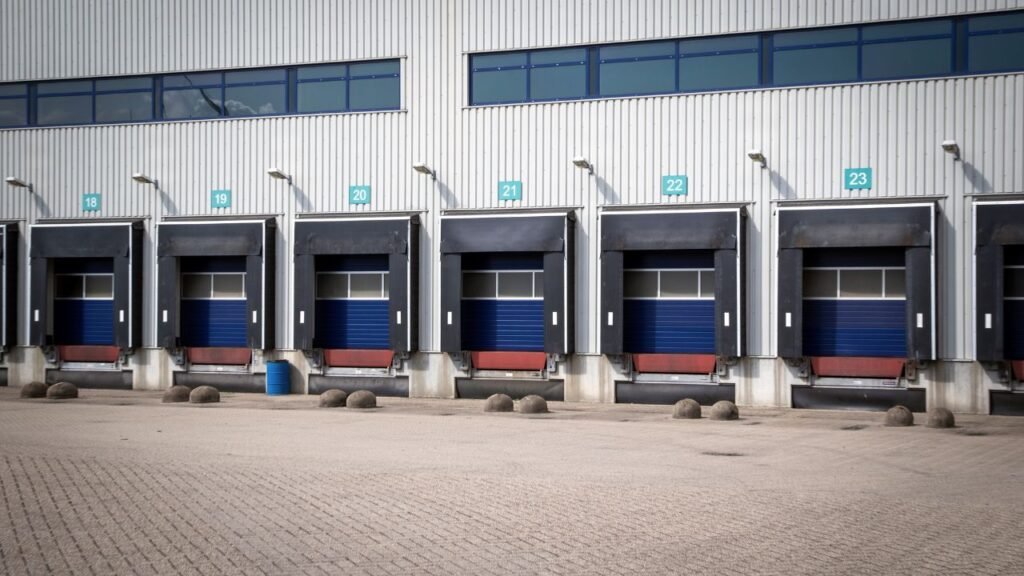
When it comes to loading bay construction, we recognize the importance of creating spaces that enhance efficiency and safety. Our approach combines innovative design with durable materials to meet the unique needs of businesses. As we explore the key features and configurations of effective loading bays, you’ll see how thoughtful planning can transform logistics operations. Let’s examine how these elements come together to optimize productivity and address future challenges in the industry.
When we consider the flow of goods in and out of a facility, the importance of loading bay design becomes clear. A well-designed loading bay isn’t just a convenience; it’s essential for efficiency and safety. It directly affects how quickly products can be loaded and unloaded, which, in turn, impacts our overall productivity.
If the loading bay isn’t optimized, we risk delays that can ripple through our operations, leading to missed deadlines and unhappy customers. Moreover, poor design can create safety hazards for our workers, increasing the likelihood of accidents.
An effective loading bay should incorporate several key features to maximize efficiency and safety. First, we need ample space for maneuvering vehicles, ensuring drivers can easily access loading docks without tight turns or obstacles. Next, proper lighting is vital; well-lit areas help prevent accidents and improve visibility during loading and unloading operations.
Additionally, durable flooring is essential, as it must withstand heavy loads and the wear and tear from machinery. We should also consider incorporating effective drainage systems to manage spills and rainwater, keeping the area safe and clean.
Another important feature is clear signage, which helps direct traffic and indicates loading procedures. Finally, installing safety barriers can protect personnel and equipment from potential accidents. By focusing on these key features, we can create a loading bay that enhances productivity while prioritizing safety for everyone involved.
Understanding the various types of loading bay configurations is essential for optimizing logistics and operational efficiency. Each configuration has unique advantages that cater to different operational needs. Here are some common types we can consider:
Selecting the right materials for loading bay construction is essential for durability and efficiency. We often use concrete as our primary material due to its strength and resilience. It can withstand heavy loads and harsh weather conditions, making it ideal for high-traffic areas. Additionally, we incorporate steel reinforcements to enhance structural integrity and provide additional support.
For the flooring, we focus on non-slip surfaces to guarantee safety during loading operations. We might also consider using rubber mats in specific areas to reduce noise and provide cushioning for workers. Furthermore, we sometimes use high-quality sealants to protect surfaces from spills and wear, prolonging the lifespan of the loading bay.
Lastly, we pay close attention to drainage materials to prevent water accumulation, which can lead to unsafe conditions. By carefully selecting the right materials, we create a functional and safe loading bay that meets our clients’ needs.
Concrete stands out as the backbone of loading bay construction, offering unmatched strength and durability. By choosing concrete, we guarantee our loading bays can handle the rigors of daily operations. Here are some benefits we can all appreciate:
When constructing loading bays, we must prioritize safety to protect everyone on-site. This includes ensuring proper use of personal protective equipment, effective site traffic management, and thorough hazard identification procedures. By addressing these key areas, we can create a safer working environment for all involved.
In a bustling loading bay, safety is our top priority, and personal protective equipment (PPE) plays an essential role in guaranteeing everyone’s well-being. We must equip ourselves with the right gear to minimize risks and protect ourselves from potential hazards.
Here’s what we need to prioritize:
Effective site traffic management is essential for maintaining safety during loading bay construction. We need to establish clear traffic routes that separate construction vehicles from pedestrian pathways. By using signage, barriers, and cones, we can guide both workers and vehicles, reducing the risk of accidents. It’s vital to communicate these routes to all personnel on-site, ensuring everyone understands their responsibilities. Regular safety briefings help reinforce these protocols. We should also schedule deliveries during off-peak hours to minimize congestion. In addition, using trained personnel to direct traffic can enhance safety. By prioritizing effective site traffic management, we’re not just protecting ourselves; we’re creating a safer environment for everyone involved in the loading bay construction process. Let’s stay vigilant and proactive!
Maintaining safety during loading bay construction requires more than just managing site traffic; it also involves identifying potential hazards early on. By proactively spotting risks, we can create a safer environment for everyone involved. Here are some common hazards we should be on the lookout for:
How can we create a loading bay layout that maximizes efficiency and safety? First, we should assess the flow of goods. It’s essential to arrange loading docks to minimize the distance between storage and transport zones. We can implement a one-way traffic system to reduce congestion and guarantee smooth movement for vehicles and personnel.
Next, let’s incorporate clear signage and designated pathways. This helps everyone know where to go, reducing the risk of accidents. We should also allocate enough space for maneuvering large vehicles, assuring that forklifts and trucks can operate without hindrance.
Finally, we can optimize the layout by using adjustable shelving and modular designs. This allows us to adapt the space as needs change, maintaining efficiency over time. By focusing on these key elements, we can create a loading bay layout that enhances productivity while prioritizing safety for all involved.
As we explore the integration of technology in loading bays, it becomes clear that leveraging advanced tools can greatly streamline operations. By incorporating innovative solutions, we enhance efficiency, reduce errors, and improve safety. Here are some key technologies we can implement:
Incorporating these technologies not only boosts productivity but also provides data-driven insights that can inform future improvements in our loading bays. Embracing these advancements is essential for staying competitive in today’s logistics landscape.
As we explore loading bay construction, we can’t overlook the importance of environmental considerations. By focusing on sustainable material selection and effective waste management practices, we can minimize our ecological footprint. Let’s discuss how these approaches not only benefit the planet but also enhance project efficiency.
When we consider the impact of our construction projects on the environment, selecting sustainable materials becomes essential. By choosing eco-friendly options, we not only reduce our ecological footprint but also promote a healthier future. Here are some sustainable materials we can consider:
Effective waste management practices are essential in minimizing the environmental impact of our construction projects. We can start by evaluating the types of waste generated on-site and implementing strategies to reduce, reuse, and recycle materials. By sorting our waste into designated bins, we’re ensuring that recyclables don’t end up in landfills. We also need to take into account sourcing materials with minimal packaging and using prefabricated components, which can greatly cut down on waste. Regular training for our team on best practices keeps everyone informed and engaged. Furthermore, partnering with local recycling facilities helps us responsibly process the waste we can’t reuse. Through these efforts, we’re not just protecting the environment, but also enhancing our project’s sustainability and efficiency.
To keep our loading bays functioning smoothly, regular maintenance is essential. By implementing a few straightforward practices, we can guarantee safety and efficiency in our operations. Here are some tips to take into account:
As we tackle loading bay projects, we often face challenges like space constraints and design limitations. These issues can complicate our planning and execution, especially when we factor in weather impacts on our schedules. Let’s explore how we can effectively address these hurdles together.
While we navigate the complexities of loading bay construction, space constraints often emerge as a significant challenge. We must carefully consider the layout and design to maximize efficiency. Here are some factors we typically evaluate:
Weather conditions can greatly impact our scheduling during loading bay projects, presenting challenges that require careful planning. When it rains or storms, we often face delays that can push back timelines. Additionally, extreme heat can affect concrete curing times, leading us to adjust our work hours to guarantee ideal conditions. We must also consider seasonal changes, as certain months may bring unpredictable weather patterns. To counter these issues, we develop contingency plans and maintain open communication with our team and clients. By staying proactive, we can minimize disruptions and keep our projects on track. Ultimately, understanding weather’s influence helps us create realistic schedules, guaranteeing we deliver quality results on time.
When planning a loading bay construction project, understanding the various cost factors is essential for staying on budget and ensuring efficiency. We need to take into account several key elements that can greatly influence the overall expenditure.
Successful loading bay projects showcase how thoughtful planning and execution can lead to efficient operations and cost savings. We’ve seen notable examples where our strategic approaches transformed logistics capabilities. Here are a few case studies that highlight successful outcomes:
| Project Name | Key Features | Results |
|---|---|---|
| Warehouse A | Improved dock layout | Increased throughput by 30% |
| Distribution B | Advanced automation | Reduced loading times by 25% |
| Retail Center C | Multi-functional bays | Saved 15% in operational costs |
| Manufacturing D | Enhanced safety features | Zero accidents reported |
These case studies illustrate how tailored solutions can address specific challenges, resulting in enhanced efficiency and profitability. By learning from these successes, we can apply similar strategies to future projects, ensuring we achieve ideal loading bay performance that meets our clients’ needs.
To guarantee our loading bay projects achieve ideal results, we prioritize collaboration with logistics experts from the onset. By leveraging their insights, we ascertain that our designs meet operational needs and enhance efficiency. Here are some key areas where their expertise proves invaluable:
Engaging with logistics experts not only streamlines the construction process but also results in a loading bay that supports ongoing business operations. Their experience and knowledge help us identify potential challenges early, allowing us to adapt our approach and deliver a facility that truly serves its purpose. Together, we create solutions that work efficiently, ascertaining our clients’ success.
As we look ahead, it’s clear that loading bay design is evolving to meet the demands of a rapidly changing logistics landscape. We’re seeing a shift towards more adaptable, efficient, and sustainable solutions that enhance operational efficiency.
To illustrate, let’s examine three key trends shaping the future of loading bays:
| Trend | Description | Impact |
|---|---|---|
| Automation | Integration of automated systems for loading/unloading | Reduces labor costs and increases speed |
| Sustainability | Use of eco-friendly materials and energy-efficient designs | Minimizes environmental impact |
| Flexibility | Modular designs that can adapt to various vehicle sizes | Accommodates diverse logistics needs |
When it comes to loading bay construction in Florida, we’ve got to be on the ball! We need several permits, including a building permit and possibly zoning approvals. Depending on the location, environmental permits might also be necessary. It’s vital to check with local authorities to guarantee we’re covering all bases. Maneuvering the permitting process can be tricky, but it’s fundamental for keeping our project on track and compliant.
A typical loading bay construction project usually takes about 4 to 12 weeks, depending on various factors. We’ve found that site preparation, weather conditions, and the complexity of the design all play significant roles. If we encounter any unexpected issues, it might extend the timeline. However, we always aim to complete projects efficiently while maintaining high-quality standards. Keeping communication open helps us guarantee everyone’s on the same page throughout the process.
When it comes to the best contractors for loading bay construction, we recommend looking for companies with strong experience, positive reviews, and a solid portfolio. Local firms often understand regional regulations and can provide personalized service. We’ve found that asking for recommendations from industry peers can also lead us to reliable contractors. Always check their credentials and past projects to verify they meet our specific needs and standards.
We often see common mistakes in loading bay design that we should avoid. First, not considering vehicle sizes can lead to congestion. Second, neglecting proper drainage can cause water pooling, creating hazards. Third, inadequate lighting affects safety and efficiency. Finally, overlooking accessibility for both vehicles and personnel can hinder operations. By being mindful of these pitfalls, we can create a more functional and safe loading bay that meets our needs effectively.
To guarantee compliance with local building codes, we should start by researching regulations, consulting with experts, and reviewing plans thoroughly. We can also engage local authorities, seek necessary permits, and conduct regular inspections. It’s vital to stay informed about any changes in codes, adjust our designs accordingly, and document every step. By working collaboratively and proactively, we’ll create a safe, compliant loading bay that meets all legal requirements and functions effectively.
 Call Now