When it comes to medical equipment foundation installation, we recognize its critical role in the healthcare environment. That’s why our Healthcare Support Concrete Squad in Florida focuses on delivering precision and reliability. Each foundation we create is designed to enhance the performance and lifespan of essential equipment. But what exactly goes into ensuring these installations meet the highest standards? Let’s explore the many facets that contribute to successful medical equipment foundations.
When we consider the critical role that medical equipment plays in patient care, we can’t overlook the importance of its foundation. A sturdy foundation guarantees that equipment operates reliably, which directly impacts patient safety and treatment outcomes. Without a solid base, even the most advanced machines can fail, leading to costly downtime and potential risks to patients.
We must recognize that every piece of medical equipment, from MRI machines to surgical tables, requires precise installation and robust support to function effectively. This foundation minimizes vibration, enhances accuracy, and prolongs the life of the equipment.
Moreover, creating a well-structured foundation helps healthcare facilities comply with regulations and standards, fostering an environment where quality care can thrive. By prioritizing the installation of strong foundations, we’re investing in the future of healthcare, assuring that both patients and providers benefit from the reliability of essential medical technologies.
As we explore the role of the Healthcare Support Concrete Squad, we’ll see how their expertise and training play an essential part in the installation process. They guarantee that every step meets safety and compliance standards, which is critical for the integrity of medical equipment foundations. Let’s uncover how this specialized team contributes to a successful installation.
While we often think of medical equipment as purely high-tech, the role of the Healthcare Support Concrete Squad is essential in ensuring a solid foundation for this technology. Our team’s expertise lies in understanding the unique requirements of healthcare facilities. We’ve undergone extensive training in concrete installation, structural integrity, and safety protocols specifically tailored for medical environments. Each member brings specialized skills, from engineers to skilled laborers, ensuring we meet the high standards demanded by healthcare providers. We continuously update our training to stay current with industry standards and emerging technologies. By combining our knowledge and experience, we’re dedicated to creating reliable, long-lasting foundations that support the advanced medical equipment vital for patient care and safety.
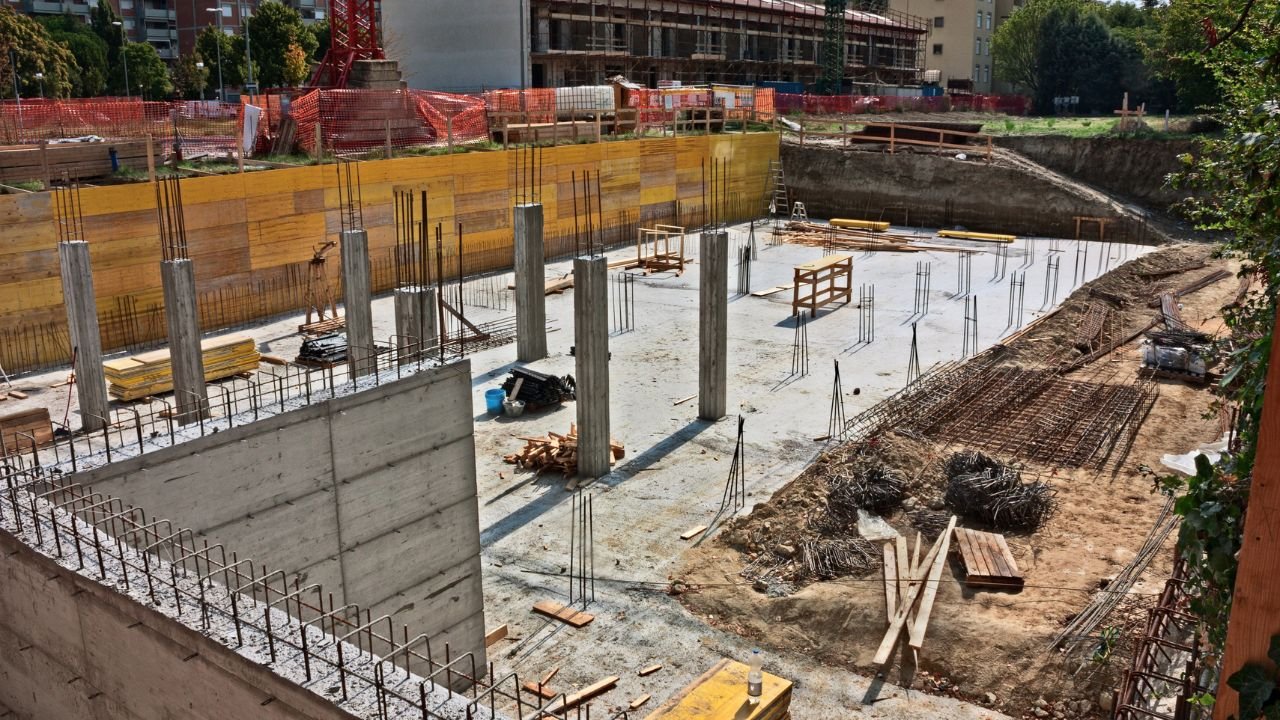
Understanding the installation process is essential for ensuring that medical equipment functions effectively and safely. Our Healthcare Support Concrete Squad plays an important role in this operation. We start by evaluating the installation site, ensuring it meets all necessary specifications. Next, we prepare the foundation, which involves pouring concrete that meets strength and durability requirements. Once the concrete has cured, we carefully position and secure the medical equipment, aligning it with precise measurements. Throughout the process, we collaborate closely with other healthcare professionals to guarantee everything aligns with operational needs. By focusing on these steps, we help create a sturdy foundation that supports essential medical equipment, allowing healthcare providers to deliver the best possible care to their patients.
Ensuring that safety and compliance standards are met during medical equipment foundation installation is essential for protecting both patients and staff. We recognize that adhering to these standards not only prevents accidents but also guarantees the structural integrity of the installations. Our team rigorously follows guidelines set forth by regulatory bodies, ensuring every step of the installation process aligns with best practices. We conduct regular inspections, use quality materials, and employ skilled professionals to minimize risks. Additionally, we prioritize training and communication within our squad, fostering a culture of safety. By making safety a cornerstone of our operations, we maintain a secure environment, allowing healthcare providers to focus on delivering quality care without unnecessary concerns about equipment stability.
When we consider the various types of medical equipment that require specialized foundations, it is crucial to recognize the unique demands each piece places on its environment. Equipment like MRI machines and CT scanners, for instance, often need reinforced concrete bases to handle their substantial weight and vibration. These machines operate best on stable, vibration-free surfaces, ensuring accurate imaging.
Additionally, linear accelerators used in radiation therapy require even more robust foundations due to their intricate calibration and operational needs. We also can’t overlook the importance of specialized foundations for life-support systems, which must remain stable and secure under all circumstances.
As we explore the key challenges in medical equipment installation, it’s clear that the process involves much more than simply placing machines in designated areas. One major challenge we face is guaranteeing proper alignment and leveling, which is essential for the equipment’s functionality. If the foundation isn’t perfectly set, it can lead to inaccurate readings or even equipment failure.
Another hurdle is coordinating schedules with various teams, including construction, electrical, and plumbing. Delays in one area can impact the entire installation timeline. We also encounter regulatory compliance issues, as each piece of equipment must meet strict health and safety guidelines.
Finally, training staff on the new equipment is crucial; without proper knowledge, even the best installation can falter. By addressing these challenges head-on, we can guarantee a smoother changeover and ultimately better patient care in healthcare facilities.
As we explore innovative techniques for concrete installation, we’ve got some exciting advancements to share. Advanced pouring methods and precision leveling techniques are transforming how we approach foundation work for medical equipment. Let’s look at how these strategies can enhance our installation processes and guarantee ideal results.
Innovative pouring methods are transforming how we approach concrete installation, making it faster and more efficient. By utilizing techniques like slipforming and pump placement, we can guarantee a more consistent flow, reducing the potential for errors. These methods allow us to tackle complex shapes and large volumes with ease.
In addition, employing self-consolidating concrete can eliminate the need for extensive vibration, saving us time and labor costs. With advancements in technology, we’re also integrating automated systems for monitoring and adjusting the pour in real-time, enhancing precision.
As we embrace these advanced pouring methods, we’re not just improving our processes; we’re also setting new standards for quality and durability in every project we undertake.
Building on the efficiency gained from advanced pouring methods, precision leveling techniques play a significant role in guaranteeing a flawless finish for concrete installations. We utilize laser-guided systems to achieve exact measurements, minimizing the risk of uneven surfaces. These tools help us maintain consistency across large areas, which is vital when installing medical equipment foundations.
Additionally, we often employ vibration techniques that help settle the concrete evenly, eliminating air pockets that can compromise structural integrity. By carefully monitoring humidity and temperature, we secure ideal curing conditions, further enhancing the durability of our work. With these methods, we don’t just meet industry standards; we exceed them, providing a solid foundation that supports essential healthcare technology effectively.
When we consider the installation of heavy medical equipment, ensuring structural integrity is essential for safety and functionality. These machines, like MRI machines and surgical tables, can weigh thousands of pounds, so we must take the right steps to support their weight. First, we assess the building’s foundation, checking for any weaknesses or signs of stress. We then design a support system that distributes the weight evenly, using reinforced concrete and appropriate anchor points.
During installation, we meticulously align the equipment, ensuring that it’s level and stable. This helps prevent any unnecessary wear or malfunction over time. We also recommend regular inspections to maintain structural integrity, as shifts can occur with heavy loads. By focusing on these critical aspects, we create a safe environment for medical staff and patients alike, promoting efficient operation in healthcare settings. Our goal is to lay a solid foundation for both equipment and care.
To guarantee a successful installation of medical equipment, we prioritize collaboration with healthcare facilities from the outset. By engaging closely with hospital staff, architects, and project managers, we ascertain that everyone’s insights and expertise are integrated into the planning process. This teamwork allows us to identify specific requirements and potential challenges, which helps us create tailored solutions that meet each facility’s unique needs.
We hold regular meetings to discuss timelines, logistics, and any concerns that may arise. This open line of communication fosters trust and transparency, making it easier to adapt as the project progresses. Furthermore, by understanding the workflows and daily operations of healthcare providers, we can plan installations that minimize disruption to patient care.
Ultimately, our collaborative approach not only streamlines the installation process but also contributes to a smoother shift for healthcare facilities as they prepare to utilize cutting-edge medical equipment.
As we collaborate with healthcare facilities, guaranteeing compliance with safety regulations and standards remains a top priority throughout the installation process. We recognize that adhering to these guidelines is vital for the safety of both patients and staff. Our team meticulously follows established protocols to create a secure environment.
To achieve this, we focus on:
Quality foundations in medical equipment installation directly influence patient care, guaranteeing that healthcare facilities operate efficiently and safely. When we prioritize strong, stable foundations, we’re not just supporting equipment; we’re enhancing the environment in which patients receive care. Well-installed medical devices, backed by quality foundations, minimize the risk of malfunction and guarantee precise operation, which is vital during critical moments.
Moreover, reliable foundations contribute to the overall functionality of healthcare spaces. They help maintain ideal conditions for various equipment, from imaging machines to life-support systems, which ultimately affects patient outcomes. We recognize that when equipment is installed correctly, healthcare professionals can focus on what truly matters: providing high-quality care to their patients.
In short, investing in quality foundations is investing in patient safety and satisfaction. By supporting healthcare facilities in this way, we’re helping to create a healthier, more effective healthcare system for everyone.
When we look at successful installations by our squad, it becomes clear how critical our approach is to ensuring medical equipment operates at its best. Each project highlights our commitment to precision and quality, which ultimately benefits patient care. Here are a few notable case studies that showcase our expertise:
These examples reflect our dedication to delivering optimal solutions that meet the unique needs of healthcare facilities. By focusing on the details, we ensure that every installation contributes to better patient outcomes and operational efficiency.
False. As we look ahead, we see exciting trends shaping the future of medical equipment foundation installation. One significant shift is the increasing use of advanced materials, like lightweight composites and high-strength concrete, which enhance durability and reduce installation time.
We’re also noticing a rise in automation. Robotic systems are becoming integral in the installation process, ensuring precision and efficiency while minimizing human error. Moreover, integrating smart technology allows for real-time monitoring of foundation stability, ensuring safety and compliance with health regulations.
Sustainability is another key trend. We’re focusing on eco-friendly practices, such as using recycled materials and energy-efficient machinery, which align with the growing demand for green construction.
Collaboration with healthcare professionals is essential, as they provide insights into specific needs for equipment placement. Embracing these trends not only improves our installation processes but also enhances the overall healthcare environment, ultimately benefiting patient care.
False. We’re proud of the training and expertise that our Concrete Squad team possesses. Each member brings a wealth of knowledge, ensuring high-quality installation of medical equipment foundations. Our rigorous training programs and hands-on experience equip us to handle the unique challenges of healthcare environments.
As we install medical equipment foundations, we need to prioritize sustainable material selection and effective waste management strategies. By making eco-friendly choices, we can minimize our environmental impact and promote a healthier planet. Let’s explore how these practices can enhance our installation processes while benefiting the environment.
When we choose materials for medical equipment foundation installation, we must prioritize sustainability to minimize our environmental impact. Selecting eco-friendly materials not only supports the planet but also enhances the durability and efficiency of our installations. By considering sustainable options, we can contribute to a healthier future for healthcare facilities.
To effectively manage waste during medical equipment foundation installations, we need to implement strategic practices that minimize our environmental footprint. First, we should assess the project site to identify recyclable materials and hazardous waste. By sorting and separating these materials, we can divert a significant amount from landfills. Next, we’ll collaborate with local recycling facilities to guarantee proper disposal and recycling processes are in place. Additionally, we can reduce excess waste by ordering precise quantities of materials, avoiding overproduction. Training our team on waste reduction techniques will empower everyone to contribute actively. Finally, we’ll track our waste management efforts, allowing us to improve our strategies continuously. Together, we can make a positive impact on our environment while delivering quality installations.
While many may consider DIY options for installing medical equipment foundations, the cost-effectiveness of hiring professionals often outweighs the initial savings. We recognize that budgets are tight, but investing in expert installation can lead to long-term benefits that far exceed the upfront costs.
Here are a few reasons why professional services make sense:
Investing in professional foundation installation not only guarantees a secure setup but also garners positive feedback from those directly affected—healthcare professionals. We’ve heard firsthand accounts from doctors and nurses who appreciate the stability and reliability that comes with a well-installed foundation. They often mention how vital it is for their medical equipment to operate without interruptions, as it directly impacts patient care.
One healthcare administrator shared, “Since the installation, we’ve noticed a significant reduction in equipment malfunctions.” This sentiment is echoed across various facilities, where professionals feel confident that their equipment will perform efficiently.
Moreover, many have expressed gratitude for the timely completion of installations, allowing them to focus on their primary goal—providing excellent patient care. When healthcare professionals endorse our work, it reinforces our commitment to quality. We’re proud that our foundation installations contribute to the efficiency and safety of healthcare environments.
The average timeline for foundation installation projects typically ranges from a few weeks to a couple of months. It really depends on factors like project size, site conditions, and weather. We usually start with site preparation, followed by pouring the concrete, and then curing time. Throughout the process, we keep communication open to address any potential delays. So, if you’re planning a project, it’s best to account for these variables to set realistic expectations.
They say, "You get what you pay for," and that rings true when selecting a contractor for foundation installation. We should start by researching local contractors, checking their reviews and past work. Getting multiple quotes helps us gauge pricing and services. It’s essential to guarantee they’re licensed and insured. Finally, we should trust our instincts—communication and professionalism matter. A solid foundation starts with the right team, so let’s choose wisely!
Yes, there are warranties available for foundation installations. Typically, contractors offer various warranties that cover defects in materials and workmanship. We should always ask potential contractors about the specific warranty terms and what they include, like the duration and any exclusions. It’s crucial to read the fine print to understand what’s covered. By knowing this, we can make informed decisions and guarantee our investment is protected for years to come.
Think of a sturdy bridge, built to last, needing regular check-ups to guarantee safety. Similarly, medical equipment foundations require routine inspections for cracks or shifts, confirming they remain stable and secure. We recommend cleaning the surface to prevent debris buildup, checking for any signs of wear, and guaranteeing proper drainage to avoid water damage. By staying proactive, we can maintain the integrity of these essential structures, just like we would care for that bridge.
To guarantee minimal disruption during installation, we can plan meticulously. We’ll schedule work during off-peak hours, communicate clearly with all stakeholders, and keep pathways clear for easy access. Using efficient equipment helps us speed up the process, and we’ll consider temporary barriers to minimize noise and dust. By coordinating with nearby facilities, we can address concerns proactively, guaranteeing everyone stays informed and comfortable throughout the installation.
 Call Now