
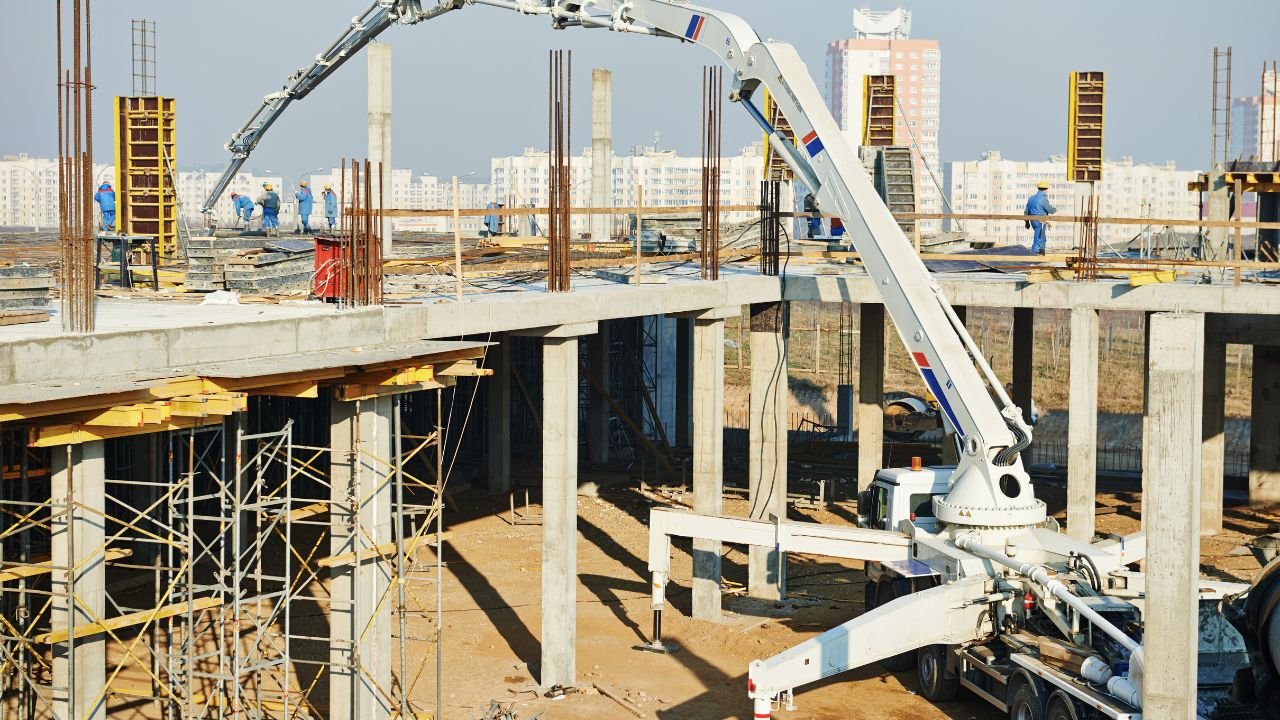
Did you know that the foundation of a municipal building can greatly impact its longevity and stability? As members of the Government Concrete Squad in Florida, we recognize the critical role quality foundations play in supporting community structures. Our approach involves meticulous planning and site assessments, yet challenges often arise during installation. Let’s explore how these foundations not only support buildings but also enhance the infrastructure of our communities.
When we think about municipal buildings, the foundation often gets overlooked, yet it’s vital for the structure’s longevity and safety. A quality foundation supports the entire building, absorbing loads and guaranteeing stability. Without it, we risk structural failures that could lead to costly repairs or even danger to occupants.
Moreover, a well-constructed foundation helps prevent issues like water infiltration and soil erosion, which can compromise the building’s integrity over time. It’s important to take into account local soil conditions and environmental factors during the foundation installation process. This attention to detail guarantees we’re building on solid ground, literally and figuratively.
Investing in a high-quality foundation not only protects our investment but also serves the community for years to come. By prioritizing this aspect of municipal construction, we’re laying the groundwork for a safer, more resilient future. Let’s not underestimate the importance of a strong foundation in our community projects.
As we explore the essential roles of municipal building projects, it’s important to recognize the Government Concrete Squad, a dedicated team responsible for ensuring high-quality concrete installations. This squad plays a vital role in laying the groundwork for various municipal structures, from community centers to public libraries. They meticulously oversee every aspect of concrete work, ensuring compliance with local regulations and industry standards.
Our squad consists of skilled professionals, including engineers, project managers, and laborers, all working in harmony to deliver lasting results. We prioritize teamwork and communication, allowing us to address challenges promptly and efficiently. By using advanced techniques and equipment, we enhance the durability and strength of the foundations we create.
Ultimately, the Government Concrete Squad stands as a pillar of support in municipal projects, reinforcing our commitment to building safe and resilient communities for everyone.
When it comes to municipal projects, we often choose between shallow and deep foundations based on our needs. Shallow foundations are great for lighter structures, while deep foundations offer advantages in areas with unstable soil. Let’s explore how each type serves different purposes in our building efforts.
Shallow foundations play a crucial role in municipal projects, providing essential support for various structures. These foundations are typically placed close to the ground surface, making them cost-effective and quicker to install. Common types include spread footings, which distribute the building’s load over a broader area, and slab-on-grade foundations that create a solid base for buildings, especially in areas with stable soil. We often choose shallow foundations when soil conditions are favorable, as they require less excavation and material than deeper options. By understanding the benefits of shallow foundations, we can make informed decisions to guarantee our municipal buildings are stable, durable, and efficient, ultimately serving the community’s needs effectively.
While shallow foundations work well in many scenarios, deep foundations offer distinct advantages that are particularly valuable in municipal projects. They provide enhanced stability, especially in areas with poor soil conditions or high water tables. Additionally, deep foundations can support heavier loads, making them ideal for large structures like government buildings.
Here’s a quick comparison of deep foundation types:
| Foundation Type | Advantages | Common Uses |
|---|---|---|
| Pile Foundations | Excellent load capacity | High-rise buildings |
| Caisson Foundations | Deep anchorage | Bridges, piers |
| Drilled Shafts | Versatile and durable | Heavy machinery bases |
| Micropiles | Minimal site disruption | Tight spaces |
As we plan our municipal building foundation, we need to evaluate site assessments and structural engineering requirements carefully. Understanding the unique characteristics of our site helps us make informed decisions. Let’s explore how these factors shape our foundation design and installation process.
To guarantee a successful municipal building foundation installation, we must first conduct a thorough site evaluation that considers various planning and design factors. This includes analyzing soil conditions, drainage patterns, and existing structures. We’ll examine the topography to identify any potential challenges, such as slopes or wetlands, that could affect our foundation’s stability. Additionally, we should consider local zoning regulations and environmental impact requirements to ensure compliance. Understanding the site’s historical usage can also provide insights into any unforeseen issues. By carefully evaluating these elements, we can create a solid foundation plan tailored to the specific needs of the municipal building, ultimately leading to a more efficient and cost-effective installation process.
When we consider the structural engineering aspects of our foundation installation, it’s important to prioritize load-bearing capacities and material selections. We need to evaluate the soil conditions to guarantee our foundation can support the intended load without settlement issues. Selecting high-quality materials like reinforced concrete is vital for durability and stability. Additionally, we should account for local environmental factors, such as seismic activity or flooding risks, which can impact our design. Proper reinforcement and drainage solutions will further enhance the foundation’s performance. By collaborating closely with engineers and adhering to building codes, we can create a robust foundation that stands the test of time, assuring safety and functionality for the municipal building.
Site assessment and preparation lay the groundwork for a successful municipal building foundation installation. We begin by evaluating the site’s topography and soil conditions. This involves analyzing soil stability, drainage patterns, and any potential hazards that could affect construction. By conducting thorough geotechnical investigations, we guarantee that the foundation will rest on solid ground.
Next, we clear the site of debris and vegetation, creating a clean slate for our work. We take measurements to mark out the foundation’s footprint, guaranteeing precision in our layout. During this process, we also consider existing utilities and any necessary relocations.
Finally, we focus on drainage solutions to prevent future water issues. By addressing these factors, we set the stage for a strong, durable foundation that meets all municipal standards. Proper site assessment and preparation are essential steps in guaranteeing the longevity and stability of the building to come.
With a solid site prepared, we can now turn our attention to the materials used in foundation construction. The right materials are essential for ensuring the stability and durability of the foundation. Typically, we use concrete, steel reinforcements, and gravel, each serving a specific purpose.
Here’s a quick overview of these materials:
| Material | Purpose |
|---|---|
| Concrete | Provides strength and stability |
| Steel Reinforcement | Enhances tensile strength |
| Gravel | Aids in drainage and stability |
| Waterproofing Membrane | Protects against moisture |
| Anchor Bolts | Secures the structure to the foundation |
Ensuring compliance with safety regulations is essential for our foundation installation process, as it not only protects workers but also guarantees the integrity of the entire structure. We prioritize the well-being of our team by adhering to strict safety protocols, including proper training and the use of personal protective equipment. Before starting any project, we conduct thorough risk assessments to identify potential hazards and implement appropriate measures to mitigate them.
Regular inspections are part of our routine, ensuring that equipment and work areas meet safety standards. We also encourage open communication, allowing our team to report concerns without hesitation. By fostering a culture of safety, we create an environment where everyone feels responsible for their safety and that of their colleagues. This commitment to safety not only enhances our work quality but also builds trust with our clients, ensuring that every foundation we install is built on a solid, secure base.
As we explore the installation of concrete for municipal building foundations, we must consider the environmental impact of our methods. Concrete production and installation can affect our surroundings, so we need to implement sustainable practices. Here are some key considerations:
As we move forward with the foundation installation, it’s essential we focus on effective communication strategies among all team members. Keeping track of our timeline and milestones will guarantee we’re all on the same page and can address issues promptly. Let’s explore how these elements will enhance our project management and coordination efforts.
How can we foster effective communication in project management and coordination during the municipal building foundation installation? Clear communication is essential for our project’s success. Here are four strategies we can implement:
To guarantee our municipal building foundation installation stays on track, we must prioritize timeline and milestone tracking throughout the project. This involves setting clear deadlines for each phase and regularly reviewing our progress against these benchmarks. By breaking the project into manageable tasks, we can identify potential delays early on and address them promptly.
We’ll use project management tools to document our milestones and update them as needed. Regular team meetings will help us stay aligned, ensuring everyone understands their responsibilities and deadlines. By collectively monitoring our timeline, we’ll maintain focus and momentum, ensuring we complete the foundation installation efficiently and on schedule. By staying proactive, we can deliver a solid foundation for our community’s future.
While traditional methods have served us well, we’re now embracing advanced techniques in foundation installation that considerably enhance stability and efficiency. These innovations not only improve our processes but also guarantee longevity for municipal buildings. Here are some techniques we’re using:
These advanced techniques not only optimize our work but also guarantee we’re meeting the diverse needs of our communities effectively. By adopting these methods, we’re setting a new standard in foundation installation.
Let’s explore some case studies that showcase successful municipal projects. We’ll highlight key project overviews, the challenges faced, and the innovative solutions implemented. Together, we’ll also examine the long-term impacts these projects have had on our communities.
As we explore the successful municipal projects that exemplify effective foundation installation, we see how strategic planning and collaboration can lead to remarkable outcomes. Here are some highlights from our case studies:
These elements have been essential in achieving successful foundations for municipal buildings, showcasing our commitment to excellence in every project we undertake.
Every successful project comes with its own set of challenges, and municipal foundation installations are no exception. We’ve faced issues like unexpected soil conditions, which can complicate our plans and timelines. In one case, we encountered unstable ground that required additional excavation and reinforcement. To tackle this, we collaborated closely with geotechnical engineers to devise a foundation design that guaranteed stability without delaying the project.
Another challenge has been coordinating with various stakeholders, such as city planners and environmental agencies. By establishing open lines of communication and setting clear expectations, we’ve managed to keep everyone on the same page. These experiences have taught us valuable lessons, helping us refine our strategies and improve our approach for future installations.
While the challenges of municipal building foundation installations can be intimidating, the long-term community impact of successful projects often outweighs these difficulties. When we reflect on notable case studies, we see how these foundations can transform communities. Here are some key benefits we’ve observed:
When we plunge into the challenges faced during foundation installation, we quickly realize that several factors can complicate the process. Weather conditions often throw a wrench in our plans; heavy rain or extreme heat can delay progress and affect the concrete’s integrity. Additionally, the soil conditions play a vital role; rocky or unstable ground can require extra preparation, leading to increased time and costs.
We also encounter logistical challenges, like coordinating equipment and materials on-site. Limited access points can make it tough to maneuver heavy machinery, which adds to the complexity. Safety is another concern; ensuring our team is protected while working with heavy materials is paramount. And let’s not forget about the need for accurate measurements and alignment; even a slight miscalculation can result in major issues down the line. Tackling these challenges head-on is essential for a successful foundation installation.
To guarantee the longevity of concrete foundations, we must prioritize regular maintenance and inspections. By doing so, we can identify potential issues early and guarantee the structural integrity of our buildings. Here are four essential maintenance tasks we should perform:
Reliable infrastructure plays an essential role in shaping the quality of life in our communities, as it directly affects safety, accessibility, and economic growth. When we invest in reliable municipal foundations, we create a ripple effect that enhances our daily lives. Let’s look at how this impacts us:
| Aspect | Benefits | Examples |
|---|---|---|
| Safety | Fewer accidents | Well-maintained roads |
| Accessibility | Easy access to services | Public transport systems |
| Economic Growth | Attracting businesses | Commercial developments |
| Community Well-being | Improved public spaces | Parks and recreational areas |
As we continue to prioritize reliable infrastructure, it’s important to contemplate how future trends in municipal foundation construction can shape our communities. By staying ahead of the curve, we can guarantee that our foundations are not only strong but also sustainable. Here are four trends we should watch:
The average timeline for municipal foundation projects typically ranges from three to six months. We often start with site preparation, which can take weeks depending on the location’s conditions. Then, the actual foundation work generally follows, lasting several weeks. Weather, permitting issues, and project complexity can all influence timelines. By staying proactive and communicating closely, we can usually keep things on track and guarantee a smooth process overall.
Weather conditions greatly affect foundation installation schedules. When it rains, the ground can become too soft for proper work, delaying our progress. Extreme heat can also lead to issues like rapid drying of concrete, which can compromise its strength. We’ve learned to monitor forecasts closely and adjust our timelines accordingly. By planning for weather-related disruptions, we can guarantee a smoother installation process and maintain the quality of our work.
When it comes to warranties for municipal foundation work, we typically offer several options. These can include structural warranties, which cover defects in workmanship or materials for a specified period, often ranging from five to ten years. We also provide limited warranties against settlement issues during the first few years. It is crucial to review the specific terms with us, as they can vary based on the project and local regulations.
We address community concerns during foundation projects by actively engaging with residents through meetings and open forums. We listen to their feedback and guarantee they understand the project’s impact. Additionally, we provide regular updates on progress and any changes that may arise. By fostering a collaborative environment, we can find solutions that meet community needs while maintaining project integrity. It’s important to us that everyone feels heard and valued throughout the process.
What do you think it costs to install a municipal foundation? We find that costs can vary widely, usually ranging from $100,000 to over $1 million, depending on factors like size, soil conditions, and design complexity. We also need to take into account expenses for permits, materials, labor, and any unexpected issues that arise. Understanding these costs helps us make informed decisions and guarantees we stay within budget while meeting community needs.
 Call Now