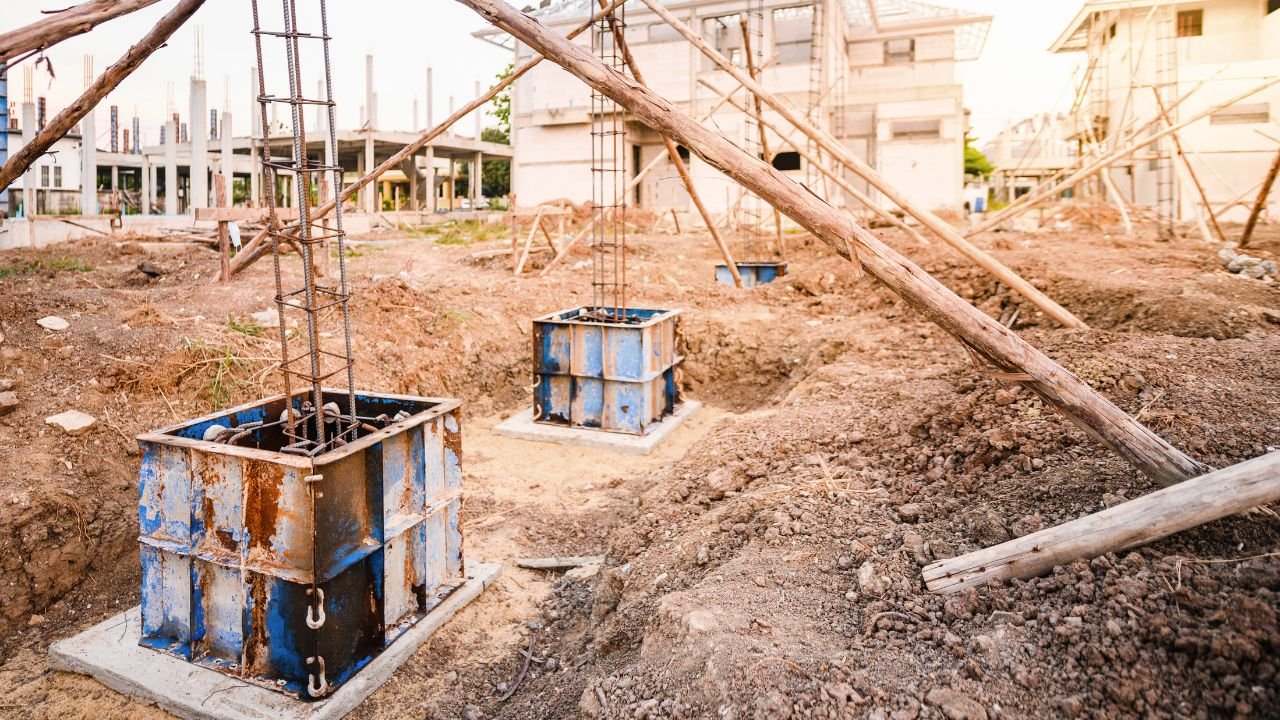
At Support Structure Concrete Squad, we prioritize stability, durability, and compliance when it comes to pier and post foundation installation. We recognize the unique challenges various terrains present, and we’re here to provide tailored solutions. By conducting thorough site assessments and choosing the right materials, we guarantee your foundation stands the test of time. So, what does our meticulous process look like, and how can it benefit your project? Let’s explore further.
When we think about building sturdy structures, understanding pier and post foundations becomes vital. These foundations provide strong support by elevating a structure above the ground, helping to prevent water damage and soil instability. Fundamentally, the design consists of vertical posts or piers that bear the weight of the building, distributing it evenly across a wider area.
We often find pier and post foundations in areas prone to flooding or where the soil isn’t stable enough for traditional foundations. By raising the structure, we create a barrier against moisture and pests, enhancing longevity.
Installation involves careful planning; we must assess soil conditions and choose suitable materials to guarantee stability. Proper spacing and alignment of the posts or piers are essential for balance and strength. Understanding these fundamentals helps us appreciate the significance of pier and post foundations in creating resilient buildings that stand the test of time.
When we consider pier and post foundations, we quickly see their numerous advantages. They provide enhanced stability and support, making them a reliable choice for various structures. Plus, they’re cost-effective and adaptable to different terrains, which is a huge bonus for any construction project.
Although many foundation types exist, we often find that pier and post foundations offer enhanced stability and support for various structures. These foundations elevate a building above ground level, reducing the risk of water damage and soil erosion. By distributing weight evenly across the posts, they help prevent settling and shifting, which can lead to structural issues. We also appreciate that pier and post foundations are adaptable to uneven terrain, making them ideal for diverse landscapes. Their design allows for easy adjustments and repairs, ensuring long-term durability. With proper installation, these foundations can withstand harsh weather conditions, providing peace of mind for homeowners and builders alike. Ultimately, they create a strong, reliable base for any construction project.
Not only do pier and post foundations provide stability, but they also represent a cost-effective construction method. By minimizing the amount of concrete and materials needed, we can save both time and money during installation.
Here’s a quick breakdown of the financial benefits:
| Benefit | Details |
|---|---|
| Reduced Material Costs | Less concrete and timber needed |
| Faster Installation | Quicker setup saves labor costs |
| Lower Maintenance | Durable design requires less upkeep |
| Versatile Use | Suitable for various structures |
With these advantages, we can appreciate how pier and post foundations deliver an efficient solution that meets our budgetary needs while ensuring a solid support structure for our projects.
Building on the cost-effective advantages we’ve explored, pier and post foundations shine in their adaptability to various terrain types. Whether we’re dealing with sandy soil, rocky landscapes, or even swampy areas, these foundations provide a reliable solution. Their elevated design minimizes soil disturbance, allowing us to build on unstable ground without compromising structural integrity. This flexibility means we can install them in locations where traditional foundations might struggle or be impractical. Plus, with minimal excavation required, we reduce the environmental impact and construction time. Ultimately, pier and post foundations give us the confidence to tackle diverse landscapes, ensuring a solid and lasting support structure for our projects, no matter the terrain we’re working with.
Now that we grasp the benefits of pier and post foundations, let’s walk through the installation process together. We’ll cover the essential steps of site preparation, concrete pouring techniques, and the curing and finishing process. By following these steps, we can guarantee a strong and durable foundation for our structure.
When we prepare a site for pier and post foundation installation, several essential steps guarantee a solid and stable base. First, we assess the land to identify any obstacles, like trees or rocks, that could interfere with the foundation. Next, we clear the area, ensuring it’s free of debris and vegetation. After that, we perform soil testing, which helps us understand its load-bearing capacity and drainage characteristics. Once we have this information, we level the ground to create an even surface for the foundation. Finally, we mark the layout for the piers, ensuring they’re positioned correctly according to the foundation plan. By following these steps, we set the stage for a successful pier and post installation.
Several key techniques guarantee a successful concrete pouring process during pier and post foundation installation. First, we make certain the area is properly prepared and the forms are secure, as this prevents any shifting during the pour. Next, we mix the concrete to the right consistency; it shouldn’t be too watery or too thick. When we begin pouring, we do it steadily, avoiding splashes or air pockets, which can weaken the structure. Using tools like vibrators helps us settle the concrete evenly, eliminating any trapped air. Finally, we keep an eye on the weather, pouring on a cool day if possible, to make certain the concrete sets properly. By following these techniques, we lay a solid foundation for the rest of the project.
After we’ve successfully poured the concrete, the curing and finishing process becomes essential for ensuring a durable foundation. We begin by covering the freshly poured concrete with moisture-retaining materials, like burlap or plastic sheeting. This helps maintain the right humidity and temperature, critical for proper curing. Over the next several days, we monitor the concrete, ensuring it’s kept damp to prevent cracking and promote strength.
Once curing is complete, we proceed to finishing. This involves smoothing the surface and adding any texture needed for aesthetics or safety. We take care to remove any imperfections, ensuring the foundation is not only strong but visually appealing. By following these steps diligently, we guarantee a solid and reliable foundation for your structure.
Before we begin the pier and post foundation installation, it’s vital to conduct a thorough site evaluation and preparation. We’ll start by examining the soil type and condition, as this directly impacts the foundation’s stability. We need to check for any underground utilities or drainage issues that could complicate our work.
Next, we should evaluate the surrounding landscape and guarantee there’s enough space for our equipment and materials. This helps us avoid any unexpected obstacles during installation.
After evaluating the site, we’ll clear the area of debris, vegetation, and any existing structures that might interfere with our foundation. Proper grading is also essential; it guarantees water drains away from the foundation, preventing future issues.
When selecting materials for our pier and post foundation, it’s essential that we take into account both durability and environmental factors. The right materials not only guarantee the longevity of our structure but also contribute to its stability. We should prioritize options that withstand the elements while minimizing our ecological footprint.
Here are some key materials to take into account:
Now that we’ve chosen our materials, it’s time to focus on digging and setting the piers. We’ll cover the essentials of site preparation, effective pier placement techniques, and the concrete pouring process. Let’s get started on laying a strong foundation for our project.
To guarantee a successful pier and post foundation installation, we must focus on thorough site preparation, which involves careful digging and precise setting of the piers. Proper site preparation lays the groundwork for stability and strength. Here are some essentials we need to take into account:
Successful pier placement requires precision and attention to detail, guaranteeing each pier is positioned correctly for ideal support. First, we need to mark the locations based on our foundation plans. Then, we dig holes to the required depth, taking care to maintain consistent spacing. Here’s a simple overview of the process:
| Step | Description | Tools Needed |
|---|---|---|
| Marking Locations | Use stakes and string to outline | Stakes, String |
| Digging Holes | Excavate to required depth | Post hole digger, Shovel |
| Checking Alignment | Assure vertical and horizontal | Level, Measuring Tape |
| Setting Piers | Place piers into the holes | Crane, Level |
| Backfilling | Fill around piers for stability | Shovel, Tamper |
As we prepare to pour concrete for our piers, it’s essential to guarantee that the holes are clean and properly shaped. This step guarantees our foundation is strong and stable. Once we’ve confirmed the holes are ready, we mix the concrete to the right consistency, then carefully pour it into each hole, making sure to eliminate any air pockets.
Here’s what we focus on during this process:
This careful approach lays the groundwork for a solid foundation.
Connecting the posts is an essential step that guarantees the stability and integrity of our pier and post foundation. We begin by selecting high-quality materials, ensuring they can withstand the elements. Using brackets and bolts, we securely attach each post to its corresponding pier. This connection is vital; it provides the necessary support to distribute weight evenly across the foundation.
Once we’ve positioned the posts, we double-check that each connection is tight. We recognize that any loose or weak joints can lead to structural issues down the line. It’s also important to keep safety in mind, as we work with heavy materials and tools.
After all posts are connected, we take a moment to review our work. This step gives us confidence in the foundation’s durability before moving on to the next phase. By taking our time, we lay the groundwork for a sturdy structure.
When we’re installing the pier and post foundation, ensuring proper alignment and leveling is essential. We’ll explore the tools that help us achieve accuracy, the importance of keeping everything level, and some common mistakes we should watch out for. Let’s get started on making sure our foundation is solid!
Achieving accurate alignment and leveling is essential for a successful pier and post foundation installation, and we’ve found that using the right tools makes all the difference. With the correct equipment, we can guarantee everything is perfectly positioned, setting a strong foundation for our project. Here are some key tools we rely on:
Leveling is essential for guaranteeing that our pier and post foundation is not only stable but also functional. When we take the time to level properly, we set the stage for a strong support structure. A well-leveled foundation helps distribute weight evenly, preventing future issues like shifting or settling.
| Benefit | Description |
|---|---|
| Stability | Reduces risk of movement or collapse |
| Weight Distribution | Guarantees even load across the structure |
| Longevity | Extends the lifespan of the foundation |
| Aesthetic Appeal | Creates a visually pleasing result |
While we may think we’ve done everything right, common alignment mistakes can still creep into our pier and post foundation installation. It’s vital to recognize these errors early on to avoid issues down the line. Here are some common alignment mistakes we should watch out for:
To guarantee the longevity and stability of pier and post foundations, we must prioritize effective waterproofing and drainage solutions. Proper management of water is essential in preventing erosion and damage. We can utilize various techniques to ascertain our foundations remain protected.
Here’s a quick comparison of some waterproofing and drainage options we can consider:
| Solution | Benefits |
|---|---|
| French Drains | Redirects water away effectively |
| Waterproof Membranes | Creates a barrier against moisture |
| Gravel Backfill | Enhances drainage and reduces pressure |
After securing our pier and post foundations with effective waterproofing and drainage solutions, we must also confirm compliance with local building codes. These regulations are vital to guarantee safety, longevity, and functionality of our structures. Ignoring them can lead to costly consequences down the line.
Here are some key points to reflect on:
Since proper maintenance is essential for guaranteeing the longevity of our pier and post foundations, we should establish a regular routine to keep everything in top shape. First, let’s inspect the area around the foundation regularly for any signs of erosion or water pooling. We must address drainage issues promptly to prevent damage. Additionally, we should check for any signs of moisture or rot on the posts, especially if they’re wooden. Applying a sealant can help protect them from the elements.
It’s also important to keep vegetation away from the foundation, as roots can compromise stability. We should consider periodic inspections by a professional to catch any potential problems early. Finally, documenting our maintenance activities can help us track any changes over time. By following these tips, we can guarantee our pier and post foundations remain strong and durable for years to come.
While we may endeavor for a flawless installation of our pier and post foundations, various challenges can arise that threaten their integrity. We’ve encountered these common issues and found effective solutions to guarantee a sturdy foundation.
When considering foundation options, it’s important to understand how pier and post foundations stack up against other types. Pier and post foundations offer several advantages, especially in areas with unstable soil or high moisture levels. Unlike traditional slab foundations, which can crack and shift, pier and post systems elevate structures, protecting them from flooding and erosion.
Comparatively, concrete block foundations may also provide stability, but they often require extensive excavation and can be more costly. On the other hand, pier and post foundations are generally quicker and easier to install, minimizing disruption to the surrounding landscape.
Additionally, while crawl space foundations allow for easy access to plumbing and electrical systems, they can be prone to moisture issues. Pier and post foundations mitigate this risk, making them a smart choice for many homeowners. Ultimately, the right foundation depends on your specific needs, budget, and site conditions.
As we explore various case studies of successful pier and post foundation installations, it’s clear that these systems can excel in diverse environments. We’ve seen firsthand how this foundation type adapts to different conditions, ensuring strong support for structures. Here are some highlights from our experiences:
These case studies not only showcase the adaptability of pier and post systems but also reinforce their reliability. Each installation teaches us valuable lessons, helping us refine our techniques and better serve our clients. We’re proud to share these successes with you!
Choosing the right team for your pier and post foundation project can make all the difference. At Support Structure Concrete Squad, we bring years of experience and expertise to every job. Our skilled professionals understand the unique challenges each project presents and approach them with tailored solutions. We prioritize quality, ensuring that our materials and techniques meet the highest standards.
When you choose us, you’re not just hiring a service; you’re partnering with a team dedicated to your success. We listen to your needs, providing clear communication throughout the process. Our commitment to safety and efficiency sets us apart, allowing us to complete projects on time and within budget.
Moreover, we’re proud of our satisfied customers who’ve seen the difference our work makes. By choosing Support Structure Concrete Squad, you’re investing in a solid foundation for your home that will stand the test of time. Let’s build something great together!
A pier and post foundation can last anywhere from 20 to 50 years, depending on various factors. Think of it as a sturdy bridge, gracefully supporting your home over time. We’ve seen these foundations thrive when cared for, with moisture protection and proper ventilation. However, neglect can shorten their lifespan. By staying proactive in maintenance, we can guarantee our homes stand tall and proud, anchored securely for generations to come.
Yes, pier and post foundations can be used in various soil types, but their effectiveness depends on specific conditions. We should evaluate soil composition, drainage, and stability to determine suitability. For instance, sandy or clay soils may require additional support. It’s essential to consult with experts to guarantee the foundation’s integrity and longevity. By doing so, we can make informed decisions that lead to a strong, reliable structure for our needs.
When we compare costs, pier and post foundations often come out cheaper than slab foundations, especially in challenging soil conditions. While slab foundations can require extensive grading and preparation, pier and post structures minimize this need. However, costs can vary based on site specifics, materials, and local labor rates. We should always consider both initial and long-term maintenance expenses to get a complete picture of the overall investment.
Just as a tree bends with the wind, we must adapt our installation process to weather conditions. Rain can delay our work, while extreme heat might affect curing times. Cold temperatures can hinder our ability to pour concrete effectively. We’ve learned that monitoring forecasts helps us plan better, ensuring we’re ready to tackle any weather challenge, keeping our projects on track. Understanding these factors is key to a successful foundation installation.
Yes, permits are typically required for pier and post installations. We need to check local regulations to guarantee compliance, as they can vary by area. Obtaining the necessary permits helps us avoid fines and guarantees the structure’s safety and longevity. It’s important to start this process early, so we can move forward smoothly and efficiently. Let’s work together to gather all the required documentation before beginning our installation project.
 Call Now