
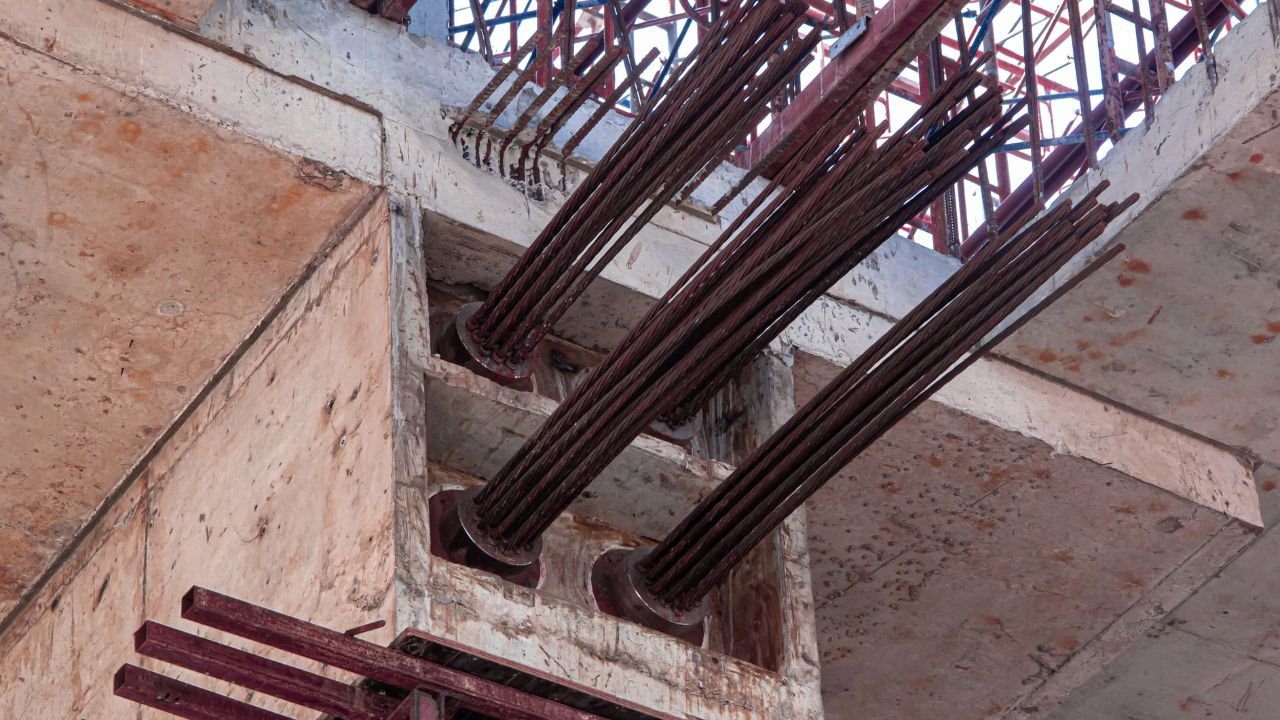
When we think about the construction of modern parking garages, the role of post-tension concrete systems becomes clear. These innovative techniques allow for longer spans and thinner slabs, which are essential in maximizing space and durability. At Advanced Concrete Squad Florida, we harness this technology to not only enhance structural integrity but also adapt to Florida’s unique climate challenges. Curious about how this all comes together? Let’s explore the details further.
As we explore post-tensioning technology, it is essential to recognize how it revolutionizes concrete construction. This innovative method involves the use of high-strength steel tendons, which are tensioned after the concrete has cured. By doing this, we create a compressive force within the concrete, allowing it to withstand greater loads and resist cracking.
We can visualize the process: once the concrete hardens, we pull the tendons tightly, effectively “pre-stressing” the structure. This technique not only enhances the structural integrity but also enables us to design thinner slabs and longer spans, which can greatly reduce material costs.
Moreover, post-tensioning allows for greater flexibility in architectural designs, making it an attractive choice for modern construction projects. As we investigate deeper into this technology, it’s clear that post-tensioning plays an essential role in advancing the efficiency and durability of concrete structures.
When we consider the benefits of post-tension concrete, we see how it enhances structural integrity while allowing for reduced material usage. This approach not only strengthens our designs but also improves construction flexibility. Let’s explore how these advantages can transform our building projects.
Post-tension concrete systems greatly enhance structural integrity, ensuring that our buildings can withstand various stresses over time. By using high-strength steel tendons, we effectively compress the concrete, allowing it to resist tensile forces that would typically lead to cracking. This proactive approach minimizes the risk of structural failure, which is essential for both safety and longevity. Additionally, the controlled tensioning of the tendons during construction helps us achieve ideal load distribution, making our structures more resilient against environmental factors like wind and seismic activity. As a result, we enjoy improved performance and durability, reducing the need for frequent repairs and maintenance. Ultimately, this technology empowers us to create safer, more reliable buildings for our communities.
The enhanced structural integrity offered by post-tension concrete systems naturally leads to reduced material usage. By employing this technology, we can achieve stronger structures with less concrete and steel. The tensioning of cables within the concrete allows us to optimize material placement, ensuring we use just what’s needed for durability and strength. This efficiency not only minimizes waste but also lowers costs, making projects more economical. Additionally, lighter structures can simplify foundation requirements, further reducing material demands. As we implement post-tension methods, we’re not just conserving resources; we’re also promoting sustainability in construction. Fundamentally, by embracing this innovative approach, we’re paving the way for more responsible building practices while maintaining robust structural performance.
Although traditional concrete methods often limit design options, embracing post-tension concrete gives us remarkable construction flexibility. With its ability to effectively manage tension and stress, we can create longer spans and more open spaces without the need for excessive support columns. This means we can design buildings with unique shapes and layouts, catering to a variety of aesthetic and functional requirements. Additionally, post-tensioning allows us to optimize material usage, reducing overall weight and enabling innovative architectural designs. By utilizing this advanced technology, we can tackle complex projects with ease, transforming our visions into reality. Ultimately, post-tension concrete empowers us to push boundaries, enhancing both the beauty and functionality of our structures.
When we consider the intricate process of post-tensioning, it becomes clear that this technique is essential for enhancing concrete structures’ strength and durability. Fundamentally, we start by placing high-strength steel tendons within the concrete forms. After the concrete cures, we tension these tendons by applying a significant force, which compresses the concrete. This compression counteracts tensile forces that the structure will face later.
Here’s a quick overview of the process:
| Step | Description |
|---|---|
| 1. Tendon Placement | Steel tendons are positioned in forms. |
| 2. Concrete Pouring | Concrete is poured and allowed to cure. |
| 3. Tensioning | Tendons are tensioned, compressing the concrete. |
This process not only improves load-bearing capacity but also minimizes cracking, making post-tensioned structures more resilient and long-lasting.
Post-tension systems rely on several key components that work together to enhance the performance of concrete structures. First, we have the high-strength steel tendons, which are the backbone of the system. These tendons are placed within ducts in the concrete and are tensioned after the concrete has cured. Next, we need the anchorages, which secure the tendons at both ends, allowing us to apply the necessary tension to compress the concrete.
Additionally, we use ducts that house the tendons, guaranteeing they’re protected during the concrete pouring and curing process. The concrete itself plays a vital role, as it must be strong enough to withstand the forces exerted by the tensioned tendons. Finally, we can’t forget about the specialized equipment used for tensioning, which guarantees precision and safety throughout the process. Together, these components create a robust system that greatly enhances concrete’s structural capacity.
The key components of post-tension systems make them highly effective in various commercial construction applications. We often see these systems utilized in parking garages, where the flexibility and strength they provide allow for expansive, column-free spaces. This design not only enhances vehicle movement but also maximizes usable area.
In addition, post-tensioning is ideal for high-rise buildings. It supports higher loads and longer spans, which means we can create stunning architectural designs while maintaining structural integrity. Retail spaces benefit too, as the reduced floor thickness leads to lower material costs and faster construction timelines.
Moreover, we’re finding post-tension systems in industrial facilities, where durability and resilience are essential for heavy machinery and equipment. By adopting these innovative techniques, we’re improving efficiency and safety across commercial projects, ensuring they meet modern demands while staying within budget.
When we consider post-tension concrete systems for residential projects, we notice several key advantages. This approach not only enhances structural integrity but also helps reduce material costs and speeds up the construction timeline. Let’s explore how these benefits can transform our home-building experience.
While many homeowners seek durability and longevity in their residential projects, enhanced structural integrity often becomes a key consideration. By utilizing post-tension concrete systems, we can achieve superior strength and stability in our homes. Here are a few advantages we should consider:
Incorporating these systems not only improves the structural integrity of our homes but also provides peace of mind knowing we’ve made a smart investment.
One significant benefit of post-tension concrete systems is their potential for reduced material costs in residential projects. By using high-strength steel strands and optimizing concrete placement, we can minimize the amount of material needed while still ensuring structural integrity. This means we can use thinner slabs and lighter beams, which not only cuts down on material expenses but also reduces the overall weight of the structure. Consequently, we can save on both concrete and reinforcement costs, making our projects more budget-friendly. Additionally, these savings can empower us to allocate funds to other essential aspects of the build, such as energy-efficient features or aesthetic upgrades, ultimately enhancing the overall value of our homes.
Since we’re always looking to improve efficiency in our residential projects, post-tension concrete systems offer a remarkably faster construction timeline. By utilizing this innovative method, we can streamline our processes and deliver homes more quickly. Here are a few key advantages:
As we confront Florida’s unique climate challenges, it is essential to recognize how post-tension concrete systems can enhance our infrastructure’s resilience. These systems are designed to withstand the intense heat and humidity that characterize our state, ensuring that structures remain stable and durable over time. By incorporating high-strength steel tendons that are tensioned after the concrete sets, we create a framework that minimizes cracking and improves load-bearing capacity.
Moreover, post-tension concrete is less susceptible to the effects of moisture and corrosion, making it an ideal choice in regions prone to heavy rains and flooding. We can also optimize our construction methods to reduce waste and enhance energy efficiency, aligning with sustainable practices that are critical in today’s climate-conscious environment. By choosing post-tension concrete, we’re not just building for today; we’re investing in a resilient future that can weather Florida’s challenges head-on.
Building on the resilience offered by post-tension concrete systems, we can greatly enhance structural integrity in our projects. By incorporating these advanced techniques, we guarantee our structures are not only stronger but also more durable. Here are three key ways we achieve this:
Controlled Stress Distribution: Post-tensioning allows us to distribute stress evenly throughout the concrete, reducing the risk of cracks and weaknesses.
Flexibility in Design: With post-tension systems, we can create longer spans and open spaces, maximizing the utility of our structures without compromising strength.
Improved Load Capacity: These systems considerably increase load-bearing capacity, making our buildings safer and more reliable under various conditions.
As we explore ways to reduce construction costs with post-tension concrete systems, we can see how enhanced structural efficiency plays a key role. By optimizing design and using less material, we not only save money but also improve overall project sustainability. Let’s look at how these strategies can impact our bottom line.
While we explore the benefits of post-tension concrete systems, it’s clear that enhanced structural efficiency plays a crucial role in reducing construction costs. By optimizing how we design and construct, we can achieve significant savings. Here are three key ways this efficiency manifests:
Longer Spans: We can create structures with longer spans, which reduces the need for additional columns and foundations, saving on material and labor costs.
Reduced Deflection: The technology minimizes deflection in beams and slabs, allowing for thinner elements without compromising safety or performance.
Fewer Cracks: Post-tensioning controls cracking, enhancing durability and reducing the need for costly repairs down the line.
Embracing these efficiencies not only streamlines our projects but also contributes to a more sustainable construction approach.
By optimizing structural designs, we can greatly lower material requirements in post-tension concrete systems. This approach helps us use fewer resources while maintaining the strength and durability needed for construction. With reduced concrete and steel usage, we not only cut costs but also contribute to a more sustainable building process.
By strategically placing tendons and adjusting dimensions, we distribute loads more efficiently, allowing us to construct thinner slabs and lighter beams. This means less material goes into each project, which can considerably decrease waste.
Ultimately, lowering material requirements not only streamlines our construction process but also enhances our competitiveness in the market. Together, we can embrace these advancements for smarter, more economical building solutions.
Sustainability in construction practices is crucial for reducing our environmental impact and promoting long-term resource efficiency. By adopting sustainable methods, we can guarantee that our construction projects not only meet current needs but also preserve resources for future generations. Here are three key practices we can implement:
Using Recycled Materials: Incorporating recycled materials in our concrete mix can greatly lower the demand for virgin resources and reduce waste.
Efficient Water Usage: Implementing water-saving measures during construction helps conserve this essential resource and minimize runoff.
Eco-friendly Construction Techniques: Employing techniques that require less energy and generate less waste can lead to more sustainable outcomes.
As we explore the safety considerations in post-tensioning, it’s crucial to recognize that proper handling and installation are critical to preventing accidents and maintaining structural integrity. We must always prioritize the safety of workers on-site. Using appropriate personal protective equipment (PPE) is non-negotiable; hard hats, gloves, and steel-toed boots should be standard.
Additionally, we need to guarantee that all team members are trained in post-tensioning procedures and understand the potential hazards associated with high-stress cables. Regular inspections of equipment and materials can help us identify issues before they escalate.
It’s also essential to establish clear communication among the team, especially during tensioning operations. We should always remain vigilant, adhering to safety protocols and regulations. By fostering a culture of safety, we not only protect ourselves but also enhance the reliability of the structures we build. Together, we can mitigate risks and achieve successful project outcomes.
As we explore successful projects in Florida, we’ll highlight innovative structural applications of post-tension concrete systems. These projects not only showcase enhanced load-bearing capacity but also emphasize sustainability in construction. Together, we can see how these advancements are making a real difference in our built environment.
When we explore innovative structural applications of post-tension concrete systems, Florida provides a wealth of inspiring case studies that showcase their versatility and effectiveness. Here are three notable examples:
Miami’s Brickell City Centre: This mixed-use development highlights how post-tension concrete allows for expansive floor plates and sleek architectural designs.
Tampa’s Water Street: Here, the system’s strengths help support large open spaces, making it ideal for modern residential and commercial environments.
Orlando’s Dr. Phillips Center: The use of post-tensioning in this performing arts venue enables long spans and stunning, unobstructed views, enhancing the overall visitor experience.
These projects not only emphasize the structural benefits but also reflect the aesthetic possibilities that post-tension concrete offers.
Building on the innovative structural applications we’ve seen in Florida, the enhanced load-bearing capacity of post-tension concrete systems plays a pivotal role in the success of various projects. These systems allow us to create expansive structures without compromising strength. For instance, in a recent high-rise development in Miami, we utilized post-tension techniques to support multiple floors with reduced material usage while ensuring safety and durability. The ability to span greater distances means fewer columns, leading to more flexible interior spaces. Similarly, in a commercial complex in Orlando, we achieved remarkable load-bearing capabilities, allowing for larger retail areas. These case studies highlight how post-tension concrete not only meets but exceeds our expectations in structural performance and design adaptability.
While working for innovative solutions in construction, we’ve embraced sustainability as a core principle in our projects across Florida. Our commitment to eco-friendly practices has led to remarkable outcomes. Here are three successful case studies that highlight our efforts:
Green Roof Structures: We implemented green roofs in commercial buildings, which reduce energy consumption and improve air quality.
Recycled Materials: Many of our projects utilize recycled concrete and steel, minimizing waste and conserving resources.
Water-Efficient Designs: We’ve incorporated rainwater harvesting systems, promoting water conservation in residential developments.
As we explore the domain of post-tension design, we can’t help but marvel at the innovative techniques reshaping the industry. One significant advancement is the use of high-strength tendons, which allows for lighter structures and reduces the amount of concrete needed. This not only improves efficiency but also enhances the overall performance of the concrete.
We’ve also seen the integration of advanced software tools for precise analysis and design, enabling us to optimize layouts and predict performance under various loads. Additionally, smart sensors are becoming commonplace in post-tension systems, allowing for real-time monitoring of stress and strain.
These innovations drive us toward more sustainable and resilient structures. By embracing technology, we can guarantee our designs are not only efficient but also capable of meeting the demands of modern construction. Together, we’re paving the way for a future where post-tension design continues to evolve and improve.
How will emerging technologies shape the future of construction? As we look forward, we can see exciting advancements on the horizon that promise to revolutionize how we build. Here are three trends we believe will greatly impact the industry:
Building Information Modeling (BIM): This technology allows us to create detailed digital representations of buildings, enhancing collaboration and minimizing errors.
Drones: We’re using drones for site surveys, inspections, and progress monitoring, which increases efficiency and safety on job sites.
3D Printing: This innovative method enables us to produce building components quickly and cost-effectively, reducing waste and streamlining construction processes.
When selecting a contractor for our project, what key factors should we consider to guarantee we make the right choice? First, we should look for experience in post-tension concrete systems. A contractor with a solid track record in this specialized field will understand the nuances and requirements necessary for our project’s success.
Next, let’s evaluate their reputation. We can check reviews, ask for references, and even visit previous job sites to assess the quality of their work. It’s also essential to confirm they’re licensed and insured. This protects us from potential liabilities.
Communication is another important aspect. We want a contractor who listens to our needs and keeps us informed throughout the process. Finally, let’s compare quotes carefully, but remember that the lowest bid doesn’t always mean the best value. By considering these factors, we can confidently choose the right contractor for our project.
Typically, post-tensioning installation takes about one to three days, depending on the project’s complexity and size. We’ve found that factors like weather, crew experience, and site conditions can influence the timeline. Once the concrete is poured and cured, we tension the cables, which usually requires a day or two. We’re always focused on efficiency while ensuring quality, so we endeavor to keep the installation process smooth and timely.
We need to regularly inspect post-tension concrete structures for any signs of damage or stress. It’s essential to check the tensioning cables for corrosion and guarantee they’re properly anchored. We should also monitor for cracks or leaks in the concrete itself. Routine maintenance like sealing joints and keeping drainage systems clear helps prevent moisture buildup. By staying proactive, we can extend the lifespan and integrity of these structures considerably.
Yes, there are specific repair methods for post-tensioned systems. We can address issues like tendon corrosion or concrete cracking by using techniques such as epoxy injection, which seals cracks, or external tendon replacement for damaged tendons. We also consider re-tensioning if necessary. It’s important to assess the damage thoroughly, ensuring we choose the right method to restore the system’s integrity and safety effectively. Regular inspections help us catch problems early.
Post-tensioning can greatly streamline the construction timeline. For instance, in a recent project, we reduced the overall schedule by two weeks by using post-tensioned slabs. This technique allows for thinner slabs and less concrete, speeding up both pouring and curing. Additionally, because we can create longer spans without support, we minimize the need for temporary structures, which further accelerates the process. Overall, post-tensioning efficiently optimizes our construction timeline and resources.
We often hear misconceptions about post-tension concrete, like it being too complex or costly. In reality, it can actually save time and money over traditional methods. Some think it’s only for large structures, but it’s versatile enough for various projects. Others worry about safety, but when installed properly, it’s incredibly strong and reliable. Understanding these myths helps us appreciate the true benefits of post-tension concrete in modern construction.
 Call Now