
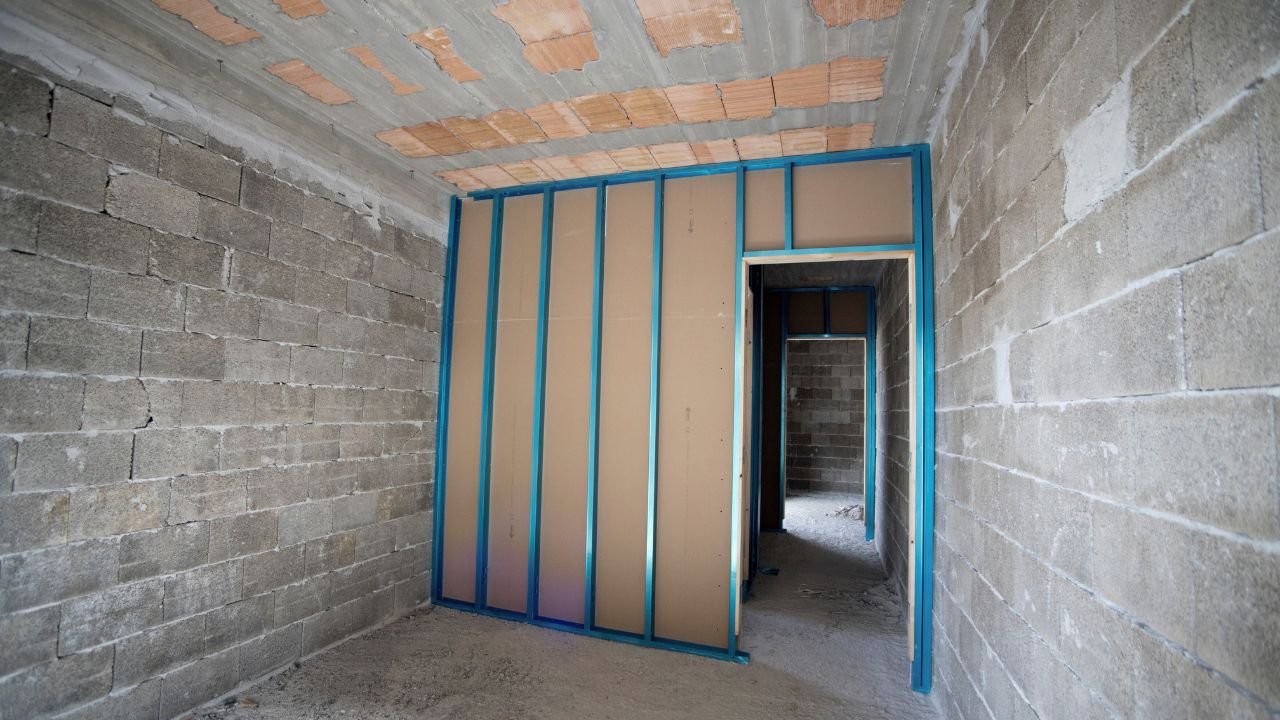
When we think about the safety of our families, constructing a safe room becomes an essential consideration. The Protection Concrete Squad in Florida specializes in creating these secure spaces, ensuring they meet all necessary standards. With our expertise in concrete technology, we focus on features that enhance structural integrity and safety. But what exactly should you know before starting on this important project? Let’s explore the essentials together.
As we navigate the uncertainties of modern life, the necessity of safe rooms in our homes becomes increasingly clear. With natural disasters, home invasions, and other unforeseen events looming over us, having a dedicated space for safety isn’t just a luxury; it’s a crucial consideration. We all seek peace of mind, and knowing we have a secure area can relieve some of that stress.
Safe rooms offer us a refuge, providing protection from severe weather and potential intruders. They can be designed to fit our specific needs, whether it’s reinforced walls or emergency supplies. As we invest in our homes, we must prioritize our safety and well-being.
Incorporating a safe room not only enhances our security but also adds value to our property. It’s an investment in our family’s future and peace, reminding us that preparedness is key in today’s unpredictable world.
As we explore safe room standards and regulations, it’s essential to understand how building code compliance plays a role in our designs. We’ll look into the design specifications that guarantee our safe rooms are both functional and secure. Additionally, we’ll highlight the necessary safety features that protect us during emergencies.
Understanding building code compliance is crucial for anyone considering safe room construction in Florida. It’s important to familiarize ourselves with the local regulations and standards, as they guarantee our safe rooms are built to withstand severe weather and other emergencies. Compliance not only assures safety but also protects our investment.
Here’s a quick overview of key compliance aspects:
| Aspect | Description | Importance |
|---|---|---|
| Structural Integrity | Must withstand high winds | Guarantees safety during storms |
| Materials Standards | Approved materials required | Durability and reliability |
| Ventilation Requirements | Proper airflow essential | Prevents mold and suffocation |
| Accessibility | Must be easily reachable | Guarantees quick access in emergencies |
Having established the importance of building code compliance, we now turn our attention to design specifications for safe rooms in Florida. Understanding these specifications is vital for guaranteeing our safe room can withstand severe weather events. We should consider factors like room size, materials, and structural reinforcements. Typically, safe rooms need to accommodate a specific number of occupants while providing adequate airflow and protection from debris. The walls, ceiling, and door must meet specific strength requirements to resist high winds and impacts. Additionally, we need to confirm proper drainage and ventilation systems are in place. By adhering to these design specifications, we can create a safe haven that truly protects us during emergencies.
To guarantee our safe room meets the necessary safety standards and regulations, we must focus on vital features that provide protection during extreme weather events. First, we need to confirm the walls are constructed with reinforced concrete or steel to withstand high winds and flying debris. Additionally, a secure door with a reliable locking mechanism is essential for preventing unauthorized entry and securing our safety. Proper ventilation is also important, as it allows us to breathe comfortably during extended periods inside. We’ll want to include communication devices like a radio to stay informed. Finally, we should follow local building codes and FEMA guidelines, which outline specific requirements that help us create a safe and effective refuge when we need it most.
When we consider the key features of an effective safe room, it’s crucial to prioritize both security and comfort. A well-designed safe room not only protects us during emergencies but also provides a sense of refuge. Here are five critical features to keep in mind:
Why should we consider the benefits of having a safe room? First and foremost, a safe room provides us with peace of mind. Knowing we have a secure space to retreat to during emergencies makes us feel more prepared and less anxious. It also enhances our home’s overall safety, protecting not just our family but our belongings as well.
Having a designated safe room can increase our property value, attracting potential buyers who appreciate the added security features. Additionally, it allows us to customize our protective measures tailored to our needs, whether it’s for natural disasters or intruders.
In addition, safe rooms can serve as a multi-functional space, offering storage for important documents or emergency supplies. Ultimately, investing in a safe room isn’t just about protection; it’s about creating a sanctuary for our loved ones in uncertain times.
While we may not always think about the dangers around us, safe rooms are designed to address several common threats we face, from natural disasters to home invasions. These fortified spaces provide peace of mind by offering protection against various risks. Here are some of the key threats that safe rooms can help mitigate:
A strong foundation is essential for any safe room, and that’s where the Protection Concrete Squad comes into play. We specialize in creating robust structures designed to withstand severe weather and other threats. Our team understands the unique requirements for safe room construction, making sure that every aspect is meticulously planned and executed.
From the initial consultation to the final touches, we work closely with you to guarantee your safe room meets all necessary safety standards. Our expertise in concrete technology allows us to provide solutions that enhance durability and protection. We focus on precise measurements, reinforcing key areas, and using advanced techniques to achieve peak strength.
Safety is our top priority, and we’re committed to delivering a product that not only meets but exceeds your expectations. With the Protection Concrete Squad on your side, you can rest easy knowing your safe room is built to last and protect.
When constructing a safe room, we need to choose materials that guarantee maximum protection. Reinforced concrete blocks, steel reinforcements, and impact-resistant doors are essential for creating a secure environment. Let’s explore how each of these materials contributes to the overall safety of our safe room.
Reinforced concrete blocks serve as a cornerstone in the construction of safe rooms, providing both strength and durability. When we choose these blocks, we’re ensuring our safe rooms can withstand extreme conditions. Here are some key benefits of using reinforced concrete blocks:
Steel reinforcements play an essential role in enhancing the structural integrity of safe rooms. By integrating steel bars, or rebar, into the concrete, we markedly boost its ability to withstand extreme forces, such as high winds or debris impact. This combination creates a robust framework that guarantees our safe rooms can endure various emergencies. When we install these reinforcements, we’re not just adding strength; we’re also improving the longevity of the structure. It’s vital to use the right type and quantity of steel to maximize effectiveness. We can’t overlook the importance of proper placement, as this directly affects the overall stability. With these reinforcements, we’re taking a proactive step toward guaranteeing safety and security for everyone inside.
While we prioritize the safety of our safe rooms, choosing impact-resistant doors is crucial for enhancing their protective capabilities. These doors not only withstand severe weather but also provide an added layer of security against intrusions. When selecting impact-resistant doors, we should consider the following materials and features:
When we consider adding a safe room to our homes, creating a space that seamlessly integrates with the overall design is essential. We want our safe room to feel like a natural extension of our living area, rather than an isolated fortress. To achieve this, we can choose materials and colors that match our existing decor. For instance, using similar paint colors or finishes can help the room blend in effortlessly.
Additionally, incorporating design elements like decorative shelving or custom cabinetry can enhance the aesthetics. Lighting also plays a vital role; we should opt for fixtures that complement our home’s style. If possible, we might even place the safe room in an area that’s less conspicuous, such as a basement or behind a false wall. By thoughtfully considering these aspects, we create a safe space that doesn’t compromise our home’s overall beauty or functionality.
Creating a safe room that complements our home’s design is just the beginning; we now need to focus on how to bring that vision to life through a well-planned construction process. This involves several vital steps to guarantee everything goes smoothly and safely.
As we consider the unique needs of our household, customizing our safe room becomes essential for ensuring it provides maximum protection and comfort. From choosing the right materials to selecting the layout, every detail matters. Here are some options we can explore:
| Feature | Options | Benefits |
|---|---|---|
| Reinforced Walls | Concrete, Steel, or Kevlar | Enhanced durability against threats |
| Entry Method | Standard Door, Biometric Lock | Improved security and access |
| Ventilation | Air Filtration Systems | Fresh air supply during emergencies |
| Communication | Two-Way Radios, Cell Signal Boost | Stay connected during crises |
| Interior Design | Shelving, Seating, and Storage | Organized and functional space |
When it comes to maintaining our safe rooms, regular inspections are a must. We should always check for structural integrity and make certain our emergency supplies are well-stocked and up to date. By staying on top of these tasks, we can guarantee our safe rooms remain a reliable refuge when we need them most.
To guarantee our safe rooms remain effective and functional, regular inspections are essential. By checking in on our safe rooms, we can catch potential issues early and make certain they’re ready when needed. Here’s what we should focus on during these inspections:
Maintaining the structural integrity of our safe rooms is essential for their effectiveness during emergencies. Regular checks help guarantee that our shelter withstands severe conditions. We should focus on three critical areas during our inspections: walls, entrances, and ventilation systems.
| Component | Frequency of Check | Signs of Damage |
|---|---|---|
| Walls | Every 6 months | Cracks, water stains |
| Entrances | Quarterly | Difficulty opening, rust |
| Ventilation | Annually | Blockages, unusual noises |
An effective emergency supplies management strategy is essential for guaranteeing our safe rooms are ready when we need them most. To achieve this, we need to regularly check and update our supplies. Here are five key items to focus on:
Many clients of Protection Concrete Squad have shared inspiring stories about how their safe rooms provided peace of mind during severe weather events. One family recounted how, during a particularly fierce storm, they huddled together in their newly constructed safe room, feeling secure as the winds howled outside. They expressed gratitude for the solid walls that sheltered them, allowing them to focus on each other rather than the chaos beyond.
Another client shared how their safe room served as a gathering place for neighbors during an unexpected tornado warning. They all felt a sense of community and safety, knowing they were protected together.
These stories remind us that our safe rooms aren’t just structures; they’re lifelines during turbulent times. By investing in a safe room, our clients have not only enhanced their home’s safety but also created a secure haven for their loved ones, reinforcing the importance of preparedness in our lives.
When contemplating the cost of safe room construction, we must take into account various factors that can greatly influence the overall investment. Understanding these considerations helps us make informed decisions and budget effectively. Here are five key factors to evaluate:
As we look ahead, we can see exciting advancements in safe room technologies on the horizon. Innovations in advanced materials promise to enhance durability, while smart safety systems will provide real-time monitoring and alerts. Together, these developments could redefine how we protect ourselves in emergencies.
While we often think of safe rooms as fortified spaces designed to withstand severe weather or intrusions, the future of safe room technologies is increasingly shaped by advanced materials innovation. These cutting-edge materials enhance strength, durability, and safety, making our safe rooms even more effective.
Here are some key advancements we can look forward to:
As we embrace these innovations, we can create safe rooms that not only protect us but also adapt to our changing needs in an unpredictable world.
With the rise of technology, smart safety systems are revolutionizing the way we think about safe room construction. These advanced systems enhance our protection by integrating cutting-edge technology. They monitor threats, provide real-time alerts, and can even control environmental conditions.
Here’s a glimpse of how these systems work:
| Feature | Description |
|---|---|
| Threat Detection | Identifies potential dangers early |
| Remote Monitoring | Access via smartphones or devices |
| Automated Alerts | Sends notifications to users |
| Environmental Control | Manages air quality and temperature |
| Backup Power Systems | Secures functionality during outages |
Selecting the right contractor for our safe room is essential, especially when safety is at stake. We want to guarantee that our investment protects us effectively, so let’s keep a few key factors in mind when making our choice:
Building a safe room typically takes about two to four weeks, depending on the design and materials we choose. We need to take into account factors like permits, weather, and our construction schedule. Once we finalize the details, we’ll get started on the foundation, walls, and installation of features like ventilation and doors. Ultimately, we’re committed to ensuring that it’s done right, providing you with a secure space for peace of mind.
Yes, safe rooms can definitely be added to existing homes! We can assess your space and design a safe room that fits within your current layout. It’s important to evaluate factors like location, materials, and local building codes. With the right planning and expertise, we can create a secure area tailored to your needs while ensuring it’s seamlessly integrated into your home. Let’s explore your options together and enhance your safety!
When it comes to safe rooms, we’ve got to get down to brass tacks. The average size typically ranges from 100 to 200 square feet, providing enough space for a few people and essential supplies. It’s vital to reflect on the number of occupants and what you’ll need inside. Ultimately, we should design our safe room to be functional while ensuring we feel secure and prepared for any situation.
Yes, safe rooms can be designed to be fire-resistant. We can choose materials like concrete, steel, and fire-rated drywall to enhance their ability to withstand high temperatures. By incorporating fire-resistant features, we guarantee that our safe rooms provide an extra layer of protection during emergencies. It’s crucial to plan these aspects during design to make certain we’re ready for any situation that might arise. Our safety matters, and fire resistance is a key part of that.
Safe rooms don’t necessarily require a separate entrance, but it’s often a good idea. Having an independent access point can provide quicker escape routes and enhance privacy during emergencies. We reflect on the layout and accessibility when designing them. If we’re planning for a safe room, we need to evaluate how easily we can enter and exit, ensuring it serves its purpose effectively during critical situations.
 Call Now