At Coastal Concrete Squad, we comprehend the unique challenges of constructing with concrete in saltwater environments. We’ve mastered the art of creating durable, saltwater-resistant concrete that stands the test of time. By focusing on the right mix and innovative installation techniques, we guarantee our projects meet the highest standards. But what really sets our approach apart? Let’s explore the key factors that contribute to the longevity and resilience of our coastal installations.
When we think about concrete’s durability, we can’t overlook its resistance to saltwater, especially in coastal areas. Saltwater can be incredibly harsh on standard concrete, leading to corrosion and deterioration over time. That’s why we need to understand the specific properties that enhance saltwater resistance in concrete. First, we should consider the type of aggregates used, as certain materials can withstand salt exposure better than others. Additionally, the incorporation of additives like pozzolans can considerably improve durability.
We also need to pay attention to the concrete’s permeability; lower permeability means less water infiltration, which helps protect against salt damage. Finally, proper curing is essential in achieving ideal strength and resistance. By focusing on these aspects, we can guarantee that our concrete installations stand the test of time against the relentless forces of saltwater, keeping our coastal structures strong and reliable for years to come.
Choosing the right concrete mix is essential for ensuring our installations can withstand the challenges posed by saltwater exposure. The durability of our structures largely depends on the composition of the concrete we use. By selecting a mix designed specifically for coastal environments, we greatly enhance our project’s longevity.
Here’s a quick reference table illustrating the importance of the right mix:
| Aspect | Impact | Example |
|---|---|---|
| Water-Cement Ratio | Affects strength and durability | Lower ratio = stronger |
| Aggregate Type | Influences resistance to salt | Use larger aggregates |
| Additives | Enhances performance | Include pozzolans |
To guarantee our concrete installations can withstand saltwater exposure, we need to focus on the essential ingredients that contribute to their resilience. First, we must incorporate a high-quality cement that’s specially formulated for coastal conditions. This type of cement helps enhance durability and reduces permeability. Next, using supplementary cementitious materials like fly ash or silica fume strengthens the concrete and provides added protection against corrosive elements.
We should also consider the aggregate we use; opting for coastal-resistant aggregates, such as granite or basalt, can further improve the concrete’s ability to resist saltwater damage. Additionally, a low water-to-cement ratio is vital, as it minimizes voids and enhances the concrete’s density.
Finally, incorporating corrosion inhibitors into the mix can safeguard reinforcement bars from salt-induced corrosion. By carefully selecting these essential ingredients, we can guarantee our concrete installations stand strong against the challenges of saltwater environments.
As we explore innovative techniques for coastal concrete installation, we can’t overlook the importance of advanced material selection. By utilizing specialized installation methods, we can guarantee our structures withstand the harsh saltwater environment. Additionally, applying long-lasting protective treatments helps enhance durability and longevity.
While we explore advanced material selection for saltwater-resistant concrete, it’s clear that innovative techniques can greatly enhance coastal installations. Using materials like high-performance concrete, we increase durability against saltwater exposure. Incorporating additives such as fly ash and slag can improve resistance to corrosion, ensuring longevity. We should also consider using fibers that enhance structural integrity and reduce cracking. Additionally, selecting a suitable aggregate is essential; recycled materials can offer both environmental benefits and improved performance. By focusing on these advanced materials, we not only meet the unique demands of coastal environments but also promote sustainability. Together, we can create concrete solutions that stand the test of time against the harsh realities of saltwater exposure.
Building on our advanced material selection, employing specialized installation methods is crucial for achieving peak performance in saltwater-resistant concrete. We focus on techniques that enhance the durability and longevity of our installations. For instance, we utilize proper curing processes to guarantee ideal hydration, which strengthens the concrete and reduces permeability. We also consider the placement timing, guaranteeing we pour during favorable weather conditions to avoid premature drying. Additionally, we implement reinforcement strategies, such as incorporating synthetic fibers or corrosion-resistant rebar, to bolster the structure’s resilience against harsh coastal environments. By combining these innovative methods, we maximize the effectiveness of our saltwater-resistant concrete, providing you with a robust solution that stands up to the challenges posed by coastal conditions.
To guarantee our saltwater-resistant concrete stands the test of time, we implement long-lasting protective treatments that guard against corrosive elements. These treatments enhance durability and guarantee your investment remains intact against the harsh coastal environment.
Here are some of the key techniques we use:
Before we plunge into the installation process, we need to thoroughly assess the site conditions to secure the saltwater-resistant concrete performs at its best. First, we should evaluate the soil type and drainage patterns. Understanding the soil’s characteristics helps us determine how well it can support the concrete and manage water runoff.
Next, we must consider the local climate. Coastal areas can experience high humidity and salt spray, which impact the concrete’s long-term durability.
We also need to examine any nearby structures or vegetation that might affect the installation. It’s essential to confirm there’s adequate space for our work and that surrounding plants won’t interfere with the curing process.
Lastly, we should check for any existing damage in the area that might require repairs before we proceed. By taking these steps, we can set the stage for a successful installation that stands up to the challenges of a saltwater environment.
Having assessed the site conditions, we can now focus on the role of reinforcement in saltwater environments. Reinforcement is essential for enhancing the structural integrity of concrete exposed to harsh coastal conditions. It helps resist the forces of corrosion and cracking that can arise from saltwater exposure.
While we recognize the importance of reinforcement, surface treatments play an essential role in enhancing the durability of saltwater-resistant concrete. These treatments provide an extra layer of protection against harsh coastal conditions. For instance, applying sealers can prevent water and salt intrusion, which helps to reduce the risk of corrosion in the concrete’s structure.
We can also consider using specialized coatings that not only repel moisture but also resist staining and wear from environmental exposure. These coatings are designed to withstand the elements, extending the lifespan of our concrete installations.
Moreover, incorporating additives during the mixing process can improve surface characteristics, making the concrete less permeable. By addressing both the surface and the internal structure, we create a robust solution that stands up to the challenges of coastal environments. Ultimately, investing in effective surface treatments guarantees our concrete projects remain strong and durable for years to come.
When we tackle coastal concrete projects, we often face significant challenges like salt corrosion and moisture management. These factors can compromise the durability of our structures if not properly addressed. Let’s explore effective strategies to mitigate these issues and guarantee our installations stand the test of time.
As we navigate the challenges of coastal concrete projects, one of the most pressing issues we face is salt corrosion. This phenomenon can greatly weaken our structures, leading to costly repairs and compromised safety. We must be aware of the following effects:
Understanding these salt corrosion effects helps us implement effective solutions, ensuring the durability and longevity of our coastal concrete installations.
Moisture management is essential for successful coastal concrete projects, and we face several common challenges that require our attention. High humidity and frequent rain can lead to excess moisture, which impacts curing and can weaken our concrete. To tackle this, we often implement strategies like using water-repellent additives and selecting appropriate curing methods that minimize moisture absorption.
We also prioritize proper drainage systems to redirect water away from our structures, reducing the risk of water pooling. Regular inspections help us identify potential issues early, allowing us to address them proactively. By focusing on these moisture management strategies, we can guarantee the longevity and durability of our coastal concrete installations, providing our clients with reliable and resilient structures for years to come.
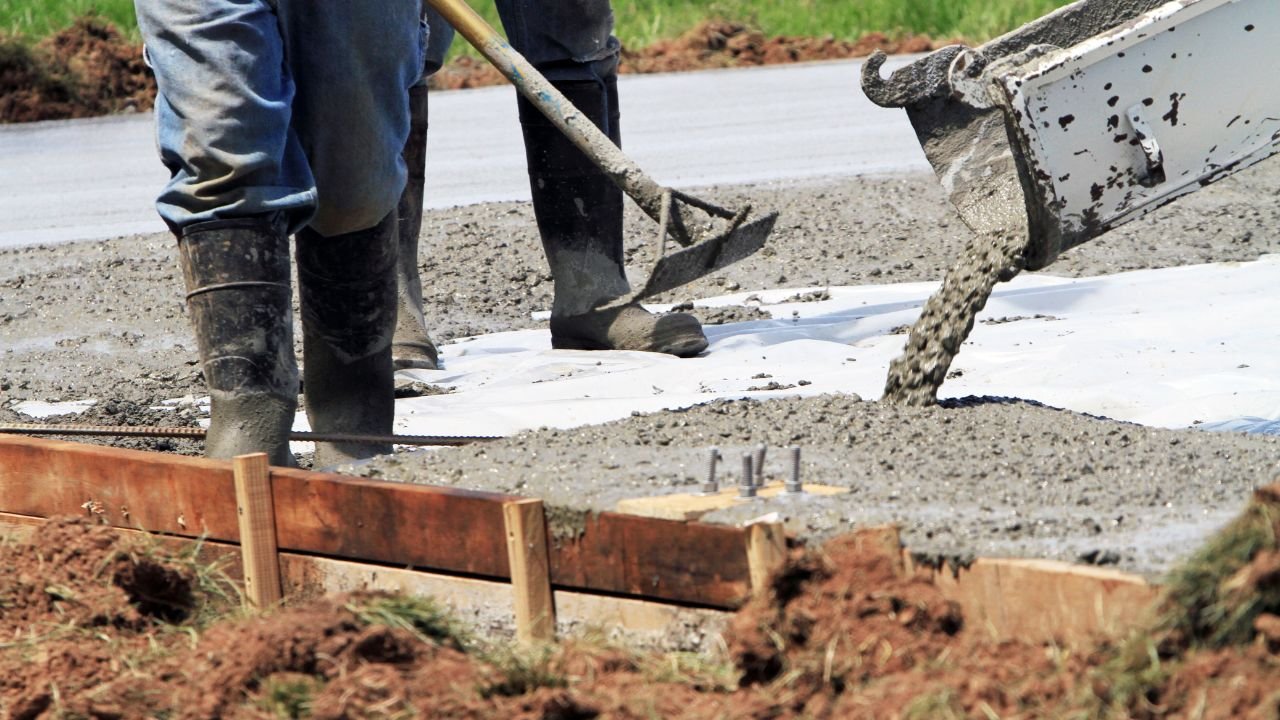
Pouring saltwater-resistant concrete requires careful preparation and execution to guarantee durability against harsh marine environments. We start by verifying the site is clean and free from debris, as contaminants can weaken the concrete mix. Next, we measure and mix the saltwater-resistant components accurately, including additives that enhance resistance to corrosion and degradation.
During the pouring process, we pay close attention to the following:
Once poured, we work efficiently to level and finish the surface, guaranteeing peak performance. By focusing on these key steps, we help guarantee the concrete stands strong against the relentless marine elements.
Now that we’ve poured our saltwater-resistant concrete, it’s essential to focus on curing methods to guarantee maximum strength. We’ll explore the importance of proper curing, recommended curing times, and techniques that can enhance the concrete’s durability. Let’s get started on maximizing the effectiveness of our installation!
Although many may overlook it, proper curing is vital for achieving the ideal strength and durability of saltwater-resistant concrete. By ensuring the concrete cures correctly, we can greatly enhance its resistance to harsh coastal conditions.
Here’s why proper curing matters:
We can’t underestimate the importance of curing; it’s a key step in creating resilient concrete that performs well over time. Let’s commit to getting it right for our projects!
To guarantee our saltwater-resistant concrete reaches its full potential, we must pay careful attention to curing time and methods. Typically, we recommend curing for at least seven days, as this allows the concrete to achieve ideal hydration and strength. During this period, we should keep the surface moist, using methods like sprinkling water or covering it with wet burlap or plastic sheeting.
In warmer climates, we may need to extend the curing time to ten days or more to prevent rapid evaporation, which can weaken the concrete. By adhering to these recommendations, we guarantee our installation can withstand the harsh conditions of coastal environments, providing durability and longevity for our projects. Let’s make sure we get it right!
After guaranteeing proper curing times, we can further enhance the strength of our saltwater-resistant concrete through specific techniques. By applying these methods, we can create a more durable and long-lasting surface that withstands coastal conditions. Here are a few techniques we can use:
As we maintain coastal concrete structures, we must prioritize regular inspections to identify early signs of saltwater damage. Checking for cracks, spalling, or discoloration helps us catch potential issues before they escalate. It’s essential we clean surfaces to remove salt deposits and debris, which can accelerate deterioration.
We should also monitor drainage systems to guarantee water flows away from our structures, preventing pooling that can lead to corrosion. Applying protective sealants every few years can enhance durability and resist saltwater intrusion. If we notice any weaknesses, it’s important we address repairs promptly to maintain structural integrity.
Lastly, let’s keep an eye on the surrounding environment. Overhanging vegetation or nearby construction can impact our structures, so regular assessments of these factors are necessary. By following these maintenance tips, we can greatly extend the lifespan of our coastal concrete structures.
While we explore successful installations of saltwater-resistant concrete, it’s inspiring to see how innovative techniques have transformed coastal infrastructure. These case studies showcase the effectiveness and durability of saltwater-resistant solutions in various environments.
These examples highlight how our commitment to innovation not only protects coastal communities but also enhances their beauty. We can all appreciate the value of investing in long-lasting solutions that keep our coastlines resilient and thriving.
When we think about installing saltwater-resistant concrete, cost is a key factor. We need to break down material expenses and consider the long-term savings on maintenance. By understanding these elements, we can make informed decisions that benefit our projects.
Understanding the costs associated with saltwater-resistant concrete is essential for any project. When we break down the material expenses, we realize several key factors contribute to the overall investment.
Investing in saltwater-resistant concrete not only addresses immediate construction needs but also offers considerable long-term maintenance savings. By choosing this durable option, we can reduce repair costs and extend the lifespan of our structures.
Here’s a quick comparison of maintenance costs:
| Maintenance Type | Traditional Concrete | Saltwater-Resistant Concrete |
|---|---|---|
| Annual Inspections | $500 | $200 |
| Repairs (Every 5 Years) | $2,500 | $500 |
| Replacement (Every 20 Years) | $10,000 | $3,000 |
| Total Cost Over 20 Years | $15,500 | $4,700 |
As we can see, the savings add up considerably over time. By investing wisely now, we guarantee our structures remain strong and cost-effective for years to come.
As we explore the environmental impact of coastal concrete solutions, it’s essential to recognize how these materials interact with their surroundings. By choosing saltwater-resistant concrete, we not only enhance durability but also promote sustainability in coastal areas. Here are a few key points to take into account:
While we navigate the evolving landscape of coastal construction, it’s clear that innovative techniques are shaping how we build along shorelines. As we look to the future, we’ll see advancements in materials and methods that enhance durability and resilience against saltwater exposure.
Here’s a glimpse of some promising trends:
| Technique | Benefits | Current Use Cases |
|---|---|---|
| Self-healing concrete | Reduces maintenance costs | Bridges, seawalls |
| 3D printing | Custom designs, faster builds | Residential homes |
| Sustainable materials | Eco-friendly, lower carbon | Coastal parks, walkways |
| Modular construction | Quick assembly, flexibility | Beachfront properties |
| Smart technology | Real-time monitoring | Infrastructure projects |
Saltwater-resistant concrete can last anywhere from 20 to 50 years in coastal environments, depending on various factors like quality and maintenance. Just as a sturdy ship braves the waves, we must guarantee our concrete withstands the salty embrace of the sea. With proper care and installation, we can extend its lifespan, much like nurturing a garden to flourish. Together, let’s invest in our structures, guaranteeing they stand strong against nature’s elements.
No, we shouldn’t use regular concrete in saltwater areas. Regular concrete can deteriorate quickly when exposed to saltwater, leading to cracks and structural damage. Instead, we should opt for saltwater-resistant concrete that can withstand the harsh conditions. It’s designed to resist corrosion and extend the lifespan of our structures. By making this smart choice, we’re ensuring our investments remain strong and durable despite the challenging coastal environment.
We can spot signs of deterioration in saltwater-resistant concrete by looking for cracks, spalling, or discoloration. If we notice rust stains or efflorescence, those can indicate moisture issues. We should also check for surface wear or a reduced bond with any coatings. Regular inspections help us catch these problems early, allowing us to address them before they worsen. Staying vigilant guarantees our concrete remains durable and effective in harsh environments.
Yes, saltwater-resistant concrete is generally more expensive than standard concrete. This increased cost comes from the specialized materials and additives used to enhance its durability against saltwater damage. However, we believe the investment pays off in the long run, as it can save us money on repairs and replacements. By choosing saltwater-resistant options, we’re ensuring our projects stand up to harsh coastal conditions and last longer overall.
Yes, there are specific projects that require saltwater-resistant concrete. For instance, around 60% of coastal structures face deterioration due to salt exposure. We often see this need in marine environments, like docks, seawalls, and piers, where standard concrete might fail prematurely. Using saltwater-resistant concrete in these projects guarantees durability and longevity, ultimately saving costs on repairs and replacements. It’s a smart choice for anyone working near salty waters.
 Call Now