
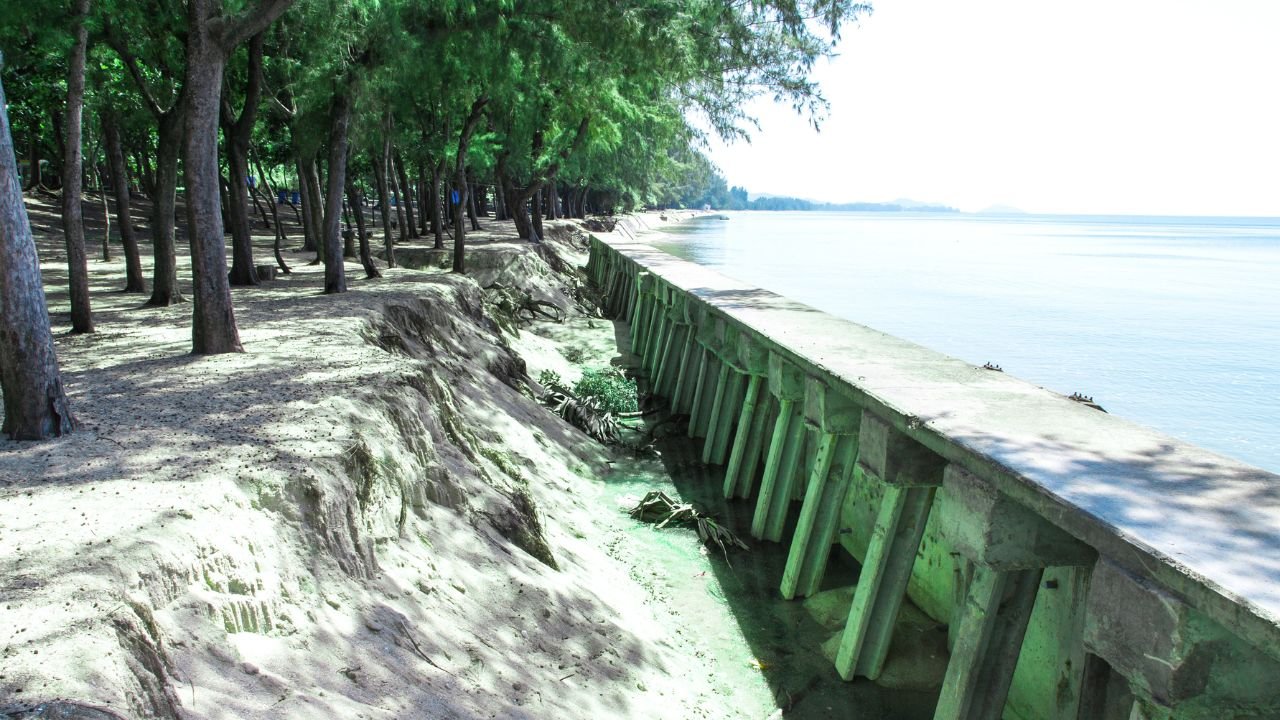
In the face of nature’s challenges, we often find ourselves seeking sturdy solutions to protect our coastlines. Seawalls serve as our first line of defense against rising tides and storm surges that threaten our homes and ecosystems. As we explore the intricacies of seawall construction, we’ll uncover the essential roles materials, designs, and community efforts play in ensuring their effectiveness. What factors truly determine the success of these protective structures?
Seawalls play an essential role in safeguarding our coastlines from the relentless forces of nature. They act as barriers, absorbing and deflecting the energy from waves and storm surges that could otherwise erode our precious shorelines. By investing in seawalls, we protect not only our homes and businesses but also the ecosystems that thrive along the coast.
When we think about the long-term sustainability of our coastal communities, it’s clear that seawalls are crucial. They help maintain beach integrity, ensuring that sand remains in place and critical habitats are preserved. Furthermore, they provide peace of mind to residents and visitors alike, knowing that robust structures are in place to mitigate potential damage.
In essence, seawalls are more than just concrete barriers; they represent our commitment to preserving our coastal environment and enhancing community resilience against nature’s unpredictability.
As we explore the challenges facing Florida’s coastline, it’s clear that a combination of natural and human-induced threats endangers this delicate ecosystem. Rising sea levels, driven by climate change, are eroding our shores and increasing flooding risks. Storm surges from hurricanes can devastate coastal areas, leading to significant property damage and habitat loss.
Additionally, human activities like construction, pollution, and overdevelopment exacerbate these problems. Urban runoff introduces harmful chemicals into our waters, harming marine life and disrupting the balance of coastal ecosystems.
Furthermore, the removal of natural barriers, such as mangroves and dunes, leaves our coastlines vulnerable to both erosion and storm impacts.
Recognizing these threats is vital for us as we work to protect Florida’s coastlines. By understanding the challenges, we can better appreciate the importance of effective coastal management and the role seawalls play in safeguarding our precious environment.
When designing an effective seawall, we must consider several key components that guarantee its durability and functionality. First, we need to evaluate the site conditions, including wave action, soil characteristics, and potential erosion factors. These aspects influence the seawall’s height and design. Next, we should incorporate a proper drainage system to prevent water buildup behind the wall, which can lead to structural failure.
Additionally, stability is essential; we often use a combination of weight and interlocking features to resist forces from waves and currents. We must also think about aesthetics, as a seawall should blend well with the natural landscape while serving its primary purpose.
Lastly, regular maintenance is significant. By evaluating the condition of the seawall periodically, we can guarantee its long-term effectiveness. Together, these components help create a seawall that protects our coastlines effectively and sustainably.
As we explore the materials used in seawall construction, we’ll focus on the various types and grades of concrete that are vital for durability. We’ll also examine the selection of reinforcement materials that help guarantee our seawalls can withstand the harsh coastal environment. Understanding these components is essential for effective seawall design and longevity.
Understanding the various concrete types and grades is essential for effective seawall construction in Florida. By choosing the right materials, we guarantee durability and resilience against coastal erosion. Here are some common types and grades we often consider:
Selecting the right reinforcement materials is essential for the structural integrity of seawalls in Florida. We often consider using steel rebar, which provides excellent tensile strength and durability against the harsh marine environment. Another option is fiberglass rebar, offering corrosion resistance and lighter weight, making installation easier. We should also explore using geogrid materials that enhance soil stability and help distribute loads evenly. Additionally, combining these materials can optimize performance, ensuring our seawalls withstand wave action and shifting sands. When we choose reinforcement materials, we must focus on long-term durability and cost-effectiveness. By carefully selecting the best options, we can create seawalls that effectively protect our coastal areas while standing the test of time.
While we may not think about it often, the Coastal Protection Concrete Squad plays an essential role in safeguarding Florida’s shorelines. Their expertise guarantees that our coastlines remain resilient against the relentless forces of nature. Here’s how they contribute:
As we explore innovative techniques in seawall construction, we can see how eco-friendly materials are shaping the future of our coastal defenses. We’re also excited about advanced engineering methods and durable design innovations that enhance both functionality and resilience. Together, these advancements promise to protect our shorelines more effectively than ever before.
Innovative techniques in seawall construction are paving the way for eco-friendly materials that not only protect our coastlines but also support marine ecosystems. By using sustainable resources, we can create structures that blend with nature and promote biodiversity. Here are some materials we’re excited about:
Incorporating advanced engineering methods in seawall construction allows us to enhance both the durability and effectiveness of these essential structures. Techniques like geotextiles, reinforced concrete, and innovative drainage systems play a vital role in ensuring our seawalls withstand the test of time and turbulent waters.
Here’s a quick comparison of these methods:
| Method | Benefits |
|---|---|
| Geotextiles | Erosion control, soil stability |
| Reinforced Concrete | Increased strength, durability |
| Innovative Drainage | Prevents water buildup |
| Modular Designs | Flexibility, easy repairs |
While we face increasing challenges from rising sea levels and intense storms, durable design innovations in seawall construction are essential for protecting our coastlines. We’re excited to explore some of these innovations that enhance resilience and longevity:
These innovations not only help us combat erosion and flooding but also create sustainable solutions that benefit both our communities and the environment. Together, we can build seawalls that stand the test of time.
Constructing a seawall typically involves five key steps, each crucial to ensuring a sturdy and effective structure. Here’s a breakdown of the process:
| Step | Description | Timeline |
|---|---|---|
| 1. Planning | Assess site conditions and design requirements. | 1-2 weeks |
| 2. Excavation | Digging up the area for foundation work. | 1 week |
| 3. Foundation Installation | Setting up the base with concrete or steel. | 1-2 weeks |
| 4. Wall Construction | Erecting the seawall using chosen materials. | 2-4 weeks |
After we’ve completed these steps, we can focus on final touches, like drainage systems, to enhance the seawall’s performance. Each phase plays a crucial role in the overall durability and effectiveness of the seawall, protecting our coastlines from erosion and damage. We’re excited to guide you through this process!
Understanding the environmental implications of seawall projects is essential for sustainable coastal management. These structures can greatly impact local ecosystems, and we must consider various factors during the planning and construction phases. Here are some key environmental considerations we should keep in mind:
When we consider the various materials for seawall construction, concrete stands out as a superior choice due to its durability and strength. Unlike wood or metal, concrete resists corrosion and decay, making it ideal for long-term coastal protection. With its ability to withstand harsh weather conditions and waves, we can trust concrete to provide a solid barrier against erosion.
Moreover, concrete is relatively low-maintenance. While other materials may require frequent repairs or replacements, concrete’s longevity means less hassle and cost for us over time. Additionally, it can be molded into various shapes and sizes, allowing us to customize the seawall for specific environmental needs.
Finally, concrete is environmentally friendly when sourced responsibly. It can be recycled, minimizing waste and reducing our carbon footprint. Overall, choosing concrete for seawall construction gives us peace of mind, knowing we’re investing in a reliable and sustainable solution.
As we explore successful seawall installations in Florida, we’ll share some fascinating project overviews and the challenges faced along the way. We’ll also highlight the innovative installation techniques that made these projects stand out. By learning from these case studies, we can better understand effective seawall construction practices.
Seawall construction in Florida presents unique challenges and opportunities, reflecting the region’s diverse coastal environments. As we approach these projects, we face several key challenges that shape our approach:
While steering through the complexities of seawall construction, we’ve discovered innovative installation techniques that not only enhance efficiency but also guarantee durability in Florida’s challenging coastal environments. For instance, we’ve successfully implemented the use of precast concrete panels, which allow for quicker installation and provide strong resistance against wave action. Additionally, our team has embraced advanced soil stabilization methods, ensuring that the foundations remain secure, even in fluctuating conditions. One notable case involved a seawall built in a high-erosion zone, where we utilized a combination of geotextiles and bioengineering techniques to reinforce the structure. These strategies not only protect the shoreline but also demonstrate our commitment to sustainable practices. Together, we’re paving the way for resilient coastal infrastructure.
Community involvement plays an essential role in shaping effective coastal protection efforts. When we come together as a community, we can make a significant impact on how we safeguard our coastlines. Our collective knowledge and passion drive initiatives that protect our environment and homes. Here’s how we can actively participate:
When considering seawall construction, understanding the relevant regulations and permits is vital to confirm compliance and protect our coastal environments. We need to familiarize ourselves with local, state, and federal guidelines that govern the construction process. Each jurisdiction may have specific requirements, so checking with local authorities is a must.
We’ll typically need to obtain permits that assess the environmental impact of our project, making sure it doesn’t disrupt marine life or coastal ecosystems. Additionally, construction methods and materials may be regulated to enhance safety and durability.
It’s important to engage with regulatory agencies early in the planning stage. By doing so, we can streamline the permitting process and avoid potential delays. Remember, adherence to these regulations not only helps us build responsibly but also contributes to the sustainability of our coastal areas for future generations. Let’s make certain our seawall projects are compliant and environmentally friendly!
As we consider the maintenance and longevity of seawalls, we can’t underestimate the importance of regular inspections. These checks help us identify potential issues early on, ensuring our seawalls remain functional and effective. We’ll also explore some key repair techniques that can extend the lifespan of these essential structures.
While we often think of seawalls as sturdy barriers against the relentless forces of nature, their longevity and effectiveness depend heavily on regular inspections. By prioritizing these assessments, we can guarantee our seawalls remain in peak condition. Here’s what regular inspections help us identify:
Proper maintenance of seawalls is vital for their longevity, and understanding effective repair techniques can make all the difference. When we notice cracks or erosion, timely repairs are essential. For minor damage, we can use epoxy injections to fill cracks, restoring structural integrity without significant disruption. If we face more severe erosion, steel reinforcements can be added for support, while also considering the use of riprap or geotextiles to prevent further damage. Regular sealing prevents water intrusion, maintaining the seawall’s durability. Finally, monitoring for marine growth helps us address issues before they escalate. By adopting these techniques, we can guarantee our seawalls remain strong, protecting our coastal investments for years to come. Let’s prioritize these repairs to safeguard our shores.
Although Florida’s seawall construction efforts have made significant strides, we still face formidable challenges in ensuring long-term coastal protection. As we look to the future, we must recognize the obstacles that could threaten our coastal integrity:
How can we actively contribute to coastal resilience initiatives? First, we can educate ourselves and our communities about the importance of coastal protection. Understanding the challenges we face, like rising sea levels and erosion, helps us advocate for effective solutions. Next, let’s participate in local meetings or workshops focused on coastal management. These gatherings provide a platform for us to voice our concerns and learn from experts.
We can also volunteer with organizations dedicated to coastal restoration projects. Planting native vegetation or participating in beach clean-ups strengthens our coastlines and fosters community spirit. Additionally, we should support policies that prioritize sustainable development and funding for coastal infrastructure. By staying informed and engaged, we can collectively push for the changes we need. Together, our efforts can make a significant impact on the resilience of our coastal communities and protect our precious shorelines for future generations.
Imagine building a fortress to protect our shores from the relentless waves. In Florida, constructing a seawall typically costs between $1,500 to $3,000 per linear foot, depending on materials and site conditions. We can’t ignore the factors like permits and labor, which can add to the total. By understanding these costs, we can better prepare ourselves for this crucial investment in safeguarding our coastal properties and enjoying peace of mind.
Before starting a seawall project, we need to obtain several permits. Typically, we’ll require a coastal construction permit from the Florida Department of Environmental Protection, as well as local permits from our city or county. If our project affects wetlands or protected species, additional permits may be necessary. It’s essential to check with local authorities to guarantee we meet all regulations and avoid delays in our construction timeline.
It typically takes us about 4 to 8 weeks to construct a seawall, depending on various factors. These include the project’s size, the materials used, and weather conditions. We’ll start with site preparation, followed by the actual construction, which involves pouring concrete and guaranteeing stability. Once we’ve finished, there’s often a curing period before the seawall is fully operational. We’ll keep you updated throughout the process to guarantee everything runs smoothly.
Building a seawall’s like crafting a fortress against the sea. While homeowners can technically build their own seawalls, it’s not as simple as it sounds. We need to take into account local regulations, environmental impact, and our own skill levels. DIY projects can lead to costly mistakes if we’re not careful. It’s often wiser to consult professionals who understand the nuances, ensuring our seawall stands strong against the waves for years to come.
After constructing our seawall, we need to commit to regular maintenance to guarantee its longevity. We should inspect for cracks, erosion, or any signs of damage at least twice a year. Cleaning debris and algae buildup helps maintain its integrity, too. If we notice any issues, addressing them promptly prevents bigger problems down the line. Additionally, monitoring the surrounding area for changes can keep our seawall in good shape for years to come.
 Call Now