
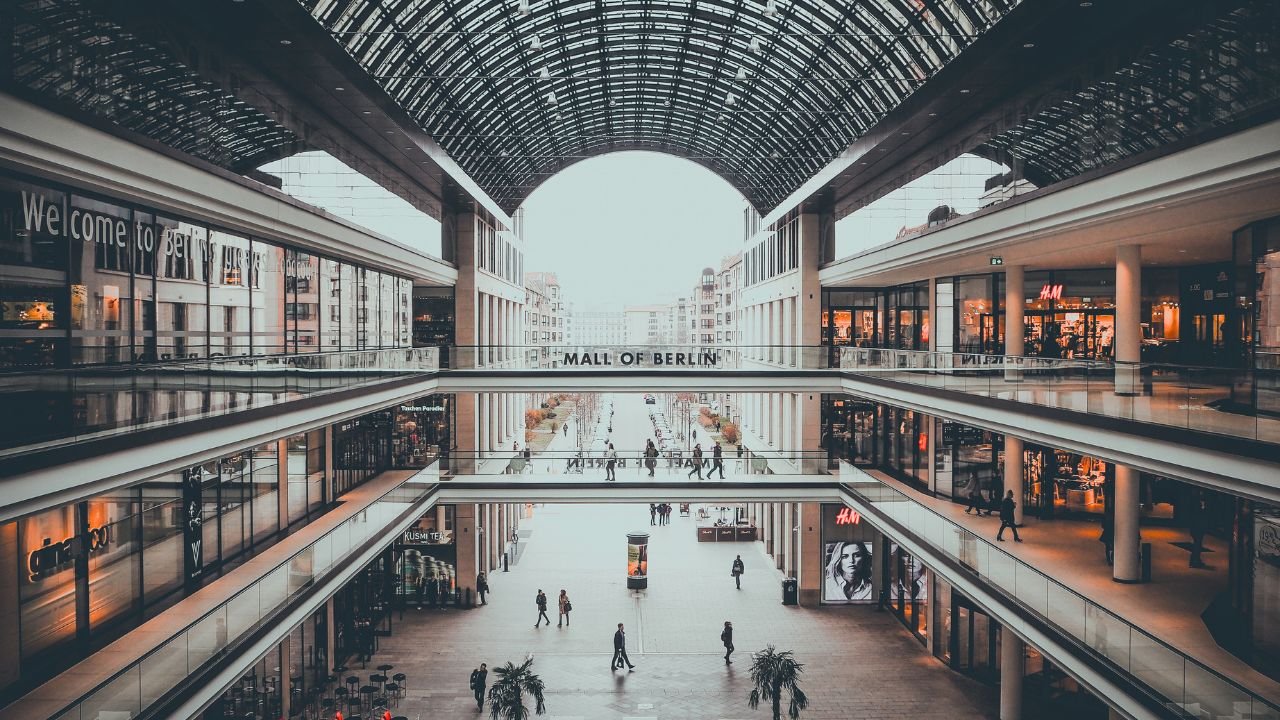
Did you know that shopping centers contribute over $1 trillion to the U.S. economy annually? In Florida, the construction of these retail spaces is more than just building; it’s about crafting environments that foster community interaction. As we explore the various stages of development, we’ll uncover the essential role concrete plays in creating functional and sustainable shopping centers that meet modern consumer demands. Let’s take a closer look at what goes into this intricate process.
As we explore the significance of shopping centers in Florida, we can’t overlook their role in boosting local economies and enhancing community life. These centers serve as crucial hubs where residents gather, shop, and connect. By providing diverse retail options, they cater to our needs and preferences, making daily life more convenient.
Moreover, shopping centers create jobs, from retail positions to management roles, supporting families and stimulating economic growth. They often host local events and markets, fostering a sense of community and encouraging local entrepreneurship.
Additionally, these spaces can enhance property values in surrounding areas, benefiting homeowners and local governments alike. When we invest in shopping centers, we’re not just building structures; we’re investing in the fabric of our communities. The vibrancy of these centers reflects our collective identity and shared experiences, making them indispensable to our everyday lives in Florida.
When we think about retail development, concrete plays an essential role in ensuring structural integrity while offering various aesthetic design options. It’s not just about strength; concrete can also be a cost-effective solution that meets our needs. Let’s explore how these factors come together to shape successful shopping centers in Florida.
Guaranteeing structural integrity is vital for the longevity and safety of retail developments, particularly in Florida’s dynamic environment. Concrete plays an important role in achieving this goal. It provides durability and resilience against natural forces, allowing us to build shopping centers that stand the test of time. We focus on quality materials and techniques to guarantee our structures can withstand Florida’s unique challenges.
| Aspect | Importance |
|---|---|
| Durability | Resists wear and tear over time |
| Weather Resistance | Stands up to hurricanes and floods |
| Load-Bearing Capacity | Supports heavy foot traffic and equipment |
Concrete isn’t just about strength; it also offers a wealth of aesthetic design options that can transform retail spaces into inviting destinations. We can choose from a variety of finishes, colors, and textures to create unique looks that align with a brand’s identity. Polished concrete adds a sleek, modern feel, while stamped concrete can mimic natural materials like stone or wood. Incorporating decorative elements, such as concrete planters or artistic facades, enhances the overall atmosphere. As we explore these options, we also consider how lighting interacts with concrete surfaces, improving visual appeal. By embracing these diverse design possibilities, we can craft retail environments that captivate customers and encourage longer visits, ultimately enhancing their shopping experience.
While we attempt to create inviting retail spaces, it’s essential to remain mindful of budget constraints. Concrete plays a significant role in offering cost-effective solutions for our developments. Its durability means we won’t have to worry about frequent repairs or replacements, ultimately saving us money in the long run. Additionally, concrete’s versatility allows us to achieve various aesthetic designs without compromising on strength or function. By utilizing concrete, we can optimize our construction timelines, reducing labor costs and increasing efficiency. We can also benefit from energy-efficient options, such as concrete’s thermal mass properties, which help regulate indoor temperatures. Together, let’s leverage concrete’s advantages to build successful retail environments that are both appealing and economically viable.
As we begin the journey of shopping center construction, it’s vital to understand the key stages involved. We’ll start with site preparation, then move on to the foundation and structure, and finally, we’ll wrap up with the finishing touches and landscaping. Each stage plays an important role in bringing our vision to life.
When commencing on the site preparation process for a shopping center, we tackle several key stages that set the foundation for successful construction. First, we conduct a thorough site survey to assess the land’s topography, soil conditions, and existing structures. This helps us identify any potential challenges. Next, we clear the site of debris, vegetation, and any unwanted structures. Grading comes next, where we level the ground to guarantee proper drainage and stability. We also install erosion control measures to protect the site during construction. Finally, we mark out the layout for utilities and access roads, making sure everything aligns with our design plans. By following these steps meticulously, we create a solid base for the upcoming phases.
Establishing a strong foundation is essential in the construction of a shopping center, and we start this phase by digging deep to guarantee stability and durability. Once the excavation is complete, we pour concrete to form the footings and foundation walls. This creates a solid base for the structure above. We also install steel reinforcements to enhance strength.
Here’s a quick overview of the key components:
| Component | Purpose |
|---|---|
| Footings | Support the weight |
| Foundation Walls | Provide stability |
| Steel Reinforcements | Increase strength |
| Slab on Grade | Create a level surface |
With a solid foundation in place, we can now focus on the finishing touches and landscaping that bring the shopping center to life. This stage is essential, as it enhances the overall aesthetic and functionality of the space. We’ll start by selecting durable, attractive materials for the interior and exterior finishes, ensuring they align with the center’s design vision. Next, we’ll incorporate thoughtful landscaping, choosing native plants that require less maintenance while providing a welcoming environment. Pathways, seating areas, and green spaces will be strategically placed to encourage foot traffic and enhance customer experience. Lighting will also play a key role, creating an inviting atmosphere during evening hours. Ultimately, these elements will transform our shopping center into a vibrant community hub.
Choosing the right site for a shopping center is essential, as it directly impacts both foot traffic and overall success. We need to take into account several factors during the site selection and preparation process to guarantee our investment pays off. Here are three key points we must focus on:
After selecting the ideal site, the next step involves crafting retail spaces that not only attract customers but also enhance their shopping experience. We need to focus on creating layouts that promote easy navigation, allowing shoppers to move comfortably between stores. This means utilizing open spaces, clear signage, and strategically placing anchor stores to draw foot traffic.
It’s essential to reflect on the variety of retail offerings, ensuring a mix that appeals to different demographics. Incorporating communal areas like seating, landscaping, and entertainment options can further enrich the atmosphere, encouraging customers to linger longer.
We should also prioritize accessibility, making sure all entrances and pathways are easy to navigate for everyone. By blending functionality with aesthetics, we create inviting environments that resonate with shoppers. Ultimately, our goal is to design spaces that not only sell products but also foster a sense of community and enjoyment in the shopping experience.
As we explore environmental considerations in shopping center construction, we need to focus on sustainable material usage and effective waste management practices. By choosing eco-friendly materials and minimizing waste, we can considerably reduce our impact on the environment. Let’s examine how these practices not only benefit the planet but also enhance the overall shopping experience.
While we commence on the journey of constructing shopping centers in Florida, the usage of sustainable materials becomes a key focus in minimizing our environmental impact. By choosing eco-friendly options, we not only enhance the aesthetic appeal of our projects but also contribute to a healthier planet. Here are three sustainable materials we prioritize:
Together, we can make a positive difference in retail development while promoting sustainability.
Effective waste management practices are essential for minimizing our environmental footprint during shopping center construction in Florida. By implementing strategies like recycling materials, we can greatly reduce landfill waste. For instance, concrete and asphalt can often be crushed and reused, which not only conserves resources but also cuts down on transportation emissions. We should also prioritize using eco-friendly disposal methods for hazardous materials, ensuring they don’t contaminate our environment. Additionally, conducting waste audits helps us identify areas where we can improve efficiency. By collaborating with subcontractors and suppliers, we can develop a waste reduction plan that aligns with our sustainability goals. Together, we can create a shopping center that reflects our commitment to responsible construction and environmental stewardship.
When we consider the role of innovative concrete solutions in shopping center construction, it’s clear that these advancements not only enhance durability but also boost aesthetic appeal. By utilizing modern concrete technologies, we can create spaces that are both functional and visually striking. Here are three key innovations we should explore:
Self-Healing Concrete: This remarkable material can repair its own cracks, greatly extending the lifespan of our structures and reducing maintenance costs.
Permeable Concrete: This eco-friendly option allows water to flow through, reducing runoff and promoting sustainable landscaping practices around shopping centers.
Decorative Concrete: From stamped surfaces to colored finishes, decorative concrete offers endless design possibilities, helping our shopping centers stand out while remaining cost-effective.
As we explore innovative concrete solutions, it’s clear that technology is reshaping how we approach construction processes in shopping centers. Tools like Building Information Modeling (BIM) allow us to visualize projects in 3D, helping us identify potential issues before they arise. Drones are revolutionizing site surveys, enabling us to gather real-time data and monitor progress from a bird’s-eye view. Furthermore, advanced project management software streamlines communication among teams, ensuring everyone stays on the same page.
We’re also seeing the rise of prefabrication techniques, which speed up construction timelines and reduce waste. With smart sensors embedded in concrete, we can monitor the material’s integrity and performance over time. These technological advancements not only enhance efficiency but also improve safety on-site. By embracing these innovations, we’re not just building shopping centers; we’re creating sustainable environments that meet the needs of modern consumers.
As we commence on shopping center construction, we recognize the importance of building strong partnerships with local businesses and communities. By engaging with these stakeholders, we can create spaces that truly reflect the needs and desires of the area. Together, we can foster a sense of ownership and pride that benefits everyone involved.
Building strong partnerships with local businesses and communities is essential for the success of shopping center construction in Florida. By collaborating effectively, we can create spaces that not only meet retail needs but also enrich the community. Here are three ways we can strengthen these partnerships:
Engage Local Stakeholders: We can hold meetings and forums to gather input and ideas from local business owners and residents.
Support Local Economies: By prioritizing local vendors and contractors, we create jobs and stimulate the local economy.
Foster Community Events: Hosting events in our shopping centers can build goodwill and encourage community participation.
Together, let’s create vibrant shopping environments that reflect and enhance our communities.
When we actively engage community involvement, we not only enhance the shopping center experience but also strengthen the bonds between local businesses and residents. By collaborating with local entrepreneurs, we can create a vibrant atmosphere that reflects the unique character of the community. Hosting events, such as farmers’ markets or art fairs, allows us to showcase local talents and products, drawing in visitors and fostering a sense of belonging. Additionally, we’re committed to listening to community feedback, ensuring the shopping center meets the needs and desires of its patrons. Together, we can cultivate a space that supports local commerce and celebrates our community’s diversity, making it a hub for connection and growth. Let’s build something great together!
Ensuring safety in construction is essential, especially when it comes to shopping centers in Florida. We all know that a safe environment protects workers and future shoppers alike. By adhering to strict safety standards and regulations, we create a foundation for successful projects. Here are three key aspects we focus on:
Compliance with OSHA Regulations: We’re committed to following Occupational Safety and Health Administration guidelines to minimize workplace hazards.
Regular Safety Training: We conduct frequent training sessions for our crew, ensuring everyone’s aware of the latest safety protocols.
Use of Quality Materials: We prioritize high-quality, durable materials that meet safety standards, reducing the risk of structural failures.
While we prioritize safety in shopping center construction, enhancing aesthetic appeal through thoughtful design is equally important. A well-designed shopping center not only attracts customers but also creates an inviting atmosphere that encourages longer visits. By incorporating elements like vibrant landscaping, unique architectural features, and efficient layouts, we can transform a simple retail space into a community hub.
We believe in blending functionality with creativity. Using natural materials and eye-catching colors, we can evoke a sense of place that resonates with visitors. Thoughtful placement of common areas, such as seating and gathering spots, invites social interaction, enhancing the overall experience.
We also pay attention to the surrounding environment, ensuring our designs complement their locations. By engaging with local culture and aesthetics, we create spaces that feel like an integral part of the community. Ultimately, our goal is to craft shopping centers that are not just functional, but delightful to experience.
As we embrace the future of retail development, integrating sustainable practices has become essential for creating shopping centers that benefit both the environment and the community. By prioritizing sustainability, we can foster a healthier planet while enhancing shopping experiences. Here are three key practices we can implement:
Energy Efficiency: Utilizing LED lighting and energy-efficient HVAC systems reduces energy consumption and lowers operational costs.
Water Conservation: Implementing rainwater harvesting systems and drought-resistant landscaping helps minimize water use and supports local ecosystems.
Sustainable Materials: Choosing recycled or locally sourced materials in construction not only reduces our carbon footprint but also supports local economies.
When commencing shopping center construction, we encounter several challenges that can complicate the process and affect outcomes. One major hurdle is maneuvering local regulations and zoning laws, which often change and can delay approvals. We also face logistical issues, like coordinating with multiple contractors and suppliers, ensuring everyone’s on the same page. Weather conditions in Florida can be unpredictable, causing potential delays and requiring us to adjust schedules frequently.
Additionally, securing financing can be tricky, especially with fluctuating market conditions. We must also consider community feedback, as local residents can have strong opinions about new developments, which can lead to additional modifications. Finally, managing costs while maintaining quality is vital; unexpected expenses can arise, impacting budgets. By understanding and addressing these challenges early on, we can pave the way for a smoother construction process and ultimately create a successful shopping center that meets community needs.
Looking ahead, we see exciting opportunities for retail spaces in Florida as consumer preferences evolve and technology reshapes shopping experiences. We believe the future will be defined by three key trends:
Experiential Retail: Shoppers are seeking more than just products; they want memorable experiences. Retailers that create immersive environments will thrive.
Sustainability: Eco-friendly practices are becoming essential. Retail spaces that prioritize sustainability in design and operations will attract environmentally-conscious consumers.
Omnichannel Integration: As online shopping continues to grow, brick-and-mortar stores must seamlessly integrate with digital platforms. A cohesive shopping experience will enhance customer satisfaction.
Despite the challenges posed by shifting consumer habits, we’ve seen remarkable success stories emerge from shopping center projects across Florida. One standout example is the revitalization of the Coral Square Mall, where we transformed dated spaces into vibrant shopping experiences that attract visitors daily. Another success is the development of the St. Johns Town Center, which blends retail with dining and entertainment, drawing in crowds from all over the region.
Here’s a quick overview of our favorite projects:
| Project Name | Key Feature |
|---|---|
| Coral Square Mall | Revitalized indoor spaces |
| St. Johns Town Center | Mixed-use development |
| The Mall at Millenia | Luxury shopping and dining |
These projects highlight our commitment to creating dynamic environments that cater to modern shoppers. We’re excited about the future of retail development in Florida and can’t wait to see what’s next!
When we tackle shopping center construction, it often feels like we’re building the next great wonder of the world! Typically, these projects take anywhere from six months to two years, depending on size and complexity. We consider various factors like design, permits, and weather, which can extend timelines. While it may seem challenging, we’re committed to keeping things on track, ensuring our vision becomes a vibrant reality that brings communities together.
To finance a shopping center development, we can explore several options. First, we might consider traditional bank loans, which often require a solid business plan. We could also look into private investors or crowdfunding platforms for additional capital. Grants and government incentives may be available, too. Finally, forming partnerships with other developers can help share costs and risks. By combining these strategies, we can secure the necessary funding for our project.
When we’re looking at shopping center construction in Florida, we need several permits. First, we’ll require a site plan approval from the local planning department. Then, we must obtain building permits, zoning permits, and environmental permits as necessary. Additionally, if our project affects traffic, a traffic impact study may be needed. It’s essential to check with local authorities to guarantee we have all the needed permits before starting our project.
Weather woes can greatly sway our construction schedules in Florida. When storms strike or the sun blazes, we’ve got to adapt. Rain can delay concrete pouring, while extreme heat may require extra precautions for workers. We need to closely monitor forecasts and adjust timelines accordingly. By staying flexible and proactive, we can keep projects on track, despite the unpredictable nature of Florida’s weather. It’s all about teamwork and timely communication!
We often face several challenges in maintaining shopping center facilities after construction. Regular wear and tear can lead to issues with infrastructure and aesthetics. Seasonal weather fluctuations may cause damage to exteriors and landscaping. We also need to address tenant needs promptly to guarantee satisfaction. Additionally, keeping up with safety regulations and accessibility standards can be intimidating. By proactively managing these challenges, we can keep the shopping center inviting and functional for everyone.
 Call Now