
Did you know that nearly 1 in 5 Americans live with a disability? This statistic underscores the critical need for accessible sidewalks in our communities. We recognize that proper sidewalk construction and repair can greatly impact mobility and safety for everyone. As we explore the principles of ADA compliance, we’ll uncover how our efforts can enhance public spaces and support local businesses. Let’s consider what it truly means to create inclusive environments.
When we design sidewalks, we can’t overlook the importance of ADA compliance. Ensuring our sidewalks meet these standards isn’t just a legal obligation; it’s a commitment to inclusivity for everyone in our community. By adhering to ADA guidelines, we create accessible pathways for individuals with disabilities, including those who use wheelchairs, walkers, or have visual impairments.
We need to evaluate factors like slope, surface texture, and curb ramps, as these elements greatly impact usability. If we ignore these details, we risk excluding a portion of our population from safe and convenient access to public spaces.
Understanding the Americans With Disabilities Act (ADA) is essential for anyone involved in public infrastructure design. This legislation guarantees that individuals with disabilities have equal access to public spaces, including sidewalks. To grasp the ADA’s significance, let’s consider three key aspects:
When we think about ADA-compliant sidewalks, we need to focus on key features like surface texture and slope standards. These elements guarantee that everyone can navigate public spaces safely and comfortably. By adhering to width standards, we can also enhance accessibility for all users.
As we design sidewalks that comply with the Americans with Disabilities Act (ADA), it is essential to pay attention to surface texture requirements. A proper texture not only enhances safety but also accessibility for those with mobility challenges. Here are three key aspects to take into account:
To guarantee sidewalks are accessible for everyone, we must adhere to slope and width standards set by the ADA. Proper slope is essential; it should not exceed a 1:20 ratio, ensuring that ramps and pathways are navigable for individuals using wheelchairs or mobility aids. For width, sidewalks need to be at least 36 inches wide to accommodate two people passing side by side comfortably. If we have areas with heavy foot traffic, we should consider wider pathways to enhance accessibility even further. By following these standards, we create safe and welcoming environments for all users. Let’s commit to these guidelines, making our community more inclusive and accessible for everyone.
Although we often take sidewalks for granted, common issues like cracks, uneven surfaces, and overgrown vegetation can greatly impact accessibility. These problems can create barriers for individuals with mobility challenges, affecting their safety and independence. Let’s take a closer look at some frequent sidewalk issues:
Addressing these common sidewalk issues is where the ADA Compliant Concrete Squad comes into play. We hold the belief that everyone deserves accessible and safe pathways, and that’s why we focus on creating sidewalks that meet the Americans with Disabilities Act (ADA) standards. Our team specializes in identifying problem areas, from uneven surfaces to inadequate ramps, guaranteeing we tackle each issue effectively.
By using our expertise, we prioritize safety and accessibility in every project. We recognize that a well-constructed sidewalk not only benefits individuals with disabilities but also enhances the community as a whole. We work closely with local authorities and community members to confirm our solutions are tailored to their specific needs.
With our commitment to quality and compliance, we aim to create an environment where everyone can move freely and confidently. Together, we can make a difference in our neighborhoods, fostering inclusivity and accessibility for all.
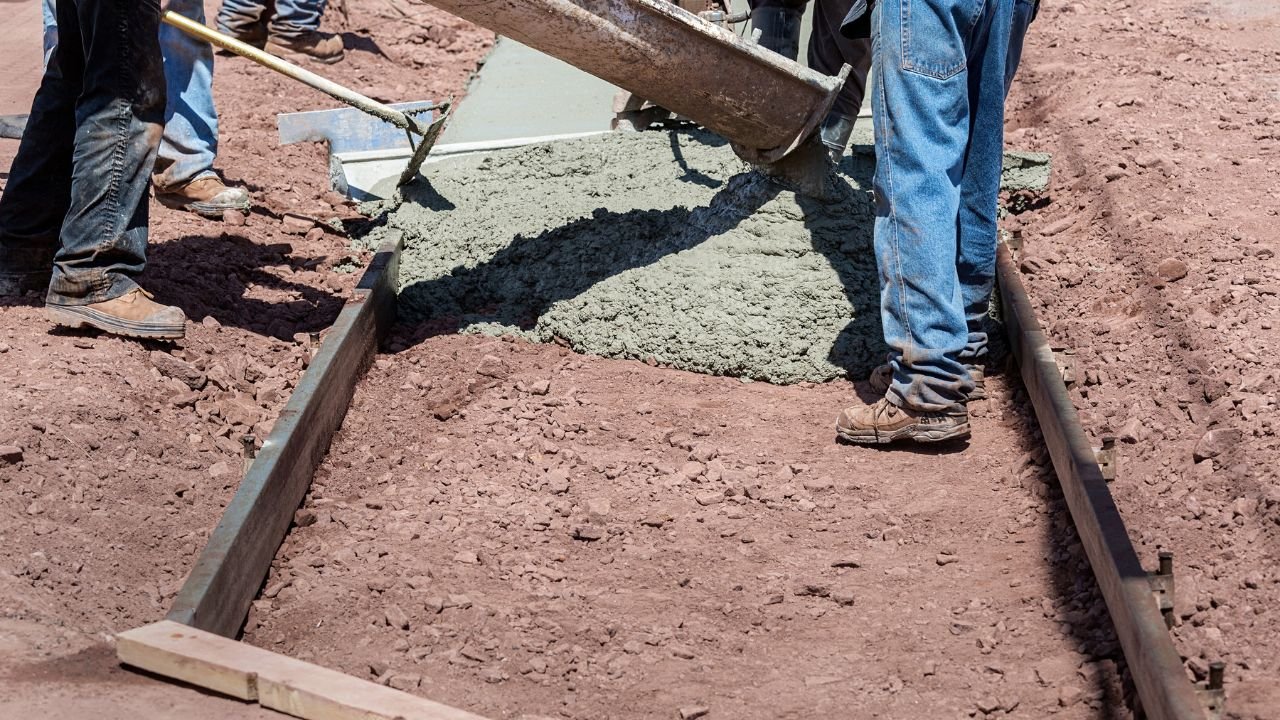
When we begin sidewalk construction, using the right techniques is essential to guarantee durability and safety. By following a few key practices, we can create sidewalks that are both functional and compliant with ADA standards. Here are three important techniques to contemplate:
Proper Excavation: We need to make certain that the ground is properly excavated, removing any debris or loose material. This foundation sets the stage for a stable sidewalk.
Consistent Thickness: Maintaining a uniform concrete thickness throughout the sidewalk is critical. This helps prevent cracking and assures a smooth surface for all users.
Effective Drainage: We should incorporate proper drainage solutions to prevent water accumulation. This not only enhances safety but also prolongs the lifespan of the sidewalk.
As we explore the materials used in ADA compliant sidewalks, we need to contemplate concrete composition standards and surface texture requirements. These factors play a vital role in ensuring safety and accessibility for everyone. Let’s take a closer look at how these materials contribute to creating compliant and durable sidewalks.
To guarantee ADA compliance, we must focus on the concrete composition standards that form the foundation of accessible sidewalks. The right materials guarantee durability and safety. Here’s what we consider:
While ensuring accessibility, we must pay close attention to the surface texture requirements of sidewalks. The Americans with Disabilities Act (ADA) specifies that sidewalks should have a firm, stable, and slip-resistant surface to promote safety for all users. We often use broom-finished concrete or textured pavers, as these options provide the necessary grip without compromising aesthetics.
When designing sidewalks, we should also consider the appropriate depth of grooves or patterns, ensuring they don’t interfere with mobility devices like wheelchairs. Additionally, maintaining a consistent surface texture helps prevent confusion for visually impaired pedestrians. By prioritizing these surface texture requirements, we create inclusive pathways that everyone can navigate confidently, fostering a sense of community and accessibility for all.
When we assess existing sidewalks for compliance, we must consider various factors, including design standards and accessibility guidelines. Our goal is to guarantee that all pedestrians, including those with disabilities, can navigate safely and easily. Here are three key elements we evaluate:
Width: Sidewalks should be wide enough to accommodate wheelchair users and pedestrians. A minimum width of 36 inches is generally recommended.
Surface Condition: We check for cracks, uneven surfaces, and obstacles that could pose hazards. A smooth, stable surface is essential for accessibility.
Ramp Accessibility: We look for proper curb ramps at intersections. These ramps should be designed to allow for easy shifts from the street to the sidewalk.
Ensuring our sidewalks meet ADA compliance involves a systematic repair process that focuses on specific steps. We start by evaluating the current condition of the sidewalk, identifying areas that need repair or replacement. Next, we design a plan that outlines the necessary modifications to achieve compliance.
Here’s a quick overview of the repair process:
| Step | Description |
|---|---|
| Assessment | Inspect sidewalks for cracks, uneven surfaces, and other hazards. |
| Design | Create a repair plan that meets ADA guidelines. |
| Implementation | Execute the repairs, ensuring all work meets compliance standards. |
Throughout this process, we prioritize materials and techniques that guarantee long-lasting durability while maintaining safety and accessibility for all. By following these steps, we can create a welcoming environment for everyone in our community.
Completing sidewalk repairs to meet ADA standards not only enhances accessibility but also brings numerous benefits to our communities. By ensuring our sidewalks are compliant, we create an environment that supports everyone, including those with disabilities. Here are three key benefits:
Increased Mobility: ADA compliant sidewalks allow individuals with mobility challenges to navigate safely and easily, promoting independence and reducing barriers.
Enhanced Community Engagement: When everyone can access public spaces, we foster a sense of belonging. More inclusive communities encourage social interactions and participation in local events.
Economic Growth: Accessible sidewalks attract more visitors and businesses, which can boost local economies. A community committed to inclusivity often sees increased foot traffic and patronage.
To effectively identify ADA compliance violations in sidewalks, we need to be vigilant about specific features that can hinder accessibility. First, let’s check for proper width; sidewalks should generally be at least 36 inches wide. Next, we should look for uneven surfaces or cracks that could pose tripping hazards. Ramps must have a gentle slope and be equipped with tactile warning strips at the top and bottom.
We also need to guarantee that crosswalks are clearly marked and that curb cuts are properly aligned with the sidewalk. Additionally, we should observe the placement of street furniture and signage to make sure they don’t obstruct pathways. Finally, let’s take note of any excessive slopes or abrupt shifts that may create challenges for individuals with mobility issues. By keeping these factors in mind, we can actively contribute to making our sidewalks more accessible for everyone.
When we consider the relationship between sidewalk accessibility and local businesses, it becomes clear that well-maintained and accessible walkways can greatly boost foot traffic and customer engagement. Accessible sidewalks not only make it easier for everyone to visit shops but also contribute to a vibrant community atmosphere. Here are three key impacts we should recognize:
As we look ahead, we can see exciting trends shaping the future of sidewalk construction and repair. By embracing sustainable materials, integrating smart technology, and enhancing accessibility features, we’re not just improving our sidewalks—we’re creating safer, more efficient spaces for everyone. Let’s explore how these innovations can transform our communities.
While we endeavor for safer and more accessible walkways, the future of sidewalk construction and repair is increasingly focused on sustainable materials. By prioritizing eco-friendly options, we can greatly reduce our environmental footprint. Here are three materials we’re excited about:
Incorporating smart technology into sidewalk construction and repair is transforming how we design and maintain our urban environments. By utilizing sensors and data analytics, we can monitor sidewalk conditions in real-time, identifying cracks or wear before they become major issues. This proactive approach not only extends the lifespan of our infrastructure but also enhances safety for pedestrians. Additionally, integrating mobile applications allows residents to report problems directly, ensuring swift responses from maintenance teams. Automated machinery can streamline construction processes, improving efficiency and reducing costs. As we embrace these innovations, we’re not just building sidewalks; we’re creating smarter, more sustainable communities that adapt to our needs and enhance our quality of life. Let’s embrace this future together!
To create truly inclusive urban spaces, we must prioritize enhanced accessibility features in sidewalk construction and repair. By focusing on these elements, we can make a significant impact on community mobility and safety. Here are three essential features we should consider:
As we work together on sidewalk construction and repair projects, collaborating with local governments can greatly enhance compliance with regulations and standards. When we engage with local officials, we not only gain insight into specific requirements but also foster a partnership that promotes accountability and best practices. These relationships help us understand the unique needs of our communities, ensuring that our projects meet local codes and ADA guidelines.
As we navigate the world of sidewalk construction and repair, we need to understand key resources available to homeowners and business owners. We’ll explore ADA compliance, funding options, and how to select qualified contractors to guarantee our projects run smoothly. With the right information, we can make informed choices for our community’s accessibility and safety.
Understanding ADA compliance is essential for both homeowners and business owners who want to guarantee their sidewalks are accessible to everyone. By ensuring our walkways meet these standards, we create an inclusive environment for all. Here are three key elements of ADA compliance we should keep in mind:
Finding funding and grants for sidewalk construction and repair can feel overwhelming, but it’s essential for homeowners and business owners who want to enhance accessibility. We’ve got options to explore! Many local and state governments offer grants specifically aimed at improving public infrastructure. Organizations like the Department of Transportation and community development agencies often have funding available for projects that meet ADA compliance. Additionally, private foundations may provide financial assistance for accessibility upgrades. It’s worth researching these opportunities and reaching out to your local government for guidance. By taking advantage of available funds, we can guarantee our sidewalks are safe and accessible for everyone, making our communities more inclusive and welcoming. Let’s work together to find the right resources!
How do we guarantee that our sidewalk construction and repair projects are in capable hands? Selecting qualified contractors is essential to achieving high-quality results. Here’s how we can confirm we’re making the right choice:
Check Credentials: We should verify licenses, insurance, and any relevant certifications to confirm the contractor’s qualifications.
Review Past Work: Let’s look at their portfolio and ask for references. This helps us gauge their experience and the quality of their previous projects.
Get Multiple Quotes: We can compare quotes from different contractors to understand the market rate and confirm we’re getting a fair deal.
Estimating the cost for ADA compliant sidewalk construction can vary, but we generally see prices ranging from $8 to $15 per square foot. This range depends on factors like materials, location, and design requirements. If we consider a 100-foot sidewalk, we’re looking at an estimate of $1,200 to $2,500. We recommend getting a detailed quote from a local contractor to understand the specific costs for your project’s needs.
Typically, the sidewalk repair process takes about one to two weeks, but doesn’t it depend on the project’s scope? We’ll assess the specific repairs needed, and if it’s a small job, we can often wrap it up quicker. Weather conditions and materials can also influence the timeline, but we always aim to work efficiently while ensuring high quality. Our goal is to minimize disruption while keeping safety as our priority.
Yes, there are specific permits required for sidewalk construction. We need to check local regulations, as they can vary by area. Typically, we’ll have to apply for a right-of-way permit and possibly other approvals, depending on the scope of our project. It’s essential to guarantee we’ve got all the necessary permits in place to avoid any delays or complications. Let’s make sure we’re following the rules for a smooth construction process!
They say, “A smooth sea never made a skilled sailor.” Yes, residential properties can definitely benefit from ADA compliant sidewalks! By creating accessible pathways, we not only enhance safety but also promote inclusivity for everyone, regardless of their mobility. It helps families and visitors navigate our neighborhoods with ease. Plus, ADA compliant sidewalks can increase property value, making our homes more appealing. Let’s embrace these improvements for a better community!
We need to regularly inspect and maintain ADA compliant sidewalks to guarantee they stay safe and accessible. This includes checking for cracks, lifting, or other damage that could create hazards. We should also keep the paths clear of debris, snow, or ice, and guarantee that ramps remain functional. Regular cleaning helps prevent the buildup of dirt and grime. By staying proactive, we can make certain everyone can navigate these sidewalks easily and safely.
 Call Now