
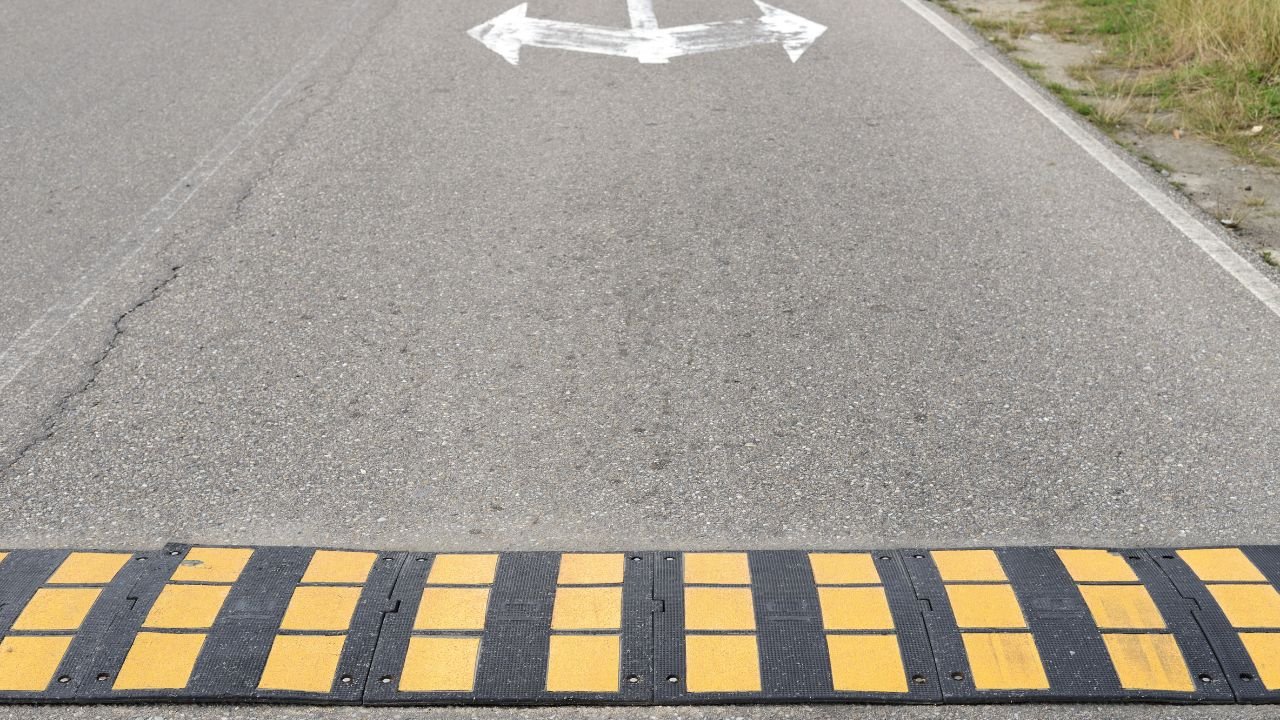
Did you know that traffic calming measures like speed bumps can reduce vehicle speeds by up to 20% in residential areas? At Safety Concrete Squad Florida, we recognize the critical role these installations play in enhancing safety for pedestrians and cyclists. As we explore the various types of speed bumps and their applications, you’ll see how thoughtful design and community input can transform our neighborhoods. Let’s consider the impact together.
When we think about our neighborhoods, guaranteeing safety for pedestrians and cyclists should be a top priority. Traffic calming measures play an essential role in achieving this goal. By reducing vehicle speeds and enhancing road design, we create environments where everyone feels secure. These measures, like narrower lanes and raised crosswalks, encourage drivers to be more mindful of their surroundings and the people in them.
Implementing traffic calming strategies not only protects those on foot or riding bikes but also fosters community interaction. We’re more likely to enjoy our streets and connect with neighbors when we feel safe. Additionally, safer roads lead to fewer accidents and injuries, which benefits everyone.
Ultimately, investing in traffic calming measures is about prioritizing the well-being of our community. Together, we can advocate for safer streets and guarantee our neighborhoods are welcoming for all.
Speed bumps are a common and effective tool in traffic calming strategies, designed to reduce vehicle speeds and enhance safety in our neighborhoods. They create a physical obstacle that encourages drivers to slow down, particularly in areas with high foot traffic or near schools. By forcing vehicles to navigate over them, speed bumps help protect pedestrians and cyclists, making our streets safer for everyone.
It’s important to recognize that speed bumps come in various sizes and heights, each impacting speed differently. While they can be an excellent solution for reducing speeds, we must also consider their placement and design to guarantee they effectively serve their purpose without causing frustration for drivers. Understanding how speed bumps function allows us to appreciate their role in enhancing safety and encourages us to advocate for thoughtful traffic calming solutions in our communities. Together, we can make our neighborhoods safer and more enjoyable for all.
Various types of speed bumps cater to different traffic calming needs, each designed with specific applications in mind. Understanding these options helps us choose the right solution for our roads.
Here’s a quick overview:
| Type of Speed Bump | Best For | Material Used |
|---|---|---|
| Traditional Speed Bump | Residential areas | Asphalt or concrete |
| Speed Hump | High-traffic zones | Rubber or plastic |
| Raised Crosswalk | Pedestrian safety | Concrete |
| Traffic Circle | Intersection control | Pavers or asphalt |
| Speed Cushions | Emergency vehicles | Modular materials |
Each type has its advantages, depending on the environment and traffic volume. By selecting the appropriate speed bump, we can enhance safety for pedestrians and drivers alike. Let’s explore these options further to find the best fit for our community!
Installing speed bumps can greatly enhance road safety in our communities. By encouraging drivers to slow down, we create safer environments for everyone. The benefits of installing speed bumps are clear and impactful:
How do we guarantee that speed bumps are placed effectively for maximum impact? First, we need to assess the traffic patterns in the area. By observing where vehicles tend to speed or where pedestrians frequently cross, we can identify the best locations for installation. We must also consider the surrounding environment; placing speed bumps near schools, parks, or residential areas often yields the most benefit.
Next, we should adhere to local regulations and guidelines to ensure compliance and safety. The height and width of the speed bumps are vital, as they need to slow down vehicles without causing damage. Finally, we can engage with the community to gather input and guarantee that the speed bumps meet everyone’s needs. By taking these key considerations into account, we can enhance safety and encourage responsible driving behavior effectively.
Now that we’ve covered where to place speed bumps, let’s talk about how we can actually install them. We’ll need to take into account the planning and design, choose the right materials and equipment, and follow specific installation steps. Together, we can guarantee a smooth and effective installation process.
While we might think of speed bumps as simple traffic management tools, careful planning and design are vital for effective installation. We need to take into account several factors to guarantee that our speed bumps serve their purpose without causing unnecessary inconvenience.
Here are some key elements to focus on:
To successfully install speed bumps, we need the right materials and equipment to guarantee durability and effectiveness. First, high-quality concrete or asphalt is essential for creating a robust and long-lasting speed bump. We also require reflective paint for visibility, ensuring drivers can easily see the bumps, especially at night. In addition to materials, proper tools are vital; we’ll need concrete mixers, trowels, and leveling equipment to shape and smooth the bumps accurately. Safety gear, such as helmets and vests, keeps our team safe during installation. Finally, traffic cones and signage help direct vehicles away from the work area, ensuring a smooth process. With the right materials and equipment, we can create effective traffic calming solutions for our community.
Before we plunge into the installation process for speed bumps, it’s essential to plan each step carefully to guarantee a smooth execution. We’ll follow these important steps to make sure everything goes according to plan:
When it comes to traffic calming solutions, a variety of materials play essential roles in their effectiveness and durability. We often use concrete for speed bumps and raised crosswalks due to its strength and longevity. It withstands heavy traffic and harsh weather conditions, ensuring safety over time. Additionally, asphalt is another popular choice, especially for temporary installations, as it allows for quicker adjustments if needed.
Reflective paint and thermoplastic materials enhance visibility, making sure drivers notice these calming measures. Rubber is also gaining traction; it’s flexible and can be installed quickly, providing a softer impact for vehicles.
Ultimately, we focus on using high-quality materials that meet safety standards while considering the specific needs of each location. By combining these materials thoughtfully, we create effective traffic calming solutions that promote safer roads for everyone.
As we design effective traffic calming strategies, we must consider the unique characteristics of each location to guarantee that our solutions truly meet the needs of the community. By engaging with local residents and analyzing traffic patterns, we can create tailored approaches that enhance safety and comfort for everyone. Here are some key elements to focus on:
We’ve seen how effective traffic calming strategies can greatly enhance community safety and comfort. One notable case in Florida involved a suburban neighborhood plagued by speeding vehicles. After installing speed bumps and raised crosswalks, residents reported a dramatic decrease in traffic speeds and an increase in pedestrian safety. Another successful installation took place near a local school, where we added curb extensions and additional signage. The result? Parents felt more at ease dropping off their kids, and traffic congestion during pick-up times was considerably reduced.
In a bustling downtown area, we implemented a series of chicanes, which redirected traffic flow and encouraged slower driving. Local businesses noticed an uptick in foot traffic, benefiting from the calmer streets. These examples illustrate the tangible benefits of thoughtful traffic calming measures, showing us that with the right approach, we can create safer and more inviting spaces for everyone.
Engaging the community is essential for enhancing traffic safety, especially since local residents often have the best insight into the challenges they face on their streets. When we collaborate with community members, we create tailored solutions that address specific needs. Here are some ways we can involve the community in traffic safety initiatives:
As we explore regulatory guidelines for traffic calming, it’s important to understand the local regulations that govern these installations. We’ll also look at design standards that guarantee compliance and the procedures we need to follow for effective installation. By following these guidelines, we can create safer streets for everyone.
Before we plunge into the specifics of local regulations for traffic calming, it’s essential to recognize that each municipality may have unique guidelines governing the installation of speed bumps and other calming measures. These regulations guarantee safety and community standards are upheld.
Here are some common elements you might encounter:
Understanding these local regulations helps us navigate the process smoothly and guarantees our efforts in traffic calming are both effective and compliant. Let’s work together to make our streets safer!
While we navigate the complexities of traffic calming design standards, it’s essential to guarantee compliance with established regulatory guidelines. Adhering to these standards not only enhances safety but also assures community support. Here’s a quick overview of key design elements we need to take into account:
| Design Element | Standard Requirement | Purpose |
|---|---|---|
| Speed Bump Height | 3-4 inches | Reduce vehicle speed |
| Width of Bumps | 12-14 feet | Improve visibility |
| Spacing Between Bumps | 300-500 feet | Maintain traffic flow |
| Material Used | Durable concrete | assure longevity |
| Signage | Clear, visible warnings | Inform drivers |
To guarantee effective traffic calming, we must follow a series of installation procedures that align with regulatory guidelines. These guidelines ascertain that our efforts improve safety and reduce speeds consistently. Here are the key steps we need to adhere to:
Regular maintenance of speed bumps and other traffic calming installations is essential for ensuring their effectiveness and safety. We need to regularly inspect these structures for any signs of wear or damage, like cracks or uneven surfaces. If we notice any issues, it’s vital to address them promptly to prevent accidents and maintain proper functionality.
Cleaning the areas around speed bumps is also important. Debris can accumulate, obstructing visibility and making them less effective. We should schedule regular cleanings to keep these installations clear and visible.
Additionally, we must be aware of how weather conditions can impact our installations. Heavy rains or extreme temperatures can cause deterioration, so keeping an eye on these factors can help us maintain their integrity.
As we prioritize pedestrian safety, enhancing visibility around speed bumps and traffic calming installations becomes essential. By guaranteeing that pedestrians are seen and drivers are alerted, we create a safer environment for everyone. Here are some effective measures we can implement:
As we explore the role of technology in traffic calming, we can see how smart traffic signals and data-driven design are changing the game. These advancements not only enhance safety but also improve traffic flow in our communities. Let’s consider how integrating these technologies can lead to more effective solutions for managing road safety.
While traditional traffic signals have served us well for decades, the emergence of smart traffic signals brings a new level of efficiency to traffic calming efforts. These advanced systems utilize real-time data to optimize traffic flow and enhance safety. Here’s how they contribute:
Building on the advancements of smart traffic signals, data-driven design plays a pivotal role in enhancing traffic calming strategies. By utilizing real-time data, we can identify high-risk areas and tailor solutions accordingly. This approach allows us to optimize the placement and design of speed bumps, signage, and other calming measures.
| Data Source | Application | Benefits |
|---|---|---|
| Traffic Volume | Adjust speed bumps | Reduces congestion |
| Accident Reports | Target high-risk spots | Improves safety |
| Pedestrian Footfall | Enhance crosswalks | Increases visibility |
| Local Surveys | Community feedback | Tailors solutions |
Although traffic safety has come a long way, we can still envision a future where innovations dramatically enhance our roads. As we look ahead, several promising advancements could revolutionize how we think about traffic safety:
Typically, the installation process takes about one to three days, depending on the project’s complexity and size. We start by evaluating the area, then prepare the site before laying down the materials. Once we’ve completed the installation, we usually allow some time for the concrete to cure properly. Of course, we’ll keep you updated throughout the process, ensuring everything goes smoothly and meets your expectations for safety and effectiveness.
The costs associated with speed bump installation typically range from $1,000 to $3,000, depending on factors like materials and location. We’ll need to evaluate whether we want asphalt or rubber bumps, as each has different pricing. Additionally, we should factor in labor costs and any necessary permits. By planning ahead and getting multiple quotes, we can guarantee we’re making a well-informed decision that fits our budget and needs.
Absolutely, we can remove or relocate speed bumps when necessary. Think of it like rearranging furniture in our living room; sometimes it just doesn’t fit right. Just like that, if a speed bump interferes with traffic flow or needs adjustment for safety, we can make those changes. It’s essential to assess the situation and act accordingly, ensuring our streets remain safe and efficient for everyone who uses them.
Absolutely, some neighborhoods do require speed bumps. Typically, areas with heavy pedestrian traffic, schools, or parks are prime candidates. We’ve seen that communities often request them to enhance safety and reduce vehicle speeds. It’s essential for local authorities to assess traffic patterns and public input before making decisions. By working together, we can create safer environments for everyone, ensuring that our streets are not just thoroughfares but safe spaces for all.
If we notice issues with installed speed bumps, we can report them directly to our local traffic authority or city council. Many municipalities have online platforms or hotlines specifically for this purpose. It’s helpful to provide clear details, including the location and nature of the problem. By working together and sharing our concerns, we can guarantee that our community remains safe and that necessary adjustments are made promptly.
 Call Now