
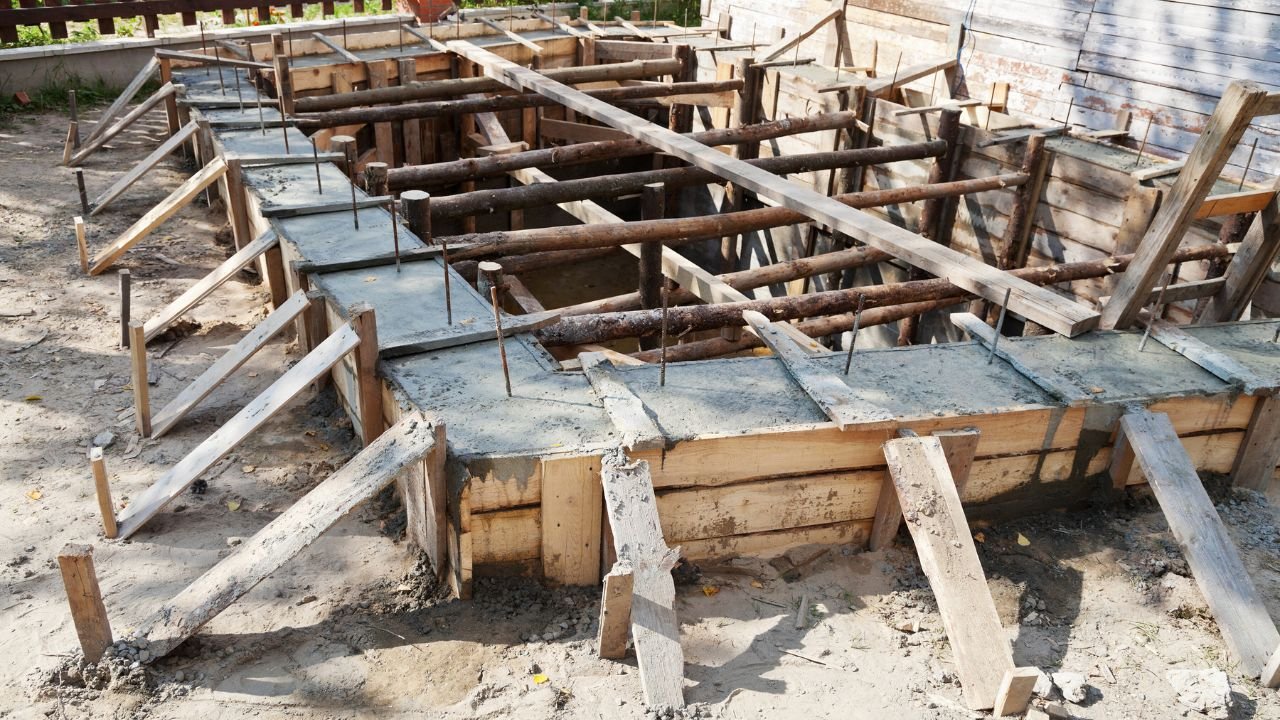
Much like the sturdy roots of a tree that anchor it against storms, a stem wall foundation provides essential stability for structures in Florida’s challenging climate. We recognize the importance of durability and moisture resistance in our designs. As we explore the intricacies of stem wall construction, you’ll discover the expert techniques and materials that set the Traditional Concrete Squad apart. What makes our approach uniquely effective in ensuring long-lasting foundations?
A stem wall foundation is an important component in many construction projects, providing both stability and support. Essentially, it’s a vertical wall that extends above ground level, connecting the foundation to the walls of the building. This design helps to elevate the structure, protecting it from moisture and pests while allowing for proper ventilation underneath.
We often see stem walls made from concrete or masonry, which guarantees durability and strength. By using these materials, we create a solid base that can withstand various environmental factors.
In addition, stem walls can be used in different types of terrain, making them versatile for various building sites. They help distribute weight evenly, which is critical for the longevity of the structure. Understanding the purpose and construction of stem wall foundations is essential for anyone involved in building projects, as it lays the groundwork for a stable and secure home or building.
When we consider stem wall foundations, we can see several key benefits that stand out. They offer enhanced structural support, which is essential for any building. Plus, their moisture resistance and energy efficiency advantages make them a smart choice for long-term sustainability.
Although we often take foundational stability for granted, stem wall foundations offer significant enhanced structural support that can dramatically improve the integrity of a building. When we choose stem wall foundations, we benefit in several key ways:
Since moisture can wreak havoc on building structures, stem wall foundations provide essential advantages in moisture resistance that we can’t overlook. These foundations elevate the building above ground level, minimizing direct contact with soil moisture. By creating a barrier, they help reduce the risk of moisture-related issues like mold and rot, which can compromise structural integrity and indoor air quality. Additionally, stem walls often incorporate drainage systems that direct water away from the foundation, further protecting our homes. This proactive approach allows us to maintain a dry and healthy environment. Ultimately, investing in a stem wall foundation means we’re taking significant steps to safeguard our property against moisture damage, ensuring longevity and stability for years to come.
As we look for ways to enhance our home’s energy efficiency, stem wall foundations offer significant benefits that can’t be ignored. These foundations not only provide stability but also help maintain a more consistent indoor temperature, reducing energy costs. Here are some key advantages:
With these benefits, stem wall foundations are a smart choice for energy-conscious homeowners.
When we consider the components of a stem wall foundation, it becomes clear that each part plays an essential role in guaranteeing structural integrity. Primarily, we have the stem walls themselves, which support the entire building and transfer loads to the ground. Next, we need the footing, which anchors the stem walls and prevents settling.
Here’s a quick overview of the key components:
| Component | Function |
|---|---|
| Stem Walls | Provide vertical support |
| Footing | Distributes weight to the ground |
| Concrete Mix | Guarantees durability and strength |
| Reinforcement | Adds tensile strength |
| Moisture Barrier | Protects against water damage |
Additionally, a moisture barrier is essential to prevent water intrusion, which can compromise the foundation. Understanding these components helps us appreciate the stability and longevity they bring to a structure.
Understanding the components of a stem wall foundation lays the groundwork for grasping the construction process. We’ll walk you through the essential steps that guarantee a sturdy foundation for your structure.
Site Preparation: We start by clearing the site, guaranteeing it’s level and free from debris. Proper drainage is also established to avoid water issues later.
Excavation: Next, we excavate trenches where the stem walls will go. This step requires precision to guarantee the walls sit correctly.
Formwork Installation: After excavation, we install formwork to shape the concrete. These molds define the size and form of the stem walls.
Concrete Pouring: Finally, we pour concrete into the forms, allowing it to cure properly. This step solidifies the foundation, making it ready for the next phases of construction.
In constructing a durable stem wall foundation, selecting the right materials is essential. We typically start with high-quality concrete, as it provides the strength and stability necessary for the foundation. We recommend using a mix designed for structural applications, guaranteeing it can withstand the elements over time. Reinforcement bars, or rebar, are then integrated into the concrete to enhance its tensile strength, helping to prevent cracking.
Next, we often use treated wood or steel for the formwork, which shapes the concrete as it sets. This formwork needs to be sturdy enough to hold the weight of the wet concrete without warping.
Additionally, we might incorporate insulation materials to improve energy efficiency and protect against temperature fluctuations. Finally, choosing proper drainage materials is critical to divert water away from the foundation, helping to maintain its integrity. By carefully selecting these materials, we guarantee a solid and long-lasting stem wall foundation.
Selecting the right materials for a stem wall foundation lays the groundwork for effective drainage, which is essential for the structure’s longevity. Without proper drainage, we risk water accumulation that can lead to significant damage over time. Here’s why we should prioritize drainage in our construction:
When we think about how stem walls perform in Florida’s unique climate, moisture resistance and temperature regulation are key. These features help protect our homes from humidity and heat, keeping them comfortable year-round. Let’s explore how these benefits play an essential role in foundation stability and overall home longevity.
As we navigate Florida’s humid climate, understanding how stem walls enhance moisture resistance becomes essential for building durability. Stem walls are designed to combat moisture issues effectively, providing a robust foundation that stands up to the challenges of our weather. Here are some key moisture resistance features:
While moisture resistance is essential for foundation durability, temperature regulation is another significant benefit of stem walls in Florida’s climate. Stem walls elevate our homes above ground level, creating a buffer zone that helps shield against the heat. This design allows for improved airflow beneath the structure, which can keep the foundation and living spaces cooler. Additionally, the thermal mass of concrete helps to stabilize indoor temperatures, reducing our reliance on air conditioning. By maintaining a consistent temperature, we’re not only comfortable but also saving on energy costs. Overall, stem walls effectively tackle Florida’s intense heat, making them an excellent choice for anyone looking to build a durable and energy-efficient home.
Although stem walls are a popular choice for many construction projects, it’s essential to compare them to other foundation types to understand their unique advantages and disadvantages. Here’s what we’ve found when looking at different options:
Mistakes in stem wall construction can lead to significant structural issues down the line. We often see some common pitfalls that can compromise the integrity of the foundation. By recognizing these mistakes, we can avoid costly repairs and guarantee a sturdy build.
| Mistake | Consequence | Prevention |
|---|---|---|
| Poor drainage design | Water accumulation issues | Incorporate proper drainage |
| Inadequate reinforcement | Structural weakness | Use appropriate rebar sizes |
| Incorrect height | Uneven settling | Measure accurately |
| Ignoring soil type | Instability over time | Conduct soil tests |
| Skipping curing process | Weak concrete | Allow proper curing time |
Recognizing common mistakes in stem wall construction helps us build a strong foundation, but that’s just the beginning. To guarantee our stem wall foundations remain durable and effective, we need to focus on maintenance. Here are four essential tips we should all follow:
Regular Inspections: Let’s check for cracks or signs of settling at least twice a year. Early detection can save us from costly repairs.
Proper Drainage: It’s crucial to maintain proper drainage around the foundation. We should guarantee gutters and downspouts direct water away from the walls.
Moisture Control: Keeping moisture levels in check is key. Using a dehumidifier in crawl spaces can prevent mold and wood rot.
Pest Control: We must monitor for pests like termites. Regular treatments can protect our foundation’s integrity.
In recent years, several innovations have transformed the way we approach stem wall construction, making it more efficient and durable. One significant advancement is the use of advanced concrete mixes that enhance strength and reduce cracking. These specialized mixes can withstand extreme weather conditions, ensuring longevity and stability.
Additionally, we’ve seen the integration of modular construction techniques. By prefabricating components off-site, we can speed up the building process and minimize on-site waste. This not only saves time but also reduces costs.
Furthermore, the adoption of smart technology, like sensors embedded in the walls, allows us to monitor structural integrity in real-time. This proactive approach means we can address potential issues before they escalate.
When it comes to stem wall foundations, we’re proud to highlight the expertise of Traditional Concrete Squad Florida. Our experienced construction team knows how to select the best materials to guarantee durability and quality. Together, we can build a solid foundation that stands the test of time.
Building a sturdy stem wall foundation requires the expertise of a seasoned construction team. At Traditional Concrete Squad Florida, we pride ourselves on our extensive experience, guaranteeing that each project is handled with care and precision. Here’s what sets our team apart:
Your foundation deserves the best, and we’re here to deliver it.
Choosing the right materials is essential for a lasting stem wall foundation, and we at Traditional Concrete Squad Florida know exactly what to look for. Quality selection guarantees durability and support for your structure. We focus on three key elements:
| Material Type | Importance |
|---|---|
| Concrete Mix | Provides strength and stability |
| Reinforcement Bars | Enhances load-bearing capacity |
| Waterproofing | Prevents moisture damage |
As we explore the domain of stem wall foundation construction, it’s inspiring to see how successful projects have transformed various landscapes. These projects illustrate the versatility and effectiveness of stem wall foundations in different environments. Here are four standout examples:
Coastal Home: A stunning beachside property utilized a stem wall foundation to combat erosion, ensuring stability against harsh weather conditions.
Mountain Retreat: Nestled in the hills, this cabin employed a stem wall to adapt to the rocky terrain, providing excellent drainage and support.
Urban Development: A commercial building in a flood-prone area incorporated stem walls to elevate the structure, effectively mitigating flood risks.
Residential Community: A new housing development used stem walls for all homes, promoting uniformity while enhancing resilience against local soil conditions.
These case studies showcase how stem wall foundations can be tailored to meet specific challenges and elevate structural integrity.
Successful stem wall projects not only demonstrate their adaptability but also highlight the significance of understanding the costs involved in their construction. When we consider the expenses, we must factor in materials, labor, and site preparation. Concrete and reinforcing steel are vital components that can vary widely in price. We should also account for the labor costs, which depend on local wage rates and the complexity of the project.
Moreover, additional expenses like excavation or drainage systems can arise, depending on the site conditions. It’s important to prepare for unexpected costs that might surface during the construction process. By budgeting wisely and seeking multiple quotes, we can guarantee we get the best value for our investment. Ultimately, understanding these cost considerations allows us to make informed decisions, assuring that our stem wall foundation is not only strong but also financially feasible.
As we look ahead in foundation construction, we’re excited about the potential of sustainable materials and smart technologies. These innovations not only promise to enhance durability but also contribute to eco-friendly building practices. Let’s explore how these trends could reshape our approach to foundations in the coming years.
While we navigate the challenges of climate change and resource depletion, the construction industry is increasingly embracing sustainable materials innovations in foundation construction. By incorporating these materials, we’re reducing our environmental impact while enhancing durability and performance. Here are some key innovations we’re excited about:
Together, we can contribute to a greener future while building resilient foundations for tomorrow.
With technology advancing rapidly, we’re witnessing a transformative shift in foundation construction through smart foundation technologies. These innovations, like sensors and IoT-enabled systems, allow us to monitor structural health in real-time. By integrating smart materials, we can create foundations that adapt to environmental changes, enhancing durability and safety. Imagine foundations that alert us to potential issues before they become significant problems. This proactive approach not only saves time and money but also boosts overall construction efficiency. As we embrace these technologies, we’re not just building structures; we’re ensuring their longevity and resilience. By investing in smart foundation technologies today, we’re laying the groundwork for a safer, more sustainable future in construction.
When we think about building a solid foundation, it’s like constructing a time machine for our future! Typically, the stem wall foundation construction process takes about one to three weeks. This timeframe depends on factors like weather, site conditions, and the complexity of the design. We’ve got to guarantee everything’s done right, so we don’t rush it. Once it’s set, we can move forward with confidence in our structure’s stability!
When building a stem wall foundation, we need to obtain several permits. Typically, we’ll require a building permit, zoning permit, and possibly environmental permits, depending on local regulations. Before starting, it’s essential to check with our local building department to guarantee we’ve got everything covered. Each area has its specific requirements, so staying informed helps us avoid delays and guarantees our project complies with all necessary guidelines.
Absolutely, we can build a stem wall foundation on sloped land! However, it requires careful planning and proper engineering to guarantee stability and drainage. We’ll need to assess the slope and soil conditions, then design the foundation to accommodate those factors. It’s essential to work with professionals who understand these challenges so we can create a solid, safe structure that stands the test of time. Let’s tackle this project together!
Yes, there are specific inspections we need during construction. Generally, we should schedule inspections after the foundation is excavated, when the rebar is in place, and before pouring the concrete. Local building codes might require additional checks, so it’s essential to stay informed. By coordinating these inspections, we guarantee that everything meets safety standards and regulations. This approach helps us avoid potential issues down the line and secures a solid foundation for our project.
When it comes to choosing a contractor for stem wall foundations, we’ve got to take our time. First, we should check their experience and ask for references. Next, we can compare quotes and services. It’s wise to verify they’re licensed and insured. Don’t hesitate to ask questions; good communication is key! Finally, trust our instincts—if something feels off, keep looking. It’s better to be safe than sorry in the long run!
 Call Now