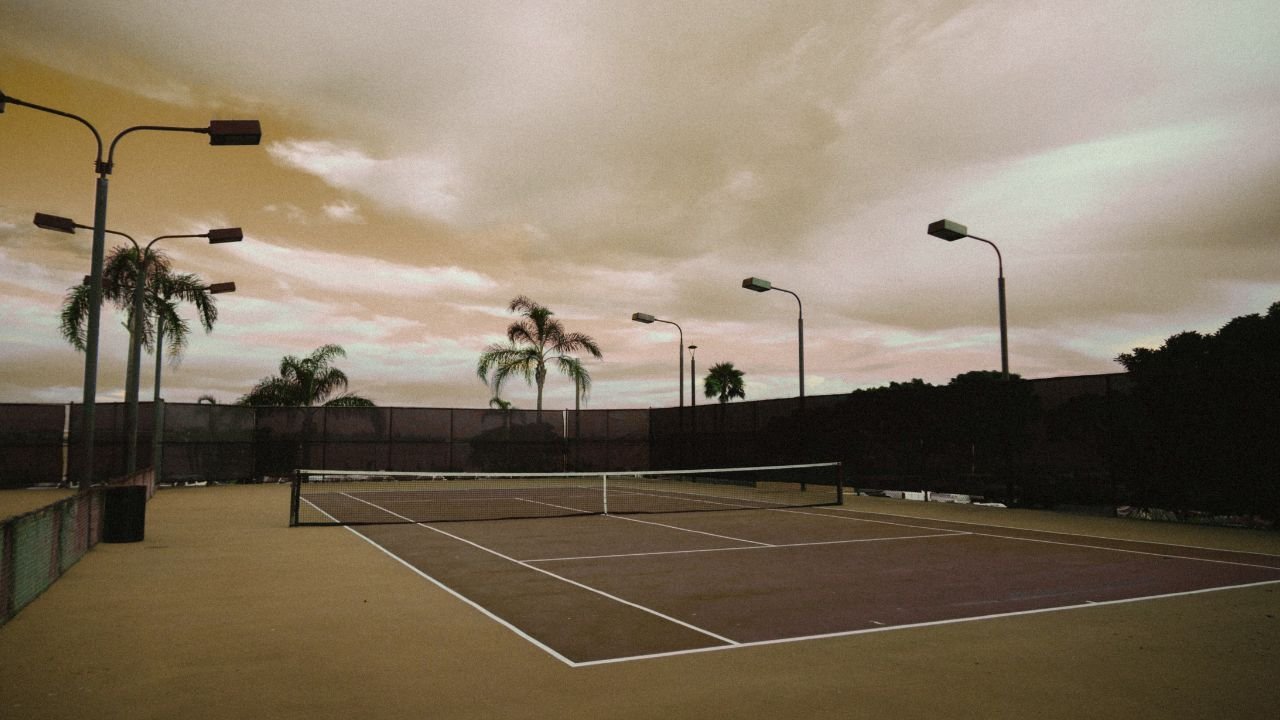
When it comes to tennis court foundation installation, we recognize that a solid base is essential for performance and longevity. At Athletic Concrete Squad Florida, we focus on every detail, from soil preparation to drainage solutions, ensuring our clients get a durable and visually appealing court. But what exactly goes into creating that perfect foundation? Let’s explore the key components and processes that make our installations stand out.
When we think about building a tennis court, we must recognize that a solid foundation is essential to the court’s longevity and performance. Without a sturdy base, our efforts could lead to issues like cracks, uneven surfaces, and drainage problems. These factors not only affect the playability of the court but can also lead to costly repairs down the line.
A well-constructed foundation absorbs the stress from players’ movements and environmental changes, ensuring that the surface remains stable. It also facilitates proper drainage, preventing water from pooling and damaging the surface material.
Investing in high-quality materials and professional installation will pay off in the long run. By prioritizing the foundation, we set the stage for a reliable, enjoyable playing experience. After all, a solid foundation isn’t just about construction; it’s about creating a space where we can improve our skills and enjoy the game together.
Creating a reliable tennis court foundation involves several key components that work together to guarantee durability and performance. First, we need to verify proper drainage. A well-drained foundation prevents water accumulation, which can lead to surface damage over time. Next, we must focus on a stable sub-base, often made of compacted gravel or crushed stone, providing a solid base that withstands heavy foot traffic and equipment use.
Additionally, an adequate leveling process is essential. This guarantees an even playing surface, reducing the risk of injury and enhancing gameplay. Finally, we should consider the use of reinforcement materials, like rebar or wire mesh, to add strength and prevent cracking due to temperature fluctuations or ground movement.
When we think about constructing a tennis court, the materials we choose play an essential role in its performance and longevity. We’ll explore options like concrete surfaces, acrylic resurfacing materials, and the right choices for fencing and lighting. Each of these elements contributes to a functional and enjoyable playing experience.
Choosing the right concrete surface for a tennis court is essential, as it directly impacts gameplay and maintenance. We’ve found that selecting the appropriate surface can enhance player experience and extend the court’s lifespan. Here are three popular concrete surface options to evaluate:
Standard Concrete: This is durable and cost-effective, providing a solid foundation but can be harder on players’ joints.
Textured Concrete: This option offers better traction and can help reduce slipping, making it safer for players.
Colored Concrete: Not only does this add aesthetic appeal, but it can also be designed to improve visibility for ball tracking.
After selecting the right concrete surface for our tennis court, we need to ponder acrylic resurfacing materials that enhance playability and durability. These materials provide a smooth, consistent playing surface, which is vital for both recreational and competitive players. Typically, we choose between two main types: textured and smooth finishes. Textured surfaces offer better traction, while smooth options facilitate faster play. Additionally, we can select different color coatings that not only improve aesthetics but also help with visibility. When applying these materials, it’s essential to take into account the climate and local conditions, as they affect the longevity and performance of the surface. Ultimately, investing in quality acrylic resurfacing guarantees our court remains in top shape for years to come.
How do we guarantee our tennis court not only looks great but is also secure and well-lit? By carefully selecting fencing and lighting materials that enhance both safety and aesthetics. Here are three essential elements we focus on:
While we may focus on the surface material and construction of a tennis court, effective drainage plays an important role in guaranteeing its longevity. Without proper drainage, water can accumulate, leading to surface damage and structural issues over time. We all know that standing water can degrade materials, causing cracks and uneven surfaces that can affect playability.
By incorporating a well-designed drainage system, we can redirect excess water away from the court’s foundation. This not only prevents erosion but also minimizes the risk of mold and mildew, which can compromise the court’s integrity. When we install a court, considering the slope and placement of drainage channels becomes vital.
Ultimately, effective drainage safeguards our investment and enhances the overall playing experience. By being proactive about drainage, we can guarantee our tennis courts remain in top condition for years to come. Let’s prioritize this significant aspect in our court installation projects!
Now that we recognize the importance of drainage for our tennis court’s longevity, let’s move on to the foundation installation process. We’ll start with the essential site preparation steps, ensuring a solid base before applying the concrete layer. This foundation is vital for creating a durable and long-lasting playing surface.
To guarantee a solid foundation for our tennis court, we must begin with thorough site preparation steps. This confirms the longevity and performance of the court. Here’s what we need to focus on:
With the site fully prepared, we can move on to the concrete layer application, which forms the backbone of our tennis court foundation. First, we mix high-quality concrete, ensuring it meets specific strength and durability standards. Next, we pour the concrete evenly across the prepared area, using tools to spread it out smoothly. It’s vital to maintain the correct thickness for peak performance. Once poured, we level the surface and use a trowel to achieve a fine finish. After that, we’ll allow the concrete to cure properly, which can take several days, depending on weather conditions. This curing process is essential as it strengthens the foundation, giving you a solid base for your future tennis court surface.
Before we lay the foundation for a tennis court, thorough site preparation is essential to guarantee a successful installation. This process isn’t just a formality; it sets the stage for everything that follows. By focusing on the right steps, we can secure a solid base that will stand the test of time.
Here are three key components of effective site preparation:
Clearing the Area: We need to remove any debris, vegetation, or obstacles that could interfere with the court’s construction.
Grading the Surface: Proper grading helps create a level foundation, which is vital for water drainage and court performance.
Compacting the Soil: Compacting the soil guarantees stability and prevents future settling, which could lead to cracks or uneven surfaces.
When we think about the perfect spot for our tennis court, we need to take into account sun exposure and how it affects our playing conditions. It’s also essential to assess the drainage and soil quality to guarantee a stable foundation. By focusing on these factors, we can create a court that’s enjoyable and long-lasting.
As we choose the right location for our tennis court, considering sun exposure is essential for ideal playing conditions. Proper sunlight can enhance our playing experience, while excessive shade or glare can hinder it. Here are three key factors to keep in mind:
After ensuring ideal sun exposure for our tennis court, we must turn our attention to drainage and soil quality. Choosing the right location is vital for a successful court. We should look for a spot with good natural drainage to prevent water from pooling, which can damage the surface and affect playability. Sloped areas are often best, as they allow water to flow away. Additionally, testing the soil is essential; we want a mix that’s firm yet not too compacted. Sandy loam is often ideal, providing both stability and drainage. By prioritizing these factors, we can create a court that’s not only enjoyable to play on but also durable for years to come. Let’s take these steps seriously!
While we might be tempted to tackle a tennis court foundation installation ourselves, opting for professional help offers numerous advantages that can save us time and money in the long run. Here’s why we should consider hiring experts:
Expertise and Experience: Professionals bring specialized knowledge and years of experience, ensuring that the foundation is installed correctly and meets industry standards.
Quality Materials: They have access to high-quality materials and equipment that might not be readily available to us, ensuring a durable and long-lasting foundation.
Time Efficiency: With their skills and tools, professionals can complete the installation faster, allowing us to enjoy our new court sooner rather than later.
In the end, investing in professional installation means less stress for us and a better-quality tennis court that enhances our playing experience. Let’s make a smart choice for our athletic pursuit!
Now that we’ve covered professional installation, let’s talk about how we can customize our tennis court design to fit our unique style. We have a variety of surface materials to choose from, along with exciting color options and different court layouts. Together, we can create a space that truly reflects our vision for play and enjoyment.
When we consider the surface material options for our tennis court design, we quickly realize that each choice impacts not only the playability but also the aesthetic appeal. Selecting the right surface is essential for enhancing our game and ensuring durability. Here are three popular options we can explore:
Acrylic – This surface offers excellent traction and is available in various colors, making it a favorite for recreational and competitive players.
Clay – Known for its slower ball speed, clay courts allow for longer rallies and are easier on joints, but they require more maintenance.
Grass – This classic surface provides a unique playing experience, promoting a fast game, but it demands consistent upkeep to maintain its quality.
How do we choose the perfect colors for our tennis court design? First, we need to weigh the overall aesthetic we want to achieve. Are we going for a classic look with deep greens and blues, or something more vibrant and modern? Next, let’s take into account the local environment and how colors can reflect or absorb heat. Lighter colors might reduce heat absorption, making our playing experience more comfortable. We should also think about how colors can affect visibility; contrasting shades can enhance ball tracking. Finally, let’s not forget personal preferences—choosing colors that resonate with us will make our court feel uniquely ours. Together, we can create a tennis court that’s both functional and visually appealing.
Choosing the right colors for our tennis court sets the stage for customization, but we also have exciting options in court layout variations. These layouts can not only enhance aesthetics but also improve playability. Here are three popular options we can consider:
Though maintaining our tennis court foundation might seem challenging, a few simple practices can keep it in top shape. First, we should regularly inspect the surface for cracks or uneven areas. Catching these issues early can prevent more significant problems down the line. Next, we must guarantee proper drainage around the court. Standing water can weaken the foundation, so we should address any drainage issues promptly.
It’s also essential to keep the court clean. Regularly sweeping off debris and leaves will help avoid mold and mildew growth, which can compromise the surface. We should also avoid heavy machinery or sharp objects on the court, as they can damage the foundation.
Lastly, if we notice any significant wear or damage, we should consult a professional for repairs. By following these tips, we can extend the life of our tennis court and enjoy it for years to come.
While we might enjoy playing year-round, we can’t ignore how weather affects the durability of our tennis court. Understanding these effects can help us maintain a court that stands the test of time. Here are three key weather factors to take into account:
Rain and Moisture: Excessive moisture can weaken the court surface, leading to cracks or surface degradation. We need to guarantee proper drainage to combat this issue.
Heat and Sun Exposure: Intense sunlight can cause materials to expand and deteriorate. Regular inspections for signs of wear can help us identify any problems early.
Cold Temperatures: Freezing conditions can lead to frost heave, which may lift and damage the surface. It’s vital to prepare our courts for winter months to minimize this risk.
When we invest in high-quality materials for our tennis courts, we greatly enhance both performance and longevity. Using premium concrete and specialized coatings can considerably improve the playability of the surface. This means better traction, reduced risk of injury, and an overall more enjoyable experience for players of all levels.
We also notice that high-quality materials resist wear and tear more effectively, which translates to less maintenance and fewer repairs over time. This reliability keeps our courts looking and performing their best, even under heavy use.
Additionally, choosing the right materials can help regulate surface temperature, ensuring a comfortable playing environment, regardless of the weather. By prioritizing quality, we’re not just building courts; we’re creating spaces that foster skill development and enjoyment. Ultimately, this commitment to excellence sets the foundation for countless memorable matches and personal achievements on the court.
Even with our focus on quality materials for tennis court construction, we often encounter several common challenges during the installation process. Recognizing these challenges helps us guarantee a smoother experience for everyone involved. Here are three key issues we face:
Weather Conditions: Rain or extreme temperatures can delay installation and affect the curing process of concrete, compromising the court’s durability.
Site Preparation: Uneven ground or poor drainage can lead to additional work, requiring us to level the area and guarantee proper water flow to prevent future damage.
Material Supply: Delays in sourcing premium materials can disrupt timelines, making it essential for us to plan ahead and secure our resources in advance.
At our company, we take pride in the positive feedback we receive from clients after completing their tennis court installations. Hearing their satisfaction fuels our passion for delivering high-quality work. Many clients express how our team made the entire process seamless, from design to execution. They appreciate our attention to detail, which guarantees their courts meet both aesthetic and functional needs.
One client shared, “The court exceeded my expectations! It’s not just beautiful; it plays perfectly.” Another remarked on our professionalism and how we communicated every step along the way.
These testimonials remind us of the impact we have on our clients’ lives, enhancing their recreational spaces. It’s incredibly rewarding to know that our efforts help create environments where families and friends can enjoy countless hours of fun. We’re grateful for the trust our clients place in us, and we look forward to more successful installations in the future.
Choosing Athletic Concrete Squad Florida means opting for excellence in tennis court installations. We take pride in delivering high-quality work tailored to your specific needs. Here’s why we stand out:
When you choose us, you’re not just getting a contractor; you’re partnering with dedicated professionals who care about your project as much as you do. Let’s build the tennis court of your dreams together!
Typically, a tennis court foundation installation takes about one to two weeks. We start with site preparation, which can take a few days, followed by pouring the concrete. Once the concrete sets, we focus on finishing touches, like drainage and surface treatments. Weather can impact our timeline, but we always aim to keep you informed throughout the process. So, if you’re considering this project, we’re here to help you every step of the way!
When we’re planning tennis court construction in Florida, we typically need a few permits to get started. First, we’ll often require a building permit from the local county or city. Depending on the area, we might also need zoning approval, especially if we’re altering the land. It’s essential to check for any environmental permits as well. We recommend contacting local authorities to guarantee we have everything covered before beginning our project.
We can definitely install a tennis court foundation ourselves, but it’s not as simple as it seems. While DIY projects are rewarding, we need to take into account factors like soil quality, drainage, and proper materials. If we lack experience, it might lead to costly mistakes. We should weigh our skills against the benefits of hiring professionals to guarantee a durable and high-quality foundation. Sometimes, investing in expertise pays off in the long run.
The average cost of tennis court foundation installation typically ranges between $10,000 to $30,000, depending on various factors like location and materials. We’ve found that factors such as site preparation, drainage, and the type of surface chosen can notably impact the final price. It’s crucial to get multiple quotes and discuss your specific needs with professionals to guarantee you get the best value for your investment.
When it comes to tennis court installations in Florida, the regulations can feel overwhelming! We must adhere to local zoning laws, drainage requirements, and environmental guidelines. Each county might have its own rules, so checking with local authorities is essential. We also need to guarantee proper surface materials are used for safety and durability. By understanding these regulations, we can create a fantastic tennis experience while staying compliant and responsible.
 Call Now