
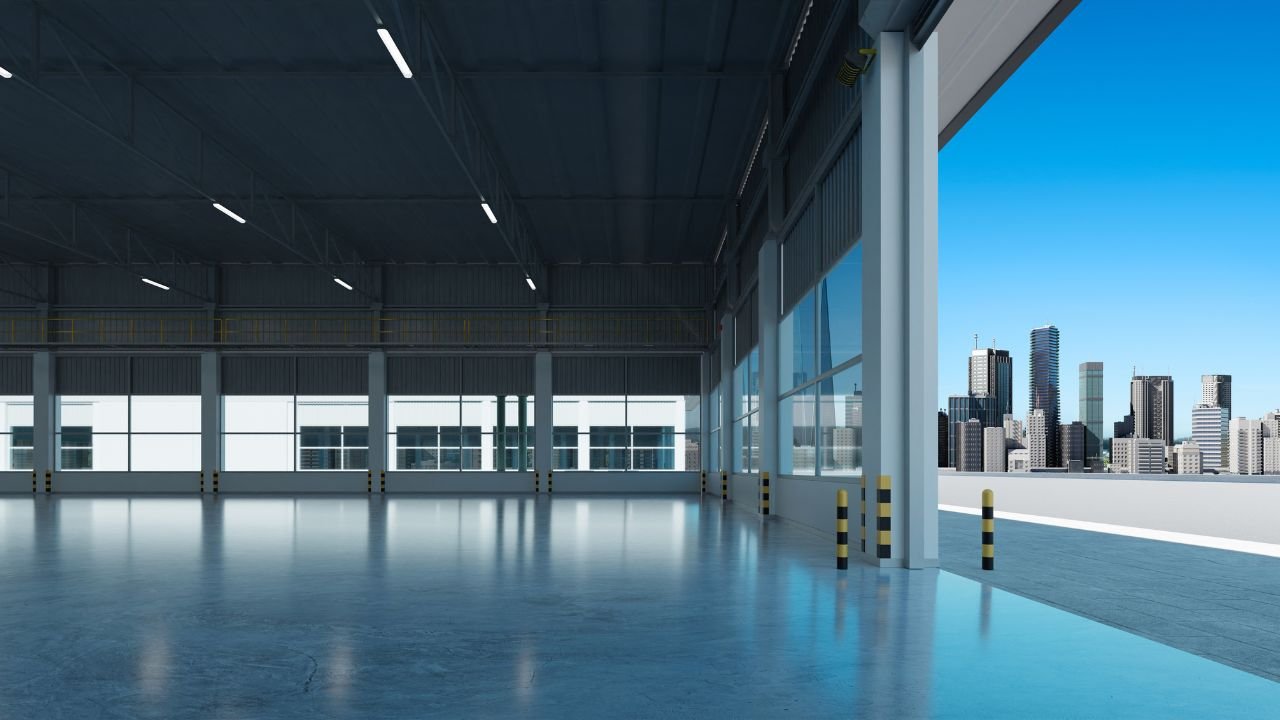
Did you know that nearly 70% of workshop accidents are linked to improper flooring? We realize how essential it is to have a durable, safe surface in your workspace. Choosing the right flooring can greatly impact productivity and safety. Let’s explore why concrete might be the ideal choice for your workshop and what the installation process entails.
When we think about workshop environments, the flooring often gets overlooked, yet it plays an essential role in our daily operations. Durable flooring isn’t just a surface; it’s the foundation that supports our productivity and safety. We need a floor that can withstand heavy equipment, constant foot traffic, and potential spills. A strong, resilient floor guarantees we can work efficiently without worrying about damage or repairs.
Moreover, a well-chosen floor can enhance our workspace’s overall aesthetics, making it more inviting and motivating. It’s important to choose materials that not only meet our practical needs but also contribute to a positive atmosphere.
Investing in durable flooring means fewer disruptions to our workflow, allowing us to focus on what we do best. By prioritizing this aspect of our workshop, we’re setting ourselves up for long-term success and fostering an environment where we can thrive.
When we consider concrete flooring, two key features stand out: its long-lasting durability and easy maintenance options. These aspects not only enhance the lifespan of our workshop floors but also simplify our upkeep tasks. Let’s explore how these benefits can make a significant difference in our workspace.
Concrete flooring stands out for its long-lasting durability, making it an ideal choice for workshop installations. We’ve all seen how tough it can be, handling heavy machinery and constant foot traffic without showing wear. Here are key features that contribute to its remarkable durability:
Together, these features guarantee your workshop floor remains reliable for years to come.
After highlighting the durability of concrete flooring, it’s also important to contemplate how easy it is to maintain. We appreciate that concrete requires minimal upkeep, making it ideal for busy workshops. Regular sweeping and occasional mopping keep the surface clean and inviting.
Here’s a quick overview of maintenance tasks:
| Task | Frequency |
|---|---|
| Sweeping | Daily |
| Mopping | Weekly |
| Sealing | Every 3-5 years |
| Stain Removal | As needed |
| Crack Repair | As needed |
Choosing concrete for our workshop floors offers numerous benefits that enhance both functionality and durability. It’s a smart choice we can all appreciate, especially when we consider the following advantages:
While we might be enthusiastic to get started on our workshop floor, understanding the installation process is essential for achieving the best results. First, we’ll assess the area, making sure it’s clear and ready for work. This step helps us identify any necessary repairs to the existing surface. Next, we’ll mix the concrete, paying close attention to the right consistency to guarantee durability.
Once mixed, we’ll pour the concrete evenly across the designated space, using tools like a screed to level it out. After pouring, we’ll need to allow adequate time for the concrete to set, which typically takes several hours. During this period, we’ll monitor the temperature and humidity, as these factors can affect curing. Finally, once fully cured, we can finish the surface with sealants or coatings for added protection. Following these steps closely guarantees a solid, long-lasting workshop floor that meets our needs.
Before we start our floor installation, we need to clear the work area of any obstacles. This helps us guarantee a smooth process and lets us assess the existing flooring conditions properly. By taking these steps, we set ourselves up for a successful installation.
To achieve a successful workshop floor installation, we need to start by clearing the work area effectively. A tidy space not only enhances our efficiency but also guarantees safety during the installation process. Here’s how we can prepare:
Once we’ve cleared the work area, we need to evaluate the flooring conditions to guarantee a solid foundation for our installation. First, let’s check for any cracks, holes, or uneven spots that could affect our new floor. We should also look for moisture issues; dampness can weaken our installation over time. If we notice any debris or old adhesives, we’ll need to remove them to secure proper adhesion. It’s essential to measure the floor’s levelness, so we can address any discrepancies before proceeding. Finally, let’s consider the existing surface material; knowing what we’re working with helps us choose the right installation method. By thoroughly evaluating these conditions, we set ourselves up for a successful flooring project.
When it comes to selecting the perfect concrete finish for our workshop floor, we have a variety of options to evaluate. Each finish offers unique benefits that can enhance both aesthetics and functionality. Here are four popular choices:
When it comes to customizing our workshop floor, we have some exciting options to contemplate. We can choose from a variety of color choices to match our style and preferences, along with different surface textures that enhance both functionality and aesthetics. Let’s explore how these options can transform our workspace into something truly unique.
Choosing the right color for our workshop floor can greatly enhance both the aesthetics and functionality of the space. It’s essential to think about how colors can influence our mood and productivity. Here are some popular color choices we might consider:
Selecting the right surface texture for our workshop floor can greatly impact both safety and comfort. We have several options to evaluate, each tailored to our specific needs. For example, a smooth finish might be ideal for easy mobility, while a textured surface can provide better traction, reducing slip hazards. If we anticipate frequent spills, a broom-finished texture can help manage liquids effectively. Additionally, we can explore stamped or decorative textures for aesthetics without compromising functionality. As we weigh these choices, let’s think about how each texture option aligns with our workshop activities and safety requirements. Ultimately, the right surface texture will enhance our workspace, making it safer and more enjoyable for everyone involved.
To guarantee our workshop floor lasts for years, we need to prioritize regular maintenance. Keeping our concrete floor in top shape isn’t just beneficial; it’s essential for our productivity and safety. Here are some straightforward tips to help us:
While we often consider aesthetics and durability when installing a workshop floor, the cost-effectiveness of concrete floors stands out as a major advantage. Concrete is one of the most affordable flooring options available. Its initial installation cost is generally lower than that of alternatives like wood or tile, making it an appealing choice for budget-conscious projects.
Moreover, concrete floors require minimal maintenance, which means lower long-term costs. Unlike other materials that might need replacement or extensive repairs, concrete holds up remarkably well against wear and tear.
We also save on energy costs, as concrete’s thermal mass can help regulate temperature, reducing heating and cooling expenses. With their longevity and durability, concrete floors can be a smart investment that pays off over time. So, when we think about workshop floors, let’s remember that concrete not only looks good and lasts long but also saves us money in the long run.
When we consider the safety benefits of concrete flooring, it’s clear that this material provides a reliable foundation for any workshop environment. Concrete floors enhance safety in multiple ways, ensuring we can work confidently and efficiently.
Here are four key safety benefits of concrete flooring:
When we think about our workspaces, the flooring we choose can greatly affect our productivity. With enhanced safety measures, we can reduce accidents and downtime, while improved maintenance efficiency keeps our operations running smoothly. Let’s explore how these factors contribute to a more productive environment for everyone involved.
Enhanced safety measures greatly boost productivity in workspaces, as they create an environment where employees feel secure and focused. When we prioritize safety, we see several positive outcomes:
A safe and organized workspace naturally leads to better maintenance efficiency, which greatly impacts overall productivity. When we create a well-structured environment, we find it easier to locate tools and materials, reducing downtime. Regular maintenance becomes straightforward, preventing costly repairs and minimizing disruptions. This efficiency translates into smoother workflows and heightened focus on our tasks.
Implementing durable concrete flooring not only enhances safety but also simplifies cleaning and upkeep. We can quickly address spills or debris, maintaining a clean work area that fosters motivation and efficiency. By prioritizing maintenance, we cultivate a culture of responsibility and pride in our workspace, ultimately boosting our productivity. Together, let’s embrace these improvements to maximize our output and achieve our goals.
While we often consider aesthetics and durability when choosing flooring materials, comparing concrete to alternatives like wood, tile, or vinyl reveals distinct advantages. Concrete flooring stands out in several key areas:
Considering the advantages of concrete flooring, we should also weigh its environmental impact. While concrete is durable and long-lasting, its production contributes considerably to carbon emissions. The process of cement manufacturing, a key ingredient in concrete, is energy-intensive and releases CO2 into the atmosphere. However, we can make more sustainable choices. Using recycled materials in concrete mixes can reduce the carbon footprint and minimize waste. Additionally, opting for local suppliers can decrease transportation emissions.
We should also consider the lifecycle of concrete. Its longevity means fewer replacements and less waste over time. Moreover, concrete can be designed to reflect heat, reducing energy costs for heating and cooling. By being aware of these factors, we can take steps to minimize the environmental impact of our concrete flooring choices while still enjoying its many benefits. Let’s commit to making informed decisions that contribute to a sustainable future.
Satisfaction often comes from seeing a vision come to life, and our clients have shared their experiences with our workshop floor installations. Their feedback highlights the impact our work has made on their businesses. Here’s what some of them had to say:
These testimonials remind us of our commitment to quality and craftsmanship. We take pride in delivering not just a service, but a lasting solution that enhances the work environment for everyone involved. Your satisfaction is our ultimate goal, and we’re thrilled to see our clients thrive.
Our clients’ positive experiences inspire us to help you get started with your own workshop floor installation. First, we’ll assess your space together, identifying any specific needs or challenges. Next, we’ll choose the right materials, considering factors like durability and aesthetic appeal.
After that, we’ll prepare the area by clearing it of any debris and guaranteeing a clean surface. This step is essential for a smooth installation. Once the prep work is done, we’ll mix and pour the concrete, taking care to guarantee an even distribution.
We’ll then finish the surface, applying any desired sealants or coatings for added protection. Finally, we’ll discuss maintenance tips to keep your new floor looking great for years to come. With our guidance, you’ll feel confident every step of the way, turning your vision into reality. Let’s get started on creating a durable workspace you can be proud of!
Typically, the concrete installation process takes about three to five days. We start by preparing the site, which usually takes a day. Then, we pour the concrete, allowing it to set for another day. After that, we cure it for a couple of days to guarantee durability. Of course, this timeline can vary based on factors like weather and project size, but we always aim to complete efficiently while maintaining quality.
Yes, we can remove existing flooring during the installation process. We’ll assess the current flooring to determine the best approach for removal. It’s important to guarantee the surface is clean and ready for the new installation. We’ll handle all the necessary steps to make this change smooth for you. If you have any specific concerns about the existing flooring, let us know, and we’ll address them together!
After installation, we need to guarantee proper curing to achieve ideal strength and durability. Typically, we recommend moist curing, which involves keeping the surface damp for at least 7 days. This helps the concrete hydrate evenly and prevents cracking. We can also use curing compounds to retain moisture. It’s essential to avoid heavy traffic during this period, allowing the surface to cure fully and perform well for years to come.
Yes, concrete flooring can be slippery when wet, but it depends on the finish and texture. We often use non-slip additives or textured surfaces to enhance traction. If we’re concerned about safety, we can explore different options that provide grip even when wet. It’s important to take into account the specific environment and usage to make sure we choose the right solution for both durability and safety. Let’s discuss the best choices for your needs!
Yes, there are warranties available for concrete flooring! Typically, manufacturers offer warranties that cover defects in materials and workmanship. These warranties can vary in length and terms, so it’s important to read the fine print. We recommend discussing warranty options with your contractor to guarantee you get the coverage you need. By doing this, we can help protect your investment and give you peace of mind for years to come!
 Call Now