
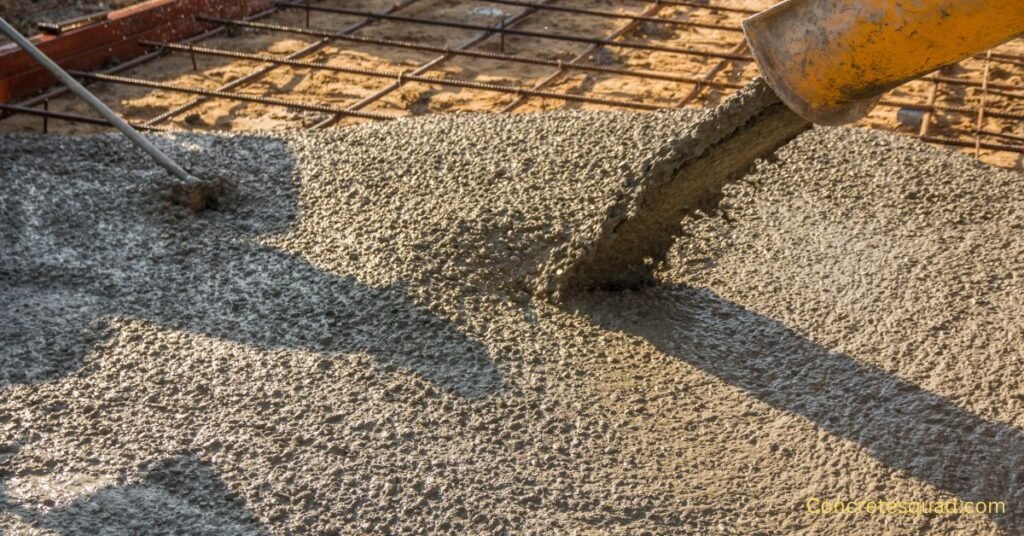
Emergency measures for concrete-related hazards are critical for ensuring worker safety. Implement personal protective equipment such as gloves, goggles, and respiratory masks to minimize exposure risks. Effective dust control techniques, including water application and HEPA filters, should be utilized to reduce airborne contaminants. In the event of chemical exposure, remove contaminated clothing and irrigate affected skin with water for 15 minutes. Regular structural integrity assessments and emergency drills enhance preparedness. Communication protocols must be established to coordinate responses efficiently. These measures form a comprehensive approach to safety, laying the groundwork for more in-depth protocols and guidelines.
Identifying concrete hazards is crucial for ensuring workplace safety and maintaining structural integrity. Concrete, while a cornerstone of modern construction, poses specific risks that require thorough evaluation. Among these hazards, concrete toxicity is a significant concern, particularly due to the presence of harmful ingredients such as silica, chromium, and other chemical compounds found in cement mixtures. Prolonged exposure to these substances can lead to serious health issues, including respiratory problems and skin irritation.
Effective hazard prevention begins with a comprehensive risk assessment that identifies potential sources of exposure. It is essential to analyze the work environment, including dust generation during mixing and pouring, as well as the potential for wet concrete exposure leading to chemical burns.
Regular monitoring of air quality and implementing appropriate ventilation systems can mitigate the risks associated with concrete toxicity.
Furthermore, training personnel to recognize signs of concrete-related hazards is vital. Establishing clear protocols for incident reporting and response can enhance workplace safety.
Personal Protective Equipment (PPE) is critical for safeguarding workers against the various hazards associated with concrete handling and construction.
This section will examine the types of PPE necessary for such environments, outline proper usage guidelines to ensure maximum protection, and discuss the essential maintenance and care practices to extend the lifespan and effectiveness of the equipment.
Effective implementation of these measures is vital for minimizing injury risk and enhancing overall safety.
Utilizing appropriate personal protective equipment (PPE) is essential in mitigating risks associated with concrete hazards. The primary types of PPE include gloves, helmets, eye protection, respiratory equipment, and high-visibility clothing. Each category serves a specific purpose in safeguarding workers from various concrete-related risks.
Gloves are crucial for protecting skin from chemical exposure and abrasions. Selecting the right glove materials, such as nitrile or rubber, is vital to ensure durability and resistance to concrete compounds.
Eye protection, including safety goggles or face shields, is necessary to prevent injuries from flying debris during mixing or pouring operations.
Helmets must conform to specific helmet standards, such as ANSI Z89.1, to provide adequate protection against falling objects and head impacts.
Respiratory protection is essential in situations where silica dust or harmful fumes may be present, with options ranging from N95 masks to full-face respirators, depending on exposure levels.
Finally, high-visibility clothing enhances worker safety by ensuring they are easily detectable in busy construction environments.
Together, these types of PPE form a comprehensive safety strategy, significantly reducing the risk of injury in concrete-related tasks.
When it comes to ensuring safety in concrete-related tasks, adherence to proper usage guidelines for personal protective equipment (PPE) is paramount. These guidelines not only enhance concrete safety but also mitigate risks associated with various hazards inherent to concrete work. Properly utilizing PPE requires a systematic approach that aligns with established usage protocols.
Key considerations for effective PPE usage include:
Incorporating these guidelines into daily operations fosters a culture of safety, ensuring that all personnel are adequately protected against potential injuries while working with concrete.
Consistent adherence to these protocols is essential for maintaining a safe work environment.
Effective maintenance and care of personal protective equipment (PPE) directly influences the overall safety and efficiency of concrete-related tasks. Regular inspections and proper care techniques are essential in preventing equipment failure and protecting workers from potential hazards associated with concrete, such as dust and chemical exposure.
The following table outlines critical maintenance and care techniques for PPE used in concrete tasks:
| PPE Item | Care Technique |
|---|---|
| Respirators | Clean filters regularly; replace as needed. |
| Gloves | Inspect for tears; replace if damaged. |
| Safety Goggles | Clean lenses to ensure visibility; check for scratches. |
| Hard Hats | Inspect for cracks; replace after impact. |
Implementing these care techniques not only prolongs the lifespan of the PPE but also reinforces the protection offered to workers. Additionally, thorough training in PPE maintenance practices is vital to ensure that all personnel are aware of the proper methods. Prioritizing concrete maintenance in the context of PPE care fosters a safer work environment and enhances productivity on site.
Implementing robust dust control measures is essential in mitigating the health risks associated with concrete-related activities. The generation of particulate matter during concrete mixing, cutting, and finishing can lead to respiratory issues and other long-term health effects for workers.
Effective dust suppression techniques are vital to reduce airborne particles and maintain a safe working environment.
Key strategies for controlling dust include:
Effective management of chemical exposure in concrete environments begins with the identification of potential chemical hazards present in materials and processes.
Understanding these hazards is critical for implementing appropriate first aid procedures to mitigate health risks.
Comprehensive training and awareness are essential to ensure that personnel can respond promptly and effectively to chemical exposure incidents.
Chemical hazards in concrete handling can pose significant risks to workers if not properly identified and managed. Effective hazard identification techniques are essential to ensure a safe working environment. This process begins with thorough chemical composition analysis of the materials used in concrete production, which may include various additives, cement components, and curing agents that can release harmful substances.
To effectively identify and mitigate these chemical hazards, consider the following:
In the event of chemical exposure during concrete handling, immediate and appropriate first aid measures are crucial to minimize health risks and ensure worker safety.
Upon identifying exposure, the first step is to conduct a thorough injury assessment. This involves evaluating the severity of the exposure and any symptoms presented, such as skin irritation, respiratory distress, or chemical burns.
For skin exposure, remove contaminated clothing and rinse the affected area with copious amounts of water for at least 15 minutes.
Utilize the first aid kits available on-site, which should contain sterile gauze and antiseptic wipes for further treatment.
In cases of eye exposure, flush the eyes immediately with water or saline solution for a minimum of 15 minutes, ensuring that the eyelids are held open to remove all chemicals.
If inhalation occurs, move the affected individual to fresh air and monitor their breathing.
In instances of severe reaction or persistent symptoms, seek professional medical assistance without delay.
Document all incidents and treatments administered to ensure a comprehensive follow-up.
Adhering to these first aid procedures not only addresses immediate health concerns but also reinforces a culture of safety in concrete handling environments.
Falls on construction sites, particularly those involving concrete surfaces, pose significant safety hazards that require immediate and strategic responses. Effective intervention is critical for minimizing the consequences of such incidents.
Recognizing hazards associated with fall risks is essential for implementing appropriate fall prevention measures and ensuring a rapid response when a fall occurs.
Upon witnessing a fall, site personnel should prioritize the following actions:
Training all personnel in hazard recognition and emergency response protocols can significantly enhance site safety.
Additionally, regular drills and discussions on fall prevention strategies foster a culture of awareness, ultimately reducing the likelihood of falls and ensuring that every worker is prepared to respond effectively in case of an incident.
Heavy equipment operations on construction sites present inherent risks that necessitate rigorous management strategies to ensure worker safety and project efficiency.
Effective management of heavy equipment risks hinges on two critical components: comprehensive equipment inspections and robust operator training.
Regular equipment inspections are essential to identify potential mechanical failures before they lead to accidents. These inspections should follow a systematic schedule and encompass all safety features, hydraulic systems, and operational controls.
Documentation of inspection results is vital for accountability and compliance with safety regulations.
Equally important is the implementation of thorough operator training programs. Operators must be adequately trained not only on the machinery they will be using but also on the specific hazards associated with each piece of equipment.
Training should include safe operating procedures, emergency response actions, and the proper use of personal protective equipment (PPE).
Additionally, refresher courses should be mandated to ensure that operators remain current with best practices and regulatory changes.
Effective management of heavy equipment risks is intertwined with the need for regular structural integrity assessments on construction sites. These assessments are essential to identify potential hazards that may arise from concrete deterioration, ensuring the safety and longevity of the structures involved. The process involves comprehensive concrete deterioration analysis to evaluate the condition of existing materials and the structural framework.
Key components of structural integrity assessments include:
When deterioration is identified, structural reinforcement techniques may be employed. These techniques can involve adding materials such as carbon fiber or steel reinforcements, which enhance the load-bearing capacity and extend the life of the structure.
Regular assessments and timely interventions are crucial in mitigating risks associated with heavy equipment, ensuring not only structural integrity but also the safety of personnel and the surrounding environment.
In the context of concrete hazards, effective first aid protocols are essential for mitigating immediate health risks.
This section will outline critical immediate response steps, appropriate treatments for chemical exposure, and techniques for managing injuries sustained during incidents.
A systematic approach to these protocols can significantly enhance outcomes for affected individuals.
When concrete hazards lead to injuries, immediate response steps are crucial for minimizing damage and ensuring the well-being of affected individuals. Effective crisis communication and response coordination are essential in such situations to facilitate a swift and organized response.
Key immediate response steps include:
In addition to these steps, maintaining clear communication with all parties involved is vital. This includes updating team members and emergency responders on the situation and any changes in the environment.
Proper response coordination enhances the effectiveness of the intervention and aids in the recovery process. Implementing these immediate response measures can significantly mitigate the impact of concrete-related hazards on individuals and the overall environment.
Following an incident involving concrete hazards, the potential for chemical exposure can significantly complicate the response efforts.
First and foremost, it is essential to assess the type of chemical involved, as this dictates the appropriate treatment protocol for chemical burns and skin irritation.
In cases of skin exposure, promptly removing any contaminated clothing is crucial.
Flush the affected area with copious amounts of water for at least 15 minutes, ensuring that the water flows away from unaffected skin. This initial irrigation is vital to dilute and remove the chemical agent, thereby minimizing the risk of further tissue damage.
If the individual exhibits signs of chemical burn, such as redness, blistering, or severe discomfort, it is imperative to avoid applying ointments or creams, as these may exacerbate the injury.
Instead, cover the affected area with a sterile, non-stick dressing to protect it from infection.
In the event of respiratory exposure, move the affected individual to fresh air immediately, and monitor for any signs of respiratory distress.
Prompt medical evaluation is critical for any chemical exposure, regardless of the severity, to ensure comprehensive care and prevent long-term complications.
Effective injury management techniques are critical in mitigating the impact of concrete-related incidents. Immediate and appropriate first aid protocols can significantly influence recovery outcomes and reinforce injury prevention strategies. Familiarity with these techniques is paramount for both workers and supervisors on construction sites.
Key first aid protocols include:
Incorporating rehabilitation techniques post-injury is equally essential. These methods focus on restoring strength and mobility, thus facilitating a safe return to work.
Adopting a comprehensive approach to injury management not only addresses immediate concerns but also contributes to long-term health and safety on-site. By prioritizing effective protocols and rehabilitation, organizations can enhance overall workforce resilience against concrete-related hazards.
In the event of a concrete-related emergency, establishing clear communication protocols is paramount to ensuring a swift and coordinated response. Emergency contact protocols must be meticulously outlined and accessible to all personnel involved in concrete operations. These protocols should include the identification of key personnel, such as site supervisors, safety officers, and emergency response teams, along with their corresponding contact information.
Effective communication chains are vital for disseminating information rapidly and accurately. Each team member should be aware of their role in the chain, ensuring that messages regarding the nature of the emergency, potential hazards, and required actions are conveyed without delay. This includes establishing a hierarchy for reporting incidents, allowing for efficient escalation to management and emergency services if necessary.
Furthermore, it is essential to regularly review and update these emergency contact protocols to reflect changes in personnel, site conditions, or emergency resources. Conducting periodic drills can enhance familiarity with the communication chains, ultimately leading to a more effective response during actual emergencies.
How can organizations ensure that all personnel are adequately prepared to respond to concrete hazards? The implementation of effective training techniques and awareness campaigns is essential to equip employees with the necessary knowledge and skills. A structured training program should include both theoretical and practical components, ensuring that personnel can recognize and mitigate risks associated with concrete-related tasks.
Key elements of these programs should encompass:
Furthermore, awareness campaigns play a critical role in sustaining a culture of safety. These campaigns should focus on continuous education, ensuring that all personnel remain informed about the latest safety protocols and hazard mitigation strategies.
In conclusion, effective emergency measures for concrete-related hazards necessitate vigilant identification, comprehensive protective equipment, and robust dust control. Additionally, prompt handling of chemical exposure, swift responses to falls, and thorough structural integrity assessments are critical. The implementation of first aid protocols, clear emergency contact procedures, and ongoing training and awareness programs further enhance safety. A proactive approach to these hazards ensures not only compliance with regulations but also the protection of workers and the integrity of operations.
 Call Now