
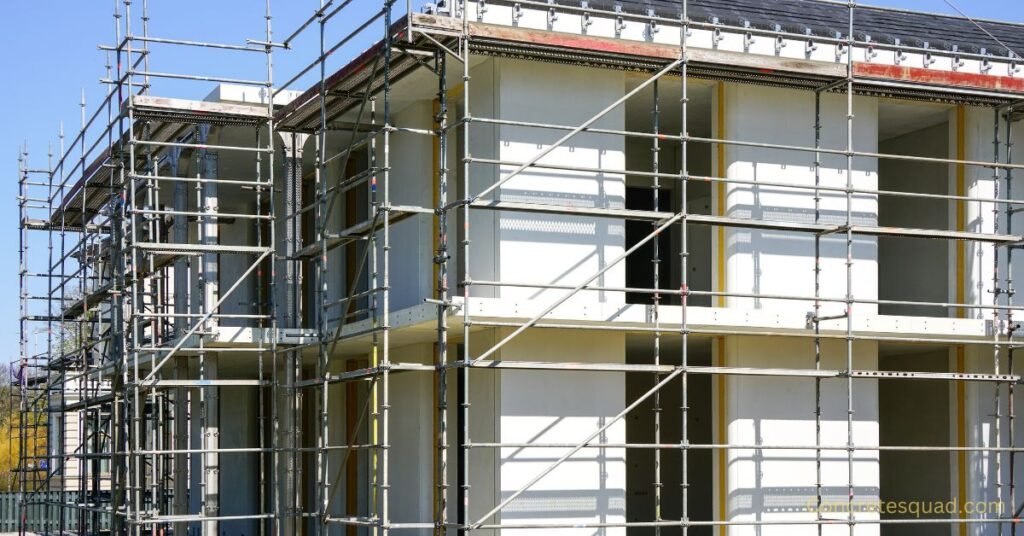
Prefabrication in concrete construction entails manufacturing components off-site, leading to enhanced efficiency and quality control. This method reduces labor costs and accelerates project timelines by enabling concurrent site preparation and manufacturing. The precision of modular components and advanced joining techniques ensures structural integrity while minimizing defects. Importantly, prefabrication supports environmentally sustainable practices through waste reduction and energy-efficient designs. Applications span modular housing, commercial buildings, and infrastructure projects, showcasing versatility and scalability. As the construction industry evolves, incorporating smart technologies and practices will further optimize prefabrication methodologies, paving the way for innovative building solutions.
Prefabrication revolutionizes the construction process by allowing components to be manufactured off-site in controlled environments before being transported to the construction site for assembly. This method enhances efficiency, accuracy, and quality control by utilizing modular components that can be produced with precision and consistency. The integration of advanced manufacturing techniques ensures that each component meets stringent specifications, reducing the likelihood of on-site errors.
The assembly techniques employed in prefabrication are critical to its success. These techniques often involve sophisticated joining methods such as bolting, welding, and adhesive bonding, which facilitate rapid assembly and structural integrity.
Moreover, prefabrication allows for a systematic approach to construction, wherein various modular components, such as walls, floors, and roofs, are produced simultaneously, significantly accelerating project timelines.
Additionally, the use of prefabricated components minimizes waste and optimizes resource allocation, as the controlled manufacturing environment can better manage materials.
As the construction industry increasingly embraces technological advancements, the shift toward prefabrication marks a pivotal change in how projects are designed, constructed, and delivered, ultimately leading to a more sustainable and efficient construction process.
How can the construction industry benefit from the adoption of prefabrication techniques?
Prefabrication offers numerous advantages that enhance construction efficiency and effectiveness. A primary benefit is the ability to utilize modular designs, which allow for the simultaneous construction of components off-site while site preparation occurs concurrently. This parallel processing significantly reduces overall project timelines.
Moreover, the use of prefabricated elements contributes to substantial construction speed. By assembling components in controlled environments, manufacturers can ensure higher quality control and mitigate weather-related delays that often plague traditional on-site construction methods. The precision in manufacturing also minimizes on-site labor requirements, allowing skilled workers to focus on installation rather than fabrication.
Additionally, prefabrication facilitates improved safety conditions, as much of the work occurs in a factory setting, reducing the risks associated with construction sites.
Enhanced collaboration among design, engineering, and construction teams is another key benefit, resulting in fewer design errors and streamlined project coordination.
One of the most compelling aspects of prefabrication in concrete construction is its potential for significant cost efficiency. Employing prefabricated components allows for a streamlined approach to cost analysis and budget management, reducing both labor and material costs. By manufacturing elements off-site, projects can minimize on-site labor requirements and the associated overhead costs.
The table below illustrates key areas where prefabrication contributes to cost savings:
| Cost Factors | Traditional Methods | Prefabrication |
|---|---|---|
| Labor Costs | High | Reduced |
| Material Waste | Significant | Minimal |
| Construction Time | Lengthy | Accelerated |
Through careful planning and execution, prefabrication minimizes delays and optimizes resource allocation. The repetitive nature of prefabricated components facilitates economies of scale, allowing for bulk purchasing of materials, which further enhances budget management. Additionally, reduced on-site construction time lowers the risk of unforeseen expenses, leading to more predictable project costs. In conclusion, the integration of prefabrication in concrete construction not only enhances efficiency but also fosters substantial financial benefits, making it an attractive option for modern construction projects.
Quality control is a critical element in the construction process, and prefabrication offers a systematic approach to enhancing this aspect. By shifting components from the unpredictable onsite environment to a controlled manufacturing setting, prefabrication significantly improves quality assurance measures. This method adheres rigorously to established manufacturing standards, ensuring that each element is produced with precision and consistency.
The advantages of enhanced quality control in prefabrication include:
These attributes not only contribute to superior construction quality but also foster greater client satisfaction, as projects are delivered on time and meet the expected standards.
Enhanced quality control through prefabrication ultimately leads to reduced rework, lower costs, and increased safety on the job site. As the construction industry increasingly adopts these practices, the emphasis on quality assurance will continue to transform the landscape, offering a more reliable and efficient approach to building.
The implementation of prefabrication techniques in concrete construction presents significant opportunities for environmental impact reduction through effective waste minimization strategies and energy efficiency improvements.
By optimizing material usage and reducing on-site construction activities, prefabrication not only minimizes waste generation but also enhances the overall energy performance of building systems.
This approach facilitates a more sustainable construction process, aligning with contemporary environmental standards and regulations.
While the adoption of prefabrication techniques in concrete construction offers significant advancements in efficiency and productivity, it also presents an opportunity to implement effective waste minimization strategies that can profoundly reduce environmental impact.
By integrating waste reduction techniques into the prefabrication process, stakeholders can achieve significant improvements in sustainability.
Key strategies include:
These sustainable practices not only enhance resource efficiency but also foster a culture of environmental responsibility within the construction industry.
By focusing on waste minimization, the sector can mitigate its ecological footprint and promote a more sustainable future, ensuring that concrete construction aligns with global environmental goals.
Adopting these strategies will ultimately lead to more resource-efficient projects and a reduced impact on the planet.
Energy efficiency improvements in concrete construction represent a crucial avenue for reducing environmental impact and enhancing overall project sustainability. The integration of prefabrication techniques significantly contributes to minimizing energy consumption throughout the construction process. By manufacturing components in a controlled environment, energy-intensive activities such as curing and finishing can be optimized, leading to substantial reductions in energy usage.
Moreover, prefabricated concrete elements often exhibit enhanced thermal performance compared to traditional on-site construction methods. The ability to utilize advanced insulation materials and design strategies in prefabrication allows for better regulation of indoor temperatures, thereby decreasing the reliance on heating and cooling systems. This results in lower operational energy consumption over the lifespan of the structure.
Additionally, prefabrication facilitates more precise engineering and fabrication processes, which can lead to improved air-tightness and reduced thermal bridging in buildings. As a consequence, the overall energy efficiency of the structure is significantly enhanced, contributing to lower carbon footprints and compliance with increasingly stringent energy codes.
Ultimately, the adoption of energy-efficient practices in concrete construction not only benefits the environment but also fosters economic advantages through reduced operational costs.
Prefabrication has found its niche across a diverse array of concrete construction projects, streamlining workflows and enhancing structural integrity. This innovative approach is particularly valuable in various applications, including modular housing and public facilities, where efficiency and rapid assembly are paramount. By utilizing prefabricated components, construction teams can significantly reduce on-site labor and minimize construction timelines.
The versatility of prefabrication extends to several key areas:
Furthermore, prefabrication proves indispensable in residential developments and infrastructure projects. For example, parking structures constructed with prefabricated components offer enhanced durability and reduced labor costs.
The adaptability of this method not only supports efficient construction but also aligns with sustainability goals by minimizing waste. As the construction industry continues to evolve, the application of prefabrication will remain a vital strategy for delivering high-quality, cost-effective solutions across various sectors.
The increasing adoption of prefabrication techniques in concrete construction is shaping the future of the industry, driven by advancements in technology and evolving project demands. One of the most significant trends is the integration of smart technologies, which enhance the efficiency and accuracy of prefabrication processes.
These technologies include Building Information Modeling (BIM), which facilitates precise planning and coordination, reducing errors and rework.
Additionally, modular designs are becoming increasingly popular, allowing for the rapid assembly of structures from pre-manufactured components. This approach not only accelerates construction timelines but also promotes sustainability by minimizing waste and optimizing resource usage.
The movement towards off-site construction, where modules are built in controlled environments, further increases quality control and reduces the impact of adverse weather conditions.
Moreover, as the industry embraces the Internet of Things (IoT), real-time data collection and analysis will enable continuous improvement in prefabrication techniques.
These innovations will facilitate the development of smarter, more adaptable structures that meet the demands of modern urban environments.
As such, the future of prefabrication in concrete construction promises enhanced efficiency, sustainability, and versatility in meeting diverse architectural needs.
In conclusion, the evolution of prefabrication in concrete construction signals a transformative shift poised to redefine industry standards. As innovative techniques emerge, the whispers of efficiency and sustainability echo throughout the construction landscape. With each precast element meticulously crafted, the promise of enhanced quality control lingers in the air. As the horizon beckons, an unfolding narrative of unprecedented applications and future trends in prefabrication awaits discovery, inviting stakeholders to envision a more efficient and eco-conscious built environment.
 Call Now