
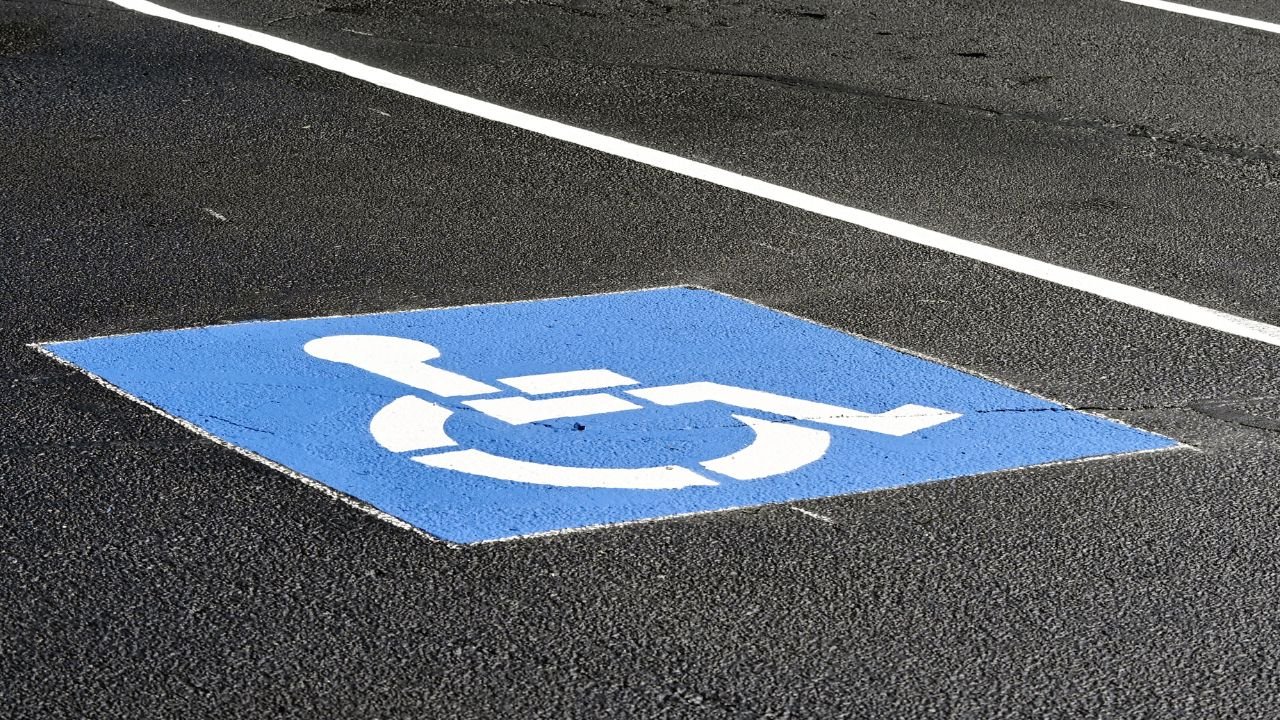
As we explore the importance of accessibility compliance in public spaces, we recognize that the Americans With Disabilities Act (ADA) sets essential standards for inclusivity. At ADA Concrete Squad Florida, we focus on creating durable concrete solutions that enhance accessibility. Understanding the various features we can install is vital, but there’s more to take into account—like funding opportunities and real-world impacts. Let’s uncover how we can make a difference together.
As we explore the Americans With Disabilities Act (ADA), it’s important to recognize its essential role in promoting accessibility for all individuals. Enacted in 1990, the ADA serves as a landmark piece of legislation that prohibits discrimination against people with disabilities in various areas, including employment, transportation, and public accommodations. This law guarantees that individuals have equal opportunities and access to resources that many of us take for granted.
Through the ADA, we’ve seen significant changes in how businesses and public spaces accommodate individuals with disabilities. Ramps, accessible restrooms, and designated parking spots are just a few examples of how the ADA encourages us to create an inclusive environment. By understanding the ADA’s framework, we can better appreciate its impact on our communities and work together to uphold these standards. Let’s commit to fostering a world where everyone, regardless of ability, can fully participate and thrive.
When we consider the importance of accessibility in public spaces, it becomes clear that inclusive design benefits everyone, not just those with disabilities. By ensuring that our public areas are accessible, we create environments where everyone can participate fully, whether it’s enjoying a park, visiting a museum, or attending an event. Accessibility fosters community engagement and social interaction, enhancing the quality of life for all citizens.
Moreover, when we design spaces with accessibility in mind, we’re not just complying with laws; we’re embracing a mindset that values diversity and inclusivity. Accessible spaces encourage businesses to thrive, as they welcome a broader audience.
Ultimately, prioritizing accessibility in public spaces reflects our commitment to equality, ensuring that every individual, regardless of ability, has the opportunity to engage, explore, and enjoy their surroundings. Together, we can make our communities more welcoming and inclusive for everyone.
Accessibility in public spaces leads us to understand the importance of ADA compliance features, which play a vital role in creating inclusive environments. These features guarantee that everyone—regardless of their abilities—can navigate and utilize facilities comfortably.
Here’s a quick overview of some key ADA compliance features:
| Feature | Purpose |
|---|---|
| Accessible Entrances | Allow wheelchair users to enter easily |
| Clear Signage | Provides essential information for navigation |
| Restroom Accessibility | Guarantees safe and comfortable use for all |
Concrete serves as a foundational element in creating effective accessibility solutions, and we often overlook its significance. Its durability and versatility make it ideal for various applications, from ramps to pathways. When we think about accessibility, we need to reflect on how concrete can enhance safety and usability for everyone.
For instance, smooth concrete surfaces reduce the risk of slips and falls, which is vital for individuals with mobility challenges. Additionally, the ability to mold concrete into different shapes allows us to create custom features that meet specific needs. We can also incorporate textures to help visually impaired individuals navigate spaces more easily.
Moreover, concrete’s longevity means that once we invest in these accessibility solutions, they’ll stand the test of time. By understanding the role of concrete in our designs, we can guarantee that our spaces are welcoming and functional for all users, contributing to a more inclusive environment.
While considering the various types of accessibility features we can install, it is vital to recognize how each one contributes to creating an inclusive environment. We offer a range of features designed to meet diverse needs. First, ramps are essential for wheelchair access, ensuring smooth passages between different levels. Next, we install handrails along walkways and stairs, providing support and stability for individuals with mobility challenges.
Another important feature is tactile paving, which helps visually impaired individuals navigate spaces safely. We also implement accessible parking spaces, marked clearly for those with disabilities, ensuring convenient access to buildings. Additionally, we can install automatic doors, allowing easy entry for everyone, especially those using mobility aids.
When we think about ramps, we recognize their essential role in improving mobility access for wheelchair users. They not only enhance safety but also open up opportunities for greater independence. Let’s explore how these benefits make a real difference in everyday life.
As we design spaces that prioritize accessibility, the installation of ramps greatly enhances mobility access for wheelchair users. Ramps serve as essential connections, allowing individuals to navigate spaces smoothly and independently. They eliminate barriers, promoting inclusion and dignity in public and private environments.
Here’s a quick overview of the benefits ramps provide:
| Benefit | Description | Impact |
|---|---|---|
| Increased Access | Ramps allow entry to buildings | More users can enter |
| Enhanced Independence | Users can navigate without help | Boosts confidence |
| Versatile Design | Compatible with various spaces | Fits in diverse environments |
| Compliance | Meets ADA standards | Avoids legal issues |
Ramps not only improve mobility access but also greatly enhance safety for wheelchair users. By offering a gentle slope, ramps considerably reduce the risk of falls or accidents compared to stairs. When we navigate the world, we want to feel secure, and ramps provide that stability. Their design allows for easier maneuvering, making it less likely for users to tip over. Additionally, ramps can be equipped with non-slip surfaces, which further prevents accidents, especially in wet conditions. We also appreciate how ramps eliminate the need for lifting or heavy assistance, minimizing the physical strain on both users and caregivers. Overall, prioritizing ramps is an essential step in creating a safer environment for everyone involved.
While we often take our mobility for granted, having accessible ramps can greatly enhance independence for wheelchair users. Ramps provide a crucial means for individuals to traverse their environments freely, enabling them to enter buildings, visit friends, and access public spaces without assistance. This newfound freedom fosters a sense of empowerment, allowing users to engage more fully in their communities. In addition, ramps can markedly reduce the physical strain often associated with maneuvering stairs or curbs, making outings less intimidating. By incorporating ramps into our public and private spaces, we’re not just adhering to compliance standards; we’re creating a more inclusive world where everyone can thrive. Let’s work together to guarantee accessibility for all, enhancing independence for those who need it most.
When we think about designing accessible pathways, we must consider several key factors. The width of the pathway, the materials we use, and the slope can greatly impact usability for everyone. Let’s explore these essential elements to create a more inclusive environment.
Creating accessible pathways is essential for ensuring everyone can navigate our spaces comfortably. One critical aspect we need to evaluate is the width of these pathways. According to ADA guidelines, the minimum width for a pathway should be 36 inches. This allows enough space for individuals using wheelchairs or mobility aids to pass through easily. However, in areas with high foot traffic, we should aim for wider pathways, ideally 48 inches or more. By doing this, we not only comply with regulations but also promote inclusivity. Let’s remember that a well-designed pathway benefits everyone, enhancing the overall experience in our environments. Together, we can create spaces that are not just accessible but welcoming to all.
As we design accessible pathways, choosing the right surface materials is essential for ensuring safety and comfort. Different materials provide various benefits, and understanding these can help us make informed decisions. Here’s a quick overview:
| Surface Material | Key Features |
|---|---|
| Concrete | Durable, low maintenance |
| Asphalt | Smooth, cost-effective |
| Pavers | Aesthetic, customizable |
| Gravel | Permeable, natural look |
| Rubber | Shock-absorbent, slip-resistant |
While we design accessible pathways, it’s essential to take into account slope and gradient guidelines to guarantee everyone can navigate our spaces comfortably. The Americans with Disabilities Act (ADA) recommends a maximum slope of 1:12 for ramps, meaning for every inch of vertical rise, there should be at least 12 inches of horizontal run. This allows that individuals using wheelchairs or those with mobility challenges can traverse pathways without undue strain. Additionally, a gentler slope of 1:20 is ideal, especially for longer ramps. We should also avoid abrupt changes in slope, as they can pose risks. By adhering to these guidelines, we create safer, more welcoming environments for all, fostering inclusivity in our community.
Clear signage plays an essential role in ensuring accessibility for everyone, as it helps individuals navigate spaces with ease and confidence. When we think about accessibility, we often overlook how important clear and effective signage is. It conveys important information quickly and reduces confusion.
Here’s a quick overview of the types of signage we should consider:
| Signage Type | Purpose |
|---|---|
| Directional Signs | Guide individuals to key areas |
| Informational Signs | Provide essential details |
| Warning Signs | Alert users to potential hazards |
| Identification Signs | Mark important facilities |
When we assess our property for accessibility needs, we need to focus on a few key areas. We’ll evaluate surface conditions and guarantee they meet safety standards while understanding the legal requirements that guide us. By doing this, we can create a more inclusive environment for everyone.
To guarantee our property meets accessibility standards, we need to carefully assess key areas that may present challenges for individuals with disabilities. By identifying these areas, we can make sure everyone has equal access to our space. Here are three critical spots to evaluate:
As we continue our assessment of accessibility standards, evaluating surface conditions is essential for guaranteeing safe and comfortable navigation throughout our property. We need to closely examine walkways, parking lots, and entrances to identify any uneven surfaces, cracks, or obstacles that could impede movement. It’s important to reflect on the materials used; for instance, textured surfaces can enhance grip and safety. Additionally, we should assess the slope of ramps and pathways to guarantee they comply with accessibility guidelines. By taking the time to evaluate these elements, we can make informed decisions on necessary improvements. Together, we can create a welcoming environment that accommodates everyone, allowing for easy access and mobility throughout our space.
Understanding the legal requirements for accessibility is essential for guaranteeing our property meets the necessary standards. By evaluating our property, we can identify specific needs and avoid potential violations. Here are three key areas to reflect on:
Before we immerse ourselves in the installation process, it’s essential to recognize that accessibility compliance features can greatly enhance user experience. Our journey begins with a thorough assessment of the site, where we identify areas needing improvements. We’ll collaborate with you to select the right features that align with your specific needs.
Once we’ve finalized the design, our skilled team prepares the site by clearing obstacles and guaranteeing a solid foundation. We’ll then proceed to install the features, such as ramps, handrails, or tactile paving, following industry best practices.
Throughout the installation, we maintain open communication, keeping you informed of our progress. After completing the work, we conduct a final inspection to guarantee everything meets compliance standards. By the end, we’ll leave you with a space that’s not only compliant but also welcoming and functional for everyone. Let’s make your environment more accessible together!
Steering through local government regulations can feel intimidating, but we’re here to simplify the process. We understand how essential it is to comply with these requirements, and we want to help you navigate them smoothly. Here’s what we need to keep in mind:
Securing funding and grants for accessibility projects can greatly enhance our efforts to create inclusive spaces. By tapping into various resources, we can make significant strides in improving accessibility for everyone. Local, state, and federal governments often provide grants specifically aimed at enhancing accessibility in public spaces. Nonprofit organizations and foundations also offer funding opportunities, so it’s worth exploring these avenues.
We should consider partnering with local businesses or community groups, as they might have access to additional resources. Researching available grants and understanding eligibility requirements is essential, and there are many online databases that can help us in this process.
Once we identify potential funding sources, we can craft compelling proposals that clearly outline our goals and the impact of our projects. By actively pursuing these opportunities, we not only secure necessary funds but also demonstrate our commitment to fostering an inclusive environment for all.
As we explore case studies of successful accessibility feature installations, it’s clear that innovative approaches can lead to transformative outcomes. We’ve seen how thoughtful design can improve lives and create inclusive environments. Here are a few standout examples:
These projects highlight the importance of collaboration among stakeholders. By working together, we can create spaces that truly welcome everyone. Each installation not only meets compliance standards but also fosters a sense of belonging, proving that accessibility is not just a requirement—it’s an essential aspect of community development. Let’s continue to learn from these successes as we advocate for greater accessibility in all areas.
While the success stories of accessibility feature installations inspire us, we must also acknowledge the challenges that often arise during implementation. One significant hurdle is the lack of awareness among property owners about the specific requirements mandated by the ADA. Many times, we find that misconceptions lead to inadequate planning.
Budget constraints also play a critical role; limited funds can hinder the installation of essential features. Additionally, coordinating with contractors and local government can be a logistical nightmare, often causing delays.
We also encounter resistance from stakeholders who may not fully grasp the importance of accessibility. This can make it difficult to secure buy-in for necessary changes.
Lastly, ensuring that all installations meet compliance standards can be complex, requiring ongoing training and education. By recognizing these challenges, we can better navigate the path toward creating inclusive spaces for everyone.
As we look ahead, innovative design solutions and smart technology integration are shaping the future of accessibility compliance. We’re also noticing potential regulatory changes that could influence how we approach these features. Together, we can anticipate these trends and adapt to create a more inclusive environment.
Innovative design solutions are reshaping how we approach accessibility compliance, ensuring that everyone can navigate spaces seamlessly. We’re excited to explore some of the trends that are making a real difference:
As we embrace these innovative approaches, we’re not just meeting compliance standards; we’re fostering inclusivity and enhancing the overall experience for everyone. Together, let’s continue to push boundaries and create spaces that truly welcome all.
Embracing smart technology integration is transforming the landscape of accessibility compliance, allowing us to create more inclusive environments. By incorporating advanced solutions like automated doors, smart lighting, and intuitive navigation apps, we’re making spaces more accessible for everyone. These technologies not only enhance usability but also improve safety, enabling individuals with disabilities to navigate environments independently.
Furthermore, integrating smart sensors can help us monitor and maintain compliance in real-time, ensuring that facilities remain accessible. As we explore these innovative tools, we’re also fostering a culture of inclusivity that benefits all users. Together, we can harness the power of smart technology to break down barriers and create spaces where everyone feels welcome and supported. Let’s embrace this future with open arms!
The integration of smart technology is just the beginning of the changes we can expect in accessibility compliance. As we move forward, we’ll see several key regulatory shifts shaping our approach. Here’s what to look out for:
Staying informed about these trends will help us navigate the evolving landscape of accessibility compliance. Together, we can guarantee that our spaces are welcoming and accessible for all.
We might think anyone can install ADA compliance features, but that’s far from the truth! Installers should have specific qualifications. They need a strong understanding of ADA guidelines and hands-on experience with accessibility projects. Certifications in construction or relevant trades are essential, too. Knowledge of local building codes is vital, as is the ability to assess site conditions. In short, qualified installers guarantee that everyone can access public spaces safely and comfortably.
The installation process typically takes anywhere from a few days to a couple of weeks, depending on the project’s complexity. We assess the site, plan the layout, and guarantee all materials are ready before starting. Once we begin, we work efficiently to minimize disruption. Rest assured, we prioritize quality and compliance, so while we aim to finish quickly, we won’t compromise on the necessary details that guarantee everything meets ADA standards.
Yes, there are maintenance requirements for installed accessibility features. We need to regularly inspect these features to guarantee they’re functioning properly and remain safe for everyone. This includes checking for any wear and tear, cleaning surfaces, and addressing any repairs promptly. By staying proactive with maintenance, we can help guarantee that these features serve their purpose effectively and continue to meet accessibility standards for all users.
Sure, we can totally customize accessibility features for your property! It’s not like we’re trying to fit a square peg in a round hole here. We’ll work with you to design the perfect solutions that meet your needs and comply with regulations. So, whether it’s ramps, railings, or signage, we’ll make sure everything’s tailored just for you. Your space should reflect your vision while being accessible—let’s make it happen!
If we don’t comply with ADA regulations, we could face significant penalties. These can include fines, legal fees, and even costly lawsuits. It’s essential for us to understand that non-compliance can also damage our reputation and lead to loss of business. By ensuring our properties are accessible, we not only avoid these penalties but also promote inclusivity and attract a broader clientele. Let’s prioritize compliance to foster a welcoming environment for everyone.
 Call Now