As we explore bridge and overpass construction in Florida, it’s essential to understand the significant role of the Transportation Concrete Squad. These teams employ innovative techniques and sustainable materials to enhance our infrastructure. By examining the key phases of construction and collaboration with state agencies, we can uncover how these projects shape our communities. What might the future hold for transportation infrastructure and its economic impact?
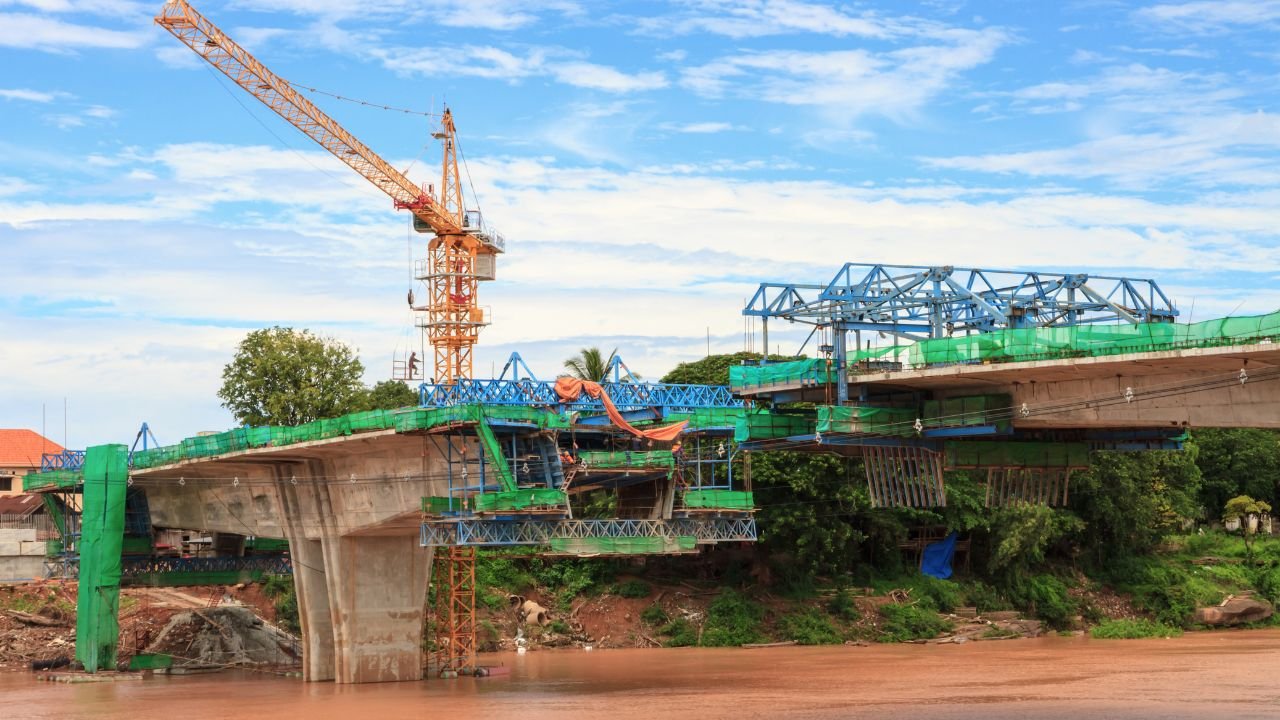
When we think about bridge and overpass construction in Florida, it’s clear that these structures play a vital role in our transportation system. They connect communities, facilitate commerce, and guarantee safe travel across busy roads and waterways. Each project begins with thorough planning, where engineers assess the landscape and environmental impact. We collaborate with local authorities to understand traffic patterns and future growth, making sure our designs meet community needs.
Once the planning phase is complete, we move on to the actual construction. This involves selecting durable materials that can withstand Florida’s unique climate, including heavy rains and salt exposure. Safety is a top priority throughout the process, and we adhere to strict regulations to protect both workers and travelers. Ultimately, our goal is to create reliable, long-lasting infrastructure that enhances mobility and supports the economy, making Florida a better place for everyone.
As we commence on bridge and overpass projects in Florida, the Transportation Concrete Squad plays an essential role in guaranteeing the integrity and durability of our structures. Our team focuses on selecting the right concrete mix, which is vital for resisting environmental challenges like humidity and temperature fluctuations. We oversee the mixing, pouring, and curing processes, guaranteeing that each step meets stringent quality standards.
By conducting regular inspections, we verify that the concrete is setting correctly and achieving the desired strength. Our squad collaborates closely with engineers and contractors, providing insights on best practices and potential challenges. This teamwork guarantees that our projects not only meet safety regulations but also stand the test of time.
Ultimately, our commitment lies in creating reliable infrastructure that enhances transportation safety and efficiency for all Floridians. We’re dedicated to building a solid foundation for the future.
While traditional methods have served us well, we’re excited to embrace innovative techniques in bridge construction that enhance both efficiency and safety. One such technique is the use of modular construction, which allows us to prefabricate sections off-site. This not only speeds up the build process but also minimizes disruptions to traffic and the environment.
We’ve also started to implement advanced materials, like high-performance concrete and fiber-reinforced polymers, which provide greater strength and durability. These materials help us create longer spans and lighter structures, reducing the need for extensive supports.
Additionally, we’re utilizing 3D modeling and simulation technologies to plan and visualize projects more effectively. This approach helps us identify potential challenges early in the process, ensuring smoother execution.
As we explore sustainable materials in overpass projects, let’s consider how using recycled concrete can greatly reduce waste. By integrating eco-friendly additives and opting for low carbon footprint materials, we can make a positive impact on the environment. Together, we can build infrastructure that not only supports transportation but also promotes sustainability.
Incorporating recycled concrete into overpass projects not only promotes sustainability but also enhances structural integrity. By reusing materials, we’re taking significant steps toward reducing waste and minimizing our environmental footprint. Here’s how recycled concrete can benefit our overpass projects:
Together, we can embrace recycled concrete, making our overpass projects both eco-friendly and resilient.
Recycled concrete sets a strong precedent for further innovations in sustainable construction practices. By integrating eco-friendly additives into our projects, we can enhance the performance of concrete while reducing environmental impact. These additives not only improve durability but also promote a greener approach to construction.
| Eco-Friendly Additive | Benefits |
|---|---|
| Fly Ash | Reduces cement usage, enhances workability |
| Slag Cement | Improves strength and resistance to corrosion |
| Recycled Aggregates | Minimizes waste and reduces resource extraction |
While we endeavor to minimize our environmental impact, choosing low carbon footprint materials for overpass projects becomes essential. By incorporating these sustainable materials, we not only reduce greenhouse gas emissions but also promote a healthier environment. Here are three innovative options we often consider:
When we look at the construction of bridges and overpasses in Florida, we can identify several key phases that guarantee the project’s success. First, we begin with planning and design, where we evaluate site conditions and create blueprints. Next, we move to site preparation, which involves clearing the area and laying the groundwork. After that, we enter the construction phase, where the actual building takes place.
Here’s a quick overview of these phases:
| Phase | Description |
|---|---|
| Planning & Design | Evaluating site and creating blueprints |
| Site Preparation | Clearing, grading, and groundwork |
| Construction | Building the structure |
When it comes to building bridges, safety is our top priority. We guarantee all team members wear personal protective equipment and conduct thorough site hazard assessments before starting work. Plus, we always have emergency response plans in place to tackle any unforeseen situations effectively.
Safety on bridge construction sites hinges on the effective use of personal protective equipment (PPE). By prioritizing PPE, we guarantee that our team remains safe and focused on the task at hand. Here are three essential items we rely on:
To guarantee a safe working environment on bridge construction sites, we conduct thorough site hazard assessments before starting any project. These assessments help us identify potential risks like uneven terrain, overhead hazards, and nearby traffic. By evaluating the site’s layout and conditions, we can implement safety measures tailored to the specific challenges we might face.
We also involve our team in the assessment process, encouraging everyone to share their insights and concerns. This collaborative approach guarantees that we address all possible hazards effectively. Once we’ve identified risks, we develop strategies to mitigate them, guaranteeing our crew can work confidently and safely. Ultimately, our goal is to create a secure environment where we can focus on building strong, durable bridges.
Although emergencies can arise unexpectedly on bridge construction sites, having a robust emergency response plan in place guarantees we’re prepared to act quickly and effectively. This plan not only protects our crew but also safeguards the public. Here are three key components we focus on:
Quality control plays an essential role in bridge and overpass construction, guaranteeing that every project meets the highest standards. By implementing strict quality control measures, we can assure the durability and safety of our structures.
Here’s a table that highlights key aspects of quality control:
| Aspect | Importance | Outcome |
|---|---|---|
| Material Testing | Guarantees strength and durability | Reduces failure risk |
| Inspections | Identifies defects early | Enhances safety |
| Compliance | Follows regulations | Builds public trust |
As we commence on bridge and overpass construction projects in Florida, it is crucial to contemplate the environmental impact of our work. We’re committed to minimizing our footprint and ensuring that our projects coexist harmoniously with nature. Here are three key areas we focus on:
Wildlife Protection: We assess local ecosystems to avoid disrupting habitats and migrations. Our planning includes measures to protect endangered species.
Water Management: We implement efficient drainage systems to prevent runoff pollution, safeguarding nearby water sources from contaminants.
Sustainable Materials: We prioritize using recycled and eco-friendly materials whenever possible, reducing waste and lowering our carbon footprint.
While we endeavor to deliver high-quality bridge and overpass projects, we often encounter various challenges during construction that can impact timelines and budgets. Weather conditions, such as heavy rain or hurricanes, can halt progress and force us to adjust our schedules. Additionally, unexpected site conditions like soil instability or the discovery of underground utilities frequently arise, complicating our planning and execution.
Communication with local authorities and stakeholders is vital, but it can sometimes lead to delays if there are changes in regulations or requirements. We also face logistical challenges, such as coordinating material deliveries and managing workforce availability, which can vary throughout the project’s duration.
Lastly, safety concerns must always be a priority. Ensuring a safe working environment for our team is essential, but it can slow down operations when additional precautions are needed. Overall, steering through these challenges is part of our commitment to achieving successful project outcomes.
Now, let’s look at some recent bridge and overpass projects in Florida that showcase innovative design techniques and address environmental impacts. We’ll also examine how these projects managed to stay on track with their timelines. By exploring these case studies, we can see what works and what can be improved in future constructions.
When we explore innovative design techniques in Florida’s bridge and overpass construction, we uncover remarkable case studies that highlight creativity and efficiency. These projects showcase how modern engineering can meet the demands of our growing infrastructure. Here are three standout examples:
These innovative approaches not only improve the quality of our bridges and overpasses but also set a benchmark for future projects across the state.
As we explore the intersection of innovative design techniques and environmental responsibility, it’s clear that Environmental Impact Assessments (EIAs) are becoming increasingly essential in Florida’s bridge and overpass construction. These assessments help us evaluate potential effects on wildlife, water quality, and local ecosystems before we break ground. For instance, in a recent project in Miami, the EIA revealed critical habitats that needed protection, prompting design adjustments that minimized disruption. Similarly, in Orlando, an EIA led to the incorporation of green infrastructure, like rain gardens, which enhanced stormwater management. By prioritizing these assessments, we not only comply with regulations but also foster sustainable practices that benefit both communities and the environment. It’s a win-win for everyone involved.
While we recognize the importance of thorough planning, the efficiency of project timelines in Florida’s bridge and overpass construction is essential to staying on budget and meeting community needs. By examining case studies of recent projects, we can see how effective management leads to success. Here are three key factors that drive timeline efficiency:
Although bridge and overpass construction can enhance transportation efficiency, it often brings significant changes to local communities. We recognize that these changes can be both positive and negative, impacting residents in various ways. Engaging with the community is essential to guarantee everyone’s voice is heard.
Here’s a quick overview of community impacts:
| Positive Impacts | Challenges |
|---|---|
| Improved traffic flow | Increased noise levels |
| Enhanced safety for pedestrians | Disruption during construction |
| Economic growth opportunities | Temporary road closures |
In the coming years, we’re likely to witness a transformative shift in transportation infrastructure, driven by advancements in technology and changing societal needs. As we embrace these changes, we can expect to see:
Smart Infrastructure: We’ll integrate sensors and IoT devices into bridges and overpasses, allowing real-time monitoring and maintenance, which enhances safety and efficiency.
Sustainable Materials: The shift towards eco-friendly construction materials will reduce our carbon footprint and promote sustainability, making infrastructure more resilient for future generations.
Autonomous Vehicles: With the rise of self-driving technology, we’ll need to adapt our infrastructure to accommodate these vehicles, ensuring smoother traffic flow and improved safety.
As we commence on bridge and overpass construction projects in Florida, collaborating with local and state agencies becomes essential for success. These partnerships help us navigate regulations, secure necessary permits, and guarantee compliance with safety standards. By working closely with agencies like the Florida Department of Transportation and local municipalities, we gain valuable insights into community needs and project impacts.
We prioritize open communication, which fosters trust and transparency. Engaging with stakeholders early on allows us to address concerns and adapt plans accordingly. This collaboration also helps us identify potential funding sources and streamline project timelines.
Through joint efforts, we can enhance the overall efficiency of our construction processes while minimizing disruptions to local traffic and neighborhoods. Ultimately, these partnerships not only lead to successful project outcomes but also strengthen community ties, guaranteeing that our infrastructure truly serves the people of Florida.
As we tackle bridge and overpass construction, we must prioritize the training and development of our construction teams. By implementing skills enhancement programs and educating our teams on safety protocols, we can guarantee a more efficient and secure work environment. Let’s explore how these initiatives can elevate our projects to new heights.
Effective skills enhancement programs are essential for the success of construction teams involved in bridge and overpass projects in Florida. By investing in our team’s development, we guarantee that our projects are completed efficiently and safely. Here are three key components of effective skills enhancement programs:
Building on our commitment to skills enhancement, safety protocol education plays an essential role in training and developing our construction teams. We recognize that a safe work environment is vital for everyone involved. That’s why we prioritize thorough safety training, ensuring each team member knows protocols and procedures. Regular workshops and hands-on training sessions keep us up-to-date on the latest safety regulations. We also emphasize the importance of communication, encouraging team members to speak up about potential hazards. By fostering a culture of safety, we not only protect our workers but also enhance project efficiency. Together, we’re dedicated to making every construction site a safe space where everyone can thrive and contribute to successful bridge and overpass projects across Florida.
Improved infrastructure doesn’t just enhance our daily commutes; it also drives economic growth across Florida. By investing in bridges and overpasses, we create a ripple effect that benefits everyone. Here are three key economic benefits we can expect:
Job Creation: Building and maintaining infrastructure generates thousands of jobs, from construction workers to engineers, boosting local employment rates.
Increased Property Values: Well-maintained roads and bridges attract businesses and residents alike, leading to higher property values and increased tax revenues for communities.
Enhanced Trade and Commerce: Efficient transportation systems reduce travel times and costs, making it easier for goods to move, promoting trade, and attracting new businesses to our state.
Bridge and overpass construction typically takes anywhere from several months to a few years, depending on various factors. We’ve seen projects influenced by size, complexity, and environmental considerations. When we factor in design, permitting, and weather conditions, timelines can vary greatly. It’s essential to communicate with contractors to get an accurate estimate for specific projects. Overall, patience is key as we navigate through the construction process together.
When we plunge into construction, it feels like we’re steering through a sea of paperwork! To keep our projects afloat, we need several permits, like building permits, environmental permits, and possibly special zoning permits depending on the location. We’re also required to secure permits for any road closures or utility work. Each of these permits guarantees we’re following regulations and keeping everyone safe. So, it’s essential we tackle them all before starting!
We select construction teams for projects through a competitive bidding process. First, we issue a request for proposals, inviting qualified contractors to submit their qualifications and bids. Then, we evaluate these submissions based on experience, expertise, and cost-effectiveness. After careful consideration, we choose a team that meets our standards and aligns with project goals. This approach guarantees that we work with capable professionals who can deliver quality results on time and within budget.
Typically, budgets for bridge construction projects can range from a few million to several hundred million dollars, depending on factors like size, materials, and location. We often see smaller bridges costing around $1 million, while large, complex structures can exceed $100 million. It’s essential for us to plan and allocate funds carefully, as unexpected challenges can arise, impacting the final costs. Understanding these budgetary aspects helps us manage projects effectively.
We manage traffic disruptions during construction by implementing clear detours and using signage to guide drivers. Our team coordinates closely with local authorities to keep everyone informed about changes. We often schedule work during off-peak hours to minimize delays and make use of technology to monitor traffic flow. By maintaining open communication with the community, we endeavor to guarantee safety and convenience for all road users while we work on the project.
 Call Now