
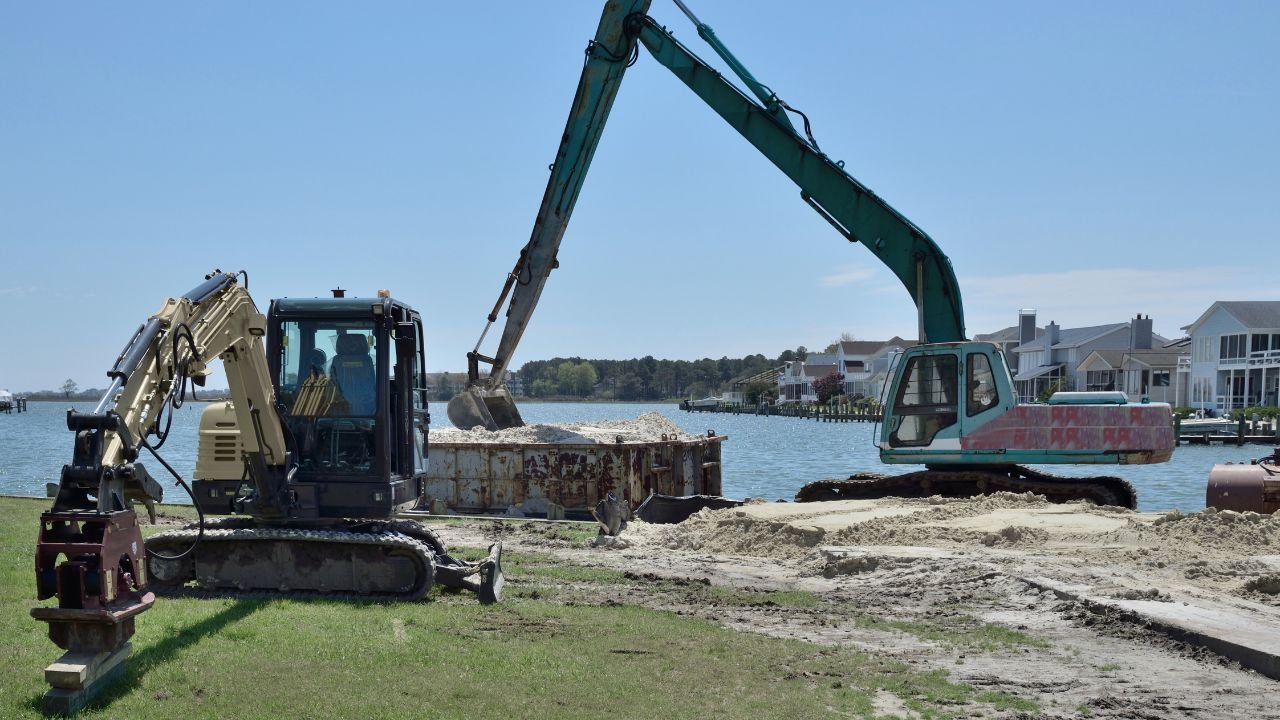
When it comes to bulkhead construction, we recognize the critical role it plays in shoreline protection. Our team at the Shore Protection Concrete Squad in Florida is dedicated to creating durable solutions that withstand coastal challenges. We focus on innovative materials and techniques, ensuring our work balances ecological health and property integrity. Let’s explore the types of bulkheads we use and the success stories that highlight our commitment to safeguarding Florida’s coastlines.
Understanding bulkhead construction is vital for anyone looking to protect waterfront properties in Florida. It is understood that a bulkhead serves as a barrier, preventing soil erosion and providing stability for the land. When constructing a bulkhead, materials like wood, steel, or concrete are typically used, each offering unique benefits. For instance, wood is often cost-effective but may require more maintenance, while steel provides durability against harsh conditions.
Before starting, the site’s specific needs and environmental factors are assessed, ensuring the structure can withstand water movement and tidal changes. Local regulations and permits are also considered to avoid any legal issues. Proper drainage systems are important, as they help manage water flow and reduce pressure on the bulkhead. By understanding these components, a bulkhead can be designed that not only protects properties but also enhances the overall aesthetic of waterfront spaces.
Shoreline protection is essential for preserving our coastal ecosystems and safeguarding properties against erosion and flooding. By implementing effective measures, we can maintain healthy habitats for marine life and guarantee the safety of our communities.
Here’s a quick look at the key benefits of shoreline protection:
| Benefit | Description |
|---|---|
| Erosion Control | Reduces land loss and maintains property. |
| Habitat Preservation | Supports diverse ecosystems and wildlife. |
| Flood Mitigation | Decreases the risk of flood damage. |
| Recreational Spaces | Preserves beaches for public enjoyment. |
| Property Value | Enhances the value of coastal properties. |
As we explore the role of the Shore Protection Concrete Squad, we’ll see how their expertise is essential for effective shoreline defense. They bring innovative concrete solutions that not only strengthen our coastlines but also consider the environmental impact of their work. Together, we can appreciate how this team safeguards our shores for future generations.
While we face the challenges of coastal erosion and rising water levels, the expertise of the Shore Protection Concrete Squad becomes essential in safeguarding our shores. Our team understands the unique dynamics of coastal environments, allowing us to design and implement effective bulkhead systems tailored to specific needs. We assess each site’s geology and hydrology, ensuring our solutions withstand harsh weather conditions and protect crucial ecosystems. By utilizing proven techniques and materials, we create structures that not only prevent erosion but also enhance the natural beauty of our coastlines. Collaboration with local communities is key; we listen to their concerns and incorporate their input, fostering a sense of ownership and commitment to preserving our shared coastal resources for future generations.
Building on our commitment to protecting coastal environments, we focus on innovative concrete solutions that enhance bulkhead construction. Our approach combines advanced materials and techniques, ensuring durability and effectiveness. Here are three key innovations we implement:
Together, these innovative solutions help us create robust shore protection systems that effectively safeguard our coastlines while meeting the needs of local ecosystems.
How can we guarantee that our bulkhead construction not only protects shorelines but also preserves the fragile coastal ecosystems? We prioritize eco-friendly materials and innovative designs that minimize disruption to marine habitats. By collaborating with environmental experts, we assess potential impacts before beginning any project.
Additionally, we incorporate features like vegetation and natural barriers, which help maintain biodiversity and stabilize soil. Our goal is to create structures that blend seamlessly with the environment, ensuring that our work supports both human needs and nature’s delicate balance.
We also commit to ongoing monitoring and maintenance, ensuring our installations continue to function effectively without harming the surrounding ecosystem. Together, we can achieve sustainable shoreline protection that benefits everyone.
When considering bulkhead construction in Florida, we find a variety of options tailored to the unique coastal environment. Each type of bulkhead serves specific needs and conditions, ensuring effective shoreline protection. Here are three common types we encounter:
When we think about bulkhead construction, the materials we choose play a vital role in durability and stability. We’ll explore various types of concrete, the reinforcement materials that enhance strength, and important environmental considerations that should guide our decisions. Understanding these factors helps us create effective and sustainable structures.
As we explore the various concrete types used in bulkhead construction, it’s essential to understand their unique properties and applications. Choosing the right concrete can greatly impact durability and performance. Here are three common types we often consider:
Each concrete type plays an important role in ensuring the longevity and effectiveness of bulkhead structures. Understanding these differences helps us make informed decisions.
Choosing the right concrete is just the beginning of guaranteeing a bulkhead’s strength and durability. To enhance this strength, we often use various reinforcement materials. Steel rebar is a popular choice, providing excellent tensile strength that helps resist cracking under pressure. Fiber reinforcement, such as polypropylene or steel fibers, can also be incorporated, improving the concrete’s overall toughness and reducing shrinkage. Additionally, we might consider using geo-synthetics, which can effectively enhance stability while managing soil erosion. Each of these materials plays an essential role in fortifying the structure. By carefully selecting and combining these reinforcements, we guarantee that our bulkheads can withstand the harsh coastal conditions they’ll face for years to come.
While we prioritize strength and durability in bulkhead construction, we must also consider the environmental impact of the materials we choose. Selecting eco-friendly options can greatly contribute to protecting our shorelines. Here are three environmentally conscious materials we often use:
When we design a bulkhead for specific coastal conditions, we must consider factors like wave action, soil type, and tidal fluctuations. Understanding these elements helps us create a structure that effectively protects the shoreline. For instance, strong wave action might require a more robust design, while softer soil types may necessitate deeper footings for stability.
We also need to evaluate the tidal range in the area. A bulkhead must withstand the highest tides without succumbing to erosion or structural failure. By analyzing local conditions and using appropriate materials, we can enhance the bulkhead’s durability and lifespan.
Moreover, we should think about drainage solutions to prevent water accumulation behind the bulkhead. This prevents pressure buildup that could compromise its integrity. By focusing on these critical factors, we guarantee our bulkhead not only meets the immediate needs but also stands the test of time against the elements.
As we commence on bulkhead projects, it’s crucial to contemplate the environmental impact these structures may have on the surrounding ecosystem. By understanding these effects, we can guarantee our work supports both shoreline stability and ecological health. Here are three key considerations:
Habitat Disruption: Bulkheads can alter natural habitats for fish and other marine life. We must assess how our construction might affect local ecosystems.
Sediment Movement: These structures can change water flow and sediment transport, potentially leading to erosion in nearby areas. We should evaluate the long-term implications on sediment dynamics.
Water Quality: The materials we use can influence water quality. Choosing eco-friendly options can minimize harmful runoff and support healthier coastal waters.
To enhance the resilience and sustainability of our bulkhead projects, we’re exploring innovative techniques that address both structural integrity and environmental impact. One method we’re excited about is using recycled materials, which not only reduces waste but also strengthens our structures. By incorporating materials like crushed concrete and repurposed steel, we create durable bulkheads while minimizing our carbon footprint.
Another technique involves the use of bioengineering, where we integrate natural elements like vegetation into our designs. This approach not only stabilizes the shoreline but also promotes local ecosystems. Additionally, advanced modeling software helps us simulate various environmental conditions, allowing us to optimize our designs for long-term performance.
Building a bulkhead involves several key steps that guarantee its strength and durability. We start by preparing the site, which includes clearing any debris and evaluating the soil conditions. This secures a solid foundation for our bulkhead.
Next, we install the vertical posts, which are essential for stability. These posts are driven deep into the ground, forming the backbone of the structure.
Finally, we pour concrete to create the bulkhead wall. This step not only enhances durability but also provides a barrier against erosion.
Here’s a quick overview of the construction process:
When we consider waterfront properties, bulkheads offer several key advantages. They help protect against erosion, enhance property value, and add aesthetic appeal to our landscapes. By investing in bulkheads, we’re not just safeguarding our homes; we’re also elevating their charm and market worth.
As we explore erosion control measures for waterfront properties, it’s clear that bulkheads play an important role in safeguarding our shorelines. By acting as a barrier, they help mitigate the impact of waves and currents. Here are three key benefits we gain from implementing bulkheads:
Incorporating bulkheads into our shoreline management strategy is essential for long-term sustainability and protection.
Investing in bulkheads not only enhances the structural integrity of our waterfront properties but also greatly boosts their market value. When potential buyers see a well-constructed bulkhead, they recognize the commitment to protecting the property from erosion and damage. This assurance translates into higher offers, as buyers are often willing to pay a premium for peace of mind regarding their investment.
Additionally, bulkheads can reduce maintenance costs in the long run, making the property even more appealing. We’ve seen properties with bulkheads command prices considerably above those without. By prioritizing this essential feature, we’re not just safeguarding our land; we’re also increasing its worth. Ultimately, a solid bulkhead is a smart investment that pays off when it’s time to sell.
A well-designed bulkhead adds a striking visual element to our waterfront properties, enhancing their overall aesthetic appeal. By investing in a bulkhead, we not only protect our shoreline but also elevate the beauty of our surroundings. Here are three key benefits we enjoy:
With these advantages, it’s clear that bulkheads are a smart choice for enhancing our waterfront charm!
While bulkhead systems are primarily designed for functionality and protection against erosion, they also offer a unique opportunity to enhance the aesthetic appeal of waterfront properties. By selecting materials and designs that complement the surrounding landscape, we can create a visually pleasing barrier that harmonizes with nature. For instance, wooden bulkheads can evoke a rustic charm, while sleek concrete options can lend a modern touch.
We can also incorporate landscaping elements, like native plants and decorative boulders, to soften the shift between land and water. This not only beautifies the area but also supports local wildlife. Additionally, we can explore color and texture in our bulkhead design to create visual interest, ensuring it stands out for all the right reasons.
Ultimately, a well-designed bulkhead system serves both practical and aesthetic purposes, transforming our waterfront spaces into inviting retreats.
Successful bulkhead projects in Florida showcase the diverse approaches and innovative designs that can effectively address erosion and enhance waterfront properties. We’ve seen firsthand how these projects can transform landscapes and protect investments. Here are three notable case studies that highlight their success:
Clearwater Beach: A modern concrete bulkhead replaced aging structures, providing robust protection against storm surges while improving the beach’s aesthetic appeal.
Fort Lauderdale Canals: Here, eco-friendly materials were used to create a bulkhead that not only prevents erosion but also supports local wildlife habitats, demonstrating a balance between development and nature.
Sarasota Bay: A unique design with integrated drainage systems helped manage water flow, markedly reducing erosion and maintaining the integrity of the waterfront property.
These examples illustrate how tailored solutions can meet specific challenges, ensuring that Florida’s beautiful coastlines remain protected for years to come.
To guarantee the longevity and effectiveness of bulkheads, regular maintenance is essential. We should routinely inspect them for any signs of wear or damage, such as cracks or erosion. Addressing these issues early on can prevent costly repairs down the line. It’s also important to check the drainage systems; clogged drains can lead to water buildup, which can compromise bulkhead integrity.
We recommend cleaning the bulkheads periodically to remove algae and debris, making sure they remain visually appealing and functional. If we notice rust on metal components, applying protective coatings can extend their lifespan.
Furthermore, we should monitor surrounding vegetation, as overgrowth can place unnecessary pressure on bulkheads. By staying proactive with maintenance, we help guarantee that our bulkheads continue to provide effective shoreline protection, ultimately preserving our beautiful coastlines for years to come.
After guaranteeing our bulkheads are well-maintained, we need to contemplate the regulatory landscape surrounding their installation. Maneuvering through these regulations is vital for compliance and successful project completion. Here are three key considerations we should keep in mind:
Local Permits: Before starting any bulkhead installation, we must secure the necessary local permits. Each municipality may have different requirements based on coastal management plans.
Environmental Impact Assessments: We often need to conduct environmental assessments to evaluate how our bulkheads might affect local ecosystems. This step guarantees we’re protecting marine habitats.
Coastal Zone Management: Compliance with state and federal coastal management policies is essential. These regulations help maintain the integrity of our shorelines while allowing for necessary construction.
As we look ahead, innovative coastal protection solutions are emerging to address the challenges posed by climate change and rising sea levels. We’re seeing a shift towards more sustainable and resilient designs that incorporate natural elements, like living shorelines. These solutions not only safeguard property but also enhance local ecosystems.
Additionally, advancements in materials, such as eco-friendly concrete and innovative polymers, are making bulkheads and seawalls more durable and less harmful to marine life. We’re also exploring smart technology integration, which allows for real-time monitoring of coastal conditions, ensuring proactive maintenance and adjustments.
Community involvement is becoming essential, too. As we gather local voices and expertise, we can create tailored solutions that reflect the unique needs of each area. By embracing these trends, we can build a future where our coastlines are safe, sustainable, and vibrant for generations to come.
Typically, a bulkhead installation takes about two to three weeks, depending on the project’s complexity and weather conditions. Did you know that nearly 80% of coastal properties use bulkheads for shoreline protection? We recognize that timing can vary, but we always aim to keep our projects on track while ensuring quality. By planning ahead and coordinating effectively, we can help protect your shoreline efficiently and effectively.
Yes, we can install a bulkhead ourselves, but it’s not a simple task. We need to guarantee we have the right tools, materials, and knowledge about local regulations. It’s essential to understand the installation process, as improper techniques can lead to future problems. If we’re confident in our skills and have the time, we might tackle it. However, seeking professional help could save us from potential headaches down the line.
When it comes to bulkhead construction, what permits do we really need? Generally, we’ll need a coastal construction permit, and possibly a local building permit. It varies by location, so we should check with our local government or environmental agency. They’ll provide specific requirements based on the project’s scope and site. Staying compliant not only protects our investment but also guarantees we’re respecting local regulations and the environment. Let’s get started!
To choose a contractor for bulkhead projects, we start by researching local options and checking their credentials. We look for experience specifically in bulkhead construction and read customer reviews. It’s crucial to ask for references and verify their previous work. We also compare quotes and guarantee they’re licensed and insured. Finally, we trust our instincts—if we feel comfortable and confident in their abilities, that’s a good sign!
The average cost of bulkhead construction in Florida typically ranges from $100 to $300 per linear foot, depending on materials and site conditions. We should consider factors like the type of bulkhead, soil stability, and local permitting costs. It’s a good idea to get multiple quotes from contractors to guarantee we’re getting a fair price. By doing our research, we can find the best value for our bulkhead project.
 Call Now