
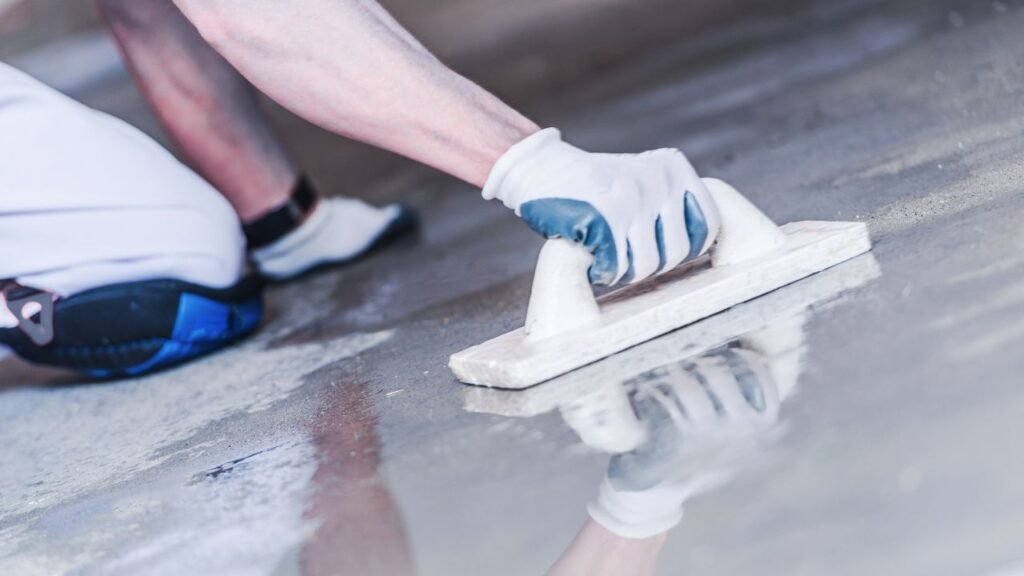
When it comes to cleanroom concrete floor construction, we recognize the critical role these surfaces play in maintaining sterile environments. The Sterile Environment Concrete Squad in Florida employs advanced techniques and high-quality materials to meet stringent cleanroom standards. As we explore the intricacies of our process, you’ll discover how our approach not only enhances durability but also minimizes contamination risks. Let’s take a closer look at what sets our flooring solutions apart.
When we think about cleanroom environments, we recognize that they play an essential role in various industries, from pharmaceuticals to semiconductor manufacturing. These controlled spaces are designed to minimize contamination and guarantee product integrity, which is fundamental for achieving compliance with rigorous industry standards.
In cleanrooms, we often encounter strict protocols regarding air quality, temperature, humidity, and even personnel attire. Each element is meticulously controlled to maintain a sterile environment, preventing any particles or microorganisms from compromising sensitive projects.
Understanding the importance of these environments helps us appreciate the intricate systems in place, such as HEPA filtration and positive air pressure. We also realize that training and discipline among staff are critical for keeping these spaces operational. By embracing these principles, we can effectively contribute to the success of industries that rely on cleanrooms for their essential processes.
When we think about cleanroom construction, concrete plays a vital role in ensuring durability and longevity. Its robust nature helps us maintain strict contamination control measures, which are essential in these controlled environments. By choosing the right concrete, we’re setting the foundation for a successful cleanroom operation.
Although we often focus on various aspects of cleanroom design, the durability and longevity of concrete floors play an important role in maintaining the integrity of these controlled environments. Concrete is known for its strength and resilience, making it an excellent choice for cleanroom applications. When we invest in high-quality concrete flooring, we guarantee that it can withstand heavy foot traffic, equipment loads, and the rigorous cleaning processes necessary in sterile environments. This durability reduces the need for frequent repairs or replacements, ultimately saving us time and money. Moreover, a long-lasting concrete floor maintains a stable surface, which is vital for equipment calibration and overall operational efficiency. Prioritizing durability means we’re making a smart choice for the longevity of our cleanroom.
To effectively control contamination in cleanrooms, the choice of flooring materials is essential, and concrete stands out as a preferred option. Its smooth surface minimizes dust accumulation, making it easier to maintain a sterile environment. Additionally, concrete can be treated with antimicrobial coatings, further enhancing its contamination control.
Here’s a quick look at the benefits of concrete flooring:
| Feature | Benefit | Impact on Cleanroom |
|---|---|---|
| Smooth Surface | Reduces dust and debris | Easier cleaning |
| Antimicrobial Coatings | Inhibits microbial growth | Enhanced sterility |
| Customizable Finishes | Tailored for specific environments | Meets varied needs |
As we consider the key requirements for cleanroom flooring, it’s vital to recognize that the flooring must not only meet stringent cleanliness standards but also provide durability and ease of maintenance. First, the surface should be non-porous and seamless to prevent the accumulation of contaminants and facilitate thorough cleaning. We need to guarantee it’s resistant to chemicals and abrasion, as cleanrooms often deal with harsh substances and heavy foot traffic.
Additionally, the flooring must support static control to protect sensitive equipment and processes. We should also prioritize slip resistance, ensuring safety for personnel working in these environments. Finally, quick and easy installation is critical to minimize disruption during construction. By focusing on these key requirements, we can create a cleanroom floor that promotes a sterile environment while standing the test of time. Together, we can make certain that every aspect of cleanroom flooring meets the highest standards for safety and functionality.
Now that we comprehend the key requirements for cleanroom flooring, let’s explore the different types of concrete we can use in these projects. We’ll discuss the advantages of epoxy flooring solutions, the benefits of polyurethane coatings, and the options available with self-leveling concrete. Each choice plays a crucial role in ensuring our cleanroom meets stringent standards.
While selecting the right flooring solution for cleanroom environments, we often find that epoxy flooring stands out due to its durability and resistance to contaminants. This makes it an ideal choice for maintaining the sterile conditions necessary in these spaces. Here are some key benefits we should consider:
With these advantages, epoxy flooring proves to be a smart investment for any cleanroom project.
When considering flooring for cleanroom projects, polyurethane coatings offer significant advantages that enhance both performance and longevity. These coatings provide superior chemical resistance, making them ideal for environments where spills and contaminants are a concern. They also create a seamless surface, reducing the risk of dirt trapping and making cleaning easier. Polyurethane is known for its flexibility and durability, which helps prevent cracking and enhances the floor’s lifespan. Additionally, these coatings can withstand heavy foot traffic and equipment loads without losing their integrity. Ultimately, by choosing polyurethane coatings, we guarantee our cleanroom floors remain sterile and functional, meeting the strict requirements of controlled environments while providing lasting value.
As we explore self-leveling concrete options for cleanroom projects, it’s clear that selecting the right type is essential for ensuring a smooth, durable surface. The right choice can greatly impact cleanliness and maintenance. Here are four popular options:
The Sterile Environment Concrete Squad plays an essential role in ensuring that cleanroom facilities meet stringent hygiene and performance standards. We specialize in creating concrete floors that not only resist contamination but also support the complex operations within these environments. Our team understands the unique requirements of cleanrooms, from minimizing particulate generation to maintaining a smooth, durable surface.
When we approach a project, we meticulously plan every step, taking into consideration the specific needs of the facility. Our crew uses high-quality materials and techniques to deliver a flawless finish that upholds cleanliness. We also adhere to strict industry regulations, ensuring compliance throughout the construction process.
Advanced techniques in cleanroom concrete pouring are essential for achieving the highest standards of cleanliness and durability. We utilize a range of methods to guarantee that our concrete floors meet the strict requirements of sterile environments. Here are four key techniques we employ:
While constructing cleanroom floors, we often face several challenges that can impact the overall quality and compliance of the project. One major issue is ensuring the right surface finish to meet strict cleanliness standards. We also contend with environmental factors like humidity and temperature that can affect curing times. Furthermore, coordinating with other construction phases can complicate scheduling and lead to delays.
Here’s a quick overview of some common challenges we encounter:
| Challenge | Description |
|---|---|
| Surface Finish | Achieving the required smoothness and texture |
| Environmental Conditions | Managing humidity and temperature during curing |
| Project Coordination | Aligning schedules with other trades |
| Contamination Prevention | Ensuring no foreign materials disrupt cleanliness |
Addressing these challenges proactively helps us maintain the integrity and compliance of cleanroom floors.
To achieve ideal sterility in cleanroom environments, we must select materials specifically designed for this purpose. The right materials not only help maintain cleanliness but also resist contamination. Here are four key materials we should consider:
When choosing surface finishes for cleanroom floors, we have several options that can greatly impact both cleanliness and functionality. One popular choice is epoxy coatings, known for their durability and seamless application, which minimizes dirt traps. These coatings resist chemicals and help maintain a sterile environment.
Another option is polished concrete, offering a smooth, non-porous surface that’s easy to clean and maintain. It also reflects light, enhancing visibility in the cleanroom.
We might also consider vinyl flooring, which provides a softer feel underfoot and comes in a variety of designs. However, it’s vital to confirm any vinyl used is suitable for cleanroom standards.
Lastly, seamless floor systems can combine multiple materials for peak performance. Whichever finish we choose, it’s essential to prioritize both hygiene and the specific requirements of the cleanroom to guarantee a safe and efficient workspace.
As we commence on cleanroom concrete floor construction, implementing robust quality control measures is essential to ascertain compliance with industry standards and specifications. By focusing on these measures, we can guarantee the integrity and performance of our cleanroom floors. Here are four key quality control steps we should prioritize:
As we consider compliance with cleanroom standards, it’s essential to understand the regulatory requirements that guide our construction efforts. We’ll also explore the best practices in material selection and installation to guarantee our cleanroom floors meet stringent criteria. By following these guidelines, we can create a safe and effective cleanroom environment.
To guarantee our cleanroom concrete floor construction meets industry standards, we must navigate a complex landscape of regulatory requirements. These regulations confirm that our facilities provide the sterile environments needed for sensitive operations. Here’s what we need to keep in mind:
Maneuvering through regulatory requirements sets the stage for selecting the right materials in cleanroom concrete floor construction. We need to prioritize materials that minimize contamination and guarantee durability. Start with high-quality concrete mixes designed to resist dust and particles. Additionally, we should opt for non-porous finishes that facilitate easy cleaning and maintenance.
When considering additives, look for those that enhance strength and reduce permeability without compromising sterility. It’s crucial to select materials that comply with industry standards, such as ISO or FDA regulations, to maintain the integrity of the cleanroom environment. Finally, always consult with experts to verify our choices align with specific cleanroom classifications, helping us create a safe and efficient space for our operations.
While we focus on creating a cleanroom environment, adhering to installation best practices is vital for compliance with cleanroom standards. By implementing these guidelines, we guarantee a sterile and efficient space. Here are four key practices to follow:
As we explore successful cleanroom installations, it’s clear that careful planning and execution can lead to remarkable outcomes. One standout project involved a pharmaceutical facility, where we meticulously designed and constructed a concrete floor tailored to stringent cleanliness standards. By utilizing specialized materials and techniques, we guaranteed a seamless surface that minimized dust accumulation, enhancing the overall sterility of the environment.
In another case, we partnered with a tech company focused on semiconductor manufacturing. Here, our team addressed unique challenges like electrostatic discharge (ESD) requirements. We integrated ESD-safe coatings into the concrete, providing a safe and compliant workspace.
These case studies highlight how our attention to detail and collaboration with clients resulted in tailored solutions. Each installation not only met but exceeded industry standards, showcasing the importance of expertise in creating cleanroom environments. We’re proud to contribute to such significant advancements in sterile environments.
Now that we’ve looked at successful installations, let’s shift our focus to maintaining cleanroom concrete floors. We all know that regular cleaning protocols and effective surface repair techniques are essential for ensuring their longevity and performance. Together, we can explore the best practices for keeping these floors in top condition.
To maintain the integrity of cleanroom concrete floors, we must implement regular cleaning protocols that prevent contamination and guarantee a sterile environment. Here are four essential steps we should follow:
Maintaining cleanroom concrete floors goes beyond regular cleaning; addressing surface damage is equally important to uphold a sterile environment. When we notice chips, cracks, or other imperfections, it’s essential to act swiftly. We can employ epoxy or polyurethane fillers to repair minor damages, ensuring a smooth, non-porous surface that resists contamination. For more extensive damage, we might consider resurfacing the entire floor, which restores its integrity and enhances durability. Regular inspections help us identify issues early, allowing us to maintain strict cleanliness standards. By prioritizing surface repairs, we not only prolong the life of our floors but also safeguard the health and safety of our cleanroom environment. Let’s keep our spaces pristine together!
How can we enhance the cleanliness and efficiency of cleanroom environments? By embracing the latest innovations in cleanroom flooring technology, we can markedly elevate our standards. Here are four key advancements we should consider:
As we look ahead to the future of cleanroom construction in Florida, it’s clear that adapting to evolving industry standards and environmental challenges is crucial. We’re witnessing a shift towards more sustainable practices, emphasizing energy efficiency and eco-friendly materials. This change not only meets regulatory demands but also enhances the longevity and performance of cleanroom facilities.
Moreover, advancements in technology are enabling us to create smarter environments. With the integration of IoT devices, real-time monitoring of air quality and contamination levels becomes feasible, leading to improved operational efficiency. We’re also prioritizing modular cleanroom designs, allowing for quicker setups and easier relocations to meet changing business needs.
Collaboration among architects, engineers, and contractors will be essential as we navigate these changes together. By staying informed and proactive, we can guarantee Florida’s cleanroom construction remains at the forefront of innovation, providing industries with the high-quality environments they require.
The typical lifespan of a cleanroom concrete floor can range from 10 to 30 years, depending on maintenance and usage. Isn’t it fascinating how long-lasting these floors can be? By investing in quality materials and proper installation, we can greatly extend their durability. Regular cleaning and maintenance also play an essential role in preserving their integrity. So, let’s make sure we take the right steps to maximize the lifespan of our cleanroom floors!
We recommend inspecting cleanroom floors at least once a month. Regular checks help us catch any signs of damage early, ensuring the floor maintains its integrity and cleanliness. If we notice heavy foot traffic or equipment usage, we might increase inspections to bi-weekly. Keeping a close eye on our floors not only prolongs their lifespan but also maintains the sterile environment essential for our work. Let’s stay proactive about floor maintenance!
Absolutely, we can repair cleanroom floors without needing a complete replacement! Imagine a skilled artist restoring a masterpiece; that’s how we approach these repairs. We assess the damage and employ specialized techniques to patch, seal, or resurface the affected areas. This not only saves time and money but also helps maintain the sterile environment essential for operations. So, don’t worry—repairing your cleanroom floor can be both efficient and effective!
The cost range for cleanroom concrete flooring projects typically falls between $5 to $15 per square foot, depending on factors like materials, design complexity, and installation requirements. For larger projects, bulk pricing can lower overall costs. We need to take into account any additional features or specifications necessary for your cleanroom’s environment, as these can influence the final price. It’s best to consult with a professional for a detailed estimate tailored to your needs.
Yes, there are specific cleaning products we recommend for concrete cleanroom floors. We suggest using pH-neutral cleaners to avoid damaging the surface. Additionally, hydrogen peroxide or isopropyl alcohol can effectively disinfect without leaving residues. It is crucial to avoid harsh chemicals that might compromise the sterile environment. Regular mopping with these products helps maintain cleanliness and guarantees compliance with safety standards, keeping our cleanroom floors in top condition for peak performance.
 Call Now