When it comes to enhancing the beauty of our spaces, colored concrete installation offers a unique solution. At Custom Tinting Concrete Squad in Florida, we specialize in transforming ordinary surfaces into striking designs. With a variety of colors and techniques at our disposal, we can create finishes that truly reflect our clients’ visions. But what should you consider before starting a project like this? Let’s explore the key aspects that can make all the difference.
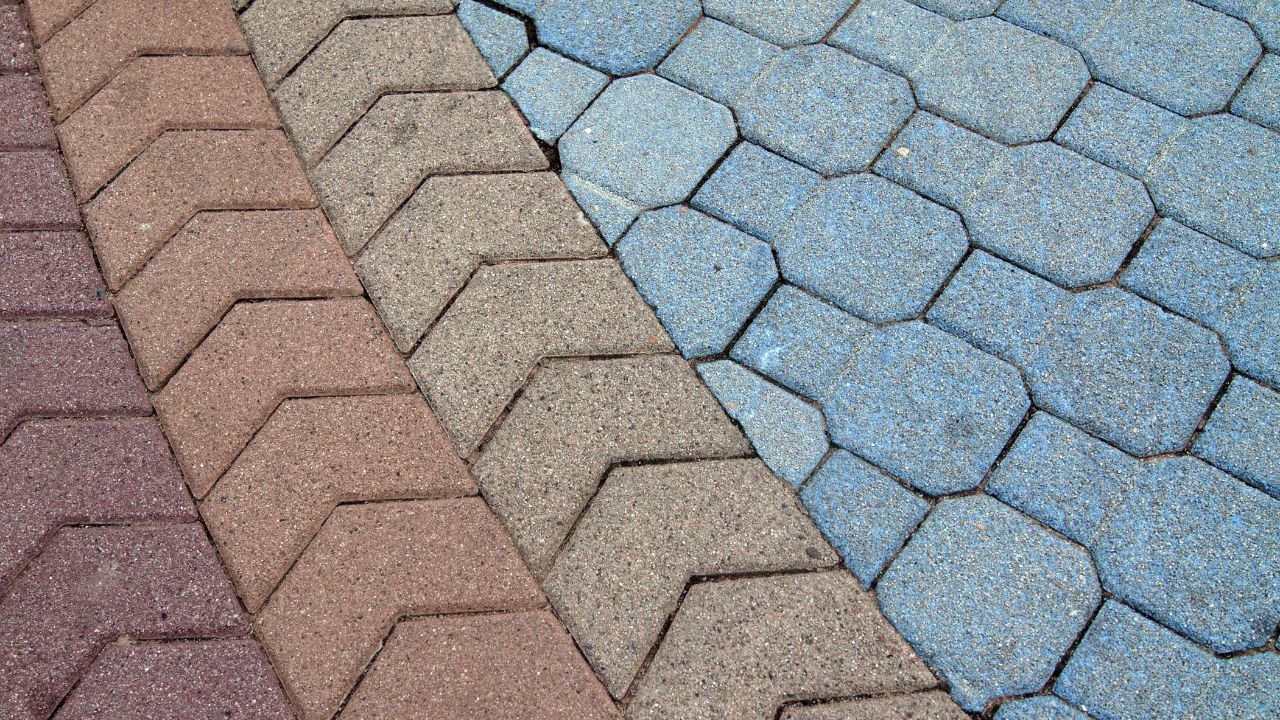
When we consider the aesthetic appeal of our outdoor spaces, colored concrete offers a vibrant solution that enhances any project. Not only does it provide a wide range of colors and finishes, but it also allows us to express our unique style and design preferences. By incorporating colored concrete, we can create striking walkways, patios, or driveways that stand out in our landscapes.
Moreover, colored concrete is durable and resistant to fading, ensuring that our investments maintain their beauty over time. It’s also low-maintenance, requiring minimal upkeep compared to other materials. This means we can enjoy our outdoor spaces without the constant worry of repairs or repainting.
Additionally, colored concrete can improve property value, making it an appealing choice for homeowners. Overall, utilizing colored concrete can transform our outdoor areas, combining functionality with artistic expression in a way that’s both practical and visually stunning.
As we explore the various types of colored concrete, it’s essential to recognize the diverse options available to suit our specific needs and preferences. Each type offers unique benefits and aesthetics, allowing us to enhance our spaces creatively. Here are three popular types of colored concrete we can consider:
Integral Color: This method involves adding color directly to the concrete mix, ensuring a uniform hue throughout the slab. It’s durable and resistant to fading.
Concrete Stains: Stains penetrate the surface, providing a translucent finish that highlights the concrete’s natural texture. They come in various colors and can create stunning effects.
Concrete Dyes: Dyes are applied to the surface and can achieve vibrant colors. They’re ideal for decorative applications, offering a wide range of shades to choose from.
To achieve a successful colored concrete installation, we need to follow a systematic process that guarantees both aesthetic appeal and durability. First, we’ll prepare the site by cleaning and leveling the area. Next, we mix the concrete with the chosen color pigment, making certain it’s evenly distributed.
Afterward, we pour the mixture into forms and use tools to spread and smooth it out. Finally, we allow it to cure properly, which is vital for strength and color retention.
Here’s a quick overview of the steps involved:
| Step | Description | Importance |
|---|---|---|
| Site Preparation | Clean and level the area | Guarantees a solid base |
| Mixing | Combine concrete and pigment | Achieves desired color |
| Curing | Allow concrete to set | Enhances durability |
When we choose a color for our concrete, we’re not just picking a shade; we’re considering how it affects the mood of our space. Let’s think about how our chosen hue will match the surrounding elements, creating a harmonious look. Together, we can explore the psychology behind colors and find the perfect fit for our project.
Color holds a powerful influence over how we perceive and experience our surroundings. When we choose colors for our spaces, we tap into color psychology, which can affect our emotions and behaviors. Here are three key aspects to reflect upon:
As we commence on the journey of choosing the right color for our concrete installations, it’s essential to contemplate the surrounding elements that will influence our final decision. The color of our concrete should harmonize with existing structures, landscaping, and the overall theme of our space. To help us visualize this, we can consider the following factors:
| Element | Color Influence | Example Scenario |
|---|---|---|
| Landscape | Greens and browns | Garden pathways |
| Home Exterior | Neutral tones | Driveway matching house |
| Outdoor Furniture | Bold or pastel shades | Patio with vibrant chairs |
| Surrounding Structures | Complementary colors | Fences or walls |
| Seasonal Changes | Warm vs. cool tones | Fall foliage vs. summer blooms |
Custom tinting techniques offer us a versatile way to enhance the aesthetic appeal of concrete surfaces. By incorporating various methods, we can achieve stunning results that truly stand out. Here are three popular techniques we can explore:
Integral Coloring: We mix pigments directly into the concrete mix, creating a uniform color throughout. This technique guarantees a long-lasting hue that resists fading.
Concrete Stains: Using acid or water-based stains allows us to add depth and texture to the surface. This method highlights the natural variations in the concrete, giving it a unique, polished look.
Dyes: We can utilize dyes for a broader color palette. Unlike stains, dyes penetrate the surface and provide vibrant colors, making it easy to customize and achieve the desired aesthetic.
When we think about the applications of colored concrete, both residential and commercial spaces come to mind. We can enhance the aesthetics of our homes while also making a bold statement in business environments. Let’s explore how colored concrete can transform these two areas effectively.
Colored concrete adds a unique flair to residential design, enhancing aesthetics in ways that can transform a home’s exterior and interior alike. By incorporating colored concrete, we can create eye-catching features that elevate our living spaces. Here are three applications that showcase its versatility:
Driveways and Walkways: We can choose vibrant colors or subtle hues to complement our home’s architecture.
Patios and Decks: With textured finishes and custom tints, outdoor areas become inviting spaces for relaxation and entertaining.
Interior Floors: Polished colored concrete floors offer durability and style, creating a modern, sleek look.
As we explore the applications of colored concrete in commercial spaces, it’s clear that its versatility can greatly enhance both functionality and aesthetics. Whether it’s a retail store, office building, or restaurant, colored concrete can transform ordinary floors into striking visual statements. We can create custom colors that align with a brand’s identity, making spaces more inviting and engaging for customers. Additionally, colored concrete is durable and easy to maintain, making it an ideal choice for high-traffic areas. From polished finishes to stamped patterns, the options are endless. By incorporating colored concrete, we not only improve the overall look of a commercial space but also increase its value and appeal, fostering a more enjoyable experience for everyone.
To keep our colored concrete looking vibrant and lasting for years, we need to adopt a regular maintenance routine. By taking a few simple steps, we can guarantee its longevity and beauty. Here are three essential maintenance tips:
Regular Cleaning: We should sweep or use a leaf blower to remove debris. For tough stains, a mild detergent and water will do the trick. Avoid harsh chemicals that can damage the color.
Sealant Application: Applying a high-quality sealant every couple of years helps protect our colored concrete from fading and staining. It also enhances the color’s depth.
Avoid Heavy Loads: We need to be mindful not to place heavy objects on our colored concrete, as this can cause cracks and damage, affecting its appearance.
When we compare colored concrete to traditional concrete, we notice some key differences in aesthetic appeal and durability. Colored concrete offers a unique look that can enhance any space, while traditional concrete may lack that visual charm. Additionally, we should consider how maintenance requirements vary between the two options.
While traditional concrete offers a sturdy and functional surface, colored concrete elevates aesthetic appeal by introducing a vibrant palette that can transform any space. We often find that this versatility allows us to create stunning visuals that traditional concrete simply can’t match. Here are three key differences we notice:
Incorporating colored concrete into our projects not only beautifies the area but also personalizes it to reflect our unique taste.
Durability and maintenance are essential factors we consider when choosing between colored concrete and traditional concrete. Both options can be robust, but colored concrete often offers unique benefits. The pigments used in colored concrete are integrated into the mix, which helps resist fading and chipping better than surface-applied stains. This means we won’t have to worry as much about touch-ups over time.
In terms of maintenance, both types require regular cleaning and sealing, but colored concrete tends to hide dirt and stains more effectively. While traditional concrete can be more susceptible to wear from harsh chemicals, colored options can withstand the elements, making them a smart choice for long-term durability. Ultimately, both types can perform well, but colored concrete may edge out in longevity and upkeep.
Understanding the cost factors in colored concrete installation is vital for anyone looking to enhance their space with this attractive option. We’ve identified three key factors that influence pricing:
Material Costs: The type of concrete and coloring agents can vary greatly in price. High-quality pigments often lead to a richer color but may increase costs.
Labor: Skilled labor is essential for a successful installation. Experienced installers may charge more, but their expertise guarantees a better finish and longevity.
Design Complexity: Custom patterns or intricate designs require more time and effort, which can raise the overall cost. Simple applications are generally more budget-friendly.
When we think about boosting our home’s curb appeal, colored concrete stands out as a stylish and versatile option. It allows us to create stunning walkways, driveways, and patios that not only enhance our property’s look but also reflect our personal style. With a wide array of colors and finishes available, we can tailor the concrete to match our home’s exterior or even make a bold statement.
Using colored concrete, we can achieve a polished and modern appearance that traditional gray concrete simply can’t provide. Whether we opt for warm earth tones or vibrant hues, the right choice can harmonize with our landscaping and architecture, elevating the entire aesthetic.
Plus, colored concrete can be stamped or stained for added texture and design, giving us even more creative freedom. Ultimately, investing in colored concrete is a smart way to increase our home’s value while creating an inviting atmosphere.
As we explore the world of colored concrete, we can find eco-friendly options that not only beautify our spaces but also prioritize sustainability. Choosing eco-friendly colored concrete benefits both our environment and our projects. Here are three options we can consider:
Recycled Materials: Some colored concrete mixes utilize recycled aggregates, reducing waste and minimizing the need for new resources.
Low-VOC Pigments: By selecting low-volatile organic compound (VOC) pigments, we can guarantee that our colored concrete has minimal impact on air quality, making it safer for both our health and the environment.
Permeable Concrete: This innovative option allows water to pass through, reducing runoff and promoting groundwater recharge, making it a sustainable choice for outdoor applications.
Colored concrete opens up a world of creative possibilities, allowing us to transform ordinary spaces into extraordinary ones. We can use various colors to complement our landscaping or architectural features, making pathways or patios more inviting. Imagine incorporating multiple hues to create stunning patterns or designs, such as geometric shapes or swirls that catch the eye.
Adding texture can elevate our projects further; stamped patterns mimic natural materials like stone or wood, providing elegance and uniqueness. For a more playful approach, we can opt for colorful concrete tiles that brighten outdoor areas.
Let’s not forget about using colored concrete for vertical surfaces, like feature walls or planters, adding depth and dimension to our spaces. By embracing these creative ideas, we can craft environments that reflect our personalities and enhance our surroundings, ensuring our projects leave a lasting impression.
When it comes to colored concrete installation, we often overlook some key details that can lead to disappointing results. Improper surface preparation and incorrect color mixing are two common mistakes we should be wary of. Let’s explore how we can avoid these pitfalls and guarantee a successful project.
Proper surface preparation is essential for achieving a flawless colored concrete finish. If we want our project to succeed, we must pay close attention to the following common mistakes we should avoid:
Neglecting Cleaning: We need to guarantee the surface is free from dirt, grease, and debris. A clean surface allows for better adhesion and an even color application.
Ignoring Uneven Surfaces: We shouldn’t overlook cracks or uneven areas. Filling and leveling these spots is critical for a smooth finish and prevents future issues.
Skipping Moisture Testing: It’s important to check for moisture levels before applying color. Excess moisture can lead to discoloration and compromise the integrity of our work.
Many of us overlook the importance of mixing colors correctly when working with colored concrete. It’s essential to measure our pigments accurately, as even slight discrepancies can lead to a patchy or uneven finish. We should always follow the manufacturer’s guidelines for mixing ratios. If we’re using multiple batches, consistency is key; we must mix each batch the same way to avoid color differences. Additionally, it’s easy to underestimate how additives can affect our color results. If we’re unsure, testing a small sample before applying to the entire surface is a smart move. By paying attention to these details, we can achieve the vibrant, uniform look we desire in our projects. Let’s avoid the hassle of color mismatches together!
While we might think we can tackle colored concrete installation ourselves, the expertise of professional installers truly makes a difference. Their skills not only enhance the aesthetic but also assure durability and longevity. Here are three key reasons to reflect on professional installation:
Expert Mixing Techniques: Professionals understand the nuances of color mixing, assuring an even and vibrant finish that DIY attempts often miss.
Surface Preparation: Proper surface preparation is essential for adhesion and longevity. Pros have the tools and experience to prepare the area effectively, preventing future issues.
Time Efficiency: With their experience, professionals can complete the job faster and more efficiently than most of us could, allowing us to enjoy our beautiful new surfaces sooner.
Investing in professional installation not only saves us time but also guarantees a stunning, lasting result that we can be proud of.
After recognizing the benefits of professional installation, it’s inspiring to see how the Custom Tinting Concrete Squad has transformed various spaces with their expertise. We’ve witnessed remarkable changes, whether it’s a cozy backyard patio or a bustling commercial space. One memorable project involved revitalizing a local café’s outdoor area. With a rich, warm hue, the concrete not only enhanced the aesthetic but also provided a durable surface for customers to enjoy.
Another success story came from a residential property, where we created a stunning driveway that caught the eye of many passersby. Homeowners were thrilled with how our custom tints matched their vision perfectly, elevating their curb appeal considerably.
These transformations highlight our commitment to quality and client satisfaction. Each project reinforces our belief that colored concrete isn’t just about aesthetics; it’s about creating functional, beautiful spaces that our clients can truly enjoy. We can’t wait to share more success stories!
Typically, colored concrete lasts anywhere from 25 to 30 years, depending on various factors like maintenance and exposure. Notably, studies show that proper sealing can enhance its longevity by up to 50%. We’ve seen that regularly cleaning and resealing your concrete can keep it looking vibrant for years. So, if we take good care of it, our colored concrete can not only endure but also maintain its appeal throughout its lifespan.
Yes, we can change the color of existing concrete! There are several methods, like staining or resurfacing, that let us achieve the desired look. Staining penetrates the surface and offers a range of colors, while resurfacing involves applying a thin layer of new material that can be tinted. It’s important to prepare the surface properly for the best results. Let’s talk about your vision and how we can make it happen!
We recognize your concern about colored concrete being slippery when wet. While it can be slick, especially if it’s smooth, we can take steps to reduce that risk. Using textured finishes or non-slip additives during installation can help improve traction. Additionally, regular maintenance, like keeping it clean, guarantees safety. So, don’t let the fear of slipping hold you back! Colored concrete can be beautiful and functional with the right precautions in place.
If our colored concrete fades, we should first assess its condition. We can clean the surface thoroughly to remove any debris. Next, applying a concrete sealer can restore its vibrancy and protect against future fading. If the fade is significant, we might consider re-tinting the concrete or adding a fresh coat of color. Regular maintenance will help keep our concrete looking its best for years to come.
Yes, there are specific weather conditions we should consider for installation. Ideally, we want to pour concrete when temperatures are between 50°F and 90°F. If it’s too hot, the concrete can dry too quickly, leading to cracks. Conversely, cold weather can slow down curing. We also need to avoid rain during installation, as it can wash away color and disrupt the finish. Let’s aim for dry, moderate conditions for the best results!
 Call Now