
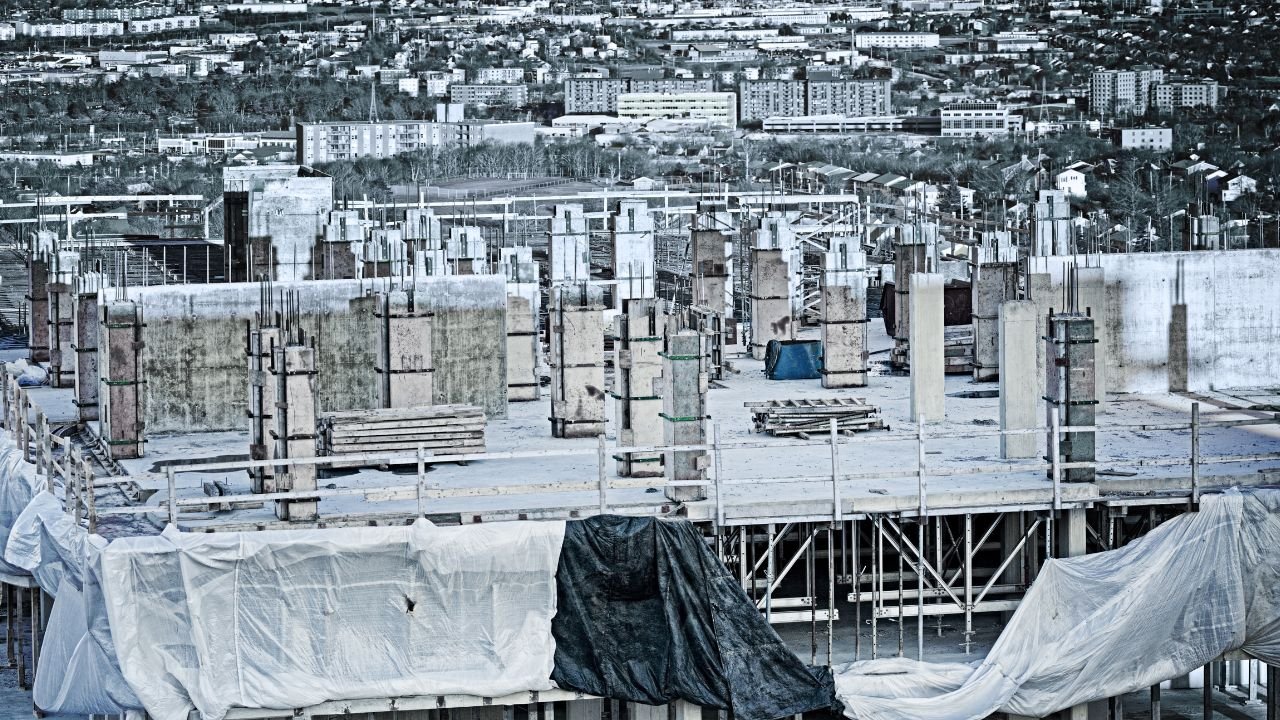
Did you know that Florida’s unique soil conditions greatly influence the design of high-rise foundations? As we navigate the complexities of building in this region, understanding the right foundation system becomes essential for stability and safety. Our approach combines innovative techniques with quality materials to address these challenges. So, what makes these foundation systems stand out, and how can they enhance the resilience of towering structures in our ever-changing environment?
When we think about high-rise buildings, it’s essential to understand the foundations that support them. These foundations are critical in distributing the weight of the structure and ensuring stability against various forces like wind and seismic activity. Typically, high-rise foundations can be categorized into shallow and deep foundations. Shallow foundations, like spread footings, are placed near the surface, while deep foundations, like piles, extend deep into the ground to reach stable soil or bedrock.
Additionally, we often rely on specialized techniques such as caissons or mat foundations, depending on the building’s height and the ground conditions. Understanding these foundational systems helps us appreciate the engineering challenges involved in constructing tall structures. By grasping these concepts, we can better recognize the importance of ensuring that our high-rises stand the test of time, both in safety and durability.
When we think about high-rise buildings, the importance of a strong foundation can’t be overstated. It directly affects the load-bearing capacity and guarantees structural stability throughout the building’s life. Without a solid foundation, even the tallest structures face significant risks.
A strong foundation is crucial for high-rise buildings, as it directly impacts the load-bearing capacity necessary for structural integrity. Without a solid foundation, the entire structure could face significant risks. We must guarantee that our designs account for various factors that influence this capacity. Here are a few key elements to take into account:
While we might focus on the aesthetic and functional aspects of high-rise buildings, the importance of a strong foundation cannot be overstated. A robust foundation is crucial for guaranteeing structural stability and safety, especially in tall structures that face various environmental forces. We all want our buildings to withstand wind, earthquakes, and other stressors without compromising integrity. By investing in superior foundation systems, we’re not just meeting regulations; we’re safeguarding lives and assets. It’s about creating a solid base that supports the entire structure for years to come. Remember, a building’s beauty is fleeting, but its foundation is what truly holds it together. Let’s prioritize stability to guarantee our high-rises stand tall and proud.
Understanding the various types of high-rise foundation systems is essential for ensuring structural integrity and stability. We often encounter several key systems, each suited for different soil conditions and building requirements. Here are three prominent types:
Shallow foundations play an important role in supporting structures built on stable, well-compacted soil. They’re typically used for smaller buildings and residential projects, providing a cost-effective solution while guaranteeing adequate load distribution. These foundations sit close to the ground surface, often less than three feet deep, which makes them easier and quicker to install.
We often encounter two main types: spread footings and mat foundations. Spread footings extend beneath load-bearing walls and columns, while mat foundations support large structures by distributing weight over a broader area. One of the key advantages of shallow foundations is their efficiency; they require less excavation and material than deeper options.
However, proper soil assessment is vital before selecting a shallow foundation. We need to verify the soil can support the intended loads without settling or shifting. By understanding these fundamentals, we can make informed decisions for our construction projects.
When constructing taller buildings or projects on unstable soil, we often turn to deep foundations, specifically piling and drilling techniques. These methods allow us to transfer loads deep into the ground, ensuring stability and safety. Here are some key aspects we should consider:
When we consider high-rise construction, mat foundations stand out for their design flexibility and efficient load distribution. They allow us to accommodate varying soil conditions while effectively spreading the weight of the structure. Let’s explore how these advantages make mat foundations a valuable choice for our projects.
While we explore the design flexibility of mat foundations, it’s clear that they offer unique advantages for high-rise projects. These foundations allow us to create adaptable and efficient designs that cater to various architectural styles and site conditions. Here are some key benefits:
Understanding load distribution efficiency in mat foundations is essential for optimizing the performance of high-rise structures. Mat foundations provide a large, stable base that evenly spreads the building’s weight over a wider area. This efficient load distribution minimizes the risk of settling and shifting, which can compromise structural integrity. By utilizing a mat foundation, we can accommodate varying soil conditions and reduce the need for extensive excavation. The design allows for flexibility in layout, enabling us to support complex architectural visions without sacrificing stability. Additionally, mat foundations can help reduce overall construction costs by minimizing the amount of concrete and materials needed. Together, these advantages make mat foundations a smart choice for modern high-rise construction projects.
Soil conditions play an essential role in determining the type of foundation needed for high-rise buildings. Understanding the soil beneath us helps guarantee our structures stand strong and stable. Here’s what we should consider:
As we explore high-rise construction, we can’t overlook the vital role structural concrete plays in ensuring the safety and durability of these towering edifices. This material forms the backbone of high-rise buildings, providing the necessary strength to withstand various forces, including wind, earthquakes, and the weight of the structure itself.
When we use structural concrete, we benefit from its excellent compressive strength and longevity, making it ideal for foundational systems. Its ability to be molded into intricate shapes allows for creative architectural designs while maintaining structural integrity.
Moreover, concrete’s thermal mass helps regulate indoor temperatures, contributing to energy efficiency. Its fire-resistant properties enhance safety, offering peace of mind for occupants.
Ultimately, structural concrete isn’t just a building material; it’s an essential component that supports the vision of high-rise living and working spaces, allowing us to reach new heights in urban development.
While traditional foundation methods have served us well, innovative techniques in foundation design are reshaping the landscape of high-rise construction. We’re excited to explore how these advancements enhance safety, efficiency, and sustainability in our projects. Here are some techniques that stand out:
These methods are not just about keeping our structures upright; they’re about creating a resilient foundation that can withstand the test of time and nature. As we embrace these innovations, we’re not just building skyscrapers; we’re shaping the future of urban landscapes. Let’s continue to advance together!
When it comes to foundation systems, we need to take into account several cost factors that can greatly influence our projects. We’ll break down material expenses, evaluate labor costs, and explore the long-term investment value of our choices. Understanding these elements will help us make informed decisions that guarantee both quality and budget efficiency.
Understanding the material expenses associated with high-rise foundation systems is vital for effective project budgeting. By breaking down these costs, we can make informed decisions that keep our projects on track. Here are some key factors to take into account:
As we explore labor cost factors for high-rise foundation systems, it’s essential to recognize how skilled labor and project timelines can greatly influence our overall budget. Hiring experienced workers often comes with higher hourly rates, but their expertise can lead to faster, more efficient work, potentially offsetting those costs. Additionally, project timelines are vital; delays can increase labor expenses due to extended equipment rental and overhead costs. We should also consider the labor market in our area, as local demand can impact wages. By understanding these factors, we can make informed decisions that balance quality and cost, ensuring our foundation systems are built to last while keeping our budget in check.
Investing in high-rise foundation systems offers significant long-term value that we should carefully consider. By evaluating the cost implications, we can see how these systems can benefit us in the long run.
Ultimately, by prioritizing these factors, we can make informed decisions that not only save us money but also enhance the structural integrity and longevity of our high-rise projects. Let’s invest wisely!
What environmental factors do we need to contemplate when evaluating foundation systems in Florida? First, we must consider the soil conditions, which can vary greatly across the state. Florida’s sandy soils often lead to issues like erosion and shifting, so we need foundations designed to handle these challenges. Then there’s the water table; with high levels in many areas, we should account for potential flooding and moisture-related problems.
Additionally, Florida’s tropical climate brings heavy rains and hurricanes. This means our foundation systems must be resilient against both water intrusion and wind pressure. We also can’t overlook the effects of heat and humidity, which can impact materials over time. By understanding these factors, we can make informed decisions about the best foundation systems for high-rise structures in Florida, ensuring stability and longevity.
Given the unique environmental challenges we’ve just discussed, quality assurance in foundation construction becomes a key focus. We want to guarantee that our foundations stand strong against Florida’s unpredictable weather and soil conditions. By implementing rigorous quality assurance measures, we can prevent costly failures and guarantee safety.
As we explore successful high-rise foundations, we can learn valuable lessons from projects that have effectively navigated the challenges of their environments. For instance, the Burj Khalifa in Dubai showcases how deep pile foundations can support immense structures in soft soil conditions. By utilizing over 192 reinforced concrete piles, this iconic tower achieves stability in a challenging landscape.
Similarly, the One World Trade Center in New York City demonstrates innovation through a robust mat foundation, which distributes the building’s weight evenly. This approach not only guarantees safety but also adheres to stringent safety regulations.
In both cases, we see the importance of thorough site assessments and tailored foundation designs. By studying these examples, we can appreciate how meticulous planning and engineering creativity lead to successful high-rise foundations, paving the way for future projects. Understanding their strategies can inspire our own endeavors in foundation construction.
While we look ahead at the future of high-rise foundation solutions, we can anticipate a shift towards more sustainable and technologically advanced practices. As our industry evolves, we’ll likely see innovations that enhance both efficiency and environmental responsibility. Here are some trends we can expect:
Selecting the right foundation system for a high-rise project involves careful consideration of various factors, especially as we embrace new technologies and sustainable practices in construction. We need to assess the soil conditions at the site, as this influences the type of foundation that’ll provide the necessary support. Additionally, understanding the building’s load requirements is essential; heavier structures may require deep foundations, while lighter buildings can often utilize shallow options.
We should also factor in local building codes and regulations that might dictate certain foundation types. Cost-effectiveness is important too, but we must balance budget constraints with long-term durability and maintenance needs. Sustainability plays a role in our choice, as eco-friendly materials and methods can contribute positively to the project’s overall impact. By considering these elements together, we can confidently choose a foundation system that meets both our project goals and community expectations.
When we think about towering structures, we often envision robust materials like reinforced concrete, steel, and aggregate. In high-rise foundation construction, we typically use concrete for strength, steel for support, and aggregate for stability. These materials work together to create a solid base. We also incorporate water and various admixtures to enhance durability and performance. Understanding these common components helps us appreciate the engineering marvels that reach for the sky!
Weather notably affects foundation work in Florida. We’ve got to take into account heat, humidity, rain, and even hurricanes. High temperatures can speed up curing times, while humidity can slow it down. Rain can delay our schedules and compromise the quality of concrete. When storms approach, we take extra precautions to protect our materials and work sites. It’s essential we plan our projects around Florida’s unpredictable weather to guarantee the best results.
Typically, a high-rise foundation project takes around six to twelve months to complete. This timeline includes site preparation, excavation, and pouring concrete. We often face challenges like weather or permitting, which can extend this period. However, by staying organized and efficient, we can keep things on track. Regular communication with all parties involved helps guarantee we meet our deadlines, delivering a solid foundation for the building ahead.
Foundation systems comply with local building codes by ensuring they meet specific safety and design standards. We carefully review these codes during the planning phase, integrating necessary requirements into our designs. Our team collaborates with engineers and inspectors to guarantee compliance throughout construction. We also conduct thorough inspections at various stages, making adjustments as needed. By prioritizing these regulations, we create safe and reliable foundations for high-rise buildings that stand the test of time.
High-rise foundation construction can substantially impact the environment. We often generate noise pollution and disrupt local ecosystems during excavation. Additionally, the materials we use, like concrete, can contribute to carbon emissions. However, we can mitigate these effects by using sustainable practices, such as recycling materials and choosing eco-friendly alternatives. By being mindful of our construction methods, we can minimize our environmental footprint and promote a healthier future for our communities.
 Call Now