We’re all too familiar with the challenges posed by severe weather in Florida, and addressing these concerns is essential for our commercial infrastructure. By focusing on hurricane-rated structures, we can create a safer environment for our businesses and communities. The Storm-Proof Concrete Squad offers innovative solutions that greatly enhance our resilience. But what exactly sets these structures apart, and how can they impact our local economy and safety during hurricane season?
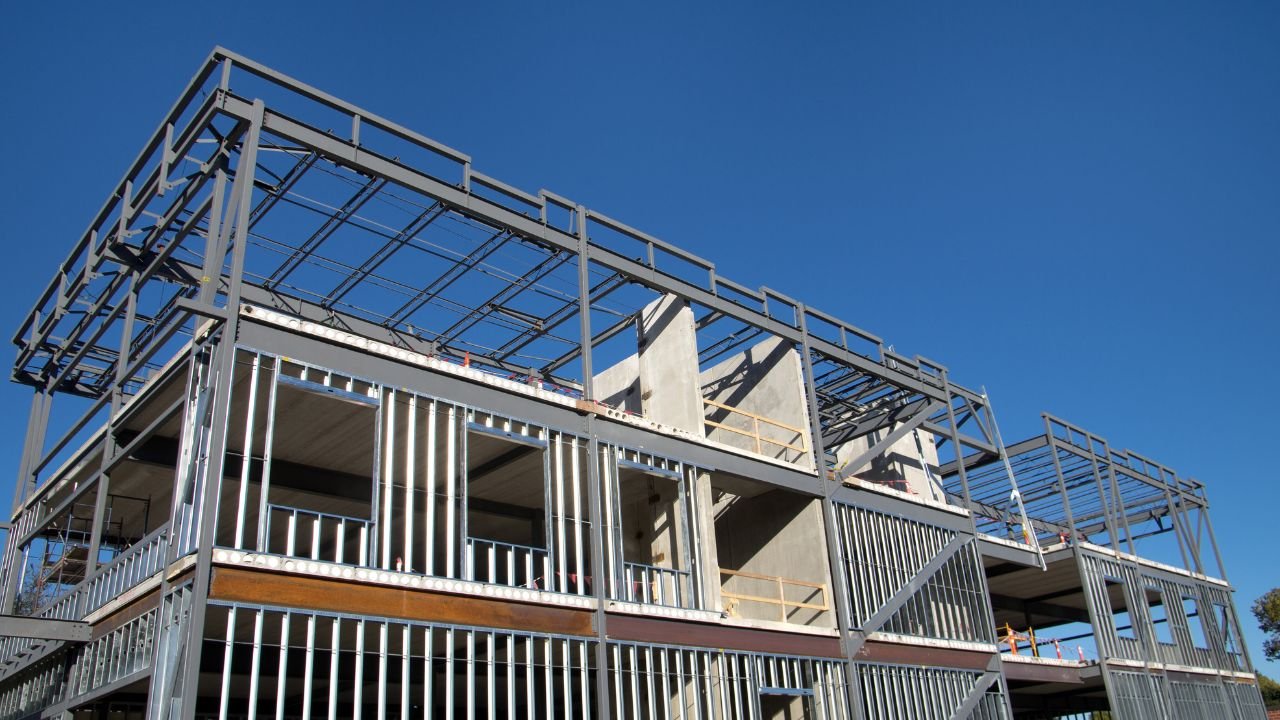
When we think about hurricane-rated structures, it’s important to recognize their design as an essential defense against extreme weather. These buildings aren’t just ordinary; they’re engineered to withstand the powerful forces of hurricanes, including high winds and flying debris. We’ve seen how standard materials can fail under such stress, but hurricane-rated structures use reinforced concrete, impact-resistant windows, and secure roof designs to keep occupants safe.
Additionally, these structures often incorporate elevated foundations to prevent flooding, ensuring that they remain functional even in severe storms. As we dive deeper into understanding these buildings, it’s clear that their design principles prioritize safety and durability. By embracing innovative architectural techniques and adhering to strict building codes, we create environments that not only protect our investments but also safeguard lives. Ultimately, understanding these features helps us appreciate the crucial role they play in our communities during hurricane season.
Hurricane-rated structures not only protect lives and property during extreme weather events, but they also embody the resilience we need in commercial buildings. We all understand that a resilient building is more than just a physical structure; it’s a commitment to safeguarding our communities and economies against the unpredictable.
When we invest in hurricane-rated designs, we’re not just thinking about immediate safety; we’re also considering long-term sustainability. Resilient buildings can withstand harsh conditions, minimizing damage and recovery costs. This means less downtime for businesses and a quicker return to normalcy for our communities.
Moreover, resilient structures inspire confidence. Tenants and customers feel secure knowing they’re in a building designed to endure. By prioritizing resilience, we’re not only protecting our assets but also fostering a culture of preparedness and responsibility. Together, let’s embrace the importance of resilience in our commercial spaces—it’s a smart choice for everyone involved.
When we think about storm-proof concrete, we should focus on its key features that make it stand strong against extreme conditions. This material boasts incredible durability, incorporates advanced wind resistance technology, and includes water-resistant design elements. Together, these attributes help guarantee our commercial structures can withstand the fiercest of storms.
As we face the increasing threat of extreme weather events, understanding the key features of storm-proof concrete becomes essential for ensuring the durability of commercial structures. This material isn’t just sturdy; it’s designed to withstand the harshest conditions. Here are three significant features we should consider:
Understanding how storm-proof concrete handles wind resistance is just as important as its durability in extreme conditions. We’ve engineered this concrete to withstand high wind speeds by incorporating advanced materials and innovative design techniques. The unique composition allows it to flex and absorb impact, reducing the risk of cracking or structural failure during a storm. Additionally, we utilize reinforced frameworks that distribute wind loads evenly, enhancing stability. Our concrete mixes are designed to resist the erosive effects of airborne debris, a common hazard during hurricanes. With these features, we guarantee that our structures remain safe and functional even in the fiercest conditions. By choosing storm-proof concrete, we’re not just building; we’re fortifying our communities against nature’s worst.
While many factors contribute to the effectiveness of storm-proof concrete, its water-resistant design features stand out as essential for safeguarding structures against flooding and moisture intrusion. These features guarantee our buildings can withstand severe weather conditions effectively. Here are three key elements we should consider:
Innovative construction techniques are revolutionizing the way we build hurricane-rated commercial structures. By integrating advanced methods, we’re enhancing safety, durability, and efficiency. These techniques not only withstand extreme weather but also reduce repair costs and construction time.
Here’s a quick look at some key innovative techniques:
| Technique | Description | Benefits |
|---|---|---|
| Modular Construction | Pre-fabricated sections assembled on-site | Faster build time, reduced waste |
| Elevated Foundations | Structures raised above flood levels | Improved flood protection |
| Impact-Resistant Materials | Use of specialized, durable materials | Enhanced resistance to wind and debris |
| Aerodynamic Design | Shape optimization for wind flow | Lower wind pressure on structures |
| Smart Technology | Sensors for real-time monitoring | Early warning for structural issues |
As we explore hurricane-rated structures, we can’t overlook the crucial role of reinforced concrete in enhancing structural integrity. This material not only bolsters a building’s strength but also greatly improves its wind resistance properties. Understanding these benefits helps us appreciate why reinforced concrete is a go-to choice for hurricane protection.
In the quest for hurricane-rated commercial structures, reinforced concrete stands out as a crucial element in enhancing structural integrity. Its unique properties allow us to create buildings that withstand extreme weather conditions. Here’s why reinforced concrete is essential:
Reinforced concrete not only enhances structural integrity but also plays an essential role in wind resistance during hurricanes. By combining steel reinforcement with concrete, we create a material that can withstand powerful winds and flying debris. These structures are designed to resist bending and twisting, which are common during severe storms.
When we build with reinforced concrete, we’re ensuring that our commercial properties can endure the intense pressure and uplift forces that hurricanes bring. This is especially significant in areas prone to severe weather. Additionally, the heavy mass of reinforced concrete acts as a stabilizing force, keeping buildings grounded. In short, investing in reinforced concrete is investing in safety, providing peace of mind when storms threaten our communities.
When designing commercial structures to withstand hurricane conditions, we must prioritize wind resistance to guarantee safety and longevity. Here are three key factors to take into account:
Aerodynamic Shape: We should aim for streamlined designs that reduce wind pressure on surfaces. A well-shaped building can effectively deflect strong winds, minimizing potential damage.
Strong Materials: Utilizing high-quality, durable materials like reinforced concrete is essential. These materials can withstand extreme forces, ensuring the structure stays intact during storms.
Secure Fastenings: It’s vital to implement robust fastening systems for roofs, walls, and windows. Proper connections prevent elements from being torn away by high winds, enhancing overall stability.
As we tackle the challenges posed by hurricanes, incorporating flood-resistant building practices becomes essential for protecting our commercial structures. First, elevating our buildings above the base flood elevation is imperative. This helps mitigate water damage during heavy rainfall and storm surges. We should also consider using flood-resistant materials, such as reinforced concrete and water-resistant barriers, which can withstand potential flooding.
Additionally, proper site drainage is essential. By designing effective drainage systems, we can direct water away from our structures and reduce the risk of flooding. It’s important to install sump pumps as well, ensuring that any accumulated water is efficiently removed.
Finally, we must engage in regular maintenance checks, ensuring our flood-resistant features remain effective. By embracing these practices, we not only safeguard our investments but also contribute to the overall resilience of our communities in the face of future storms. Together, we can build smarter and safer.
Now, let’s explore some remarkable case studies of hurricane-rated commercial structures. We’ll highlight the project goals, innovative design and construction strategies, and analyze their impact and performance. Together, we can learn valuable lessons from these successful projects.
While we explore case studies of successful hurricane-rated commercial structures, it’s essential to understand the goals that drive these projects. Our focus is on creating resilient buildings that can withstand severe weather, ensuring safety and functionality for occupants. Here are three key goals we prioritize:
With our goals of resilience, sustainability, and community protection in mind, we can examine effective design and construction strategies employed in successful hurricane-rated commercial structures. For instance, many projects utilize reinforced concrete walls and roofs to withstand high winds and flying debris. We’ve also seen the benefits of elevated foundations, which protect structures from flooding.
Incorporating impact-resistant windows and doors not only enhances safety but also improves energy efficiency. Additionally, strategic landscaping can redirect wind flow and reduce potential damage.
As we explore the impact and performance analysis of hurricane-rated commercial structures, it’s essential to highlight notable case studies that demonstrate effective strategies in action. These projects not only showcase resilience but also provide valuable insights for future developments. Here are three key examples:
When it comes to hurricane-rated commercial structures, compliance with building codes and standards isn’t just a suggestion; it’s essential for guaranteeing safety and durability. We recognize that these regulations are designed to protect both lives and properties from the devastating impact of hurricanes. By adhering to these codes, we can guarantee that our structures withstand high winds, heavy rains, and flooding.
We must stay informed about local, state, and federal regulations, as they often evolve based on the latest research and technology. Each code outlines specific materials, construction techniques, and design criteria that enhance a building’s resilience. It’s not just about following the rules; it’s about committing to a culture of safety.
Although we often think of hurricane-resistant structures primarily regarding safety, their economic impact is equally significant. Investing in these buildings can lead to substantial long-term benefits, which we should consider:
Reduced Repair Costs: With stronger materials and designs, we lower the chances of damage during storms, leading to fewer repairs and maintenance expenses.
Insurance Savings: Many insurers offer lower premiums for hurricane-rated properties, translating to immediate financial relief for businesses and property owners.
Increased Property Value: Properties built to withstand hurricanes often appreciate faster and maintain their value better, making them a sound investment in the long run.
When it comes to storm-proof buildings, we understand that regular inspections are crucial to guarantee their longevity. Selecting durable materials and implementing effective drainage systems can greatly enhance their resilience. Let’s explore how these factors contribute to the maintenance of hurricane-rated structures.
Regular inspections are essential for maintaining the integrity of hurricane-rated commercial structures, guaranteeing they stand strong against future storms. By regularly checking our buildings, we can identify potential issues early and prolong their lifespan. Here are three key aspects to focus on during these inspections:
Choosing durable materials is essential for the maintenance and longevity of storm-proof buildings, as these choices directly impact a structure’s ability to withstand harsh weather conditions. We need to prioritize materials that offer strength and resilience, ensuring our buildings can endure hurricanes and heavy rains.
Here’s a quick overview of some durable material options:
| Material | Benefits | Considerations |
|---|---|---|
| Reinforced Concrete | High strength, resistant to moisture | Can be heavy and costly |
| Steel | Excellent durability and flexibility | Susceptible to rust if not treated |
| Fiber-Reinforced Polymer | Lightweight and corrosion-resistant | May require specialized installation |
While selecting durable materials lays the groundwork for resilient structures, effective drainage systems play an essential role in maintaining the integrity of storm-proof buildings. Proper drainage not only prevents water accumulation but also enhances the longevity of our structures. Here are three key elements we should consider:
As we invest in resilient infrastructure, communities can reap significant benefits that extend far beyond immediate safety. By prioritizing durable structures, we enhance our ability to withstand natural disasters, reducing the potential for costly damages and disruptions. This proactive approach fosters economic stability, as businesses are less likely to face lengthy closures due to storm-related damages.
Moreover, resilient infrastructure encourages community cohesion. When we build with durability in mind, we create spaces that support local gatherings and events, strengthening our social ties. This shared investment in safety and preparedness boosts community morale and instills a sense of pride among residents.
Additionally, resilient infrastructure often includes eco-friendly features, promoting sustainability and improving our environment. Ultimately, as we embrace these innovative solutions, we not only protect our community but also pave the way for a brighter, more secure future for everyone. Together, we can build a resilient foundation for generations to come.
With the increasing frequency and intensity of hurricanes, we’re witnessing an exciting evolution in hurricane-resistant construction techniques. As we look to the future, several key trends are shaping how we build more resilient structures:
These trends reflect our commitment to creating safe, sustainable spaces that can endure nature’s fury. By embracing these innovations, we’re not just building for today; we’re preparing for tomorrow’s challenges, ensuring our communities remain resilient and secure in the face of extreme weather events. Together, we can pave the way for a safer future.
To effectively tackle the challenges posed by hurricanes, we must collaborate closely with local governments and agencies. These partnerships are essential for creating thorough strategies that enhance our resilience against severe storms. By working together, we can share valuable data, resources, and best practices that help us improve building codes and regulations.
Engaging with local governments allows us to advocate for necessary infrastructure improvements, ensuring that our communities are better prepared. We can also participate in community outreach programs that educate residents about hurricane preparedness and the benefits of hurricane-rated commercial structures.
Additionally, collaborating with agencies offers us access to funding opportunities and grants aimed at disaster mitigation. Together, we can develop a unified approach that prioritizes safety and sustainability, making our businesses and neighborhoods stronger in the face of future hurricanes. Let’s unite our efforts for a safer, more resilient Florida.
Building on our collaboration with local governments and agencies, investing in hurricane-rated commercial structures is not just about compliance—it’s a strategic business decision. By prioritizing safety, we can protect our assets and guarantee business continuity. Here’s why it matters:
In a region where storms are a reality, these investments aren’t just protective measures; they’re proactive steps that strengthen our business foundation. Let’s work together to create a safer, more resilient future for our community and our enterprises.
Building hurricane-rated commercial structures typically costs between $150 to $300 per square foot, depending on various factors like design, materials, and location. We’ve found that investing in reinforced concrete and specialized roofing can greatly enhance durability. While the initial expense might seem high, it pays off in the long run through reduced damage and insurance costs. We believe prioritizing safety is essential, especially in areas prone to severe weather events.
The lifespan of storm-proof concrete buildings typically ranges from 50 to 100 years, depending on various factors like maintenance and environmental conditions. We’ve seen that proper care can extend their durability even further. Unlike traditional structures, these buildings are designed to withstand severe weather, which often means they require less frequent repairs. Ultimately, investing in storm-proof concrete offers long-term benefits for safety and resilience against the elements.
Absolutely, existing structures can be retrofitted for hurricane resistance. Just imagine the peace of mind knowing your building stands strong against fierce storms. We can enhance roofs, reinforce walls, and upgrade windows to withstand high winds. It’s not just about safety; it’s about preserving our investments and protecting our communities. By taking proactive steps, we’re not only ensuring resilience but also fostering a sense of security for everyone who uses those spaces.
Most standard property insurance policies cover hurricane-rated buildings, but it’s vital to check the specific terms. We should look for policies that include windstorm coverage, as many standard plans may not cover hurricane damage. Flood insurance is also important since hurricanes often bring flooding. Additionally, some insurers offer specialized coverage for hurricane-rated structures, so we must explore options to guarantee thorough protection for our investments.
Imagine we’re planting a garden that can withstand the fiercest storms. Yes, there are tax incentives for building hurricane-resistant structures! These incentives can come in the form of property tax breaks or credits for energy-efficient designs. By investing in resilient construction, we not only protect our properties but also benefit financially. It’s a win-win situation where we strengthen our community while saving money on taxes. Let’s grow our future together!
 Call Now