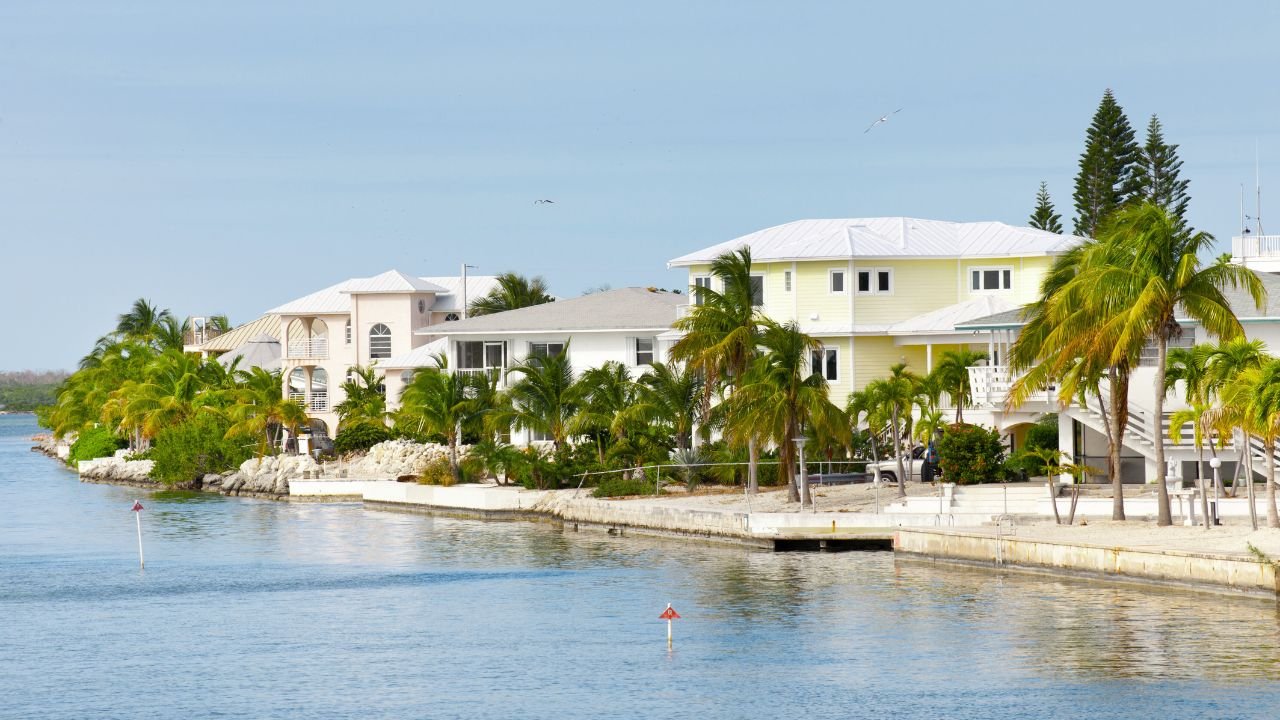
At Waterfront Foundation Systems, we recognize the unique challenges of constructing durable waterfront structures in Florida’s coastal environments. Our marine-grade concrete solutions are designed to withstand harsh conditions while enhancing the aesthetic appeal of both residential and commercial developments. As we explore innovative design solutions and successful project case studies, you’ll discover how our commitment to sustainability and structural integrity plays an essential role in protecting investments along the beautiful coastlines. So, what makes our approach stand out?
When we think about constructing robust waterfront structures, marine-grade concrete stands out as an essential material. This specialized concrete is designed to withstand harsh marine environments, including saltwater exposure and fluctuating temperatures. Its unique composition, often incorporating additives that enhance durability, helps prevent corrosion and degradation over time.
We’ve seen marine-grade concrete used in everything from docks to seawalls, providing the strength necessary to support heavy loads while resisting the damaging effects of water. Its versatility means it can be molded into various shapes and sizes, making it an ideal choice for custom projects.
What sets marine-grade concrete apart is its ability to maintain structural integrity even under challenging conditions. By choosing this material, we guarantee our waterfront structures not only meet current demands but also stand the test of time. Investing in marine-grade concrete means investing in the future of our waterfronts.
When we think about waterfront structures, durability is key to ensuring they withstand natural forces like storms and rising tides. Not only do strong structures save us money in the long run, but they also help protect our environment. Let’s explore why investing in durable foundations is essential for our coastal communities.
As we navigate the challenges posed by natural forces, the significance of resilient waterfront structures becomes increasingly clear. These structures aren’t just about aesthetics; they’re essential for protecting our investments and ensuring safety. When we choose durable materials and designs, we’re safeguarding against storms, flooding, and erosion. Strong foundations can withstand the relentless power of waves and currents, helping to maintain the integrity of our waterfronts. Furthermore, resilient structures promote community well-being by providing safe access to our beautiful coastlines. By prioritizing resilience in our waterfront projects, we’re not only enhancing longevity but also fostering a sense of security for future generations. Together, let’s commit to building waterfronts that stand strong against nature’s forces.
Investing in durable waterfront structures not only enhances resilience but also promotes long-term cost efficiency. When we choose high-quality materials and solid construction methods, we minimize maintenance and repair costs over time. Durable structures withstand harsh marine conditions, reducing the need for frequent replacements or extensive repairs. This means our initial investment pays off, as we save money in the long run. Additionally, when we consider the potential for increased property values, our well-built waterfront structures can yield significant returns. By prioritizing durability, we create a safe, functional space that stands the test of time. Ultimately, making informed decisions today can lead to substantial savings tomorrow, benefiting both us and our community.
Understanding the environmental impact of our waterfront structures is essential, especially since durable designs play a significant role in ecological preservation. When we choose robust materials like marine-grade concrete, we’re not just ensuring longevity; we’re also protecting our ecosystems. Durable structures resist erosion and reduce the need for frequent repairs, which can disrupt local habitats and waterways. By investing in high-quality foundations, we minimize waste and limit the carbon footprint associated with construction and maintenance. Additionally, these resilient designs help mitigate flooding and storm damage, safeguarding both our communities and natural resources. Together, we can create waterfronts that not only serve us well but also honor and protect the environment for future generations. Let’s prioritize sustainability in our waterfront projects.
While we often admire the beauty of coastal environments, they present numerous challenges that require our attention. The harsh saltwater conditions can accelerate corrosion in structures, which means we must choose materials wisely. Additionally, erosion poses a significant threat; it can weaken foundations and alter shorelines unexpectedly. We’ve also got to reflect on the impact of rising sea levels and increased storm intensity, which can lead to flooding and damage.
Moreover, the unique ecosystems in coastal areas demand that we carefully balance development with environmental preservation. It’s crucial to understand how our construction practices affect local wildlife and habitats. Finally, the logistical challenges of working in these dynamic environments can complicate project planning and execution. By acknowledging these challenges, we can work together to develop strategies that guarantee the longevity and resilience of our waterfront foundations while respecting the natural beauty that surrounds us.
As we explore innovative design solutions for waterfront foundation systems, we’ll consider advanced material selection that enhances durability and resilience. Custom structural engineering tailored to specific site conditions can greatly improve stability and performance. Additionally, integrating sustainable design practices guarantees that our projects not only meet current needs but also protect the environment for future generations.
When we explore advanced material selection for waterfront foundation systems, we reveal innovative design solutions that enhance durability and performance. Utilizing marine-grade concrete, we guarantee resistance against harsh environmental factors like saltwater and moisture. This concrete isn’t just robust; it’s designed to withstand the unique stresses our waterfront systems face. Additionally, we incorporate specialized additives that improve workability and longevity, reducing maintenance needs over time. By choosing high-strength materials, we optimize the structural integrity of our foundations, allowing them to support various loads safely. Ultimately, our commitment to selecting the right materials translates into long-lasting, reliable foundations that stand the test of time. Together, we can create resilient structures that thrive in challenging waterfront conditions.
Custom structural engineering plays a pivotal role in crafting innovative design solutions for waterfront foundation systems. We recognize that each project is unique, and our approach guarantees that we meet specific needs. Here are three key aspects we focus on:
Incorporating sustainable design practices into our waterfront foundation systems not only benefits the environment but also enhances the long-term viability of our projects. By utilizing marine-grade concrete, we guarantee durability and resilience against harsh marine conditions while reducing maintenance needs over time. We also prioritize materials sourced locally, minimizing transportation emissions and supporting our community.
Our design strategies include optimizing energy efficiency and integrating renewable resources wherever possible. We endeavor to create systems that work harmoniously with the natural environment, preserving local ecosystems.
Through these innovative solutions, we’re not just building foundations; we’re fostering a sustainable future. Together, we can create waterfront structures that stand the test of time while protecting the planet for generations to come.
As we begin our journey into residential waterfront projects, it’s essential to appreciate how these unique builds not only enhance the beauty of our surroundings but also elevate our living experience. Designing a waterfront home involves careful consideration, and we can focus on a few key aspects:
When we explore commercial waterfront developments, we discover how these projects can transform not only the landscape but also local economies. These developments create vibrant spaces that attract businesses, boost tourism, and enhance community engagement. By integrating retail, dining, and recreational facilities, we’re able to provide residents and visitors with diverse experiences right by the water.
Moreover, commercial waterfront projects often prioritize sustainability, using innovative designs and materials that protect the environment while maximizing functionality. This commitment to eco-friendly practices guarantees that we’re not only building for today but for future generations as well.
As we invest in these waterfront areas, we’re also creating jobs and increasing property values, which benefits everyone in the community. Ultimately, successful commercial waterfront developments serve as a catalyst for growth, enriching our surroundings and fostering a sense of pride among residents. Together, we can shape our waterfronts into thriving hubs of activity and opportunity.
With the growth of commercial waterfront developments, the need for robust public infrastructure becomes increasingly apparent. We recognize that marine-grade concrete plays a crucial role in ensuring durability and resilience in our coastal environments. Here are three key advantages of using marine-grade concrete in public infrastructure:
While traditional construction methods have their merits, we’re increasingly turning to advanced construction techniques to enhance the efficiency and quality of waterfront developments. Techniques like 3D modeling and Building Information Modeling (BIM) allow us to visualize projects in detail before we even break ground. This not only helps in identifying potential challenges but also streamlines collaboration among our team, ensuring everyone’s on the same page.
We’re also adopting modular construction, where components are pre-fabricated off-site and then assembled on location. This reduces construction time and minimizes disruption to the surrounding environment. Additionally, we’re utilizing drone technology for site surveys, which gives us accurate data without the need for extensive manual labor.
As we explore Quality Assurance and Standards, we’ll highlight the importance of industry compliance regulations in guaranteeing safety and reliability. We’ll also discuss how material durability testing and effective quality control processes play vital roles in our foundation systems. Together, we can make certain that our waterfront projects meet the highest standards.
To guarantee the integrity and safety of waterfront foundation systems, we must adhere to industry compliance regulations that govern quality assurance and standards. These regulations ascertain that our projects meet strict guidelines for performance and durability. Here are three key aspects we focus on:
Adhering to industry compliance regulations lays the groundwork for rigorous material durability testing, which is essential for ensuring longevity and resilience in waterfront foundation systems. We recognize that the materials we use must withstand harsh marine environments, so we employ a variety of tests to assess their performance. These tests evaluate resistance to corrosion, freeze-thaw cycles, and water permeability, ensuring our concrete can handle the unique challenges of waterfront applications. By systematically analyzing these factors, we can identify potential weaknesses before they become critical issues. Ultimately, our commitment to durability testing reflects our dedication to delivering high-quality foundation systems that stand the test of time, providing peace of mind for our clients and stakeholders alike.
Quality control processes are essential to our commitment to excellence in waterfront foundation systems. We believe that maintaining high standards guarantees the durability and reliability of our projects. Here’s how we achieve this:
While we explore waterfront foundation systems, it is vital to contemplate their environmental impact. We recognize that construction and marine-grade concrete can affect local ecosystems, particularly in sensitive coastal areas. By using sustainable practices, we can minimize these effects. For instance, selecting materials that are less harmful to aquatic life is key.
Additionally, we should consider the long-term durability of our foundations. Robust systems reduce the need for frequent repairs, which can further disturb the environment. We can also promote responsible waste management during construction, ensuring that debris doesn’t pollute waterways.
Lastly, let’s embrace innovative technologies that enhance efficiency and reduce our carbon footprint. By making informed choices, we can strike a balance between building resilient waterfront structures and protecting our precious ecosystems. Together, we can pave the way for more sustainable construction practices that benefit both our communities and the environment.
As we prioritize environmental responsibility in waterfront construction, it’s also important to assess the cost-effectiveness of marine-grade solutions. Investing in these materials can actually save us money in the long run. Here are three key points to evaluate:
Now, let’s explore some case studies that showcase innovative waterfront solutions and durable marine-grade applications. We’ll highlight notable projects and their outcomes, demonstrating the effectiveness of these systems in real-world scenarios. By examining these examples, we can better understand the impact of our approaches on waterfront foundations.
Innovative waterfront solutions have transformed urban landscapes, proving that with the right approach, we can harmonize development and environmental sustainability. We’ve seen remarkable projects that showcase this potential:
These case studies highlight how innovative design can make a difference. As we continue to embrace these solutions, we shape healthier, more resilient waterfronts that benefit both people and nature. Let’s keep pushing for these advancements!
The success of waterfront projects often hinges on the use of durable marine-grade applications that withstand the harsh conditions of coastal environments. We’ve seen firsthand how these materials can make a difference in various projects. For instance, in a recent marina construction, we utilized marine-grade concrete that effectively resisted saltwater corrosion, ensuring the longevity of the structures. Another project involved the installation of seawalls that not only protected the shoreline but also enhanced the aesthetics of the area. By employing advanced techniques and materials tailored for marine settings, we’ve consistently delivered results that meet both functional and environmental needs. These case studies highlight the importance of choosing the right applications to achieve lasting, reliable outcomes for our waterfront endeavors.
As we reflect on our recent waterfront projects, several case studies stand out, showcasing our commitment to excellence and innovation. Here are some highlights:
Each project reflects our dedication to using advanced materials and techniques, ensuring that our waterfront systems not only meet but exceed expectations. We’re proud to contribute to sustainable infrastructure that stands the test of time.
When clients share their experiences with Waterfront Foundation Systems, we’re reminded of the impact our work has on their lives. Many express relief and satisfaction after seeing their waterfront projects transform from mere ideas into sturdy realities. They often highlight our attention to detail and commitment to quality, which reassures them that their investments are sound.
We’ve heard clients say how our team’s expertise in marine-grade concrete not only enhances the durability of their structures but also elevates their property’s aesthetic appeal. Some have mentioned how our proactive communication kept them informed and engaged throughout the process, making it a collaborative experience.
It’s truly gratifying to know that our efforts result in stronger foundations for families and businesses alike. We value this feedback immensely, as it drives us to continually improve and provide the best service possible. Your trust motivates us to build even better futures together.
Client feedback inspires us to look ahead at the future of waterfront construction. We’re excited about the possibilities that lie ahead, driven by innovation and sustainability. Here’s what we see shaping our industry:
Eco-Friendly Materials: We’ll be incorporating more sustainable and marine-grade materials that can withstand harsh environments while reducing environmental impact.
Advanced Technology: The use of drones and 3D modeling tools will enhance our project planning and execution, making it more efficient and precise.
Resilience to Climate Change: We’re committed to developing designs that not only withstand rising water levels but also adapt to changing weather patterns.
How can we assist you with your waterfront foundation needs? At Waterfront Foundation Systems, we’re dedicated to providing tailored solutions for your unique projects. Whether you’re looking for marine-grade concrete installations or need advice on maintenance, we’re here to help.
Reaching out to us is simple. You can contact our friendly team via phone or email, and we’re always ready to answer your questions. If you prefer, visit our website to fill out a contact form—it’s quick and easy!
We understand that your time is valuable, so we work hard to respond promptly to all inquiries. Your waterfront foundation deserves the best, and we’re committed to delivering just that.
Let’s collaborate to guarantee your project stands strong against the elements. Don’t hesitate to reach out; together, we can bring your vision to life with the most reliable foundation systems available.
Marine-grade concrete structures typically have a lifespan of 50 to 100 years, depending on various factors like environmental conditions and maintenance. We believe this durability comes from its resistance to saltwater, chemicals, and weathering. Regular inspections and repairs can extend its lifespan even further. By prioritizing quality construction and proper care, we can guarantee that these structures serve us well for generations to come. Let’s make the most of our investment in marine-grade concrete!
Marine-grade concrete masterfully combats saltwater corrosion through its special blend of ingredients. We’ve learned that its dense and durable structure limits water penetration, while the added admixtures enhance its resistance to chlorides. This clever combination creates a formidable fortress against the damaging effects of salt. By entrapping harmful substances, marine-grade concrete guarantees longevity and strength, giving us the confidence that our structures can brave the relentless ocean’s embrace for years to come.
Yes, there are specific maintenance requirements for marine-grade concrete. We should regularly inspect for cracks or surface damage, as these can allow water infiltration. Cleaning the surface helps prevent algae and other growths that can compromise integrity. Additionally, we should seal the concrete periodically to enhance its resistance to saltwater and other environmental factors. By staying proactive with these measures, we can extend the lifespan and durability of our marine-grade concrete structures.
When we think of marine-grade concrete, it’s like a sturdy ship weathering a storm. Typically, we find that curing time ranges from 7 to 28 days, depending on various factors like temperature and humidity. During this time, the concrete hardens and gains strength, ensuring it’s ready to face the waves. We should always keep an eye on the environment to achieve the best results, as every detail counts in this process.
Yes, we can definitely use marine-grade concrete in freshwater environments. Its composition makes it resistant to water, so it performs well even in less salty conditions. We’ve seen it hold up effectively in lakes and rivers, providing durability and strength. However, we should always consider the specific project requirements and local conditions to guarantee peak performance. Overall, marine-grade concrete is versatile enough for both marine and freshwater applications.
 Call Now