It’s interesting how many people overlook concrete frame construction, yet it plays a vital role in modern architecture. As a team, we’ve seen its benefits firsthand in various projects across Florida. This method not only guarantees durability but also offers design flexibility. If you’re curious about how our Structural Concrete Squad can elevate your next project, you’ll want to explore the innovative techniques and materials that set us apart.
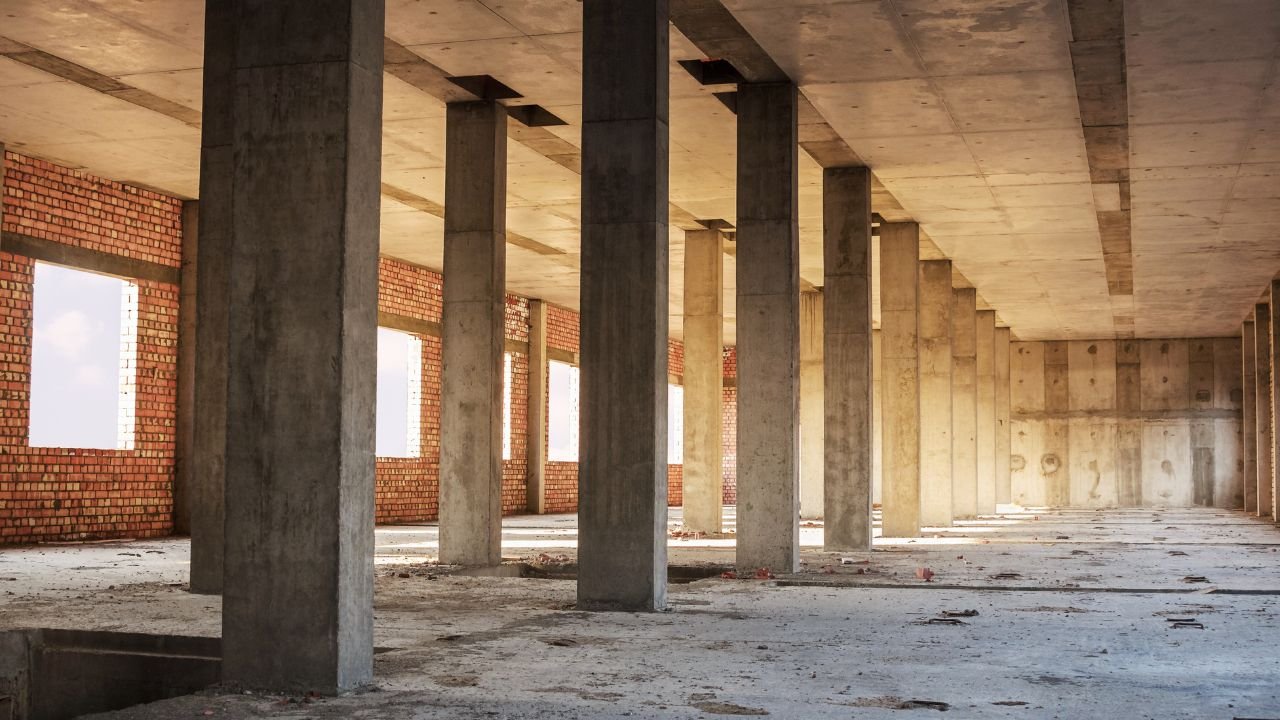
Concrete frame construction is a widely used method in modern building design, combining strength and flexibility. This technique involves creating a structural framework using reinforced concrete columns and beams, allowing for large open spaces and diverse architectural designs. We often see this approach in commercial buildings, residential projects, and even high-rise structures.
The process begins with the installation of vertical columns, which support horizontal beams. These elements work together to distribute loads efficiently, ensuring stability and durability. As we incorporate concrete floors and walls, the overall structure gains added strength while maintaining a lightweight feel.
One of the key aspects of concrete frame construction is its adaptability. We can easily modify designs to suit specific project needs, making it a versatile choice for various applications. Understanding this foundational method sets the stage for appreciating its many benefits in the area of construction.
The advantages of concrete frame construction are numerous, making it a popular choice for builders and architects alike. We can appreciate its durability, cost-effectiveness, and design flexibility. These benefits not only enhance the structure’s longevity but also contribute to its overall functionality.
| Benefit | Description | Impact |
|---|---|---|
| Durability | Resists wear and environmental factors | Longer lifespan of structures |
| Cost-effectiveness | Lower maintenance costs | Reduced overall expenses |
| Design flexibility | Allows for diverse architectural styles | Creative and unique buildings |
With concrete frames, we can create larger open spaces without compromising stability. This adaptability leads to innovative designs that can meet various needs. Overall, concrete frame construction provides a solid foundation for modern buildings, making it a smart choice for any project.
While overseeing a construction project, we often rely on the expertise of the structural concrete squad to guarantee that every aspect of the build meets rigorous standards. This dedicated team plays a critical role in safeguarding the integrity and durability of our structures. They’re responsible for everything from evaluating site conditions to selecting the right mix of concrete for our specific needs.
By closely collaborating with architects and engineers, the squad guarantees that designs are not only aesthetically pleasing but also structurally sound. Their attention to detail during the pouring, curing, and finishing processes is crucial to achieving the desired strength and performance of the concrete.
Moreover, they stay updated on industry standards and best practices, which helps us avoid costly mistakes and delays. Ultimately, the structural concrete squad is fundamental for creating safe, reliable buildings that stand the test of time, reinforcing our commitment to quality in every project we undertake.
As we explore key techniques in concrete frame construction, it is essential to recognize how these methods enhance the overall stability and efficiency of our projects. One effective technique is the use of modular forms, which allows us to streamline the pouring process and maintain consistent dimensions. We also prioritize the integration of high-strength concrete, which boosts load-bearing capacities while reducing material use.
Moreover, we implement advanced reinforcement strategies, like using steel bars or mesh, to further strengthen our frames against lateral forces. Another technique involves precise alignment and leveling during installation, ensuring that each element supports the others effectively.
Finally, we emphasize quality control throughout the construction process, regularly checking material integrity and adherence to design specifications. By employing these techniques, we create resilient structures that stand the test of time, ultimately delivering better value and safety to our clients.
As we explore material selection for concrete frames, we need to contemplate various types of concrete and their specific properties. We’ll also evaluate our choices for reinforcement materials, keeping in mind the importance of durability and sustainability in our projects. Together, we can make informed decisions that enhance the performance and longevity of our structures.
Selecting the right type of concrete is essential for constructing durable and efficient concrete frames. We often consider factors like strength, workability, and environmental conditions. For instance, normal-strength concrete is great for most applications, while high-strength concrete offers enhanced durability for heavy loads.
We might also explore lightweight concrete, which reduces overall weight without sacrificing strength, making it ideal for specific projects. In contrast, self-consolidating concrete flows easily into forms, minimizing labor and ensuring uniformity.
Additionally, special types like fiber-reinforced concrete can improve crack resistance and enhance longevity. By understanding these options, we can make informed decisions that meet our project’s needs, ensuring the longevity and safety of the structures we build.
When we consider reinforcement materials for concrete frames, choosing the right options can considerably impact the strength and durability of our structures. It’s essential to select materials that not only meet our project’s requirements but also resonate with our commitment to quality. Here are some key choices we often explore:
Considering durability and sustainability in our material selection for concrete frames is essential for creating long-lasting structures that minimize environmental impact. By choosing high-quality materials, we’re not just ensuring that our frames withstand the test of time, but also that they contribute positively to the environment. For instance, using recycled aggregates and supplementary cementitious materials can enhance the strength of concrete while reducing carbon emissions. Additionally, we should evaluate the lifecycle of our materials, from production to disposal, ensuring they’re energy-efficient and recyclable. Ultimately, it’s about striking a balance—prioritizing performance without compromising our planet. By making informed choices, we can deliver concrete frames that are both resilient and sustainable, paving the way for a greener future in construction.
Although concrete is often perceived as a rigid material, it actually offers remarkable design flexibility for structures. We can create innovative designs that cater to various aesthetic and functional needs, making concrete a versatile choice for architects and builders alike. Here are four ways concrete showcases its design flexibility:
Incorporating concrete enables us to push the boundaries of design while maintaining structural integrity.
As we explore sustainability in concrete frame construction, we’re enthusiastic to highlight the eco-friendly materials that can reduce our environmental footprint. We’ll also discuss how energy efficiency benefits not only the planet but also our bottom line. Additionally, we’re keen to share effective waste reduction strategies that contribute to a more sustainable building process.
Incorporating eco-friendly materials into concrete frame construction not only enhances sustainability but also minimizes our environmental footprint. By choosing sustainable options, we’re making a conscious effort to protect our planet for future generations. Here are some materials we can utilize:
Each choice reflects our commitment to a greener future, making our concrete frame projects not just sturdy but also environmentally responsible. Together, we can build a better world!
When we prioritize energy efficiency in concrete frame construction, we not only reduce operational costs but also enhance the overall sustainability of our buildings. By incorporating high-insulation materials and energy-efficient systems, we can considerably lower energy consumption. These strategies help maintain comfortable indoor temperatures, which means less reliance on heating and cooling systems. Furthermore, concrete’s thermal mass allows it to absorb and release heat, stabilizing building temperatures throughout the day. This means our structures can operate efficiently across various climates. Additionally, energy-efficient designs often lead to improved air quality and natural lighting, creating healthier environments for occupants. By embracing these practices, we’re not just building structures; we’re fostering a sustainable future for our communities.
Building on our commitment to sustainability, implementing waste reduction strategies in concrete frame construction can greatly enhance our environmental impact. By focusing on reducing waste, we not only save resources but also contribute to a healthier planet. Here are some effective strategies we can adopt:
Together, we can make a significant difference in promoting sustainability in our industry.
Concrete frame construction has proven successful in various projects around the world, showcasing its versatility and strength. One notable example is the Burj Khalifa in Dubai, where a concrete frame supports the world’s tallest building, demonstrating incredible height and stability. Similarly, the Sydney Opera House employs a concrete frame to provide a solid foundation for its iconic design, blending artistry with structural integrity.
Closer to home, we can look at the Orlando City Soccer Stadium, where the concrete frame allowed for a rapid build while ensuring durability against Florida’s weather. These case studies illustrate how concrete frames can accommodate diverse architectural styles and meet rigorous safety standards.
The impressive achievements in projects like the Burj Khalifa and the Sydney Opera House not only highlight the structural capabilities of concrete frames but also their cost-effectiveness. When we consider concrete frame buildings, we see a blend of durability and economic sense that appeals to many developers and investors. Here’s why:
Safety in construction isn’t just a priority; it’s a necessity. In concrete frame construction, adhering to safety standards guarantees that both workers and future occupants are protected. We all know that risks can arise from various factors, including equipment use, material handling, and environmental conditions. That’s why we must follow established guidelines, like those set by OSHA and ACI, which provide protocols for safe work practices.
Regular training sessions keep our team informed about these safety standards and the latest innovations in construction safety. We also conduct routine inspections to identify potential hazards before they become issues. Personal protective equipment (PPE) plays a vital role as well, guaranteeing everyone has the right gear to work safely on-site. By prioritizing adherence to safety standards, we safeguard our crew and enhance the overall integrity of our concrete projects, fostering a culture of safety that benefits everyone involved.
While we’ve established the importance of safety standards in concrete construction, we can’t overlook the challenges that come with concrete frame construction itself. These hurdles can impact our projects considerably, and understanding them is vital for success.
As we explore innovations in concrete technology, we’re excited to see how advancements can address the challenges we’ve faced in concrete frame construction. New materials, such as self-healing concrete and ultra-high-performance concrete (UHPC), are changing the game. These innovations enhance durability and sustainability while reducing maintenance costs.
Here’s a quick look at some key innovations:
| Innovation | Benefits | Applications |
|---|---|---|
| Self-Healing Concrete | Repairs cracks autonomously | Infrastructure, pavements |
| Ultra-High-Performance Concrete | Increased strength and durability | Bridges, skyscrapers |
| 3D Printed Concrete | Reduced waste and labor costs | Custom structures |
| Green Concrete | Eco-friendly materials | Residential buildings |
| Fiber-Reinforced Concrete | Improved tensile strength | Heavy-duty structures |
Looking ahead, we can see that the future of concrete frame construction is poised for transformation through technology and sustainable practices. As we embrace these advancements, we’re not just building structures; we’re shaping a better world for future generations. Here are some exciting developments we can anticipate:
Together, we can look forward to a concrete future that’s not only innovative but also responsible, ensuring that our structures stand the test of time while caring for our planet.
False. When we reflect on our journey in concrete frame construction, we can’t help but share the incredible stories from our clients. Each project isn’t just a structure; it’s a representation of collaboration and trust. One client, for instance, marveled at how quickly we transformed their vision into reality. They appreciated our attention to detail and the seamless communication throughout the process.
Another success story involves a commercial space that exceeded the client’s expectations, both aesthetically and structurally. They highlighted how our team’s expertise made all the difference, ensuring the project was completed on time and within budget.
These testimonials fuel our passion and commitment to delivering exceptional results. We take immense pride in the positive impact we’ve had on our clients’ lives and businesses. It’s stories like these that inspire us to continue pushing the boundaries of what concrete frame construction can achieve.
To kick off our project, we need to clearly define our goals to guarantee we’re all on the same page. Next, we should choose the right materials that fit our vision and budget. Finally, hiring experienced professionals will help us bring our plans to life efficiently and effectively.
When we begin a concrete frame construction project, it’s crucial to clearly define our goals right from the start. This clarity helps us stay focused and motivated throughout the process. Here are some key goals we should consider:
As we commence our concrete frame construction project, selecting the right materials becomes essential for achieving our goals. The materials we choose impact the durability, safety, and overall aesthetic of our structure. Let’s consider factors like strength, cost, and maintenance when making our selections.
Here’s a quick reference table to help us decide:
| Material Type | Benefits | Considerations |
|---|---|---|
| Concrete | High strength, durable | Curing time needed |
| Steel | Flexible design | Cost fluctuations |
| Wood | Natural insulation | Susceptible to pests |
Finding the right team of experienced professionals is vital for the success of our concrete frame construction project. When we commence this journey together, we’ll want to guarantee our team possesses the knowledge and skills to bring our vision to life. Here are a few key things we should consider when hiring:
Imagine we’re building a time machine. A typical concrete frame construction project usually spans 6 to 12 months, depending on the project’s size and complexity. We start with site preparation, then move to pouring the foundation and erecting the frame. After that, we focus on floors and walls. Each phase overlaps a bit, keeping everything on track. Communication’s key, so we’ll guarantee everyone stays informed throughout the process, making it smooth and efficient.
Weather can greatly impact our concrete frame construction schedules. Rain can delay pouring and curing, while extreme heat or cold can affect the setting process. We always monitor forecasts closely, adjusting our timelines as necessary to guarantee quality and safety. If conditions get too severe, we sometimes pause work to prevent structural issues down the line. Staying flexible helps us manage these challenges effectively and keep our projects on track.
Yes, there are specific permits required for concrete frame buildings. We need to obtain building permits, zoning approvals, and possibly environmental permits, depending on the project’s location. Each municipality has its own regulations, so it’s vital we check local requirements. Additionally, inspections throughout the construction process are often mandatory to guarantee compliance. By maneuvering through these permits properly, we can help secure a smoother construction process and avoid potential delays.
Like a well-tuned machine, concrete frame structures require regular maintenance to function at their best. We should inspect them periodically for cracks, moisture infiltration, and structural integrity. Keeping drainage systems clear and addressing any settling issues promptly is essential. Regular cleaning and applying protective coatings can prevent deterioration. By doing these routine checks and repairs, we guarantee our concrete frames stand strong against the test of time, preserving their durability and safety.
To guarantee quality control during construction, we should establish clear standards and procedures from the start. Regular inspections at each phase are essential, as is keeping open communication among our team. We can implement checklists to track compliance and utilize skilled workers who understand quality expectations. Additionally, we need to encourage a culture of accountability, where everyone feels responsible for maintaining high standards throughout the project. This way, we can achieve consistent results.
 Call Now