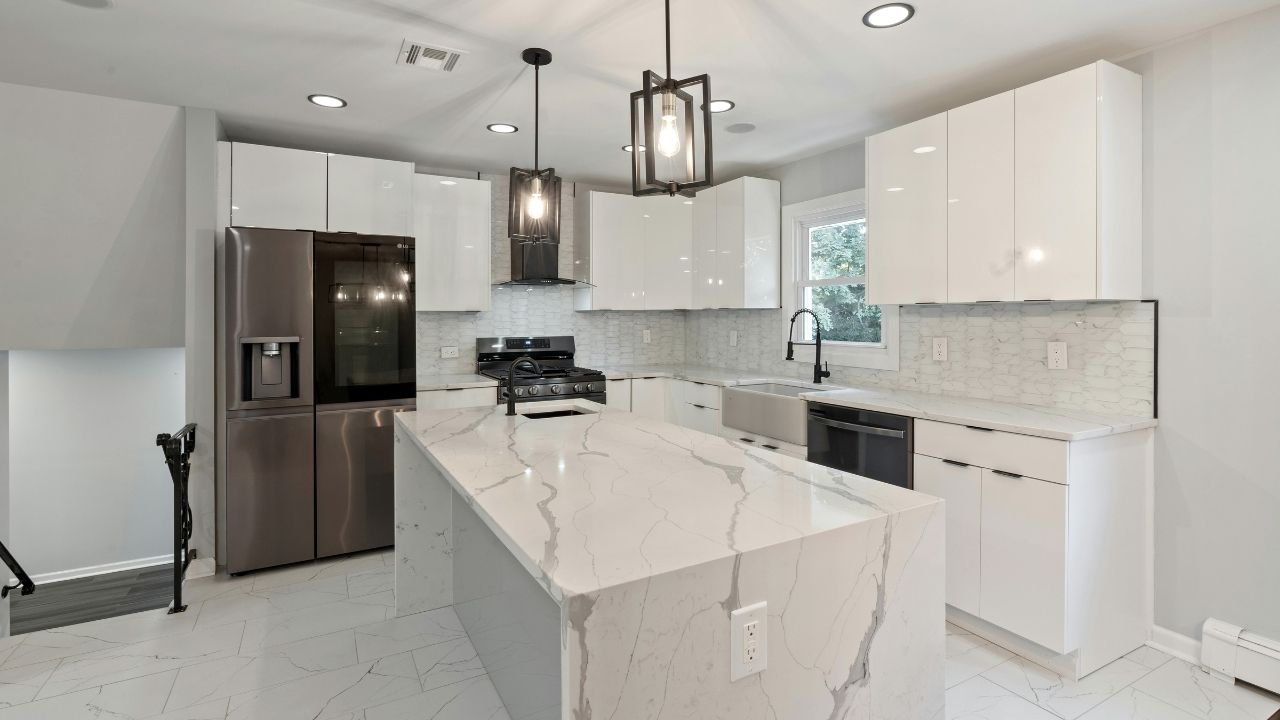
When it comes to enhancing our kitchen spaces, concrete countertops offer a unique blend of durability and style. At Custom Kitchen Concrete Squad in Florida, we pride ourselves on delivering exceptional craftsmanship tailored to your needs. From selecting the right mix to exploring various design options, we guide you every step of the way. Let’s explore how we can transform your kitchen with stunning concrete surfaces that reflect your personal taste.
When we consider kitchen or bathroom renovations, concrete countertops often stand out due to their unique blend of durability and aesthetic appeal. One of the most significant benefits we find is their resilience; concrete withstands heat, scratches, and stains better than many other materials. This means we can enjoy our spaces without constantly worrying about damage.
Additionally, concrete countertops offer endless customization options. We can choose colors, textures, and finishes that align perfectly with our design vision. They can even be molded to fit any shape, making them a versatile choice for any layout.
Another advantage is the eco-friendliness of concrete, especially when we use recycled materials in the mix. This not only reduces waste but also supports sustainable practices. Overall, the combination of durability, customization, and environmental benefits makes concrete countertops an excellent choice for enhancing our kitchen or bathroom spaces.
When it comes to designing our concrete surfaces, we have so many exciting options to contemplate. From vibrant color choices to unique textures and edge styles, we can truly make our countertops one-of-a-kind. Let’s explore these design possibilities together and find the perfect fit for our space!
How can we transform the look of our concrete countertops to match our unique style? One of the most exciting aspects of concrete is its flexibility in color customization. We can choose from a wide range of hues, whether we want vibrant colors that make a statement or soft neutrals that blend seamlessly with our decor. Stains, dyes, and integral pigments give us the ability to create a rich palette, allowing for personalized designs that reflect our tastes. Additionally, we can mix colors to achieve a unique, marbled effect, further enhancing the visual appeal. Ultimately, the color choices we make can dramatically influence the overall ambiance of our kitchen, making it truly our own.
While we often focus on color when it comes to concrete countertops, the texture and finish options can greatly enhance their overall aesthetic and functionality. Choosing the right finish can transform a concrete surface from ordinary to extraordinary. We can opt for a smooth, polished look for a sleek, modern vibe, or go for a more rustic, matte finish that adds warmth. Texturing techniques like broom finishes or stamped patterns can introduce depth and character, making each countertop unique. Additionally, applying sealants not only protects the surface but also enhances the texture. By carefully considering these options, we can create a stunning centerpiece in our kitchen that reflects our personal style while remaining practical for everyday use.
Building on the texture and finish options we’ve explored, the shape and edge styles of concrete countertops play a significant role in their overall design and functionality. We can choose from various shapes, such as rectangular, rounded, or even custom designs that fit your kitchen’s layout. The edges also offer a wealth of options, from straight and sleek to more intricate profiles like bullnose or beveled edges.
These choices enhance not just aesthetics but also usability, as certain edge styles can provide a softer feel and reduce chipping. By considering both shape and edge styles, we can create a countertop that’s not only visually appealing but also practical for daily use. Let’s explore the possibilities together!
Now that we’ve explored design options, let’s walk through the installation process. First, we need to focus on preparation and planning, ensuring everything’s in place before we start. Then, we’ll move on to pouring and curing the concrete for a stunning, durable finish.
Before we plunge into the installation process, it’s essential to prepare and plan thoroughly to guarantee a successful outcome. First, we need to assess the space where the countertop will be installed. Taking accurate measurements guarantees everything fits perfectly. Next, we should select the appropriate concrete mix and color that aligns with our design vision. It’s also critical to gather all necessary tools and materials beforehand, so we’re not scrambling mid-project. Additionally, we’ll want to take into account the weight of the concrete; ensuring our cabinets can support it is significant. Finally, discussing the timeline with everyone involved helps set clear expectations. By following these steps, we lay a solid foundation for a smooth installation process.
As we begin the pouring and curing process, it’s essential to maintain a steady hand and focus on our technique to achieve a flawless finish. We start by mixing the concrete to the right consistency, ensuring it’s not too runny or too thick. Next, we carefully pour the mixture into our mold, taking care to eliminate air bubbles by using a vibrator or tapping the sides of the mold. Once poured, we smooth the surface with a trowel for an even finish. After that, we let the countertop cure. This typically takes about 24 to 48 hours for initial setting, but we’ll avoid heavy use for a week to allow it to fully harden. With patience, we can create a stunning, durable countertop.
Selecting the right mix for our concrete countertops is vital to achieving both durability and aesthetic appeal. A good mix not only guarantees longevity but also enhances the overall look of our kitchen. Here’s a quick overview of some common mix components we can consider:
| Component | Purpose | Recommended Ratio |
|---|---|---|
| Portland Cement | Primary binding agent | 1 part |
| Aggregates | Provides strength and texture | 2 parts (coarse) |
| Water | Activates the cement | 0.5 parts |
When we mix these elements, we need to keep in mind that the balance is vital. Too much water can weaken the structure, while too little can make the mix hard to work with. By carefully choosing our mix, we’re setting the foundation for a stunning and robust countertop that stands the test of time.
How can we elevate the appeal of our concrete countertops? One of the most exciting aspects of concrete is its versatility in color and texture. By customizing these elements, we can create a truly unique look that complements our kitchen’s design. We can choose from a wide range of pigments, allowing us to achieve anything from earthy tones to vibrant hues. Mixing different colors can also produce stunning marbled effects, adding depth to our countertops.
Texture plays a vital role too. We can opt for a smooth finish for a modern aesthetic or a more rustic, textured surface to add character. Techniques like stamping or grinding can help us achieve the desired finish.
Ultimately, the combination of color and texture allows us to personalize our concrete countertops, ensuring they reflect our style and enhance our space beautifully. Let’s explore these options to create our dream kitchen!
When we compare concrete countertops to other materials, what makes them stand out? First, their versatility is unmatched. We can customize colors, textures, and shapes to fit any kitchen design, something that’s harder to achieve with natural stone or laminate. Next, concrete offers a unique aesthetic that’s both modern and industrial, appealing to many homeowners.
Durability is another key factor; concrete countertops can withstand heat, scratches, and heavy use better than wood or certain synthetic materials. While granite may chip, concrete can be repaired easily, maintaining its sleek appearance over time.
Price-wise, concrete can be more economical than high-end stone options, especially when considering its longevity. Finally, it’s eco-friendly when made with sustainable practices, making it a great choice for environmentally conscious consumers. To conclude, concrete countertops offer an attractive blend of style, strength, and sustainability that truly sets them apart.
To keep our concrete countertops looking great for years, we need to establish a regular sealing schedule. It’s also important to avoid harsh cleaners that can damage the surface. By following these simple tips, we can guarantee our countertops stay in top shape.
Maintaining the beauty and durability of our concrete countertops requires a regular sealing schedule. We recommend sealing our countertops every six to twelve months, depending on usage and exposure to moisture. This process protects the surface from stains and moisture penetration, ensuring they last longer and look great.
To seal, we should first clean the surface thoroughly, removing any debris or spills. After it’s dry, we can apply a high-quality concrete sealer with a sponge or roller, following the manufacturer’s instructions for best results.
Once sealed, it’s essential to monitor the surface regularly for any signs of wear or damage. By committing to this routine, we can preserve the elegance of our countertops for years to come.
Many homeowners underestimate the impact of harsh cleaners on concrete countertops. It’s easy to think that stronger products will do a better job, but these cleaners can actually harm the surface, stripping away sealers and causing discoloration. Instead, let’s opt for gentle, pH-balanced soaps and warm water for our regular cleaning routine. Microfiber cloths are great for wiping away spills and grime without scratching the surface. If we encounter stubborn stains, a paste of baking soda and water can work wonders without damaging the concrete. By avoiding harsh chemicals, we’ll not only preserve the beauty of our countertops but also extend their lifespan. Our careful choices will keep our concrete surfaces looking fantastic for years to come.
Have you ever wondered about the myths surrounding concrete countertops? We often hear that they’re too heavy for cabinets, but that’s simply not true. Most cabinets can easily support the weight, especially with proper installation. Another common myth is that concrete countertops are prone to cracking. While they can crack, proper reinforcement and maintenance go a long way in minimizing this risk. Some folks believe they’re only for modern kitchens, but their versatility allows them to fit any style, from rustic to contemporary. Finally, many think they’re difficult to maintain. In reality, sealing them properly makes them just as manageable as any other countertop material. By understanding these myths, we can appreciate the true potential of concrete countertops and make informed decisions for our kitchens. Let’s embrace the unique charm and durability they offer!
While we often think about aesthetics and functionality when choosing countertops, the eco-friendly aspects of concrete deserve our attention as well. Concrete is made from abundant natural materials, and its production process has greatly evolved to reduce environmental impact. By choosing locally sourced aggregates, we not only support local economies but also minimize transportation emissions.
Additionally, concrete countertops can last a lifetime, reducing the need for replacements and conserving resources. Their thermal mass properties help regulate indoor temperatures, potentially lowering energy costs for heating and cooling.
We also have the option to incorporate recycled materials, like glass or metal, in our concrete mixes, further enhancing sustainability. Plus, concrete is easy to clean and maintain without harsh chemicals, promoting a healthier home environment. By considering these eco-friendly aspects, we can make informed choices that benefit both our homes and the planet.
When we consider installing concrete countertops, it’s crucial to evaluate the associated costs upfront. The price can vary considerably based on factors like the complexity of the design, the type of finish, and the installation method. On average, we might expect to spend between $70 to $150 per square foot. If we opt for custom designs or intricate features, costs can rise even higher.
Additionally, we should factor in expenses for labor, materials, and any necessary tools. Hiring professionals can guarantee quality installation, but it also adds to our budget. Don’t forget the costs of transportation and any potential permits we might need.
Before we plunge in, let’s take the time to outline our budget carefully. Understanding these cost considerations will help us make informed decisions, making sure we achieve that beautiful concrete countertop while staying on track financially.
When it comes to concrete countertops, sealing is essential for ensuring their durability. We’ll explore the different types of sealants available and how regular maintenance can help keep our countertops looking great for years to come. Understanding these aspects will empower us to make informed choices for our installations.
Sealing concrete countertops is vital for enhancing their durability and longevity. By applying a high-quality sealant, we protect the surface from stains, moisture, and harmful bacteria. This not only keeps our countertops looking pristine but also guarantees they can withstand daily wear and tear. Without a proper seal, concrete can absorb liquids, leading to unsightly stains and potential damage over time. Additionally, sealing helps prevent cracking and chipping, which can occur due to temperature fluctuations or heavy use. We want our beautiful concrete countertops to last, and sealing is an important step in that process. So, let’s prioritize sealing to enjoy our countertops for years to come, maintaining their beauty and functionality.
Choosing the right sealant is essential for maximizing the durability of our concrete countertops. Sealants not only enhance the appearance but also protect against stains, moisture, and wear. Let’s explore some common types:
| Sealant Type | Benefits |
|---|---|
| Acrylic | Easy application, UV resistant |
| Epoxy | High durability, waterproof |
| Polyurethane | Flexible, resistant to chemicals |
| Penetrating | Deep protection, natural look |
| Varnish | Glossy finish, easy to maintain |
Maintaining our concrete countertops is essential if we want to guarantee their longevity and appearance. One of the key aspects of this maintenance is sealing. Regularly applying a high-quality sealant protects against stains, moisture, and scratches, preserving the surface’s beauty and functionality. We should aim to re-seal our countertops every 1 to 3 years, depending on usage and wear.
When cleaning, it’s important to use gentle, non-abrasive cleaners to avoid damaging the sealant. Avoid harsh chemicals, as they can break down the protective layer. By staying proactive with sealing and cleaning, we not only enhance the durability of our countertops, but we also keep them looking fresh and inviting for years to come. Let’s prioritize this care to enjoy our beautiful surfaces!
While we may love the aesthetic appeal of concrete countertops, their resilience against scratches and heat truly sets them apart in functionality. When we choose concrete, we’re opting for a surface that can withstand daily wear and tear. Unlike other materials, concrete countertops resist scratches from knives and other kitchen tools, making them ideal for those who love to cook.
Moreover, we don’t have to worry about heat damage when we place hot pots or pans directly on the surface. Concrete can handle high temperatures without warping or discoloration. This durability means we can be more carefree in our kitchen activities, knowing our countertops will remain intact.
Of course, it’s important to apply a proper sealant during installation to enhance this resilience. With the right care, our concrete countertops can continue to perform beautifully, standing strong against the demands of our busy kitchens.
How can we elevate the look of our kitchens with style and sophistication? One exciting way is through the installation of concrete countertops. These countertops offer a unique blend of modern aesthetics and durability, instantly transforming our kitchen space. With various finishes and colors, we can customize them to match our personal style, whether we prefer a sleek, polished look or a more rustic, textured appearance.
Concrete’s versatility allows us to create seamless designs that enhance our kitchen’s flow. Imagine how a stunning concrete island can serve as a focal point, drawing attention and sparking conversation. Plus, concrete surfaces can be integrated with other materials like wood or metal, adding depth and character to our design.
When we hear from customers about their experiences with concrete countertops, it’s clear that these installations not only enhance their kitchens but also spark joy and satisfaction. Many of our clients share how their new countertops have become the centerpiece of their homes, drawing compliments from family and friends. One customer mentioned, “I never knew concrete could look so stunning!” They were thrilled with the customization options, allowing them to choose colors and textures that matched their style perfectly.
Others have expressed relief at the durability of their countertops, with one saying, “These surfaces can handle anything my family throws at them!” We love hearing how our installations not only meet but exceed expectations, transforming kitchens into functional and beautiful spaces. It’s truly rewarding to know we’ve played a part in creating these happy experiences, and we can’t wait to help more families achieve their dream kitchens.
Getting started with your concrete countertop project is easier than you might think. First, we’ll want to gather inspiration and decide on the style that suits your kitchen. Look at colors, textures, and finishes that appeal to you. Next, we should measure the area where the countertop will go to guarantee a perfect fit.
Once we’ve got our measurements, it’s time to choose a mix or pre-cast option based on your preferences and budget. We can also explore additives for unique effects.
After that, we’ll create a design plan, including any custom features like sinks or edges. Don’t forget to gather our tools and materials, as having everything ready will streamline the process.
Finally, if you’re unsure, consulting with professionals can provide valuable insights. With these steps, we’re well on our way to achieving beautiful concrete countertops that elevate our kitchen!
The concrete countertop installation process typically takes about one to two weeks. We start by preparing the site and creating the molds, which usually takes a few days. After pouring the concrete, we let it cure for several days before polishing and sealing. While it might seem lengthy, we guarantee every step is done right, so you end up with a stunning, durable countertop that enhances your kitchen’s beauty and functionality.
When it comes to installing concrete countertops, we’d say it’s best to let sleeping dogs lie and consider hiring professionals. While DIY might seem tempting, achieving that perfect finish takes skill and experience. We can tackle simpler projects, but concrete countertops involve mixing, pouring, and curing—things that can go awry without proper knowledge. If you want stunning results, investing in professionals is worth it for that polished, professional look we all desire.
Concrete countertops typically last 20 to 30 years with proper care. We’ve seen how their durability can outshine other materials, especially in busy kitchens. They resist heat and scratches well, but we must be mindful of moisture and staining. Regular sealing helps maintain their beauty and longevity. Investing in quality materials and proper installation is key to getting the most out of our concrete countertops, ensuring they serve us well for years to come.
Absolutely, concrete countertops are safe for food preparation when properly sealed. Think of them as sturdy canvases, ready to handle your culinary masterpieces. With a high-quality sealant, they resist stains and bacteria, keeping our kitchen environment healthy. We can easily clean them with soap and water, ensuring they’re ready for our next cooking adventure. Just remember to maintain the sealant, and we’ll enjoy a safe and stylish surface for years to come.
We can repair minor damage to our concrete countertops by cleaning the area first. Then, we mix a small amount of concrete patch or epoxy, applying it to the damaged spot with a putty knife. After smoothing it out, we let it cure according to the product instructions. Finally, we can sand the repaired area lightly for a seamless finish and seal it to protect against future damage. It’s that simple!
 Call Now