
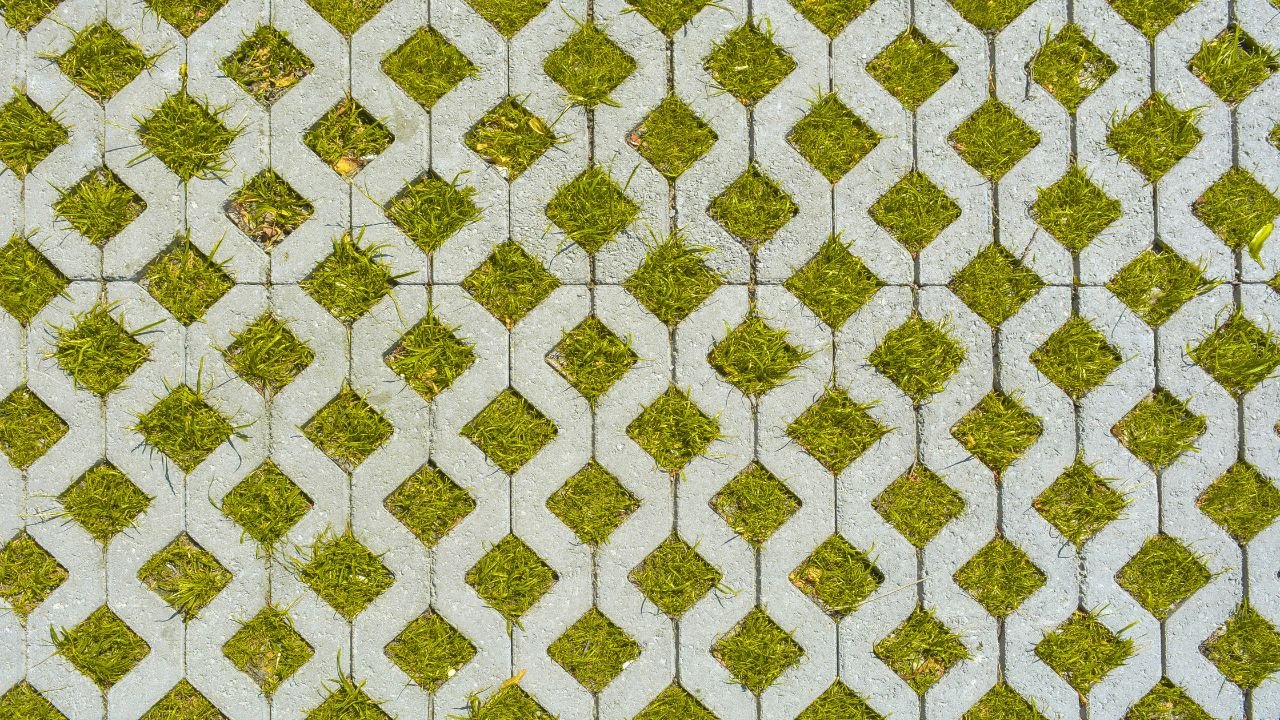
At Eco-Friendly Concrete Squad Florida, we recognize the importance of sustainable solutions for your driveway. Permeable concrete offers a unique blend of functionality and environmental benefits. By choosing this option, we not only enhance your property’s aesthetic but also contribute to better water management. Curious about how permeable concrete works and its advantages over traditional driveways? Let’s explore what makes this choice a smart investment for both your home and the planet.
Permeable concrete is a unique paving material designed to allow water to flow through it, reducing runoff and promoting groundwater recharge. This innovative concrete features a network of interconnected voids, enabling rainwater and melting snow to penetrate directly into the ground. By using permeable concrete, we can create surfaces that are both functional and environmentally friendly.
In contrast to traditional concrete, which can lead to pooling and erosion, permeable concrete helps manage stormwater effectively, preventing flooding in urban areas. It’s a versatile option that works well for driveways, walkways, and parking lots.
We often find that permeable concrete not only supports sustainability but also enhances the aesthetic appeal of our outdoor spaces. With its ability to blend seamlessly into various landscapes, it’s an excellent choice for anyone looking to make a positive impact on their environment while still enjoying practical, durable surfaces.
Using permeable concrete for driveways offers numerous benefits that contribute to both functionality and environmental sustainability. First, it allows rainwater to seep through, reducing runoff and helping prevent flooding in our neighborhoods. This means less stress on local drainage systems, which is a big win for everyone.
Additionally, permeable concrete can improve groundwater recharge, ensuring that our water supply remains healthy and sustainable. We also appreciate its ability to minimize puddles and icy spots, making our driveways safer to navigate during wet or cold conditions.
Moreover, permeable concrete driveways can enhance the aesthetic appeal of our properties, as we can design them in various patterns and colors to match our style. Finally, they often require less maintenance than traditional driveways, saving us time and money in the long run. Overall, choosing permeable concrete is a smart decision for both our driveways and the environment.
Now that we’ve covered the benefits of permeable concrete driveways, let’s explore how they actually work. We’ll look at the water drainage mechanism, discuss the environmental benefits, and give an overview of the installation process. Understanding these aspects will help us appreciate the value of permeable concrete even more.
While many traditional driveways can lead to water pooling, permeable concrete offers an innovative solution by allowing water to flow through its surface. This unique material is designed with voids that create a network for water infiltration. When it rains, water seeps through the concrete, reducing surface runoff and minimizing erosion.
As the water passes through, it gets filtered naturally, which helps to improve groundwater quality. We can think of permeable concrete as a sponge, absorbing and managing rainwater effectively. This drainage mechanism not only alleviates flooding but also replenishes local aquifers. By choosing permeable concrete for our driveways, we’re actively participating in a sustainable approach to water management, enhancing both functionality and environmental health.
As we explore the environmental benefits of permeable concrete, we see how its design not only addresses drainage issues but also contributes to a healthier ecosystem. This innovative material allows water to flow through, reducing runoff and promoting groundwater recharge. Here are three key environmental benefits:
Having explored the environmental benefits of permeable concrete, we can appreciate how its installation plays an essential role in maximizing these advantages. First, we begin by preparing the site, ensuring proper grading for effective water drainage. Next, we lay a base layer of gravel, which creates a stable foundation while allowing water to flow freely. After that, we place the permeable concrete mix, designed with larger aggregates that create voids for water infiltration. Once poured, we level and finish the surface, ensuring it’s both functional and aesthetically pleasing. Finally, we cure the concrete, allowing it to set properly. This careful process not only enhances performance but also contributes to sustainable water management in our landscapes.
When we consider the environmental impact of permeable driveways, it becomes clear that these innovative surfaces play a significant role in managing stormwater runoff. By allowing water to permeate through the surface, they reduce flooding and promote groundwater recharge. Here are three key benefits we should highlight:
While traditional driveways often contribute to stormwater issues, permeable concrete offers a sustainable alternative that benefits both our environment and our properties. Traditional driveways create hard surfaces that prevent water from seeping into the ground, leading to runoff, erosion, and potential flooding. In contrast, permeable concrete allows water to flow through its surface, promoting natural drainage and recharging groundwater supplies.
Additionally, permeable concrete helps filter pollutants from rainwater, reducing harmful runoff into local waterways. This not only protects our environment but also enhances the longevity of our driveways.
Moreover, permeable concrete driveways can be aesthetically pleasing, available in various styles and colors to fit our home’s design. While traditional driveways may require more maintenance and repairs over time, permeable options can last longer with proper care. Overall, choosing permeable concrete is a smart investment in sustainable living and property value.
How can we choose the perfect design for our permeable concrete driveway? Selecting the right design is essential for both aesthetics and functionality. Here are three key factors to take into account:
Shape and Layout: Think about the shape that best complements our home and landscaping. Curved or straight lines can greatly impact the overall look.
Color and Texture: We should choose a color and texture that harmonizes with our existing exterior elements. Lighter shades can reflect heat, while textured surfaces offer better traction.
Pattern Options: There are various patterns available, from simple grids to intricate designs. It’s important to select a pattern that aligns with our personal style and enhances our property’s curb appeal.
Before we immerse ourselves in the installation process, we need to confirm our site is properly prepared to support a permeable concrete driveway. First, let’s assess the area where the driveway will go. We should remove any existing pavement, grass, or debris to create a clean slate. Next, we need to ascertain proper drainage by checking the soil type and its permeability. If necessary, we might need to amend the soil or incorporate additional drainage solutions to promote water flow.
After that, let’s mark the boundaries of our driveway, making sure it aligns with our chosen design. We should also take note of any underground utilities to avoid damage during excavation. Finally, compacting the soil will help create a solid base for our permeable concrete. By taking these steps, we’ll set ourselves up for a successful and eco-friendly driveway installation.
Now that we’ve prepared our site, let’s walk through the installation process together. We’ll cover the essential steps for site preparation, effective pouring and finishing techniques, and important curing and maintenance tips. By following these guidelines, we can guarantee a successful permeable concrete driveway installation.
As we prepare to install a permeable concrete driveway, the first vital step is to confirm the site is properly assessed and cleared. This guarantees a solid foundation for our project. Here’s what we need to focus on during site preparation:
Once we’ve prepared the site, we can move on to the pouring and finishing techniques that will guarantee our permeable concrete driveway is both functional and aesthetically pleasing. First, we’ll mix our permeable concrete, ensuring the right ratio of aggregate to binder for ideal water flow. Next, we’ll pour the concrete evenly across the prepared area, using a screed to level it out. It’s essential to work quickly, as we want to maintain a smooth surface. Once poured, we’ll use a float to finish the surface, ensuring it’s compact and uniform. Finally, we’ll apply a texture, if desired, to enhance its appearance. With these techniques, we’ll achieve a durable and attractive driveway that meets our eco-friendly goals.
After finishing the pouring process, we need to focus on curing and maintaining our permeable concrete driveway to guarantee its longevity and performance. Proper curing helps the concrete achieve its maximum strength and durability. Here are three essential tips for effective curing and maintenance:
When we set out to install a permeable concrete driveway, having the right tools and materials on hand makes the process smoother and more efficient. First, we’ll need a concrete mixer, which helps us blend our materials properly. A wheelbarrow and shovel are vital for transporting and placing the concrete mix. To guarantee a level surface, a screed board and a leveling tool will be essential.
Next, we need permeable concrete mix, which typically includes gravel, sand, and cement. Don’t forget the forms to shape our driveway, along with stakes to hold them in place. A trowel will help us finish the surface neatly, and we should have a broom for texture.
Lastly, safety gear like gloves and goggles is important to protect ourselves during the installation. With these tools and materials ready, we’ll set ourselves up for a successful permeable concrete driveway installation.
While we’re enthusiastic to explore the DIY installation of our permeable concrete driveway, it’s vital to approach the project with careful planning and attention to detail. Here are some tips to help us succeed:
Check Local Regulations: Before we start, let’s verify that we’re following any local guidelines regarding permeable surfaces. This can save us from future headaches.
Prepare the Base: A solid base is important. We’ll need to excavate the area and use gravel to create a stable foundation, allowing for proper drainage and support.
Mix Properly: When it comes to mixing, we should strictly follow the manufacturer’s instructions. This guarantees the right consistency and performance of our permeable concrete.
Considering the complexities involved in installing a permeable concrete driveway, many of us might find it beneficial to hire professional installation services. These experts understand the specific requirements for proper drainage and structural integrity, ensuring that our driveway performs efficiently and lasts for years.
When we choose professionals, we gain access to their specialized knowledge and tools, which can save us time and potential headaches. They’ll assess our property’s unique conditions, design a tailored plan, and execute the installation with precision. By trusting a skilled team, we can avoid common pitfalls that may arise during a DIY project.
Moreover, professionals often provide warranties on their work, giving us peace of mind about our investment. They can also guide us on local regulations and best practices, ensuring our driveway is not just functional but also compliant. In the end, hiring experts can lead to a successful permeable concrete driveway that enhances our property’s value and eco-friendliness.
To keep our permeable concrete driveways in top shape, regular maintenance is vital. By following a few simple guidelines, we can guarantee durability and functionality for years to come.
Regular Cleaning: We should sweep or use a blower to remove debris and leaves. This prevents clogging of the pores, which can hinder water drainage.
Inspect for Damage: Let’s check for any cracks or signs of wear. Addressing these issues early can prevent further damage and maintain the integrity of our driveways.
Replenish Aggregate: Over time, the aggregate surface may wear down. We can periodically add new aggregate to restore its permeability and strength.
As we explore common issues with permeable concrete driveways, we’ll uncover effective solutions to drainage problems and share surface maintenance tips. It’s crucial to address these concerns early to guarantee longevity and performance. Let’s tackle these challenges together for a smooth and functional driveway.
While permeable concrete driveways offer excellent drainage solutions, they can still encounter common issues that may hinder their effectiveness. We’ve identified a few key problems and their respective solutions to help you maintain ideal performance:
Clogged Pores: Over time, dirt and debris can accumulate. Regular cleaning with a pressure washer can clear these blockages.
Improper Installation: If the driveway isn’t installed correctly, water may pool. Make sure it’s laid with a proper slope to facilitate drainage.
Compacted Subgrade: A compacted base can reduce permeability. If this is the case, you might need to excavate and replace the subgrade with a more suitable material.
Maintaining the surface of our permeable concrete driveway is essential for its longevity and performance, especially since environmental factors can lead to wear and tear. Regularly checking for debris, like leaves and dirt, helps keep our driveway functional. We should use a leaf blower or broom to remove this buildup, ensuring water drains efficiently. If we notice any cracks, we can fill them with a suitable sealant designed for permeable surfaces. For stubborn stains, a gentle pressure wash with eco-friendly soap can do wonders. We must avoid harsh chemicals that could damage the porous structure. By staying proactive with these maintenance tips, we can enjoy a beautiful, eco-friendly driveway for years to come.
When we consider installing a permeable concrete driveway, understanding the costs involved is essential for making an informed decision. The initial investment can vary based on several factors, so let’s break down the primary cost considerations:
Material Costs: Permeable concrete typically costs more than traditional concrete due to its specialized composition and design.
Installation Labor: Skilled labor is necessary for proper installation, which can increase labor costs. It’s vital to hire professionals familiar with permeable systems.
Site Preparation: Depending on your property’s drainage needs, additional site preparation may be required, which can add to the overall expense.
When we consider investing in permeable driveways, we’re not just thinking about immediate costs; we’re also looking at long-term benefits. These driveways can greatly reduce our environmental impact while enhancing our property value. It’s a win-win that we can all appreciate!
As we consider the long-term benefits of investing in permeable driveways, it is vital to recognize their potential for environmental impact reduction. These innovative driveways help us create a sustainable future by addressing several key issues:
Investing in permeable driveways not only benefits the environment but can also greatly enhance property value over time. When potential buyers see a permeable driveway, they recognize the investment in sustainability and innovative design. This unique feature sets our property apart, making it more attractive in a competitive market. Additionally, permeable driveways reduce flooding and drainage issues, which can lead to costly repairs down the line. By choosing this eco-friendly option, we’re not just improving our home’s curb appeal; we’re also safeguarding its long-term value. As we focus on sustainable living, we’re likely to see a higher return on investment when it’s time to sell, solidifying our decision as a smart, forward-thinking choice.
Permeable concrete typically lasts around 20 to 30 years, similar to traditional concrete, but its longevity can depend on various factors like installation quality and maintenance. We’ve found that when properly cared for, permeable options can even outlast traditional concrete in some scenarios due to their ability to manage water efficiently. So, if we’re looking for durability and environmental benefits, permeable concrete can be a smart choice for our driveways.
Imagine a strong, sturdy bridge holding up a parade of heavy trucks—permeable concrete can handle heavy vehicles just like that! It’s designed to support significant weight, making it a great choice for driveways and parking areas. We’ve seen permeable concrete withstand the pressure of cars and trucks without cracking. So, if you’re worried about durability, rest assured that it can provide the strength you need while still managing water runoff effectively.
Permeable concrete offers a variety of colors and finishes to suit our preferences. We can choose from earth tones like beige and gray, or even vibrant hues to match our landscape. Textured finishes can enhance both aesthetics and traction. By selecting the right color and finish, we can create a beautiful, functional surface that complements our environment while benefiting from the permeability that allows water to flow through efficiently.
While we might dream of a perfect world where permeable concrete thrives everywhere, it’s not quite that simple. It’s generally suitable for many climates, but we’ve gotta consider local weather patterns. In areas with heavy snowfall or extreme freeze-thaw cycles, we may face challenges. However, in moderate climates, it works wonders in managing water runoff and supporting sustainability. So, let’s assess our local conditions before diving in!
Permeable concrete positively affects local wildlife by allowing rainwater to filter through, replenishing groundwater and creating a healthier ecosystem. This drainage reduces runoff, which helps prevent flooding and erosion. We’ve noticed that such surfaces encourage plants to thrive, providing habitats for various species. Additionally, the natural water cycle benefits from this permeability, promoting a balanced environment. By choosing permeable options, we contribute to a more sustainable habitat for our local wildlife.
 Call Now