
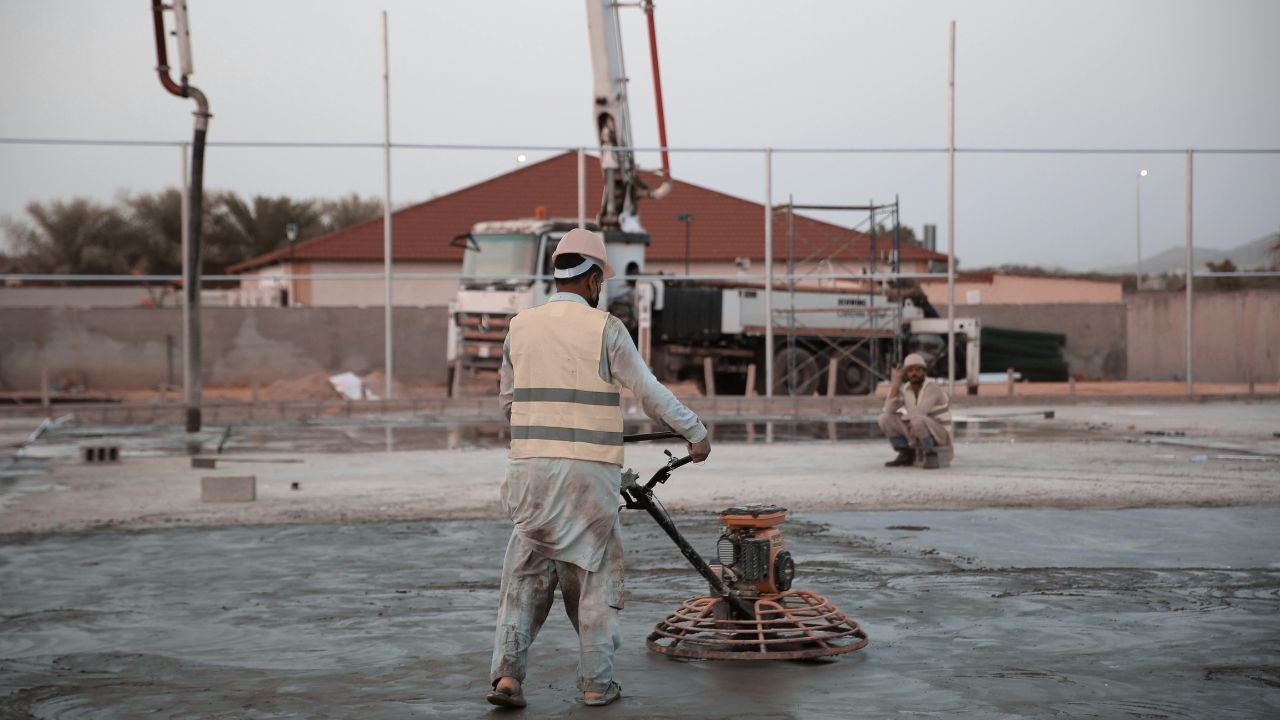
When we think about emergency vehicle access areas, it’s clear how vital they are for first responders. We’ve seen firsthand the impact of effective construction in saving lives and improving response times. By focusing on durable materials and innovative solutions, we can tackle Florida’s unique environmental challenges. But what specific strategies do we employ to guarantee these access points remain reliable and efficient? Let’s explore the significant components that make this possible.
Emergency vehicle access areas play an essential role in ensuring timely responses during crises. When emergencies strike, every second counts, and we need to make sure that our roads and pathways allow for swift access. These designated zones are important for fire trucks, ambulances, and police vehicles, as they navigate through crowded streets or tight spaces to reach those in need.
By establishing clear access points, we reduce the risk of delays caused by traffic congestion or obstacles. It’s essential for us to recognize that these areas not only facilitate emergency responses but also enhance overall community safety. We can contribute by keeping these access routes clear and ensuring they are well-marked.
Ultimately, investing in appropriate construction and maintenance of these access areas is a proactive step we can take to protect ourselves and our neighbors. Let’s prioritize these critical zones and keep our communities safe.
While many of us may not think about it regularly, first responders are the backbone of our community’s safety during emergencies. They’re the brave individuals who rush into danger when most of us would run away. From firefighters battling flames to paramedics providing life-saving care, each responder plays an essential role in ensuring our safety and well-being.
We rely on their training, quick thinking, and teamwork to navigate chaotic situations. They assess the scene, prioritize tasks, and work tirelessly to protect lives. Their presence reassures us that help is on the way, and they often put their own lives at risk for our sake.
Understanding their role helps us appreciate the challenges they face daily. By recognizing their commitment, we can better support initiatives like emergency vehicle access areas, ensuring they can reach those in need swiftly. Together, we can create a safer environment for everyone.
As we explore the key features of effective access points, we should consider the importance of durable materials, clear visibility markings, and adequate space dimensions. These elements play a vital role in ensuring that emergency vehicles can reach their destinations without delay. Let’s examine how each of these features contributes to improved access for first responders.
Selecting durable materials for access points is essential for ensuring reliability and longevity in emergency vehicle access areas. We often turn to reinforced concrete due to its strength and resilience against heavy loads and weather conditions. It’s crucial that we consider slip resistance to prevent accidents during emergency situations. Additionally, we should look for materials that can withstand frequent wear and tear from emergency vehicles. Using high-quality aggregates and additives can enhance the concrete’s performance, making it less prone to cracking or erosion. By prioritizing durability in our material selection, we’re not only protecting our infrastructure but also ensuring that emergency services can respond swiftly and safely, regardless of the circumstances. Let’s commit to building access points that stand the test of time.
Effective emergency vehicle access points must feature clear visibility markings, ensuring that both drivers and emergency responders can navigate them easily. These markings play an essential role in guiding vehicles to the correct location swiftly. We should use bright colors and reflective materials that stand out, particularly in low-light conditions. Clear signage is vital; it should be placed at strategic points to direct traffic flow and indicate no-parking zones. We can also consider using symbols, like fire department logos or emergency vehicle icons, to reinforce the purpose of these areas. By prioritizing these visibility features, we create a safer environment, allowing emergency responders to reach their destinations without unnecessary delays. Let’s commit to making our access points as effective as possible.
Clear visibility markings alone won’t guarantee efficient emergency access; adequate space dimensions are equally important. We need to make certain that access points are spacious enough for emergency vehicles to maneuver safely and quickly. Here’s a quick overview of essential space dimensions we should consider:
| Feature | Recommended Dimension |
|---|---|
| Width of Access Road | 20 feet |
| Height Clearance | 13.5 feet |
| Turn Radius | 25 feet |
| Parking Space Width | 10 feet |
| Distance from Obstacles | 5 feet |
As we navigate the unique challenges posed by Florida’s environment, we quickly realize that our approach to constructing emergency vehicle access areas must be carefully tailored. The state’s high humidity, intense rainfall, and the risk of hurricanes greatly impact our planning and materials. For instance, we often encounter soil that can be unstable, requiring us to implement proper drainage systems to prevent flooding and erosion.
Additionally, the heat and UV exposure can lead to rapid deterioration of conventional materials, necessitating careful consideration of our choices. We also contend with local wildlife and vegetation that could obstruct access, highlighting the need for ongoing maintenance and clear pathways. By understanding these environmental factors, we can develop resilient access areas that guarantee emergency vehicles can respond swiftly when needed. Ultimately, our goal is to create safe, reliable routes that stand the test of Florida’s challenging conditions.
Given Florida’s challenging environmental conditions, we must explore innovative concrete solutions that enhance durability for emergency vehicle access areas. One effective approach is using high-performance concrete, which incorporates additives like silica fume or fly ash. These materials improve strength and resistance to moisture, preventing cracks and deterioration.
Additionally, polymer-modified concrete offers flexibility and resilience, making it ideal for areas subjected to heavy traffic and extreme weather. Reinforcing our concrete with steel fibers can also enhance toughness, reducing the likelihood of damage from impacts or heavy loads.
Moreover, we can implement pervious concrete in specific areas to manage stormwater runoff effectively, ensuring our access routes remain safe and functional. By adopting these innovative solutions, we not only bolster the durability of emergency vehicle access areas but also contribute to safer and more efficient responses during critical situations. Together, let’s prioritize these advancements for our community’s safety and resilience.
When designing emergency access areas, we must prioritize functionality and efficiency to guarantee swift responses during crises. First, we need to confirm that the layout allows for unobstructed vehicle movement. This includes wide turning radii and clear sightlines, which help emergency responders navigate quickly.
Next, we should consider the surface material; it must support heavy vehicles without cracking or becoming slippery. Additionally, proper drainage is essential to prevent water accumulation, which could impede access during rainstorms.
We also need to incorporate signage that’s clear and visible, directing responders in low-light conditions.
Finally, we must think about the surrounding environment; landscaping or structures shouldn’t block access points. By addressing these design considerations, we create efficient emergency access areas that enhance safety and response times, ultimately saving lives.
To guarantee the effectiveness of emergency vehicle access areas, we must actively engage with local authorities throughout the planning and construction process. This collaboration guarantees that our projects align with local regulations and community needs, ultimately enhancing safety and response times.
Here are a few key aspects we focus on during our collaboration:
Several remarkable case studies illustrate the successful implementation of emergency vehicle access areas across various communities. In one project in a bustling urban neighborhood, we collaborated with city planners to create a dedicated access lane that considerably reduced congestion during emergencies. Residents reported a sense of safety knowing that emergency responders could reach them quickly.
Another case in a suburban area showcased our innovative design, incorporating reflective materials that enhanced visibility at night. This improvement not only facilitated quicker access but also garnered praise from local fire departments for their efficiency during nighttime calls.
Additionally, we’ve seen success in rural regions, where we constructed durable access paths that withstand harsh weather conditions, ensuring year-round reliability. These examples demonstrate how strategic planning and community involvement can lead to effective emergency vehicle access solutions, ultimately enhancing public safety and fostering community trust in emergency services.
As we implement emergency vehicle access areas, we’ve seen a significant impact on response times during critical situations. These designated zones guarantee that first responders can reach emergencies without delays caused by traffic or obstacles.
Here are some key benefits we’ve observed:
Improving response times is just one piece of the puzzle; engaging our community is equally important. We believe that when we work together, we can create safer neighborhoods for everyone. By raising awareness about emergency vehicle access areas, we empower residents to understand their significance.
When community members know where these access points are, they can help guarantee they remain clear and unobstructed. We can also encourage local businesses and homeowners to take part in this initiative, fostering a sense of ownership and responsibility.
Through workshops, social media campaigns, and neighborhood meetings, we can share valuable information about how these areas contribute to public safety. Together, we can cultivate a culture of vigilance and support, making certain our emergency responders have the access they need. By engaging in open dialogue, we can strengthen our community bonds and enhance our collective safety. Let’s make a difference, together!
While we look to the future, it’s clear that advancements in technology and design will play an essential role in enhancing emergency access infrastructure. As we move forward, we can expect several key trends to shape how we approach these critical areas:
Smart Traffic Management Systems: Integrating real-time data can optimize traffic flow, guaranteeing emergency vehicles reach their destinations faster.
Modular and Sustainable Materials: Utilizing eco-friendly materials will not only enhance durability but also reduce environmental impact, making our infrastructure more sustainable.
Community-Centric Designs: Engaging communities in the design process guarantees that access points meet local needs, making emergency response more efficient.
Technology plays a pivotal role in transforming construction practices, especially when it comes to emergency vehicle access areas. We’ve seen how tools like Building Information Modeling (BIM) allow us to create detailed digital representations of projects, helping us visualize and plan access routes efficiently. Drones provide real-time site assessments, enabling us to identify potential obstacles before the concrete is poured.
Additionally, advanced materials like permeable concrete are being utilized to improve drainage and durability, ensuring these access areas remain functional during emergencies. GPS technology helps us accurately place markers and signs, enhancing navigation for emergency vehicles.
We’re also leveraging mobile apps for project management, allowing us to monitor progress and communicate effectively with our teams. By embracing these technologies, we’re not just building safer access areas; we’re also streamlining the construction process, making it more efficient and responsive to community needs.
Now that we’ve covered the construction aspects, let’s turn our attention to the maintenance and upkeep of access areas. We need to establish regular inspection protocols and effective repair techniques to guarantee these critical zones remain functional. Plus, we should consider seasonal maintenance to address any unique challenges that come with changing weather conditions.
To guarantee that emergency vehicle access areas remain functional and safe, we must implement regular inspection protocols. These inspections help us identify issues early and ascertain that our access areas serve their purpose effectively. Here are some key aspects to evaluate during our inspections:
Maintaining emergency vehicle access areas is essential for ensuring they remain effective and safe. To achieve this, we should regularly check for cracks, potholes, and surface wear. If we spot any damage, quick repairs can prevent further deterioration. For minor cracks, a concrete filler works well; just clean the area and apply the product according to the manufacturer’s instructions. For larger issues, we might need to patch or resurface the concrete. Remember, proper drainage is vital to avoid water pooling, which can weaken the surface. Regularly cleaning the area helps prevent debris buildup that could obstruct access. By staying proactive with these repair techniques, we can maintain ideal conditions for emergency responders when they need it most.
As the seasons change, we must stay vigilant about the unique maintenance needs of emergency vehicle access areas. Regular upkeep guarantees these zones remain safe and functional for our first responders. Here’s what we should focus on throughout the year:
While securing funding for emergency vehicle access area construction can be challenging, we have several options at our disposal. First, we can explore federal and state grants specifically designed for infrastructure improvements. These grants often prioritize projects that enhance public safety, making our initiative a strong candidate. Additionally, local government funds can be allocated for these essential projects, especially if we can demonstrate community needs.
We can also consider partnerships with local businesses and organizations that may be willing to sponsor or contribute to our efforts. Fundraising events and campaigns can engage the community and generate financial support while raising awareness of the importance of accessible emergency routes.
Lastly, tapping into crowdfunding platforms allows us to reach a broader audience enthusiastic to contribute to public safety initiatives. By utilizing these resources, we can effectively gather the necessary funds for our construction projects and guarantee timely access for emergency vehicles.
We’ve gathered valuable insights from first responders who rely on these access areas daily. Their experiences highlight the vital role these spaces play in emergency situations. Community members also share powerful stories about how improved access has made a real difference in their lives.
Understanding the challenges faced by first responders highlights the crucial need for well-planned emergency vehicle access areas. Our experiences on the ground show how essential these spaces are for effective response times and overall safety.
We’ve noted a few key aspects that make a significant difference:
When we hear stories from the community about how emergency vehicle access areas have made a difference, it reinforces our commitment to their development. First responders often share how these access points saved precious minutes during critical moments. Community members express relief knowing help can reach them quickly.
| First Responder Testimonial | Community Member Feedback |
|---|---|
| "The new access area saved lives during a recent emergency." | "I feel safer knowing help can get to us fast." |
| "It’s made our response times drastically shorter." | "We appreciate the effort put into these improvements." |
| "Every second counts, and this area makes a difference." | "Our neighborhood feels more secure with this access." |
Together, we can continue to enhance safety and support for everyone in our community.
When we’re paving the way for emergency vehicle access, we must consider the permits as our guiding stars. Typically, we need building permits, zoning approvals, and possibly environmental assessments. Each location might have its own requirements, so checking with local authorities is essential. By ensuring we’ve got all our permits lined up, we’re not just following rules; we’re laying down a solid foundation for safety and quick responses when every second counts.
Typically, construction for access areas takes about two to four weeks, depending on various factors like site conditions and weather. We’ve found that careful planning and coordination help streamline the process. If we encounter unexpected delays, such as utility issues or heavy rain, it could extend the timeline. Staying in touch with our team throughout the project guarantees we’re all on the same page and can adapt as needed for timely completion.
When it comes to constructing access points, we’ve found that materials like asphalt and reinforced concrete are often the most cost-effective choices. Asphalt is generally cheaper and quicker to install, while reinforced concrete provides durability and longevity, making it a solid long-term investment. By balancing initial costs and future maintenance, we can create effective solutions that meet our needs without breaking the bank. Let’s consider these options carefully!
You might be wondering if there are specific regulations governing access area locations. Yes, there are! Local codes and state regulations often dictate where these access points can be placed, ensuring safety and efficiency for emergency responders. We must stay informed about these guidelines to avoid costly mistakes. Understanding these regulations not only helps us comply but also guarantees that our communities receive the swift assistance they need in emergencies.
We can get involved in access area projects by attending community meetings and voicing our opinions. Joining local advocacy groups helps us stay informed about upcoming initiatives. Volunteering for cleanup or construction days is a great way to contribute hands-on. Additionally, we can reach out to local officials to express our support for these projects. By collaborating with our neighbors, we can guarantee that our community’s needs are met effectively and efficiently.
 Call Now