
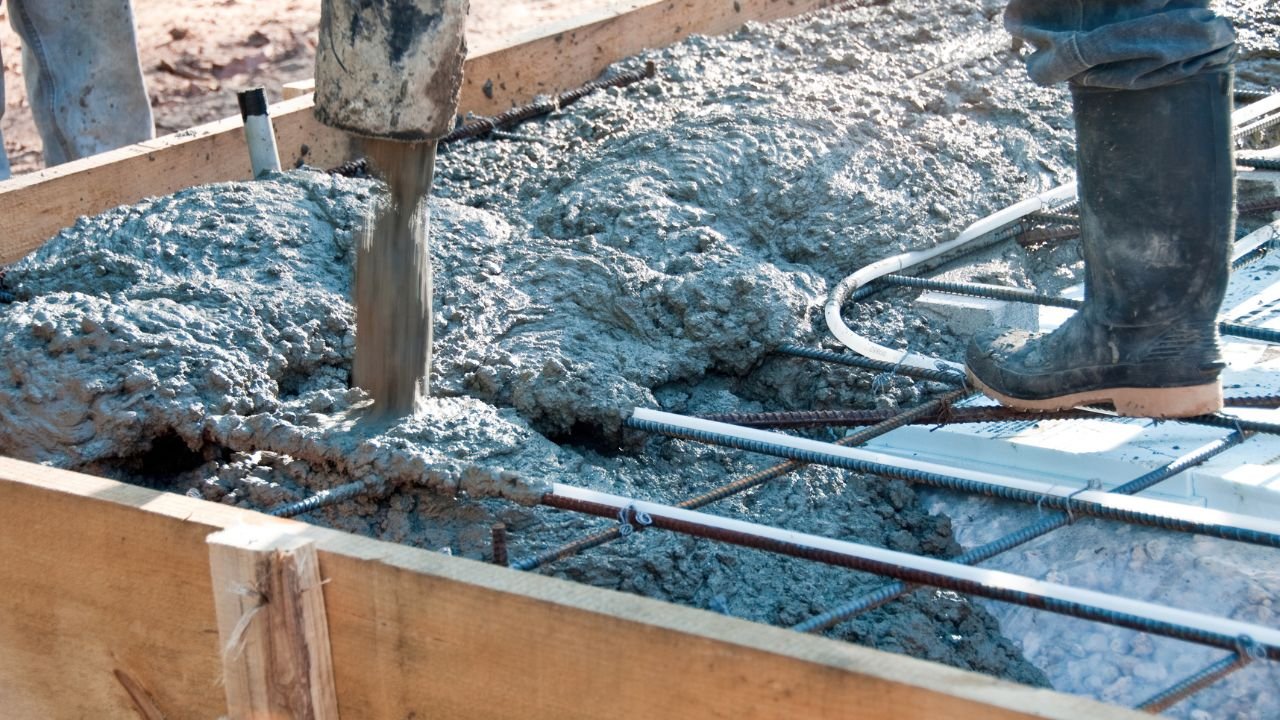
As we explore energy-efficient concrete system installation, we recognize its growing importance in modern construction, especially in Florida. The Smart Building Concrete Squad is at the forefront of this movement, implementing advanced technologies that enhance sustainability and reduce energy costs. Our focus on innovative materials and techniques not only benefits building occupants but also positively impacts the environment. Let’s examine how these systems work and what they can mean for future building projects.
As we explore energy-efficient concrete systems, it’s essential to understand their unique properties and benefits. These systems are designed to reduce energy consumption while maintaining structural integrity. One key aspect is their thermal mass, which helps regulate indoor temperatures by absorbing heat during the day and releasing it at night. By using materials with lower embodied energy, we can minimize the environmental impact of construction.
Additionally, energy-efficient concrete often incorporates recycled materials, enhancing sustainability while promoting resource conservation. We should also note the advancements in admixtures that improve performance, such as increasing strength and durability. This means fewer repairs and replacements over time, translating to long-term savings.
Finally, it’s vital to recognize that energy-efficient concrete systems can improve indoor air quality, providing a healthier living environment. Understanding these factors sets the stage for us to appreciate their benefits and consider their implementation in our projects.
When we consider the benefits of energy-efficient concrete, we can’t overlook how it greatly reduces energy consumption. Not only does it enhance thermal performance, but it also contributes to a more sustainable building environment. Together, we can appreciate the positive impact these features have on our energy bills and the planet.
While many construction materials contribute to high energy consumption, energy-efficient concrete stands out as a sustainable choice that considerably reduces energy use. By utilizing innovative materials and techniques, we can considerably lower the energy footprint of our buildings. Let’s explore some key benefits of this eco-friendly option:
| Benefit | Description | Impact |
|---|---|---|
| Lower Energy Costs | Reduces heating and cooling demands | Cost savings |
| Sustainable Materials | Made from recycled or low-impact resources | Eco-friendly |
| Long Lifespan | Durable construction reduces frequent repairs | Resource savings |
| Reduced Carbon Emissions | Less energy needed for production and maintenance | Environmental benefit |
Energy-efficient concrete not only cuts down on energy costs but also significantly enhances thermal performance. This type of concrete helps regulate indoor temperatures by effectively insulating buildings. With its superior thermal mass, it absorbs heat during the day and releases it at night, creating a more stable indoor environment. By reducing temperature fluctuations, we can rely less on heating and cooling systems, which leads to lower energy consumption. Additionally, this improved thermal performance contributes to overall comfort, making living and working spaces more enjoyable. We’re not just saving money; we’re also fostering sustainable practices that benefit our communities. Embracing energy-efficient concrete is a smart choice for anyone looking to enhance building performance and comfort.
The Smart Building Concrete Squad plays an essential role in revolutionizing construction practices. We focus on integrating advanced techniques and sustainable materials to enhance efficiency and reduce waste. By prioritizing energy-efficient concrete systems, we guarantee that our projects contribute positively to the environment while meeting modern design standards.
Our team collaborates closely with architects, engineers, and builders to create tailored solutions that maximize structural integrity and thermal performance. We’re dedicated to ongoing training and learning about the latest industry advancements, allowing us to stay ahead of the curve.
Moreover, we emphasize the importance of safety and quality control in every step of the installation process. By fostering a culture of teamwork and innovation, we not only improve construction methods but also inspire others in the industry to adopt greener practices. Ultimately, we’re committed to building a sustainable future for our communities and the planet.
As we explore innovative concrete technologies, we can’t overlook the impact of sustainable material options and advanced insulation techniques. These solutions not only improve energy efficiency but also contribute to a greener future. Together, let’s discover how these advancements can transform our construction practices.
While exploring sustainable material options, we can discover innovative concrete technologies that greatly reduce environmental impact. One exciting approach is using recycled aggregates, which repurpose waste materials and minimize the need for virgin resources. We can also consider incorporating industrial byproducts like fly ash or slag, enhancing concrete’s durability and strength while reducing carbon emissions. Another option is bio-based admixtures, which promote ecological benefits by utilizing natural materials. By choosing these sustainable alternatives, we not only improve the performance of our concrete but also contribute to a greener planet. Together, we can make informed decisions that lead to more sustainable construction practices, ensuring our projects reflect our commitment to environmental responsibility. Let’s embrace these innovative solutions!
Incorporating advanced insulation techniques into our concrete systems can markedly enhance energy efficiency and overall performance. By utilizing materials like insulated concrete forms (ICFs) and aerated concrete, we create structures that maintain ideal temperatures, reducing heating and cooling costs. These techniques minimize thermal bridging, ensuring that energy loss is kept to a minimum.
We also have the option of integrating phase change materials (PCMs) that store and release thermal energy, further stabilizing indoor climates. This not only improves comfort but also contributes to a sustainable environment.
Sustainable materials play an essential role in redefining concrete production, as they not only reduce environmental impact but also enhance the overall performance of concrete structures. By incorporating recycled aggregates, such as crushed glass or reclaimed concrete, we can notably lower the demand for virgin materials while improving durability. Additionally, using industrial by-products like fly ash or slag not only diverts waste from landfills but also contributes to a stronger mix.
When we opt for natural fibers, such as hemp or bamboo, we increase the tensile strength and reduce the weight of our concrete, making it more efficient. These materials are often locally sourced, which cuts down on transportation emissions.
Ultimately, embracing sustainable materials in our concrete production leads to smarter building practices. It’s about creating structures that not only stand the test of time but also respect our planet. Let’s commit to making these choices for a better future.
As we endeavor to reduce our carbon footprint, concrete production presents a significant opportunity for improvement. By incorporating alternative materials like fly ash or slag, we can lower the cement content in our mixes, which drastically cuts greenhouse gas emissions. Additionally, using recycled aggregates reduces the need for new materials, further minimizing environmental impact.
We should also consider optimizing our mixing processes and curing techniques. More efficient mixing can lead to better material performance and longevity, which means structures last longer and require less maintenance.
Moreover, exploring innovative concrete formulations, like geopolymers, offers exciting possibilities for eco-friendliness.
Finally, adopting local sourcing reduces transportation emissions, aligning our projects with sustainable practices. Together, we can embrace these strategies to not only enhance the performance of our concrete systems but also take meaningful steps toward a more sustainable future. Let’s commit to making our concrete choices count!
While we focus on reducing our carbon footprint with innovative concrete materials, we can’t overlook the potential for cost savings through energy efficiency. By utilizing energy-efficient concrete systems, we can greatly decrease energy consumption in buildings. These systems often incorporate insulation properties that help maintain stable indoor temperatures, reducing the need for excessive heating or cooling.
Additionally, choosing energy-efficient materials can lead to lower utility bills over time. When we invest in these advanced solutions, we’re not just making an environmentally conscious choice; we’re also enhancing the financial sustainability of our projects.
Moreover, energy efficiency can increase property value, making our investments even more worthwhile. As we prioritize energy-efficient designs, we create a win-win situation: reduced costs for occupants and a positive impact on the environment. Let’s embrace these solutions and pave the way for a more sustainable future together.
As we explore smart concrete, we can appreciate how it enhances indoor air quality through improved ventilation systems. By reducing indoor pollutants and using sustainable materials, we’re taking significant steps toward healthier spaces. Let’s uncover the benefits that come with these innovative solutions.
To enhance indoor air quality, we can explore the integration of smart concrete with advanced ventilation systems. By combining these technologies, we can create environments that not only reduce energy consumption but also improve air circulation.
Together, these innovations allow us to maintain comfortable and healthy spaces. As we embrace these solutions, we’re not just enhancing indoor air quality; we’re also fostering sustainable living practices that benefit everyone. Let’s move forward with smarter, cleaner buildings!
When we consider the impact of indoor pollutants on our health, using smart concrete emerges as a promising solution to improve air quality. This innovative material not only has energy-efficient properties but also actively reduces harmful contaminants in our indoor spaces. By incorporating additives that absorb volatile organic compounds (VOCs) and other pollutants, smart concrete helps create a healthier living environment. It works continuously to purify the air, minimizing allergy triggers and respiratory issues. Furthermore, its porous nature allows for better moisture management, reducing mold growth. As we prioritize indoor air quality, adopting smart concrete systems becomes essential for enhancing our well-being and creating spaces that support our health. Together, we can build a cleaner, safer future.
While we aim to create healthier indoor environments, choosing sustainable materials like smart concrete can greatly enhance air quality. By prioritizing these materials, we can guarantee that our spaces are not only functional but also safe for everyone. Here’s how smart concrete contributes to improved indoor air quality:
Embracing these sustainable choices is essential in promoting a healthier atmosphere in our buildings. Let’s make the switch together!
As we explore the thermal performance of energy-efficient concrete, it’s clear that this innovative material markedly enhances energy conservation in buildings. By integrating advanced thermal properties, energy-efficient concrete helps maintain comfortable indoor temperatures, reducing reliance on heating and cooling systems.
| Property | Energy-Efficient Concrete | Traditional Concrete |
|---|---|---|
| Thermal Conductivity | Lower | Higher |
| Energy Absorption | Higher | Lower |
| Insulation Value | Superior | Standard |
| Temperature Stability | Enhanced | Variable |
These characteristics not only contribute to lower energy bills but also promote sustainability. We can see that buildings employing energy-efficient concrete experience reduced heat loss in winter and minimized heat gain in summer. This ultimately leads to increased comfort for occupants and a smaller carbon footprint. By choosing energy-efficient concrete, we’re making a smart investment in both our environment and our future.
Building on the advantages of energy-efficient concrete, Florida’s construction industry is embracing smart building practices to enhance sustainability and resilience. We’re excited to see how these practices are transforming our communities for the better. Here are some key elements we’re focusing on:
Now, let’s explore some innovative project examples that showcase successful energy-efficient concrete system installations. We’ll highlight notable energy savings achieved in these cases, demonstrating the effectiveness of these systems. These real-world applications can inspire and guide our own projects moving forward.
While exploring energy-efficient concrete systems, we’ve come across several innovative project examples that showcase their successful installation. These projects highlight how effective these systems can be in real-world settings.
These case studies not only demonstrate the versatility of energy-efficient concrete systems but also inspire us to reflect on similar implementations in our own projects.
As we explore notable energy savings from various installations, it’s clear that energy-efficient concrete systems can lead to impressive reductions in energy consumption. One case that stands out is a commercial building in Miami, which saw a 30% decrease in energy bills after implementing an insulated concrete form system. Similarly, a residential project in Orlando reported a 25% reduction in heating and cooling costs, thanks to thermal mass properties of the concrete. These examples highlight how strategic installations not only enhance comfort but also greatly lower energy usage. By choosing energy-efficient concrete systems, we’re not just investing in structures; we’re committing to sustainability and long-term savings. Together, we can make a difference in our energy footprint.
Emerging technologies are shaping the future of concrete, and we’re excited about the possibilities they bring. As we look ahead, we can see some key trends that will revolutionize how we think about concrete:
These advancements not only improve the performance of concrete but also align with our commitment to sustainability. As we embrace these trends, we’re optimistic about creating more efficient, resilient, and environmentally-friendly structures for our communities. Together, we can shape a brighter future in concrete technology.
With the advancements in concrete technology paving the way for innovative solutions, we must also consider how regulatory standards shape energy efficiency in construction. These standards guide us in creating structures that not only meet safety requirements but also minimize environmental impact. By adhering to local, state, and federal regulations, we guarantee that our projects incorporate energy-efficient practices from the ground up.
For instance, many codes now require specific insulation values and sustainable materials, pushing us toward greener choices. Compliance with these standards often leads to reduced energy consumption and lower operating costs, benefiting both the environment and the building owners.
Moreover, understanding these regulations helps us stay competitive in the market. As we navigate these requirements, we can better advocate for energy-efficient practices that enhance our projects’ overall sustainability. It’s essential to stay informed and engage with these standards for a more efficient future in construction.
While we focus on energy-efficient concrete systems, collaborating with architects and engineers is essential for integrating sustainable practices into our projects. By working together, we can guarantee that our designs not only meet aesthetic and functional needs but also optimize energy efficiency. Here are some key benefits of our collaboration:
As we embrace energy-efficient building practices, we recognize their profound impact on our communities. These practices not only reduce our carbon footprint but also enhance our quality of life. By prioritizing sustainability, we’re fostering healthier environments and creating economic opportunities.
Here’s a quick look at some of the benefits we’ve experienced together:
| Impact | Description |
|---|---|
| Reduced Energy Costs | Lower utility bills for residents and businesses. |
| Improved Air Quality | Enhanced health through less pollution. |
| Job Creation | New opportunities in green construction sectors. |
| Increased Property Value | Sustainable buildings often attract higher prices. |
| Stronger Community Ties | Collaborative projects unite us for a common cause. |
Installing energy-efficient concrete systems is like laying the foundation of a house; it takes time and precision. Typically, we find the installation process can range from a few days to several weeks, depending on the project size and complexity. We’ll assess the site and materials to give you a better estimate. It’s crucial to guarantee everything’s done right for maximum efficiency and durability, so patience is key during this phase.
To maintain energy-efficient concrete installations, we need to regularly inspect for cracks or signs of wear. We should clean the surfaces to prevent dirt buildup and guarantee proper drainage around the installations. It’s also important to seal the concrete periodically to protect it from moisture and damage. By staying proactive with these tasks, we can extend the lifespan of our concrete systems and maximize their energy efficiency for years to come.
Absolutely, we can use energy-efficient concrete in existing buildings! By retrofitting with this innovative material, we enhance energy performance and reduce overall costs. It’s a smart choice that not only improves insulation but also helps in managing temperature better. We should assess the current structure’s compatibility and consult with professionals to guarantee ideal results. With the right approach, we’ll create a more sustainable and energy-efficient environment in our buildings.
When we think of Florida’s weather, it’s like a rollercoaster ride—unpredictable and intense. For our installation, we must consider high humidity, heavy rain, and extreme heat. These factors can affect curing times and the overall performance of materials. We’ve learned to schedule installations during cooler months and monitor moisture levels closely. By doing this, we guarantee that our energy-efficient concrete systems can withstand Florida’s unique climate while performing at their best.
When it comes to energy-efficient concrete system installations, we need specific permits to guarantee everything’s up to code. Typically, we’ll require a building permit, which verifies compliance with local regulations. Depending on the project, we might also need environmental permits if it affects natural resources. It’s crucial to check with our local authorities to confirm we’ve got all the necessary approvals before we start the installation process.
 Call Now