We’ve often wondered how critical the right foundation pad is for machinery stability. The truth is, a well-installed foundation can make all the difference in performance and longevity. As we explore the nuances of equipment foundation pad installation, you’ll discover essential insights that can impact your project’s success. What factors should we consider to guarantee durability, especially in Florida’s challenging climate? Let’s uncover the key elements together.
When we think of industrial setups, equipment foundation pads play an essential role in ensuring stability and support. These pads provide a solid base for machinery, absorbing vibrations and distributing weight evenly. By doing this, they prevent equipment from shifting or settling unevenly, which can lead to malfunctions or damage over time.
Foundation pads come in various materials, including concrete and reinforced options, tailored to specific machinery requirements. They’re designed to withstand harsh environmental conditions and heavy loads, ensuring that our equipment operates efficiently.
Understanding the specifications and dimensions of these pads is vital for optimizing performance. We should also consider factors like drainage and soil conditions, as these can impact the effectiveness of our foundation pads. By grasping these fundamentals, we can better appreciate how important these components are in maintaining the longevity and functionality of our industrial equipment.
Proper installation of equipment foundation pads is essential, as it directly impacts the stability and longevity of our machinery. When we prioritize proper installation, we guarantee that our equipment operates at peak performance, which ultimately saves us time and money. Here are a few critical reasons why we can’t overlook this step:
When we consider hiring professional services for equipment foundation pad installation, the benefits become clear. Their expertise guarantees that the installation techniques are first-rate, and they assure the use of quality materials. Plus, by relying on professionals, we save time and reduce costs, making the entire process more efficient.
Investing in professional installation services for equipment foundation pads brings a wealth of advantages that can’t be overlooked. With our expertise, we guarantee that every aspect of the installation is handled with precision. Here are some key benefits of our professional techniques:
Choosing us means you’re opting for quality and reliability in your foundation pad installation.
Quality materials are essential for ensuring the durability and effectiveness of equipment foundation pads. When we choose high-grade materials, we enhance the structural integrity and longevity of the pads, ultimately protecting our machinery investment. Working with professionals guarantees that only the best materials are used, minimizing future issues.
Here’s a quick overview of the benefits:
| Benefit | Description |
|---|---|
| Enhanced Durability | Quality materials resist wear and tear. |
| Improved Performance | Stronger pads support equipment better. |
| Long-term Cost Savings | Fewer repairs or replacements are needed. |
While we may consider handling equipment foundation pad installation ourselves to save money, opting for professional services often proves to be more time and cost-efficient in the long run. Here’s why:
Investing in professional services can lead to better outcomes, saving us both time and money as we move forward with our projects.
When we’re choosing a contractor for our equipment foundation pad installation, it’s essential to take into account several key factors that can greatly affect the project’s success. First, we should evaluate their experience and expertise in similar installations. Next, we need to check their reputation through reviews and references. Finally, we should consider their pricing structure and transparency.
Here’s a simple table to help us visualize these factors:
| Factor | Importance | Questions to Ask |
|---|---|---|
| Experience | High | How many similar projects have you completed? |
| Reputation | High | Can you provide references? |
| Pricing | Medium | What’s included in your quote? |
| Licensing & Insurance | High | Are you fully licensed and insured? |
| Communication | Medium | How often will we communicate? |
When it comes to foundation stability, concrete plays a vital role in how well our equipment pads perform. It effectively distributes loads, ensuring that weight is spread evenly across the surface. Plus, its durability and weather resistance help protect our investment against the elements over time.
Understanding load distribution mechanics is essential for ensuring the stability of equipment foundation pads, as concrete plays a pivotal role in this process. When we analyze how loads transfer through the concrete pad, we can identify key factors that contribute to its effectiveness:
While we might focus on load distribution mechanics, we can’t overlook the importance of durability and weather resistance in concrete for foundation stability. The foundation pad needs to endure various environmental conditions, from harsh sunlight to heavy rainfall. High-quality concrete withstands these elements, reducing the risk of cracking, erosion, or other damage that could compromise our machinery’s support.
We should also consider additives that enhance longevity, making our concrete more resilient against freeze-thaw cycles and chemical exposure. By prioritizing durability and weather resistance, we guarantee that our foundation pads remain stable and reliable over time. Ultimately, investing in robust concrete leads to fewer repairs and longer-lasting support, which benefits our operations and peace of mind.
Evaluating site conditions is essential for a successful equipment foundation pad installation. Before we start, we need to assess several key factors that can impact our project. Here’s what we should look into:
When we consider the design of foundation pads, we need to focus on load-bearing capacity and environmental factors. These elements play a vital role in ensuring the stability and longevity of our installations. Let’s explore how these considerations impact our foundation pad design.
Understanding the load-bearing capacity of foundation pads is essential for ensuring stability and safety in any equipment installation. We need to evaluate several key factors to determine this capacity effectively:
Taking into account the load-bearing capacity we’ve just discussed, we must also factor in various environmental elements that influence the design of foundation pads. Temperature fluctuations can affect concrete strength, so we need to guarantee the mix is suitable for our climate. Additionally, moisture levels play an essential role; excessive water can lead to erosion or weakening of the pad. We also need to evaluate soil conditions, like compaction and drainage, as they directly impact stability. Finally, potential seismic activity in our area should inform how we reinforce the foundation. By addressing these environmental factors, we’ll create a foundation pad that not only supports machinery effectively but also withstands the challenges posed by its surroundings.
Materials play an essential role in the construction of foundation pads, ensuring stability and longevity. When we choose the right materials, we set the foundation for successful machinery support. Here’s a look at the primary materials we typically use:
Now that we’ve covered the materials for our foundation pads, let’s walk through the installation process together. We’ll start with site preparation steps, then move on to concrete pouring techniques, and finally discuss the curing and finishing process. By understanding each phase, we can guarantee a solid and durable foundation for our equipment.
Before we immerse ourselves in the installation process, let’s focus on the essential site preparation steps. Proper preparation guarantees a smooth and successful foundation pad installation.
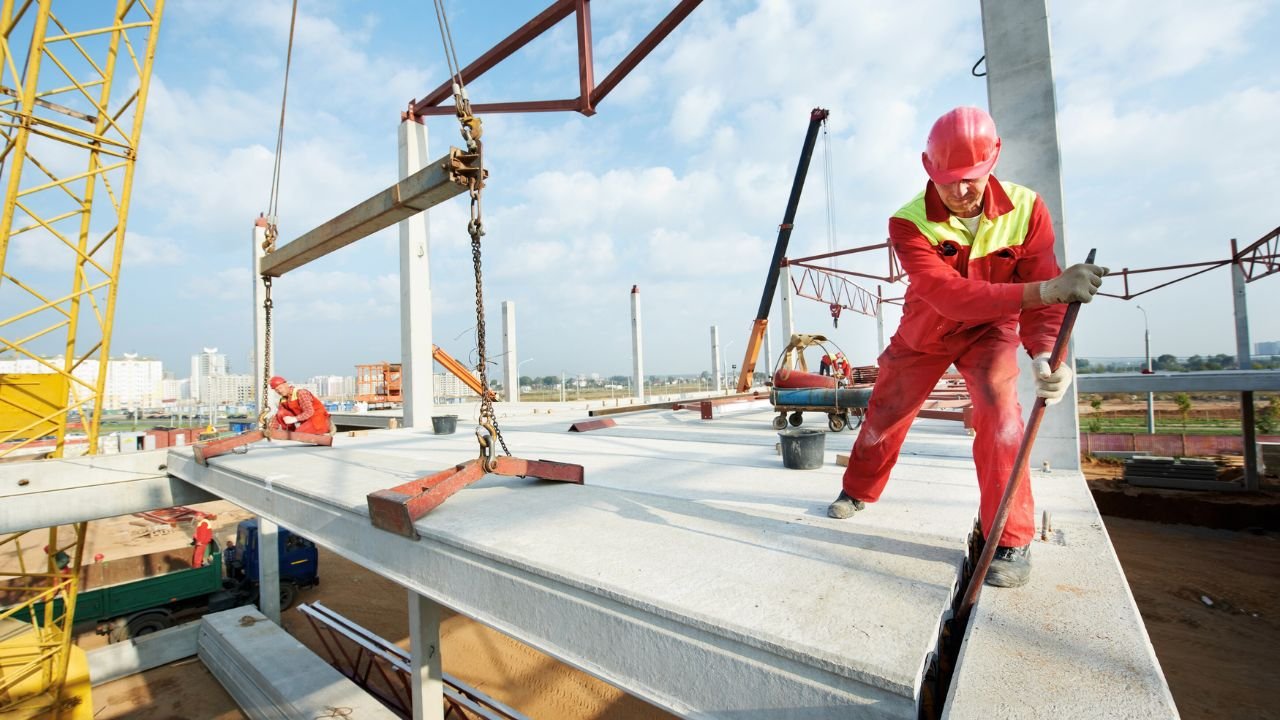
When it comes to pouring concrete for our foundation pad, following the right techniques is essential for achieving a durable and stable result. First, we’ll need to prepare the mix, ensuring it has the right consistency for our specific project. Next, we’ll start pouring from one end of the pad, working our way to the other to avoid cold joints. Using a screed board, we’ll level the surface, ensuring it’s even and meets our design specifications. We should also take care to avoid overworking the concrete, as this can lead to weaken it. Finally, we’ll use a trowel or float to smooth the surface before we finish. By adhering to these techniques, we’re setting ourselves up for success.
As we move into the curing and finishing process, it’s vital to understand that this stage plays an important role in the longevity and integrity of our foundation pad. Proper curing allows the concrete to gain strength and durability, preventing cracks and weaknesses. Here’s how we approach this significant phase:
Although we may feel confident in our abilities, there are several common mistakes we can make during equipment foundation pad installation that can lead to costly setbacks. First, we often underestimate the importance of proper site preparation. Skipping the excavation of unsuitable soil or neglecting to compact the ground can result in an uneven foundation.
Next, we might overlook the significance of accurate measurements. If we don’t measure carefully, our pads may be misaligned, causing issues with machinery placement.
Additionally, failing to account for drainage can lead to water pooling, which compromises the pad’s integrity over time.
Lastly, we can rush the curing process, thinking it won’t impact strength. It’s vital to allow sufficient curing time to achieve the desired durability. By being mindful of these common pitfalls, we can facilitate a more successful installation and avoid unnecessary challenges down the road.
To guarantee our equipment foundation pads last as long as possible, we need to prioritize regular maintenance. By committing to a few simple practices, we can ascertain their longevity and reliability.
Inspect Regularly: Let’s check for cracks, shifts, or any signs of wear at least every three months. Early detection can save us from bigger issues.
Clean the Surface: Keeping the pads free of debris and dirt helps prevent moisture buildup, which can cause damage over time.
Reinforce Edges: We should consider adding protective barriers or edging to shield the pads from heavy traffic or equipment impacts.
Monitor Load Distribution: Ascertaining that weight is evenly distributed across the pads minimizes stress and prolongs their lifespan.
Florida’s weather can greatly impact the durability of our foundation pads, making it essential for us to understand these effects. The state’s high humidity and frequent rain can lead to moisture infiltration, which may weaken the concrete over time. We need to take into account that extreme heat can also accelerate the curing process, potentially causing cracks if not managed properly. Additionally, during hurricane season, strong winds and flooding pose significant risks, especially if our pads aren’t adequately anchored.
To mitigate these issues, we should select high-quality materials and employ proper installation techniques tailored to Florida’s climate. This includes using waterproof additives and ensuring proper drainage around the foundation pads. By acknowledging these weather-related challenges and taking proactive steps, we can enhance the longevity and reliability of our foundation pads, ensuring they stand strong against Florida’s unpredictable weather conditions.
As we explore successful installations of foundation pads, it’s essential to highlight real-world examples that showcase effective techniques and materials. These case studies demonstrate how proper planning and execution can lead to long-lasting support for machinery. Here’s what we’ve learned from our experiences:
Selecting the right equipment for our foundation pad installation is vital to guarantee ideal performance and longevity. We need to assess the specific requirements of our project, from the size of the pad to the type of machinery involved. For instance, heavier machinery like excavators might be necessary for larger pads, while smaller projects may only require compact equipment.
Additionally, we should consider the soil conditions and site accessibility, as these factors can influence our equipment choice. It’s also essential to make sure that the machinery we select can efficiently handle the volume of concrete we plan to use.
Don’t forget about safety and compliance; we’ll want equipment that meets industry standards. By carefully evaluating our project needs and matching them with the right tools, we can ensure a smoother installation process and avoid costly delays. Let’s make the right choices together, setting ourselves up for success!
Before diving into our project, we should take a moment to outline a clear plan that lays the groundwork for a successful installation. By following these steps, we can guarantee everything runs smoothly:
Site Assessment: Let’s evaluate the installation area for any potential obstacles or soil issues that may affect the foundation pad.
Design Planning: We need to determine the dimensions and specifications of the pad based on the equipment we’re supporting.
Material Selection: Choosing the right concrete mix and reinforcement materials is vital for durability and stability.
Permits and Regulations: We must check local regulations and obtain any necessary permits before we start pouring concrete.
A typical installation usually takes around one to three days, depending on various factors like site conditions and the complexity of the project. We’ve found that proper planning and coordination can greatly speed up the process. We make sure to communicate with you throughout, so you’re always in the loop. If unexpected challenges arise, we’ll adjust our timeline accordingly, but we aim to keep things on track and efficient.
Before we lay that solid foundation, we need to secure several permits. We’ll typically require a building permit, zoning approval, and possibly environmental permits, depending on our site. Imagine the thrill of starting our project, knowing we’re following every regulation. We should also check for any local codes or requirements that might apply. By ensuring we have the right permits, we set ourselves up for a smooth and successful installation process.
We can install foundation pads in rainy conditions, but we need to be cautious. Wet weather can affect the curing process of concrete, potentially compromising its strength. If the rain is light and we manage the site properly, we might be okay. However, for heavy rain, it’s best to postpone the installation. We’ll always prioritize quality and safety, ensuring a solid foundation for your project. Let’s keep the conditions in mind!
When we think about the costs of foundation pad installation, it can feel like we’re staring at a mountain of expenses! Typically, we’re looking at anywhere from $5 to $15 per square foot, depending on materials and site conditions. Don’t forget to factor in labor costs, which can add another layer of expense. So, when we plan, let’s budget wisely to guarantee our foundation is solid, supporting whatever we build above it!
We can determine if our site needs soil testing by looking for signs like uneven ground, drainage issues, or excessive moisture. If we’re planning to build something heavy, it’s wise to test the soil to guarantee it can support the structure. Local regulations may require testing as well. It’s always best to consult with a professional who can evaluate our specific site conditions and recommend the appropriate steps.
 Call Now