
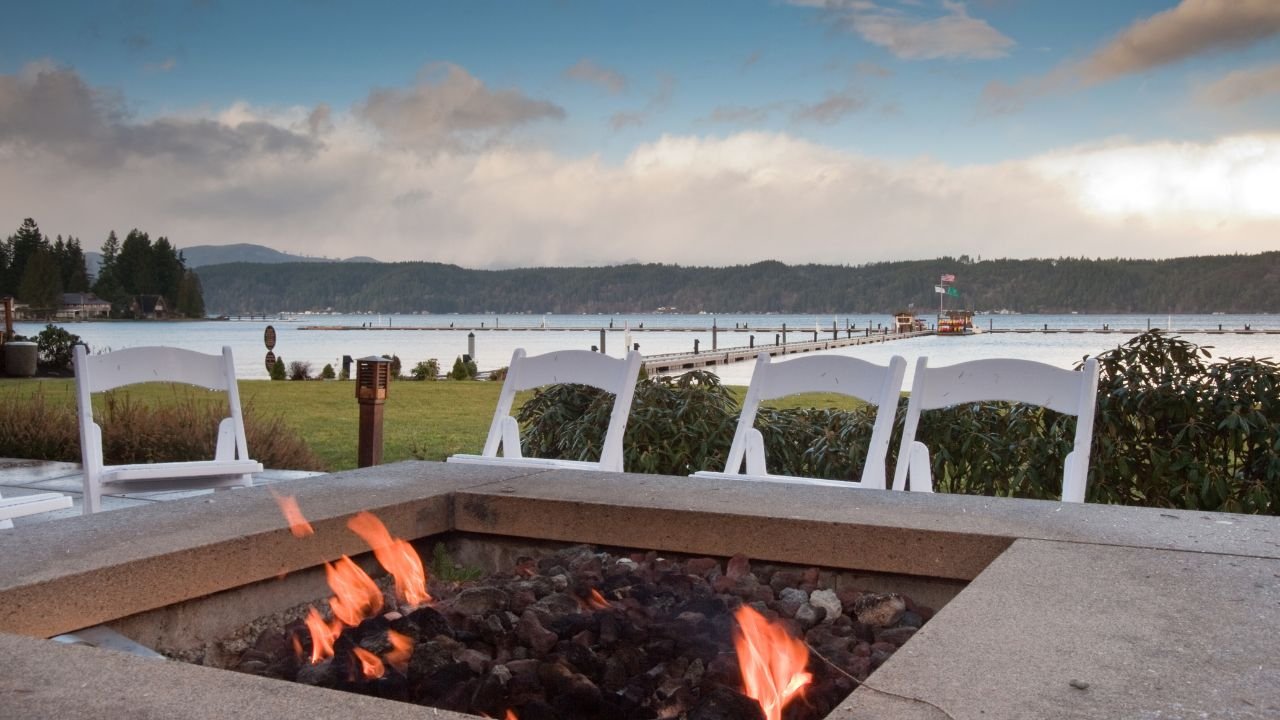
When it comes to fire pit foundation installation, we recognize the importance of a solid base for safety and durability. Choosing the right location is essential, as it can enhance your outdoor gatherings. We’ll explore various types of foundations and the best materials to use. Plus, we’ll share insights on customization and maintenance that can make a significant difference. Let’s uncover what makes a fire pit truly stand out in your outdoor space.
When we think about creating the perfect outdoor space, a solid fire pit foundation should be at the top of our list. A stable foundation guarantees not only safety but also longevity for our fire pit. Without it, we risk uneven ground, which can lead to dangerous tipping and poor heat distribution. We want our gatherings to be enjoyable, not stressful, and a robust base eliminates those concerns.
Moreover, a proper foundation helps prevent erosion and keeps the area looking neat and tidy. It also allows for better drainage, reducing the chances of water pooling around our fire pit. By taking the time to establish a strong base, we’re investing in countless cozy evenings under the stars, with friends and family gathered around a warm, inviting fire. Let’s prioritize this essential step, guaranteeing our outdoor space becomes a cherished retreat for years to come.
Selecting the right location for our fire pit can make all the difference in creating an enjoyable outdoor experience. We want to guarantee that our fire pit is not only functional but also enhances the atmosphere of our outdoor space. Here are some key factors to take into account when choosing the perfect spot:
As we immerse ourselves in the different types of fire pit foundations, it’s essential to recognize that the right choice can greatly influence the durability and safety of our fire pit. There are several foundation options we can consider, each with its unique benefits.
First, a concrete slab provides a solid, long-lasting base that can withstand heat and weather. Then, we have gravel foundations, which allow for drainage and can be easily leveled. If we’re looking for a more natural aesthetic, a stone or brick base can blend beautifully with our outdoor environment.
Another option is compacted soil, which is cost-effective and simple but may require more maintenance over time. Finally, we might consider paver stones, offering a great balance between durability and style. Understanding these types helps us make an informed decision that suits our fire pit needs and enhances our outdoor experience.
While we explore the various materials for fire pit foundations, it’s important to choose options that balance durability with aesthetic appeal. The foundation needs to withstand heat and weather while complementing our outdoor space. Here are some popular materials we can consider:
Before we start building our fire pit, we need to assess and select the right site for it. Clearing and leveling the ground is essential, along with evaluating soil stability to guarantee our foundation is solid. Let’s get started on preparing the ground for a safe and enjoyable fire pit experience!
How do we guarantee our fire pit will be both safe and enjoyable? It all starts with a thorough site assessment and selection. We need to choose the right location to guarantee ideal safety and comfort for everyone. Here are some key factors to take into account:
After we’ve chosen the perfect spot for our fire pit, it’s time to prepare the ground for installation. First, we need to clear the area of any debris, such as rocks, sticks, or grass. This guarantees a clean workspace and prevents any obstacles during installation. Next, we’ll grab our tools and start leveling the ground. Using a shovel, we can fill in low spots and remove any high areas to create a flat surface. This step is essential, as a level foundation helps our fire pit sit properly and guarantees safety during use. Once the ground is clear and even, we’re ready to move on to the next steps in building our perfect outdoor gathering space!
Soil stability is essential for a successful fire pit installation, as it guarantees our foundation can support the weight and heat generated by the fire. Before we plunge into construction, we need to evaluate the soil’s characteristics to guarantee durability and safety. Here’s what we should consider:
Before we plunge into the details of the excavation process, it’s important to understand that this step lays the groundwork for a stable fire pit foundation. We start by clearly marking the area where the fire pit will sit, ensuring we’ve got the right dimensions. Next, we dig down to a depth that suits our planned base, typically about 6 to 12 inches, depending on the soil type and drainage needs.
As we excavate, we remove any debris, rocks, or roots that could compromise stability. We also pay attention to the soil condition, ensuring it’s firm and well-draining. This is vital because poor drainage can lead to future settling or shifting.
Once we’ve achieved the desired depth and cleared the area, we have a solid foundation ready for the next stages. This careful excavation process sets the stage for a fire pit that’s not only functional but safe and long-lasting.
Once we’ve completed the excavation, it’s time to build a gravel base that will provide excellent drainage and stability for our fire pit. This base is vital for preventing water accumulation and guaranteeing our fire pit remains level. Here’s how we can do it effectively:
Now that we’ve set our gravel base, we’re ready to tackle the concrete foundation. We’ll cover the essential site preparation steps, share some concrete mixing techniques, and discuss curing and finishing tips to guarantee a solid and durable foundation. Let’s get started!
To guarantee a solid foundation for our fire pit, we’ll need to focus on key site preparation steps. Proper preparation guarantees our fire pit is stable and safe for use. Here’s what we should do:
Mixing concrete properly is vital for creating a strong foundation for our fire pit. First, we’ll gather our materials: cement, sand, gravel, and water. We suggest using a concrete mixer for a consistent mix, but a wheelbarrow and shovel can work too. It’s important to follow the right ratio—typically one part cement, two parts sand, and three parts gravel. Gradually add water until the mix is workable but not soupy. We need to guarantee there are no dry pockets or clumps. Mixing for about three to five minutes will help achieve the right consistency. Once mixed, we can quickly pour it into our prepared area, making sure it’s leveled and packed down. This solid base will support our fire pit well.
After we’ve poured our concrete and confirmed it’s leveled and packed down, the next step is curing and finishing the foundation. Proper curing is essential to guarantee our concrete sets correctly and gains strength. Here are some tips to keep in mind:
Following these steps will help us achieve a solid and durable fire pit foundation.
When we think about installing a fire pit, guaranteeing proper drainage is essential to prevent water accumulation and potential damage. We should start by selecting a location that naturally slopes away from the fire pit area. This helps direct rainwater away and keeps our foundation dry. If the natural slope isn’t present, we can create a slight slope by leveling the ground before laying the foundation.
Next, we can incorporate drainage solutions like gravel or drainage pipes around the fire pit. Gravel allows water to flow through while maintaining stability. If we opt for drainage pipes, they should be positioned to channel water away from the pit effectively.
Finally, we should consider installing a drainage system in the surrounding landscape to manage excess water. By taking these steps, we’ll guarantee our fire pit remains dry and functional, enhancing our outdoor experience for years to come.
To guarantee a safe fire pit experience, we must incorporate several key safety features right from the start. By taking these precautions, we can enjoy our gatherings without worrying about potential hazards. Here are some important safety features to take into account:
As we commence on designing our fire pit, it is crucial to take into account various elements that enhance both aesthetics and functionality. First, we should consider the size and shape of the fire pit, ensuring it fits our outdoor space without overwhelming it. Next, let’s think about the materials we’ll use; options like stone, brick, or metal can create different looks and durability levels.
We also need to evaluate the fire pit’s placement. Positioning it away from overhanging branches and structures will promote safety while maximizing our enjoyment. Additionally, incorporating seating around the fire pit can create a welcoming environment for gatherings.
Finally, let’s not forget about the surrounding landscape. Integrating the fire pit into our existing outdoor decor will provide a cohesive look, making our space feel complete and inviting. By considering these elements, we can create a fire pit that’s both beautiful and functional.
Building on our design considerations, customizing the aesthetic of our fire pit allows us to express our personal style while enhancing the overall ambiance of our outdoor space. There are countless ways to make our fire pit unique and inviting. Here are some ideas we can consider:
While we enjoy our fire pit, it’s vital to keep the foundation in good shape to guarantee safety and longevity. Regular inspections are essential; let’s check for cracks or shifting in the concrete. If we notice any damage, we should address it promptly to prevent further issues.
Cleaning the area around the fire pit is another important step. We can remove debris, such as leaves and branches, that might accumulate and pose a fire risk.
We should also verify proper drainage around the foundation. Standing water can weaken the concrete over time, so let’s make sure the area slopes away from the fire pit.
Lastly, we recommend sealing the concrete every few years. This will protect it from moisture and heat damage, keeping our fire pit foundation strong for many seasons to come. By staying proactive, we can enjoy our fire pit safely and beautifully for years ahead.
When we consider installing a fire pit foundation, hiring professionals can really make a difference. Their expert knowledge and skills not only guarantee a sturdy setup but can also save us time and money in the long run. Let’s explore how their experience can lead to a hassle-free installation process.
Having a professional install your fire pit foundation not only guarantees safety but also assures longevity and functionality. Their expertise guarantees that every aspect of the installation is handled correctly, reducing the risk of issues later on. We benefit from their specialized knowledge and skills, which contribute to a successful project. Here’s what we gain by choosing professionals:
Choosing professional installation for our fire pit foundation not only saves us time but also helps us avoid unexpected costs. When we rely on experts, we tap into their knowledge, which allows for efficient planning and execution. They know the best materials and techniques, ensuring our project runs smoothly from start to finish. This minimizes delays that often lead to higher expenses, like additional labor or materials. Furthermore, professionals can spot potential issues before they become costly problems. By investing in skilled installation, we’re not just paying for a service; we’re securing peace of mind. Ultimately, the time we save and the costs we avoid make professional installation a smart choice for our outdoor space.
Our customers often share their positive experiences after installing a fire pit foundation, and it’s clear that many are thrilled with the transformation it brings to their outdoor spaces. We love hearing how our work has enhanced their outdoor living, making it a perfect spot for family gatherings and cozy nights.
Here are some highlights from their testimonials:
These testimonials reflect our commitment to quality and customer satisfaction in every project we undertake.
Typically, a fire pit foundation installation takes about one to two days. We assess the site, prepare the ground, and pour the concrete, ensuring everything’s level and secure. Weather factors can sometimes cause delays, but we always aim to complete the job efficiently. Once the foundation’s set and cured, you’ll be ready to enjoy your fire pit for gatherings and relaxation. It’s exciting to see everything come together!
When we install a fire pit foundation, we typically need to check local regulations for any required permits. Often, we’ll need a building permit, especially if the fire pit is permanent. It’s crucial to confirm zoning laws too, as some areas have restrictions on fire pits. We recommend reaching out to your local municipality to guarantee we’re following all guidelines and securing the necessary permits before starting our project.
Absolutely, we can install a fire pit foundation ourselves! Did you know that nearly 60% of homeowners tackle DIY outdoor projects? It’s a rewarding experience that allows us to customize our space. However, we need to guarantee we have the right tools, materials, and knowledge about local regulations. Planning carefully and following safety guidelines will make our project successful. With some effort, we can create a cozy spot for gatherings!
When we consider the costs of installing a fire pit foundation, we typically look at materials, labor, and any permits needed. Materials like gravel, concrete, and bricks can range from $200 to $1,000, depending on what we choose. Labor costs can add another $500 to $2,000 if we hire professionals. In total, we might spend anywhere from $700 to $3,000. It’s crucial to budget wisely for this outdoor project!
Yes, there are often local regulations for fire pit usage, and it’s crucial for us to check these before setting up our fire pit. Regulations can vary by area, covering aspects like size, materials, and safety distances from structures. We should also be aware of any burn bans during dry seasons. By following these guidelines, we guarantee that our fire pit experience is enjoyable and safe for everyone in our community.
 Call Now