When we think about food safety, the surfaces in our facilities often don’t get the attention they deserve. At Sanitary Concrete Squad Florida, we specialize in food-grade concrete installations that meet strict industry standards. Our approach guarantees durability and hygiene, essential for any food processing environment. But what exactly makes our installations stand out? Let’s explore the benefits and features of food-grade concrete surfaces that can transform your facility.
When we think about the materials we use in food production, understanding food-grade concrete is essential. This specialized concrete is designed to meet stringent health and safety standards, ensuring it’s safe for environments where food is processed. It’s non-porous, which means it doesn’t absorb liquids or harbor bacteria, making it ideal for kitchens and food processing areas.
We should also note that food-grade concrete is often treated with antimicrobial agents, further enhancing its sanitary properties. Its smooth surface not only facilitates easy cleaning but also helps prevent contamination.
Additionally, food-grade concrete can withstand the heavy loads typical in food production settings, ensuring durability and longevity. Knowing these features helps us make informed decisions about our facilities. By using food-grade concrete, we’re investing in a safer, cleaner environment for food production, which ultimately benefits everyone involved—from producers to consumers.
Ensuring food safety in our facilities isn’t just a regulatory requirement; it’s a fundamental responsibility we share to protect public health. When we think about food safety, we recognize it encompasses everything from cleanliness to proper equipment. Each of us plays a crucial role in maintaining high standards, which directly impacts the well-being of our customers.
By prioritizing safety, we build trust and credibility with our clientele, ensuring they can enjoy their meals without worry. It’s not just about compliance; it’s about creating an environment where food can be prepared and served without risks.
When we implement effective safety protocols, we minimize the chances of contamination and foodborne illnesses. This commitment to safety reflects our values and dedication to quality. As we work together to uphold these standards, we contribute to a healthier community, ensuring that everyone can enjoy safe, nutritious food.
Food-grade concrete surfaces offer numerous advantages that enhance both safety and efficiency in food facilities. First and foremost, these surfaces are non-porous, preventing the absorption of bacteria and contaminants, which is essential for maintaining hygiene standards. We also benefit from their durability; they withstand heavy foot traffic and equipment use without cracking or degrading over time. This longevity reduces the need for frequent repairs or replacements, saving us money in the long run.
Additionally, food-grade concrete surfaces are easy to clean and maintain. Unlike traditional flooring options, they resist staining and don’t harbor dirt or grime, making our sanitation processes quicker and more effective. They can be designed to meet specific slip-resistance requirements, providing safety for our staff and visitors. Overall, by choosing food-grade concrete, we’re investing in a safer, more efficient environment that supports our commitment to food safety.
When it comes to food-grade concrete, we can’t overlook its essential features that guarantee hygiene and safety. These surfaces not only meet strict standards but also offer impressive durability and easy maintenance. Let’s explore how these qualities make food-grade concrete a top choice for our culinary environments.
While we may not always think about it, hygiene and safety standards play an essential role in the installation of food-grade concrete surfaces. These standards guarantee that our surfaces not only meet regulatory requirements but also provide a safe environment for food preparation and storage.
Here’s a quick overview of key hygiene and safety aspects:
| Feature | Importance |
|---|---|
| Non-porous Surface | Prevents bacteria growth |
| Chemical Resistance | Withstands cleaning agents |
| Seamless Installation | Reduces contamination risks |
As we consider the installation of concrete surfaces in food environments, we can’t overlook their remarkable durability and low maintenance requirements. Food-grade concrete stands up to heavy foot traffic, spills, and abrasions, ensuring a long-lasting solution for our facilities. This resilience means fewer repairs and replacements, which ultimately saves us time and money.
Additionally, these surfaces are resistant to mold, bacteria, and stains, making them easy to clean and maintain. With just a simple wash and occasional sealing, we can keep them looking new while adhering to hygiene standards. Choosing food-grade concrete not only enhances our operational efficiency but also supports a safer, cleaner environment for food preparation and storage. It’s a smart investment for our industry.
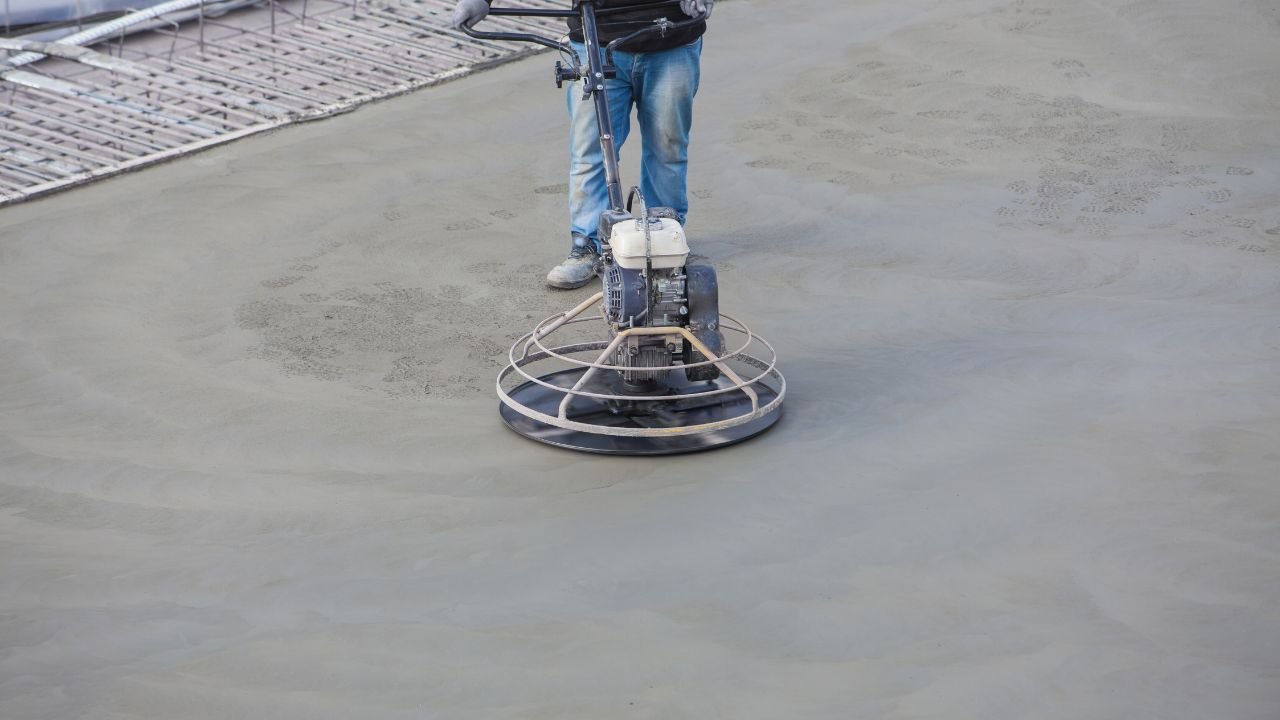
To guarantee a successful installation of food-grade concrete surfaces, we need to follow a systematic approach that prioritizes cleanliness and precision. First, we prepare the site by cleaning the existing surface and making certain it’s free from contaminants. Then, we measure and mark the areas needing concrete application.
Next, we mix the concrete according to specified proportions and pour it into the designated areas. After pouring, we level the surface and allow it to cure properly.
Here’s a quick overview of the process:
| Step | Action | Purpose |
|---|---|---|
| Site Preparation | Clean and clear area | Make certain contamination-free |
| Mixing | Combine ingredients | Achieve desired consistency |
| Pouring and Leveling | Distribute evenly | Create a smooth surface |
When it comes to choosing the right concrete mix, we need to take into account the composition carefully. The strength and durability of our surface depend on it, along with any additives that can enhance performance. Let’s explore how each of these factors plays a vital role in our installation.
Choosing the right concrete mix is essential for ensuring a durable and safe food-grade surface. When we think about mix composition, we’re really considering the balance of materials that will impact the final product’s performance. A well-chosen mix combines aggregates, cement, and water in proportions that meet specific requirements for hygiene and functionality. Using high-quality materials helps prevent contaminants from seeping into the surface, maintaining a safe environment for food handling. Additionally, we should pay attention to additives that enhance workability and resistance to wear. By focusing on these elements, we can create a concrete surface that not only meets regulatory standards but also provides long-lasting durability. Together, we can make informed choices for ideal results.
Strength and durability are paramount in food-grade concrete surfaces, ensuring they withstand heavy use and resist wear over time. Choosing the right concrete mix is essential for achieving these qualities. We should consider factors like compressive strength and aggregate type to enhance durability.
Here’s a quick overview of some concrete mix options:
| Mix Type | Compressive Strength (psi) |
|---|---|
| Standard Mix | 3,000 – 4,000 |
| High-Strength Mix | 5,000 – 8,000 |
| Specialty Mix | 8,000+ |
To enhance the performance of food-grade concrete surfaces, we must consider various additives that improve specific properties. For instance, using plasticizers helps us achieve better workability without adding too much water, ensuring a denser mix. If we’re aiming for increased strength, incorporating silica fume can greatly boost compressive strength while reducing permeability. When we want to enhance resistance to chemicals and stains, we might add epoxy or other sealants to the mix. Additionally, air-entraining agents can improve freeze-thaw resistance, which is vital in certain environments. By carefully choosing these additives, we can tailor our concrete mix to meet the unique demands of food-grade applications, ensuring longevity and safety in our installations.
Before we begin the installation of food-grade concrete surfaces, it’s essential that we focus on effective surface preparation techniques. Proper preparation guarantees our surfaces are not just functional but also hygienic and durable. Here’s what we need to take into account:
Once we’ve meticulously prepared the surface, we can confidently move on to the application of food-grade coatings. This step is critical for guaranteeing a safe and hygienic environment. We typically start by choosing a high-quality, food-grade epoxy or polyurethane coating that meets regulatory standards. These coatings are designed to withstand harsh conditions, resist staining, and prevent bacterial growth.
As we apply the coating, we ascertain even coverage, using specialized tools for precision. It’s imperative to follow the manufacturer’s guidelines regarding mixing and application techniques to achieve ideal results. We pay close attention to drying times, as a proper cure is essential for the coating’s durability and effectiveness.
Once the application is complete, we perform a thorough inspection to confirm there are no imperfections. This final check assures that our food-grade surface is ready for use, creating a clean and safe area for food handling.
When considering flooring options for food-grade environments, how do seamless and traditional choices stack up? Both options have their merits, but seamless flooring often edges out traditional styles, especially in sanitary settings. Here’s what we should keep in mind:
Ultimately, choosing the right flooring option can greatly impact the cleanliness and functionality of your food-grade environment. We should weigh these factors carefully.
To keep our food-grade concrete surfaces in top shape, we need to establish a regular cleaning schedule. It’s also essential that we inspect for any damage and address it promptly. Finally, using proper sealing techniques will help maintain the surface’s integrity and hygiene.
Regular cleaning is essential for maintaining food-grade concrete surfaces, ensuring both hygiene and longevity. To keep our surfaces in top shape, we should follow a consistent cleaning schedule. Here’s what we recommend:
After establishing a reliable cleaning routine, we must also keep an eye out for any signs of damage to our food-grade concrete surfaces. Regular inspections help us catch issues early, preventing more significant problems down the line. We should look for cracks, chips, or discoloration, as these can indicate underlying issues that may compromise sanitation. If we notice any damage, it’s essential to assess the extent and decide on the best course of action. Ignoring small imperfections can lead to larger repairs and increased maintenance costs. By staying vigilant, we not only maintain the integrity of our surfaces but also guarantee a safe environment for food preparation and storage. Let’s prioritize these inspections as part of our overall maintenance strategy.
While we focus on maintaining our food-grade concrete surfaces, proper sealing techniques play an essential role in guaranteeing their longevity and hygiene. By applying the right sealants, we can effectively protect our surfaces from contaminants and wear. Here are some key sealing practices we should follow:
Although we often anticipate a smooth installation process, several challenges can arise when working with food-grade concrete surfaces. Identifying these challenges early helps us navigate them effectively.
| Challenge | Description |
|---|---|
| Surface Preparation | Ensuring the substrate is clean and level is essential. |
| Temperature Control | Maintaining ideal conditions affects curing time. |
| Moisture Issues | Excess moisture can compromise the integrity of the surface. |
| Timing | Coordinating various trades can lead to delays. |
| Finishing Techniques | Achieving a consistent finish requires skill and experience. |
When it comes to installing food-grade concrete surfaces, we must prioritize health and safety regulations to protect both workers and consumers. Meeting industry standards isn’t just a recommendation; it’s essential for compliance and quality assurance. Let’s explore how we can navigate these requirements effectively.
Assuring compliance with health and safety regulations is essential for anyone involved in food-grade concrete surface installation. We need to prioritize safety not just for ourselves but also for those who will use the spaces we create. Here are some key regulations to keep in mind:
With safety measures in place, we can now focus on industry standards compliance that governs food-grade concrete surface installation. Adhering to regulations such as the FDA and USDA guidelines guarantees that our installations meet the necessary sanitary requirements. We want to make certain our materials are food-grade certified, and our installation processes follow strict protocols to prevent contamination. Additionally, we must stay updated on local health codes and industry best practices. By complying with these standards, we not only protect public health but also enhance the longevity and performance of our concrete surfaces. It’s vital for us to maintain transparency with clients, making sure they understand the compliance measures we implement throughout the installation process.
As we explore case studies of successful food-grade concrete surface installations, it’s clear that these projects not only enhance hygiene but also improve operational efficiency. Each installation showcases the benefits that come from using high-quality materials and expert craftsmanship.
These examples illustrate the transformative power of food-grade concrete installations, reinforcing the importance of investing in the right solutions for food safety and operational success. We can all learn from these successful implementations.
While we may be tempted to focus solely on the benefits of food-grade concrete installations, understanding the associated costs is equally important for making informed decisions. First, we should consider the initial investment, which typically includes materials, labor, and any necessary equipment. While food-grade concrete tends to be more expensive than standard options, its long-term durability and hygienic properties often justify the upfront cost.
Next, we need to factor in maintenance expenses. Although food-grade surfaces require less frequent repairs, budgeting for routine cleaning and any unexpected fixes is wise. Additionally, installation time can impact costs; planning for potential delays can help us avoid surprises.
Lastly, we must remember the potential for increased efficiency in our operations. Investing in food-grade concrete may lead to savings over time by improving safety and reducing downtime. Balancing these cost considerations will help us make the best choice for our facility.
Emerging trends in food-grade concrete solutions promise to revolutionize the way we approach hygienic surfaces in food processing and preparation environments. As we look ahead, we can expect innovations that enhance safety, sustainability, and efficiency. Here’s what we’re excited about:
Together, we’re embracing these trends to guarantee our food-grade concrete solutions not only meet but exceed industry standards for hygiene and durability.
Food-grade concrete typically lasts anywhere from 10 to 30 years, depending on various factors like usage, maintenance, and environmental conditions. We’ve seen that with proper care, including regular cleaning and sealing, it can extend its lifespan considerably. It’s vital to choose high-quality materials and installation methods to guarantee durability. So, when considering food-grade concrete, we should think long-term and invest wisely for lasting results and safety in our spaces.
Absolutely, food-grade concrete can be repaired if damaged. While it’s designed for durability, wear and tear can happen. We can patch up cracks or chips, restoring its integrity. However, the repair process needs to be handled carefully to guarantee safety and hygiene. By addressing the damage promptly, we can extend the lifespan of the surface. So, don’t worry—repairing it is not just possible, it’s often straightforward!
We’ve got a variety of colors available for food-grade concrete surfaces! You can choose from classic shades like gray and white, or opt for vibrant colors such as blue, green, and even custom hues to match your brand or aesthetic. Each option not only enhances the visual appeal but also maintains the necessary safety and hygiene standards. Let’s explore your choices together, ensuring we find the perfect fit for your needs!
Yes, food-grade concrete is safe for outdoor use. We’ve found that it withstands various weather conditions and is designed to resist mold and bacteria growth. It’s durable and easy to clean, making it a great choice for outdoor kitchens or food preparation areas. Plus, its non-toxic properties guarantee that it won’t leach harmful substances into the environment. So, if you’re considering outdoor applications, we wholeheartedly recommend it!
Oh sure, let’s all dance on rubber mats while dreaming of concrete! Food-grade concrete stands tall against other flooring materials like a superhero in a cape. It’s durable, easy to clean, and doesn’t harbor bacteria, unlike those porous tiles that act like sponges for grime. While wood may charm us with its warmth, it can’t compete with the resilience and low-maintenance nature of food-grade concrete. We’re all about practicality, aren’t we?
 Call Now