
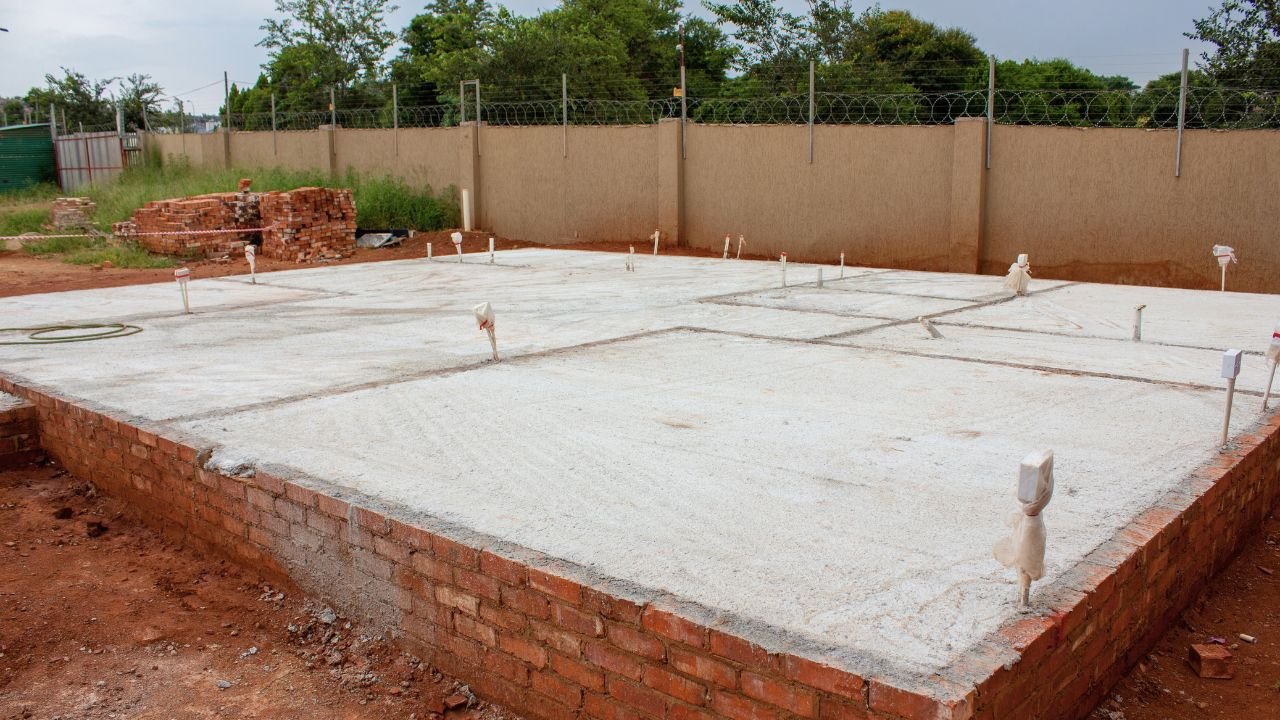
In Florida, nearly 1 in 5 homes are at risk of flooding, which highlights the urgent need for effective flood protection solutions. We recognize that elevating your home can greatly reduce water damage and lower insurance costs. But what exactly does an elevated foundation system entail, and how does it work to protect your property? Let’s explore the innovative strategies that guarantee your home remains safe in the face of rising waters.
When we think about living in Florida, we must acknowledge the unique flood risks that come with the territory. With its low-lying landscapes and proximity to the ocean, our state is particularly vulnerable to heavy rainfall and hurricanes. The combination of tropical storms and rising sea levels intensifies these risks, making it essential for us to stay informed and prepared.
Many areas experience seasonal flooding, and even minor storms can lead to significant water accumulation. It’s not just about the immediate impact; long-term flooding can damage our properties and disrupt our lives. We need to understand our local flood zones and keep an eye on weather forecasts, especially during hurricane season. By educating ourselves about these risks, we can make better decisions that protect our homes and families. Awareness is the first step in safeguarding our investments and ensuring our peace of mind in this beautiful but challenging environment.
Understanding our flood risks leads us to contemplate practical solutions for protecting our homes. Elevating our homes is one of the most effective strategies we can adopt. By raising our structures above potential flood levels, we not only safeguard our property but also enhance its value and longevity.
Here’s a quick look at the benefits of elevating our homes:
| Benefits of Elevating | Description |
|---|---|
| Flood Protection | Reduces risk of water damage |
| Increased Value | Higher resale potential |
| Insurance Savings | Lower premiums on policies |
| Enhanced Comfort | Improved air circulation |
As we consider these advantages, it becomes clear that elevating our homes isn’t just a precaution; it’s a smart investment in our future. By taking this proactive step, we can create a safer living environment and protect our families from the unpredictable nature of floods.
As we explore innovative solutions for flood protection, we find that technology and creativity are transforming how we safeguard our homes. By embracing new ideas, we can enhance our resilience against flooding. Here are four significant innovations:
Let’s explore how elevated foundation systems function to protect against flooding. We’ll look at the key structural design principles that make them effective, how they help mitigate flood risks, and provide an overview of the installation process. Understanding these aspects will give us a clearer picture of their benefits in flood-prone areas.
Elevated foundation systems utilize key structural design principles to protect buildings from flood damage effectively. By implementing these principles, we guarantee stability and resilience against rising waters. Here’s how these systems work:
These principles enable us to create a safe environment for homes and commercial properties, allowing communities to thrive even in flood-prone areas. By understanding these concepts, we can better appreciate the importance of elevated foundation systems in flood protection.
Building on the structural design principles we’ve discussed, flood risk mitigation is a primary focus of elevated foundation systems. These systems raise buildings above potential flood levels, considerably reducing the risk of water damage. By elevating a structure, we create a buffer zone that helps protect against rising waters and debris flow.
| Benefits | Description | Impact |
|---|---|---|
| Reduced Flood Damage | Elevation keeps structures dry | Lower repair costs |
| Increased Safety | Protects occupants during floods | Enhanced peace of mind |
| Insurance Savings | Often lowers premium rates | Reduced financial burden |
| Compliance with Codes | Meets local flood regulations | Legal protection |
| Improved Resale Value | Attracts buyers in flood-prone areas | Higher marketability |
Through these strategies, we can effectively safeguard our homes and properties from the devastating effects of flooding.
When we consider the installation process of elevated foundation systems, it is essential to understand the steps involved in transforming a conventional foundation into a flood-resistant structure. Here’s a brief overview of the installation process:
Concrete offers robust advantages for those living in flood-prone areas. First and foremost, its durability stands out. Unlike wood or other materials, concrete resists water damage, mold, and rot, ensuring a longer lifespan for our structures. This resilience not only protects our homes but also reduces maintenance costs over time.
Moreover, concrete’s weight provides stability during flooding. It can withstand strong currents, minimizing the risk of structural failure. Additionally, using concrete can enhance our home’s insulation, keeping energy costs down and improving comfort.
We also appreciate the versatility of concrete in design. Whether we’re building elevated foundations or retaining walls, it adapts to our needs, allowing for creative solutions that blend functionality with aesthetics.
Lastly, concrete is environmentally friendly when sourced responsibly, contributing to sustainability in our community. By choosing concrete, we’re making a smart investment in our safety and future.
As we face the realities of climate change and increasing flood risks, retrofitting existing structures becomes essential for ensuring their resilience. We can take several steps to enhance a building’s flood protection, making it safer for occupants and reducing potential damage. Here are four key retrofitting strategies we should consider:
While traditional building practices often overlook flood risks, we must prioritize resilience when constructing new homes. It’s vital to design our homes with the climate in mind, especially in flood-prone areas. By using elevated foundations and durable materials, we can greatly reduce water damage and guarantee the longevity of our properties.
Incorporating features like waterproof basements and storm-resistant windows not only protects our homes but also enhances their overall value. We should also consider landscaping that directs water away from the foundation, further minimizing flood risk.
Moreover, embracing local building codes and regulations that focus on flood resilience is essential. By doing so, we’re not just building houses; we’re creating safe havens for our families and communities. Let’s commit to making informed choices that promote safety and sustainability, assuring our new homes stand strong against whatever nature throws our way.
To effectively elevate foundations, we must first assess the specific needs of each property and its surrounding environment. This assessment helps us determine the best course of action. Here’s how we typically approach the process:
When it comes to flood protection, it is understood that every property presents its own unique challenges and requirements. That’s why we focus on crafting custom solutions tailored specifically to each site we encounter. We recognize that factors like location, elevation, and existing structures all play a critical role in determining the best flood protection strategy.
By closely working with you, we assess your property’s specific characteristics and needs. We incorporate innovative materials and techniques to create an elevated foundation system that not only protects against flooding but also enhances the overall integrity of your property.
Our team’s expertise allows us to implement solutions that are both effective and aesthetically pleasing, ensuring that your home or business remains safe without sacrificing its appearance. Together, we can navigate these challenges and develop a plan that’s right for you, ensuring peace of mind for years to come.
As we explore elevated foundation systems, it’s essential we comprehend the local building code requirements that guide our projects. Steering through the permitting process can seem overwhelming, but we’re here to simplify it. Let’s take a closer look at what we need to comply with to guarantee our flood protection efforts are not only effective but also lawful.
Understanding building code requirements is essential for guaranteeing our elevated foundation systems provide effective flood protection. By adhering to these codes, we assure safety and compliance. Here’s what we need to focus on:
Steering through the permitting process is essential for ensuring our elevated foundation systems comply with local building codes. This process can seem overwhelming, but we can break it down into manageable steps.
| Step | Description | Duration |
|---|---|---|
| Research | Understand local requirements | 1-2 days |
| Application | Submit necessary documents | 1 week |
| Review | Local officials assess application | 2-4 weeks |
| Approval | Receive permit to start construction | Varies by area |
While we often focus on the structural aspects of elevated foundation systems, drainage systems play an essential role in flood protection. Proper drainage helps redirect water away from our homes, minimizing the risk of flooding and damage. Here’s how effective drainage systems contribute to our flood protection strategy:
Investing in flood protection not only safeguards our homes but also enhances their long-term value. When we implement effective flood protection measures, we’re taking a proactive approach that can lead to significant financial benefits down the line. Homes in flood-prone areas often face depreciation due to perceived risk. By elevating our foundations or installing robust drainage systems, we’re not just protecting our property; we’re also making it more appealing to future buyers.
Moreover, insurance premiums can decrease with improved flood protection, which contributes to our overall savings. When we consider selling our homes, well-protected properties attract more interest and potentially command higher prices. It’s clear that investing in flood protection is a smart decision that adds value to our investments. Ultimately, we’re not just ensuring our peace of mind today; we’re also securing a brighter financial future for ourselves and our families tomorrow.
Customer testimonials and success stories highlight the real impact of elevated foundation systems on flood protection. We’ve seen how these systems transform lives and homes, offering peace of mind to families in flood-prone areas. Here are a few key benefits shared by our satisfied customers:
These stories inspire us and reaffirm our commitment to providing effective flood protection solutions. Together, we can safeguard our homes against nature’s unpredictability.
To guarantee our elevated foundation remains a reliable safeguard against flooding, regular maintenance is essential. We should start with routine inspections, looking for cracks or signs of wear. If we spot any issues, addressing them immediately can prevent bigger problems down the line.
Next, we need to confirm proper drainage around the foundation. Clogged gutters or downspouts can lead to water buildup, which may compromise our elevated system. Keeping landscaping well-maintained also helps; we want to avoid erosion that can undermine our foundation.
Additionally, we should check the supports and pilings regularly for any signs of rust or decay. When we notice anything unusual, it’s wise to consult a professional.
Finally, documenting maintenance activities can aid in tracking our foundation’s health over time. By staying proactive, we can confirm our elevated foundation continues to provide the protection we rely on against flooding.
As we face the realities of climate change, it’s essential we adapt our homes to rising waters. We can explore innovative construction techniques that not only protect our properties but also enhance their resilience. Together, let’s guarantee our elevated foundations are prepared for whatever the future holds.
While we can’t ignore the reality of rising waters due to climate change, we can take proactive steps to safeguard our homes and communities. Here’s what we can do together:
Innovative construction techniques are essential for us to tackle the challenges posed by climate change. By utilizing advanced materials and methods, we can create structures that withstand extreme weather events and rising water levels. For instance, raised foundations and flood-resistant barriers help protect homes from flooding, while permeable pavements allow for better water absorption. We’ve also seen the benefits of modular construction, which enables quicker assembly and adaptability to changing conditions. These techniques not only enhance safety but also promote sustainability, reducing our overall environmental impact. As we face unpredictable climate scenarios, embracing these innovations guarantees our communities remain resilient and prepared for the future. Let’s work together to implement these strategies and safeguard our homes and families.
The average cost of an elevated foundation system typically ranges from $15,000 to $30,000, depending on various factors like size, location, and materials used. We’ve found that customizing features or meeting specific local codes can influence the final price. It’s crucial to get multiple quotes from contractors to guarantee we’re making the best decision for our budget and safety. Investing in an elevated foundation can ultimately protect our property from flooding risks.
Imagine we’re planting a sturdy tree to weather any storm. The elevation process usually takes us about two to four weeks. We carefully prepare the site, pour concrete, and guarantee everything’s level and secure. Just like nurturing that tree, we take the time to do it right. Each step is essential for a strong foundation, so we won’t rush. Our goal is to provide you with a solid base for years to come.
Yes, we can still use the property during the elevation process, but some limitations might apply. While certain areas may be accessible, we should be mindful of ongoing work and potential hazards. It’s important to communicate with the team about what’s safe and what’s not. We’ll want to avoid disruptions to the crew and guarantee everyone’s safety. Keeping an open line of communication helps us enjoy our space while the project progresses.
You’d think elevated foundations require little upkeep, right? Well, we’ve got to stay on top of a few things. Regularly inspect for cracks, guarantee proper drainage, and check the piers or posts for signs of wear. We should also keep an eye on the soil around our foundation; erosion can sneak up on us. By staying proactive, we’ll maintain our elevated foundation’s integrity and enjoy peace of mind for years to come.
Yes, there’re financing options available for flood protection solutions! We can explore various programs, like government grants, low-interest loans, and even special financing plans offered by contractors. Many organizations understand the importance of protecting homes and are willing to assist. We should definitely check with local agencies and our contractors to find the best options that fit our needs. Investing in flood protection can save us money and stress in the long run!
 Call Now