
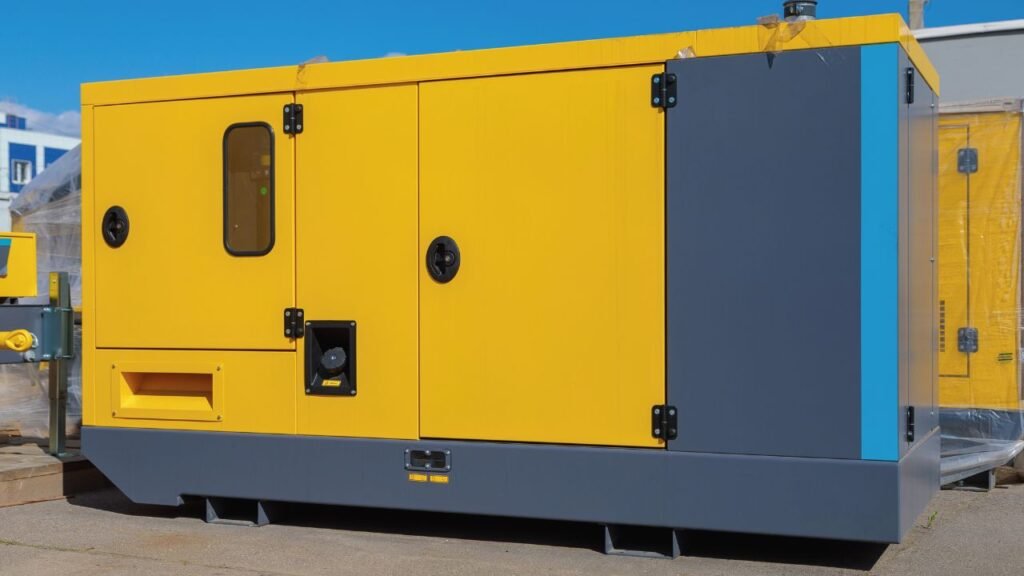
We recognize that some might think generator pad foundations are just an extra cost. However, they’re essential for ensuring your backup power system operates effectively, especially in Florida’s unpredictable weather. By investing in a sturdy foundation, we can enhance the longevity and efficiency of your generator. Let’s explore the different options and benefits of working with the Backup Power Ready Concrete Squad to secure your power needs when it matters most.
When we consider the stability and longevity of a generator, the importance of generator pad foundations becomes clear. A solid foundation guarantees that our generator remains level and secure, reducing the risk of operational issues. Without a well-constructed pad, we might encounter vibrations or shifting during use, potentially leading to costly repairs or downtime.
Moreover, a proper foundation protects our generator from moisture and environmental elements, which can cause rust and corrosion. By elevating the unit, we safeguard it against flooding and water damage, enhancing its lifespan.
Investing in a quality generator pad not only helps us maintain the generator’s efficiency but also guarantees safer operation. We can feel confident knowing that our backup power system is supported by a foundation designed for stability and durability. Ultimately, a reliable generator pad is essential for maximizing our investment and guaranteeing peace of mind during power outages.
While considering the right generator pad for our needs, it’s essential to understand the various types available. Each type serves unique purposes, and knowing these can help us make informed decisions.
| Type of Generator Pad | Material |
|---|---|
| Concrete | Durable and stable |
| Composite | Lightweight and easy to install |
| Steel | Corrosion-resistant and strong |
Concrete pads are the most common choice due to their durability and ability to withstand harsh weather. Composite pads offer a lighter alternative, making installation simpler. Steel pads, while less common, provide excellent strength and resistance against corrosion.
Choosing the right generator pad is just the first step; we must also recognize the importance of a sturdy foundation. A solid foundation guarantees our generator operates efficiently and safely, providing us with reliable backup power when we need it most. It minimizes vibrations and noise, keeping the generator stable and quiet during operation.
Additionally, a strong base helps protect the generator from environmental factors like flooding or shifting soil, which can lead to costly damage. We also enhance the longevity of our equipment by investing in a durable foundation, reducing the need for repairs or replacements down the line.
Moreover, a well-constructed pad can support the weight of heavier generators, guaranteeing they remain securely in place. Ultimately, a sturdy foundation is essential for maximizing our generator’s performance and lifespan, giving us peace of mind that we’ll have backup power ready when we need it.
Understanding local building codes in Florida is essential for anyone planning to install a generator pad. These codes guarantee our installations meet safety and operational standards, protecting both our property and the environment. First off, we should familiarize ourselves with zoning regulations, as some areas may have specific guidelines on where to place our generator pads.
Next, we need to pay attention to structural requirements, including the necessary foundation depth and materials. Local codes often dictate how we should anchor our generator to withstand Florida’s storms. Additionally, we must consider electrical permits, guaranteeing our generator connections comply with state regulations.
Finally, don’t forget about accessibility and maintenance. Many jurisdictions require clear access to our generators for servicing. By following these codes, we can guarantee our generator pad is not only functional but also legally compliant, giving us peace of mind when the power goes out.
When selecting materials for our generator pads, we should prioritize durability and weather resistance to guarantee long-lasting performance. Concrete is often our best choice due to its strength and ability to withstand harsh environmental conditions. Opting for a high-quality, reinforced concrete mix enhances stability and prevents cracking over time.
Additionally, we might consider using a concrete mix designed for specific weather conditions, which can offer extra protection against the elements. For those of us looking for added resilience, using a gravel base can help with drainage and provide extra support.
In some cases, we could explore composite materials, which can be lightweight and resistant to corrosion. However, we must confirm they meet local regulations and performance standards. Ultimately, selecting the right materials for our generator pads is essential for guaranteeing reliability and safety in our backup power systems.
Effective drainage is crucial for the longevity and functionality of our generator pads. Without proper drainage, water can accumulate around the generator, leading to potential damage and electrical issues. We need to guarantee that the area surrounding the pad is graded correctly, directing water away from the generator’s base.
It’s also essential to evaluate installing drainage pipes or channels if the site has a history of standing water. These systems can effectively manage excess moisture and prevent erosion around the pad.
We should also reflect on the type of soil in our area; sandy soils drain quickly, while clay soils can retain water. By analyzing these factors, we can make informed decisions about our generator pad’s placement and drainage solutions.
Ultimately, investing in proper drainage will safeguard our generator, assuring it operates efficiently when we need it most. Let’s prioritize this aspect for a reliable backup power system.
Before we begin the installation of our generator pad, we must carefully prepare the site to secure a solid foundation. First, let’s clear the area of any debris, vegetation, or obstacles that could interfere with the pad’s placement. We want a clean slate! Next, we’ll assess the ground for any uneven spots or soft soil that might require leveling or compaction. If we find soft areas, we might need to add gravel or soil to guarantee stability.
After that, it’s essential to check for proper drainage. We want to avoid water pooling around our generator pad, so let’s make sure the site slopes away from it. Finally, we’ll mark the dimensions of the pad to visualize its placement. With these steps, we’ll set ourselves up for a successful installation, ensuring our generator has a reliable, stable base to function when needed.
As we explore the installation process, it is crucial to understand the key steps that will guide us in setting up the generator pad effectively. First, we’ll need to guarantee the site is properly prepared, which lays the groundwork for a solid foundation. Then, we can proceed with the actual installation, adhering to best practices for durability and stability.
Here’s a quick overview of the important steps:
While we may focus on the installation of our generator pad, ongoing maintenance is essential to guarantee its longevity and performance. Regular checks and upkeep will help us avoid issues down the line. Here are some key maintenance tips:
| Task | Frequency |
|---|---|
| Inspect for cracks | Monthly |
| Clean debris | Bi-weekly |
| Check drainage | Seasonally |
| Secure connections | Annually |
Regularly inspecting the pad for cracks helps us catch problems early. Cleaning debris, like leaves and dirt, guarantees proper drainage. We should also check that water flows away from the pad, preventing erosion. Finally, securing any connections annually will keep everything stable. By following these tips, we can guarantee our generator pads remain in top shape, ready to provide reliable power when we need it most.
Even with proper maintenance, generator pads can encounter several common issues that may affect their performance. We’ve seen firsthand how these problems can arise, and it’s essential for us to recognize them early. Here are three common issues we should be aware of:
Upgrading our existing generator pad can markedly enhance its performance and longevity, especially if we’ve noticed issues like cracking or settling. First, we should assess the current pad’s condition to identify specific problems. If we find cracks, it’s essential to repair them promptly to prevent further damage. We might also consider reinforcing the pad with additional concrete or support beams, ensuring it can handle the weight and vibrations of our generator.
Next, we can evaluate the location of the pad. If it’s prone to water pooling, raising it or adjusting drainage can help avoid future issues. Finally, ensuring the surface is level and stable will contribute to ideal generator operation. By taking these steps, we not only improve the functionality of our generator but also extend the lifespan of our pad, giving us peace of mind during power outages.
Choosing the right size for our generator pad is essential for ensuring ideal performance and stability. A properly sized pad not only supports the generator but also helps in mitigating vibrations and managing drainage. Let’s consider a few key factors when determining the size:
When we consider the longevity of our generator pad, we must prioritize weather resistance and durability. A strong foundation is essential, especially in areas prone to heavy rain, extreme heat, or freezing temperatures. We should choose high-quality concrete that can withstand harsh conditions and resist cracking over time.
Additionally, using additives in our concrete mix can enhance its weather resistance, making it more resilient against moisture infiltration and temperature fluctuations. It’s also wise to guarantee proper drainage around the pad, preventing water accumulation that could weaken its structure.
Regular maintenance is key; checking for any signs of wear or damage allows us to address issues before they escalate. By focusing on these aspects, we can guarantee that our generator pad remains robust and functional, providing reliable support for our backup power needs for years to come.
When considering generator pad installation, we need to break down the costs involved to get a clear picture. This includes evaluating material expenses, analyzing labor costs, and accounting for site preparation fees. Understanding these factors will help us make informed decisions for our project.
Material expenses for generator pad installation can markedly impact our overall budget. Understanding these costs helps us plan effectively. Here are the main components we should consider:
Understanding labor costs is essential for accurately estimating the total expenses of generator pad installation. We need to evaluate various factors that influence these costs, including wages, project duration, and crew size. Below is a table that outlines typical labor cost components we often encounter:
| Cost Factor | Estimated Cost per Hour | Notes |
|---|---|---|
| General Labor | $25 | Skilled workers included |
| Equipment Operators | $35 | Specialized machinery use |
| Supervisors | $40 | Oversight and project management |
Labor costs are just one piece of the puzzle in generator pad installation; site preparation fees also play a significant role in the overall budget. We need to evaluate various factors that contribute to these costs, guaranteeing our site is ready for a solid foundation.
Here are some key components that affect site preparation fees:
When we think about securing reliable power, choosing Backup Power Ready Concrete Squad makes perfect sense. Their expertise in concrete solutions guarantees our generator pads are durable and well-prepared for any situation. With a solid infrastructure in place, we can trust that our backup power will always be ready when we need it most.
As we consider the critical role of generator pad foundations, our expertise in concrete solutions sets us apart. We acknowledge that a solid foundation is essential for reliable performance and durability. Here’s why choosing us makes sense:
With our commitment to excellence and attention to detail, we’re dedicated to delivering high-quality concrete solutions that you can depend on for years to come. Trust us to lay the foundation for your backup power needs.
Choosing the right foundation for your generator is essential, especially since a reliable power infrastructure can make all the difference in emergencies. At Backup Power Ready Concrete Squad, we recognize the importance of a solid and durable concrete pad. Our team combines expertise with high-quality materials to guarantee your generator operates safely and efficiently, even during power outages.
We’re dedicated to providing tailored solutions that meet your specific needs. By choosing us, you’re not just investing in concrete; you’re investing in peace of mind. Our foundations are designed to withstand the elements, guaranteeing your generator remains stable and functional when you need it most. Let’s work together to create a dependable power setup that you can trust in any situation.
Typically, a generator pad installation takes about one to three days, depending on various factors like site preparation and weather conditions. We’ll start by evaluating the area to guarantee everything’s suitable for the pad. Once we’ve got that sorted, pouring the concrete and letting it cure usually takes a day or so. After that, we’ll handle any final touches to confirm it’s ready for your generator. Overall, we’ll work efficiently to meet your needs!
Yes, we can install a generator pad ourselves if we’re comfortable with DIY projects. It involves some planning and physical work, like leveling the ground and pouring concrete. However, we need to check local codes and regulations to guarantee compliance. While it’s doable, we should consider our skill level and the tools required. If we’re unsure, hiring a professional might save us time and make sure it’s done correctly.
When we commence the journey of installing a generator pad, we must gather our tools and knowledge like knights preparing for a quest. We’ll need to check local regulations, as permits often include zoning, electrical, and building approvals. Some areas might even require inspections. We should always consult our local authority to guarantee we’re on the right path. By doing this, we safeguard our project and stay compliant with the rules!
We should inspect our generator pad at least twice a year, ideally before and after the storm season. Regular checks help us spot any cracks, shifting, or drainage issues that could affect performance. If we notice any problems, we need to address them promptly to guarantee our generator operates smoothly when we need it most. By staying proactive, we can extend the life of our generator and maintain its reliability.
When we think about building a generator pad, we often consider brands like Quikrete. For instance, a local contractor we are aware of used Quikrete’s high-strength concrete mix for a client’s generator pad, guaranteeing durability and stability. We recommend looking for concrete with at least 3,000 psi, which provides the necessary support. It’s important to choose a brand that meets these standards to make certain your generator stays safe and functional for years to come.
 Call Now