
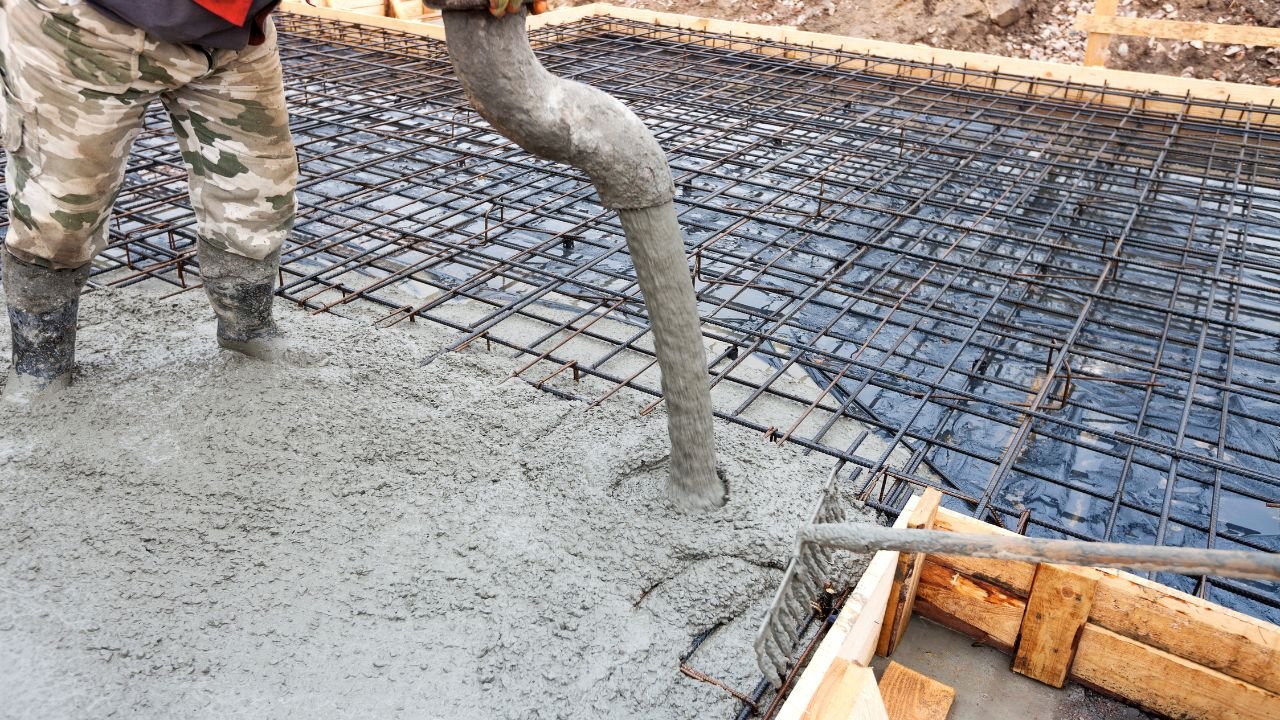
When it comes to building a home, we all know that a strong foundation is essential. At Concrete Squad Florida Foundation Experts, we focus on providing durable and reliable installations tailored to Florida’s unique conditions. We recognize the complexities involved in foundation work, from site preparation to waterproofing. Curious about how our process guarantees stability and longevity for your home? Let’s explore what sets our foundation installation apart.
When we think about building a home, the foundation is often overlooked, yet it’s the bedrock of our structure. A strong foundation supports everything we build on top of it, ensuring our home stands the test of time. It absorbs the weight of our walls, roof, and all the elements, distributing that weight evenly. Without it, we risk cracks, uneven floors, and even structural failure.
Let’s remember that the foundation influences our home’s energy efficiency, too. A well-constructed base can prevent moisture intrusion and reduce heating and cooling costs. Investing in a solid foundation means we’re investing in our home’s longevity and safety.
House foundations come in several types, each suited to different climates and soil conditions. Understanding these options helps us make informed decisions for our homes.
Here’s a quick overview of some common foundation types:
| Foundation Type | Description |
|---|---|
| Slab Foundation | A flat, concrete slab directly on the ground, ideal for warmer areas. |
| Crawl Space | Elevated design allowing easy access under the house, great for ventilation. |
| Basement | A full-height space below the house, providing extra storage and living area. |
Each type has its pros and cons, influenced by local conditions. By recognizing these variations, we can better assess which foundation suits our needs. It’s essential to consult with experts to guarantee we select the right foundation type for our specific situation.
When choosing a foundation, we need to take into account essential factors like soil type and load-bearing requirements. Understanding the soil’s characteristics helps us determine the best foundation type for stability. Additionally, knowing the load our structure will carry guarantees we select a foundation that can support it safely.
Understanding the soil type beneath our foundation is essential, as it greatly influences the stability and durability of our structure. Different soil types can react uniquely to moisture, weight, and environmental changes, which makes a thorough analysis vital.
Here are a few factors we should consider:
Selecting the right foundation involves careful consideration of load-bearing requirements to guarantee our structure remains stable and secure. We need to assess the total weight of the house, including materials and occupants, to determine the appropriate foundation type.
Here’s a quick overview of factors influencing load-bearing requirements:
| Factor | Description | Importance |
|---|---|---|
| Soil Type | Determines weight capacity | High |
| Building Materials | Affects total weight | Medium |
| Local Climate | Influences freeze-thaw cycles | High |
As we commence on the foundation installation process, it’s essential to lay a solid groundwork for our home. This stage is critical for guaranteeing our house stands strong and stable. First, we’ll mark the layout of our foundation, defining the exact dimensions. Next, we’ll excavate the area, removing any soil and debris that could interfere with the foundation’s integrity. Finally, we’ll pour the concrete, allowing it to cure properly for the best results.
Here are a few key points to remember during this process:
As we prepare the site for our foundation, it’s essential to assess the soil and its properties. We’ll conduct soil testing to guarantee it can support the structure and address any drainage considerations that might arise. Clearing the site properly will also set the stage for a solid and stable foundation.
Before we can lay a solid foundation for our house, we must conduct thorough soil testing to assess the site’s suitability. This step is essential, as it helps us understand the soil’s properties and guarantees our foundation will be stable and durable.
Here are the main soil testing procedures we should follow:
Clearing the site is a crucial step in preparing for our house foundation installation. Before we begin, we need to assess the area, ensuring it’s free from debris, vegetation, and any obstructions. We typically start by removing large trees and stumps, as they can interfere with foundation stability. Next, we clear away rocks, brush, and any existing structures. This process often involves using machinery like bulldozers and excavators, which help us efficiently remove unwanted materials. Additionally, we’ll level the ground to create a solid base, ensuring proper drainage and preventing future settling. By thoroughly clearing and preparing the site, we set the stage for a strong, durable foundation that will support your home for years to come.
Once the site is cleared and prepared, we must address drainage considerations to protect the foundation from water-related issues. Proper drainage minimizes the risk of flooding, soil erosion, and foundation damage. Here’s what we need to focus on:
As we commence on the essential task of foundation installation, understanding the right excavation techniques is imperative for ensuring a solid base. First, we assess the site to determine soil type and depth requirements. This helps us decide whether we’ll use hand tools for smaller areas or heavy machinery for larger excavations.
Next, we clear the area of vegetation and debris, ensuring a clean workspace. Using precise measurements, we outline the foundation’s dimensions, marking where we’ll dig. When we dig, it’s critical to maintain the correct depth and width to support the foundation properly.
We also keep safety in mind, reinforcing any trench walls if necessary to prevent collapses. Finally, we’ll manage water runoff and drainage during excavation to avoid complications. By employing these techniques, we create a stable and reliable foundation, setting the stage for a strong structure that will last for years to come.
Selecting the right materials for our foundation is essential to guarantee stability and longevity. When we choose wisely, we set the stage for a strong and durable home. Here’s what we should consider:
After we’ve chosen the right materials, the next step is mixing and pouring the concrete for our foundation. We’ll start by measuring the appropriate amounts of cement, sand, gravel, and water. It’s imperative to follow the right mix ratio to guarantee strength and durability. Once we’ve got everything measured, we’ll use a concrete mixer to blend the materials thoroughly. This process creates a uniform mixture that’s essential for a solid foundation.
When the mix is ready, we’ll pour it into the prepared foundation area. We need to work quickly, as concrete begins to set fast. Using tools like screeds and trowels, we’ll level and smooth the surface, making sure it’s even and ready for curing. Proper curing is critical, so we’ll keep the concrete moist for several days to help it reach its full strength. This careful mixing and pouring sets the stage for a strong foundation.
To guarantee our foundation withstands the test of time, we’ll need to incorporate effective reinforcement techniques. These techniques not only increase the durability of our foundation but also help prevent potential issues down the road. Here are some key methods we can use:
Using these reinforcement techniques, we can create a solid foundation that stands strong against environmental factors and guarantees our home remains stable for years to come. Let’s work together to make certain our foundation is built to last!
When it comes to our home’s foundation, waterproofing is essential for preventing water damage and ensuring longevity. We’ll explore effective techniques that can protect our foundation from moisture issues. Let’s take a closer look at how we can safeguard our investment.
Although we often focus on the aesthetic aspects of a home, waterproofing our foundation is essential for maintaining its structural integrity. When we neglect this vital step, we risk serious issues that could compromise our entire property.
Consider the following benefits of foundation waterproofing:
Waterproofing our foundation isn’t just an option; it’s a necessity for protecting our home from water damage. To effectively waterproof, we should start with a thorough inspection of our foundation for cracks or gaps. Using a high-quality sealant, we can fill these openings to prevent water intrusion. Installing a drainage system around our foundation, like French drains, helps redirect water away from our home. We should also consider applying a waterproof membrane to the exterior of our foundation walls for added protection. Additionally, keeping gutters clean and downspouts directed away from the foundation minimizes water pooling. By implementing these techniques, we can guarantee our foundation remains dry and secure, ultimately safeguarding our home for years to come.
Foundation issues can arise unexpectedly, often leading to significant structural problems if left unaddressed. We’ve encountered various common foundation problems that homeowners should be aware of, as recognizing them early can save us from costly repairs down the line. Here are a few issues we often see:
Addressing these issues promptly is essential. Solutions may include underpinning for settling foundations, proper drainage systems for water issues, or wall repairs for cracks. By staying vigilant and proactive, we can guarantee the longevity and stability of our homes. Remember, it’s always best to consult with professionals when we’re unsure.
To keep our foundation strong for years to come, we need to stay on top of regular inspections and repairs. It’s also essential that we manage drainage effectively and practice good landscape maintenance. By doing these things, we can prevent potential issues and guarantee our foundation remains solid.
While we may not always think about it, regular inspections and repairs are essential for maintaining a strong and stable foundation. By keeping an eye on our foundation, we can catch potential issues before they become costly problems. Here are some tips to help us stay proactive:
Neglecting proper drainage can lead to serious foundation issues, even if we’ve been diligent about inspections and repairs. To maintain our foundation’s integrity, we must guarantee that water flows away from our home. We can achieve this by installing gutters and downspouts that direct rainwater away from the foundation. Regularly checking and clearing these systems of debris is essential. Additionally, we should monitor the grading around our property; it should slope away from our foundation to prevent pooling. It’s also wise to avoid planting trees or large shrubs too close to our home, as their roots can disrupt our drainage systems. By taking these proactive steps, we help protect our foundation and extend its lifespan.
As we focus on maintaining our landscape, it’s crucial to remember that our foundation’s health is closely tied to our outdoor environment. Proper landscape maintenance helps us protect our foundation from potential issues. Here are some practices we can adopt:
When it comes to foundation installation, choosing the right experts is essential, and that’s where Concrete Squad Florida stands out. We pride ourselves on our extensive experience and commitment to quality, making us a reliable choice for your foundation needs. Our skilled team understands the nuances of Florida’s unique soil conditions, ensuring a stable foundation for your home.
Here’s a quick overview of what sets us apart:
| Feature | Benefit |
|---|---|
| Experienced Team | Expertise in local conditions |
| Quality Materials | Durability and longevity |
| Timely Completion | Less disruption to your life |
| Customer Support | We’re here for your questions |
At Concrete Squad Florida, we believe that our work speaks for itself, and nothing illustrates our commitment to excellence better than the testimonials from our satisfied customers. Their experiences highlight the dedication and quality we bring to every foundation project.
Here are a few things our customers often mention:
These success stories motivate us to continue delivering exceptional service. We listen to our clients’ needs and work closely with them to guarantee their vision becomes a reality. When our customers are happy, we recognize we’ve done our job right, and their testimonials inspire us every day to maintain that standard of excellence.
Looking for a reliable partner for your foundation needs? We’re here to help! At Concrete Squad, we recognize that a solid foundation is essential for your home’s stability and longevity. Our team of experts is dedicated to providing you with tailored solutions that meet your unique requirements. Whether you’re building a new home, repairing an existing foundation, or need specialized services, we’ve got you covered.
When you reach out to us, you’ll find a friendly team ready to listen and answer your questions. We believe in clear communication and transparency throughout the entire process. Our commitment to quality and customer satisfaction means you can trust us to do the job right.
Don’t hesitate—contact us today to discuss your foundation needs. We’re excited to partner with you and guarantee your home stands strong for years to come. Let’s build something great together!
The foundation installation process typically takes about one to three weeks, depending on various factors like weather and site conditions. Once we’ve completed the excavation, we’ll pour the concrete and allow it to cure. After that, we’ll move on to the framing. We recognize that this timeline can vary, but we’re here to keep you informed every step of the way, ensuring a smooth and efficient process for your project.
When it comes to foundation installation in Florida, we need to secure a few essential permits. Typically, we’ll require a building permit and a site development permit. Depending on the location, we might also need environmental permits. Isn’t it fascinating how these regulations guarantee safety and compliance? By checking with local authorities, we can streamline the process, guaranteeing our foundation is solid, both structurally and legally. Let’s make certain we’ve got everything in order!
We can’t usually live in our home during foundation work. The process often involves significant structural changes that can make our living space unsafe or uncomfortable. Plus, there’s likely going to be noise, dust, and disruptions that would affect our daily routines. It’s best to find temporary accommodations until the job’s done, ensuring our safety and comfort while the foundation is being installed or repaired. Planning ahead makes the shift smoother.
Most homeowners don’t realize that a solid foundation can last over 100 years! When it comes to warranty on foundation installation services, we typically offer a minimum of 10 years. This gives us confidence in our work and reassures you about the investment. Depending on the specific project and materials, warranties can sometimes extend even longer. We’re committed to ensuring your foundation remains strong and reliable for years to come.
Weather conditions can greatly affect foundation installation timelines. Rain can delay our work, as wet soil complicates the process and can lead to safety hazards. Extreme heat can also slow us down, making it challenging for our team to work efficiently. We always monitor forecasts closely, planning around these factors to guarantee a solid foundation is laid properly. By staying flexible, we can adapt and keep the project on track despite the weather.
 Call Now