
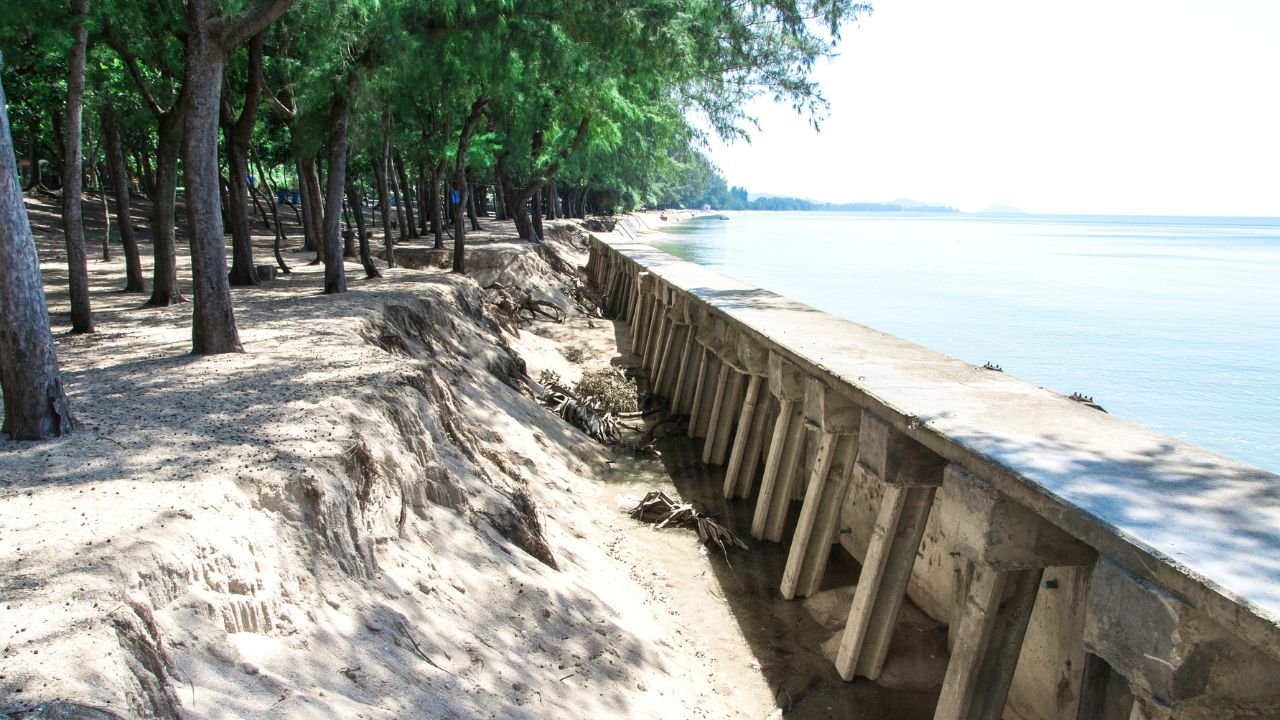
Have we ever considered how essential seawalls are in protecting our coastal properties? At Waterfront Concrete Squad Florida, we believe that understanding the purpose and importance of these structures is fundamental for any waterfront homeowner. From erosion prevention to enhancing property value, their benefits are significant. But what factors should we consider when choosing or constructing a seawall? Let’s explore the intricacies that go into these critical marine foundations.
When we think about coastal protection, understanding the purpose and importance of seawalls becomes essential. Seawalls serve as barriers between the ocean and our valuable shorelines, helping to prevent erosion and flooding. They protect not only the land but also the infrastructure, homes, and ecosystems that thrive in coastal areas. By absorbing and reflecting wave energy, seawalls minimize the impact of storms and high tides, safeguarding our communities from potential disasters.
Moreover, they play a significant role in maintaining beach integrity, ensuring that our recreational spaces remain accessible. Without these structures, many coastal environments would face severe degradation. As we explore the significance of seawalls, it’s clear they’re not just concrete barriers; they’re fundamental components in preserving our coastal ecosystems and enhancing our safety. Understanding their purpose helps us appreciate the critical role they play in maintaining both our environment and our way of life.
Seawalls come in various designs, each tailored to specific coastal conditions and needs. When we’re looking at options, we typically consider vertical, sloped, and hybrid seawalls. Vertical seawalls are great for high-energy environments where waves crash directly against them. They’re sturdy but can cause erosion at the base. Sloped seawalls, on the other hand, are designed to absorb wave energy, reducing erosion and promoting natural beach restoration. If we’re in a situation where both functionalities are needed, hybrid seawalls combine the benefits of both designs.
It’s also essential to think about materials. Concrete, vinyl, and steel are popular choices, each with unique strengths and weaknesses. We’ll want to assess the site’s specific conditions—like wave action and soil type—to choose the best seawall for our needs. By understanding these options, we can make informed decisions that protect our shoreline effectively.
Building a seawall involves several essential steps that guarantee its effectiveness and durability. First, we assess the site, checking for soil conditions and water levels. Then, we prepare the area by excavating and leveling the ground. Next, we install the foundation, which supports the seawall structure.
Here’s a breakdown of our construction process:
| Step | Description | Importance |
|---|---|---|
| Site Assessment | Evaluate soil and water conditions | Guarantees stability and longevity |
| Excavation | Clear and level the area | Prepares a solid base for construction |
| Foundation Installation | Lay the groundwork for the seawall | Provides necessary support and strength |
Finally, we construct the seawall, using techniques that fit the site’s specific needs. Each step we take is essential in creating a seawall that stands the test of time, protecting our waterfront properties from erosion and damage.
As we explore common materials used in seawall construction, we’ll find that concrete plays an essential role in providing strength and durability. We’ll also look at the various reinforcement materials that enhance the seawall’s structural integrity. Understanding these components helps us appreciate how they work together to protect our coastlines.
In the domain of seawall construction, concrete serves as the backbone of durability and strength. We often choose specific types of concrete based on their unique properties to guarantee long-lasting performance in challenging marine environments. Here are some common concrete types we use:
While constructing seawalls, we often rely on various reinforcement materials to enhance structural integrity and resilience against harsh marine conditions. One of the most common materials we use is steel rebar, which provides tensile strength, preventing cracking and shifting. Fiber reinforcement, such as polypropylene, is also popular; it helps reduce shrinkage and improves impact resistance. In coastal environments, we sometimes incorporate corrosion-resistant materials like stainless steel or epoxy-coated rebar to combat saltwater damage. Additionally, geogrids can be employed to distribute loads and stabilize soil behind the seawall. By carefully selecting these reinforcement materials, we guarantee that our seawalls stand strong against the relentless forces of nature, protecting both the structure and the surrounding environment.
Understanding the factors influencing seawall design is essential for ensuring their effectiveness and longevity. Several key elements play a critical role in shaping how we approach seawall construction:
Marine foundations play an essential role in supporting waterfront properties, especially when we consider the unique challenges posed by coastal environments. These structures provide stability and durability, ensuring that homes and businesses remain safe from erosion and other water-related issues. By anchoring our properties to solid ground beneath the water, we create a reliable base that withstands the forces of waves, tides, and storms.
Moreover, marine foundations help mitigate the impacts of shifting soils and fluctuating water levels, which are common in coastal areas. They also allow for the construction of docks, piers, and other amenities that enhance our waterfront experience. As we invest in properties along the coast, understanding the importance of robust marine foundations becomes critical. By prioritizing these foundations, we not only protect our investments but also contribute to the longevity and sustainability of our beloved waterfront environments.
We all want our waterfront properties to stay safe and secure, but it’s important to keep an eye on our seawalls. If we notice cracks, damage, or signs of erosion and settling, it might be time to think about repairs. Let’s explore these warning signs together so we can protect our investments.
While enjoying the serene view of the waterfront, we often overlook the essential role our seawalls play in protecting coastal properties. However, if we notice signs of cracks or damage, it’s vital to act quickly. Here are some key indicators that our seawall needs repair:
After addressing cracks and damage, it’s important to evaluate how erosion and settling can also signal that our seawall needs repair. If we notice soil washing away or uneven ground near the base of the seawall, it’s a clear indication that erosion is taking its toll. Settling can lead to misalignment, causing our seawall to lean or bow, which compromises its integrity. We should also look for gaps between the seawall and the surrounding soil or pavement. These signs often mean that water is infiltrating, worsening the situation. Regular inspections can help us catch these issues early, ensuring our seawall continues to protect our waterfront property effectively. Let’s stay proactive to maintain its strength and functionality.
As seawalls endure the relentless forces of nature, restoring their integrity becomes crucial for protecting coastal properties. We understand that a thorough repair process can rejuvenate a seawall, guaranteeing it continues to serve its essential purpose.
First, we assess the damage, checking for cracks, erosion, and settling. Once we recognize the extent, we can move to the repair phase, which often involves:
After completing these steps, we’ll apply a protective coating to shield against the elements. With our expertise, we’ll guarantee your seawall is not just repaired, but fortified, giving you peace of mind and lasting protection for your coastal investment.
Maintaining seawalls regularly is key to guaranteeing their longevity and effectiveness. By scheduling consistent inspections and upkeep, we can catch potential issues early on, preventing costly repairs down the line. Regular maintenance helps us identify and address cracks, erosion, or structural weaknesses before they escalate.
Additionally, when we keep our seawalls in good condition, we enhance their protective capabilities against waves and storms. This not only safeguards our property but also supports the surrounding environment by minimizing sediment displacement.
Moreover, a well-maintained seawall can greatly extend its lifespan, saving us money in the long run. It also adds value to our waterfront properties, making them more appealing to potential buyers.
In short, committing to regular maintenance guarantees that our seawalls remain strong and functional, protecting our investments and the beauty of our waterfronts for years to come.
Coastal erosion poses significant challenges to our shorelines, threatening both natural habitats and human infrastructure. We’ve all seen the impact: crumbling cliffs, disappearing beaches, and damaged properties. Addressing this issue requires innovative solutions and collective efforts.
We can visualize the effects of coastal erosion through:
To combat these challenges, we must consider a mix of strategies. These could include building seawalls, restoring natural barriers like dunes, or employing beach nourishment techniques. By working together, we can protect our coastlines, ensuring they remain vibrant and resilient for future generations.
As we explore environmental considerations in seawall construction, we must focus on habitat preservation techniques that protect local ecosystems. We’ll also examine erosion control strategies that balance coastal resilience with ecological health, and discuss the importance of sustainable material selection. Together, we can guarantee that our seawalls serve their purpose while minimizing their environmental impact.
While constructing seawalls is essential for protecting shorelines, we must also prioritize habitat preservation to maintain ecological balance. By integrating thoughtful techniques, we can minimize disruptions to marine life and ecosystems. Here are a few methods we can use:
To protect shorelines effectively, we need to implement erosion control strategies alongside habitat preservation techniques. By combining these approaches, we can maintain the integrity of our coastal areas while supporting local ecosystems. Here are some common erosion control methods:
| Strategy | Description | Benefits |
|---|---|---|
| Riprap | Rock or gravel placed along shorelines | Reduces wave energy, enhances stability |
| Vegetative Planting | Using native plants to anchor soil | Promotes biodiversity, improves aesthetics |
| Geotextiles | Fabric materials that stabilize soil | Prevents soil erosion, allows water flow |
| Living Shorelines | Natural habitats that protect coastlines | Supports wildlife, enhances resilience |
Implementing these strategies helps us safeguard our shores, ensuring they remain vibrant and healthy for generations to come.
Selecting sustainable materials for seawall construction is essential, not only for the durability of the structures but also for minimizing environmental impact. By choosing the right materials, we can guarantee that our seawalls are effective while protecting the natural surroundings.
Consider these sustainable options:
As we explore the latest advancements in seawall technology, it’s clear that innovation is transforming how we protect coastlines. New materials, like eco-friendly concrete and advanced polymers, are enhancing durability while minimizing environmental impact. We’ve also seen the rise of modular designs, allowing for quicker installation and easy repairs.
Smart technology, including sensors embedded in seawalls, provides real-time data on structural integrity and wave action, enabling proactive maintenance. Additionally, innovative design techniques, such as bioengineered structures, promote marine life and improve coastal ecosystems.
These advancements not only increase the resilience of our seawalls against rising sea levels and extreme weather but also guarantee they harmonize with natural surroundings. By embracing these technologies, we’re not just building barriers; we’re creating sustainable solutions that protect our coastlines for generations to come. Together, we can be at the forefront of coastal protection, guaranteeing safety and sustainability hand in hand.
As we explore successful seawall projects, we can’t overlook the innovative design solutions that have set benchmarks in coastal protection. These projects not only showcase engineering prowess but also highlight the importance of thorough environmental impact assessments. Let’s take a closer look at how these elements come together to create effective and sustainable seawalls.
While many coastal communities face the challenges of erosion and rising sea levels, innovative design solutions for seawalls have emerged as effective responses to these pressing issues. We’ve seen remarkable advancements that not only protect shorelines but also enhance aesthetics and functionality.
Some notable features include:
These solutions demonstrate our commitment to sustainable practices and resilience. By embracing these innovative designs, we can create seawalls that serve as both protective barriers and valuable community assets, ensuring a brighter future for our coastlines.
To guarantee the success of seawall projects, we must conduct thorough environmental impact assessments that evaluate potential effects on coastal ecosystems. These assessments help us identify how construction might affect local wildlife, water quality, and sediment movement. For instance, in a recent project in Florida, we carefully monitored the impact on nearby mangroves and fish habitats before proceeding. By engaging local experts and stakeholders, we made sure that our design minimized disruptions. Furthermore, we discovered that incorporating natural materials into our seawall not only reinforced its structure but also supported marine life. Ultimately, these case studies show that responsible planning and environmental considerations lead to successful seawall projects that protect our coastlines while preserving essential ecosystems.
Managing the permitting and regulations for seawall construction can feel intimidating, but understanding the essential requirements helps streamline the process. We need to guarantee we’re on the right side of local and state regulations to avoid costly delays. Here’s what we should keep in mind:
How do we guarantee that we choose the right contractor for our seawall project? First, we need to evaluate their experience, reputation, and expertise in marine construction. Let’s simplify our decision-making process with a quick comparison.
| Factor | What to Look For | Questions to Ask |
|---|---|---|
| Experience | Years in seawall projects | Can you provide references? |
| Licensing & Insurance | Proper certifications | Are you insured and licensed? |
| Techniques & Materials | Quality and sustainability | What materials do you use? |
| Project Timeline | Realistic timeframes | What’s your estimated completion date? |
A typical seawall lasts around 30 to 50 years before needing replacement, depending on various factors like material, climate, and maintenance. We understand that regular inspections and timely repairs can extend its lifespan considerably. It’s crucial to monitor for signs of wear and tear, such as cracks or erosion. If we stay proactive, we can help guarantee our seawall remains effective and protects our waterfront investments for years to come.
We can’t stress enough that installing a seawall is a complex task best left to professionals. While some might consider a DIY approach, we understand the risks involved—soil conditions, permitting, and structural integrity all play an essential role. Contractors have the expertise and equipment needed to guarantee the seawall is built safely and effectively. So, for peace of mind and proper installation, it’s wise to hire a qualified contractor.
Maintaining a seawall can cost us anywhere from a few hundred to several thousand dollars annually, depending on its size and condition. Regular inspections, repairs, and potential upgrades all contribute to these expenses. We should budget for routine maintenance, including cleaning and sealing, as well as unexpected repairs due to weather or erosion. Staying proactive helps us avoid larger costs down the road and guarantees our seawall remains effective and safe.
Weather conditions can make or break a seawall’s durability. While calm waters and mild temperatures allow for stability, harsh storms and relentless waves wear it down over time. We’ve witnessed how saltwater corrosion can weaken concrete, and heavy rainfall can lead to erosion. It’s essential we regularly assess our seawalls, especially after extreme weather. By staying proactive, we can guarantee our seawalls remain resilient against nature’s unpredictable forces.
Yes, there are grants and financial assistance options available for seawall projects. Many local and state governments offer funding programs focused on coastal protection and infrastructure improvement. We should explore resources like the Federal Emergency Management Agency (FEMA) and the National Oceanic and Atmospheric Administration (NOAA). Additionally, nonprofit organizations often provide grants for environmental restoration efforts. Let’s research these opportunities together to guarantee we get the help we need for our seawall project.
 Call Now