
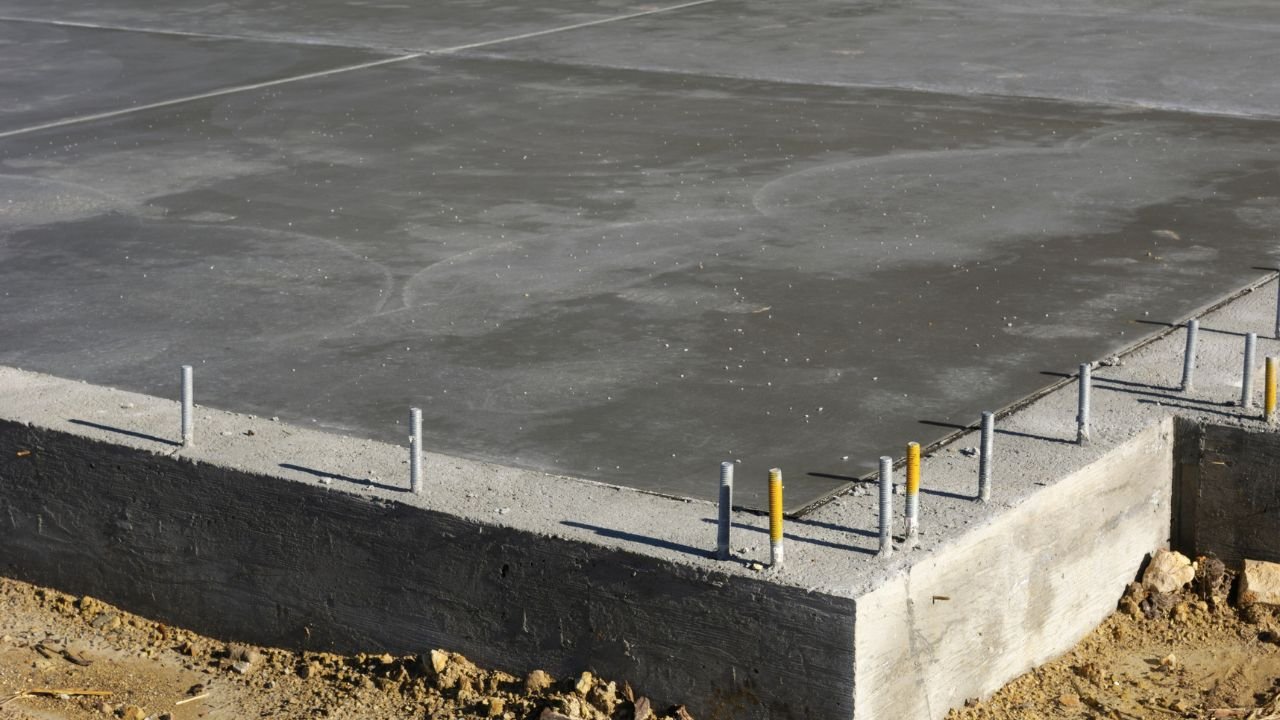
In the world of construction, a slab-on-grade foundation is like a sturdy ship anchored in calm waters. It offers a practical solution that’s both efficient and cost-effective. As we explore the intricacies of this method, we’ll uncover why it’s often the preferred choice for stable soil conditions. Join us as we navigate the benefits, processes, and challenges associated with slab-on-grade construction, ensuring you’re well-equipped for your next project.
When we think about building foundations, slab-on-grade construction stands out as a practical and efficient option. This method involves pouring a single layer of concrete directly on the ground, creating a solid base for the structure. It eliminates the need for a basement or crawl space, making it ideal for areas with stable soil.
In slab-on-grade construction, we typically start with site preparation, ensuring the ground is level and compacted. Then, we pour concrete, which serves as both the foundation and the ground floor of the building. This approach provides good thermal mass, helping to regulate indoor temperatures.
Additionally, the simplicity of the design often leads to quicker construction times and reduced labor costs. As we explore slab-on-grade foundations, we see how this method caters to various building needs while offering durability and stability.
When we consider slab-on-grade foundations, we can’t ignore their numerous advantages. This construction method not only saves us money but also allows for a faster installation process. Plus, their excellent thermal efficiency keeps our homes comfortable year-round without breaking the bank.
While many construction methods can be costly and time-consuming, slab-on-grade foundations offer a budget-friendly solution that streamlines the building process. By eliminating the need for extensive excavation and additional materials, we can greatly reduce overall costs. The direct placement of concrete on the ground minimizes labor expenses, allowing us to finish projects faster without sacrificing quality. Additionally, these foundations require less maintenance over time, saving you money in repairs and upkeep. With less risk of moisture-related issues, we can guarantee a safer environment for your home. Choosing slab-on-grade foundations not only helps us stay within budget but also provides long-term value for your investment, making it a smart choice for many construction projects.
Slab-on-grade foundations not only provide a cost-effective solution but also boast a remarkably quick installation process. When we choose this method, we can expect to see our project come to life faster than with traditional foundations. The process involves minimal excavation and allows us to pour concrete directly onto the ground, reducing the time spent on site preparation. This efficiency means we can move on to the next phases of construction sooner, ultimately saving us time and labor costs. Plus, fewer materials and simpler techniques mean less complexity, making it easier for our team to execute. Overall, the quick installation process of slab-on-grade foundations helps us keep our projects on schedule and within budget while maintaining quality.
Because of their unique design, slab-on-grade foundations offer excellent thermal efficiency, which benefits both our comfort and energy costs. This efficiency is essential for maintaining a stable indoor environment while minimizing our energy bills. Here are some key advantages we can enjoy:
When we think about the ideal conditions for slab-on-grade construction, soil stability and weather play essential roles. We should guarantee the ground is well-compacted and stable to support the weight of the slab. Additionally, considering weather conditions during the pour can greatly impact the quality and durability of our foundation.
To guarantee the success of slab-on-grade construction, we must pay close attention to soil stability requirements. Proper soil conditions maintain our slab remains level and durable over time. Here are key factors we should consider:
While we can’t control the weather, understanding its impact on slab-on-grade construction is essential for achieving excellent results. For ideal conditions, we should aim for temperatures between 50°F and 90°F. If it’s too cold, concrete may not cure properly, leading to cracking. Conversely, extreme heat can cause rapid evaporation, compromising the slab’s integrity.
We need to monitor humidity levels, too; high humidity can slow down curing, while low humidity increases evaporation risks. Rain can be detrimental, washing away freshly placed concrete or affecting its strength.
Timing our work around weather forecasts helps us avoid these pitfalls. By considering these factors, we can guarantee our slab-on-grade construction is durable and long-lasting, providing the foundation we all want for our projects.
As we commence on the slab-on-grade construction process, understanding each step is essential for ensuring a solid foundation. This method is efficient and effective when done correctly. Here’s what we typically follow:
Site preparation is an essential step in slab-on-grade construction that directly impacts the foundation’s durability. To begin, we must clear the site of any debris, vegetation, or existing structures. This guarantees a clean slate for our work. Next, we’ll assess the soil conditions. Proper drainage and compaction are important, so we often test the soil’s load-bearing capacity. If necessary, we might amend the soil with gravel or sand to enhance stability.
Once the area is prepped, we’ll establish the foundation’s layout using stakes and strings to mark the perimeter accurately. This helps us visualize the slab’s dimensions and guarantees everything aligns correctly. Finally, we’ll compact the subgrade to create a solid base, preventing future settling. By paying close attention to these details, we set the stage for a successful slab-on-grade installation that will stand the test of time.
When we consider pouring the concrete for our slab-on-grade, mix design and weather conditions are vital. A well-thought-out mix guarantees durability, while we must also stay aware of how temperature and moisture can affect our pour. Together, these factors can make or break the success of our project.
Mix design plays an essential role in the success of slab-on-grade construction, ensuring that the concrete meets structural and durability requirements. By focusing on the right mix, we can achieve the ideal performance for our projects. Here are some key factors we consider:
Proper mix design sets the foundation for successful slab-on-grade construction, but we can’t overlook the impact of weather conditions during the concrete pouring process. Temperature, humidity, and wind all play vital roles in how the concrete cures. When it’s too hot, the mix may dry out too quickly, leading to cracks. Conversely, cold weather can slow the curing process, risking incomplete strength development. Rain can dilute the mix and affect adhesion, so we need to monitor forecasts closely. Ideally, we should aim for moderate temperatures and low wind speeds for best results. By planning around these weather conditions, we can guarantee a durable and long-lasting slab that meets our expectations and withstands the test of time.
Reinforcing slab-on-grade construction is essential for ensuring its long-term durability and resilience. When we focus on effective reinforcement techniques, we can greatly enhance the structural integrity of our slabs. Here are some key methods we can utilize:
While reinforcing techniques bolster the structural integrity of slab-on-grade construction, we can’t overlook the impact of moisture control on long-term performance. Moisture can lead to severe issues like cracking, mold growth, and weakened foundations, so we must prioritize effective management strategies.
One important step is installing a vapor barrier beneath the slab. This barrier prevents moisture from the ground from seeping up into the concrete. Additionally, we should consider proper drainage systems to divert water away from the foundation, reducing the risk of saturation.
Regular inspections also play an essential role in ensuring that any potential moisture issues are caught early. By being proactive, we can avoid costly repairs down the road. Essentially, effective moisture control not only safeguards our slab-on-grade structures but also enhances their durability and longevity, providing peace of mind for years to come.
Now that we’ve covered moisture control, let’s explore insulation options for slab-on-grade construction. We can choose between rigid foam insulation and reflective insulation barriers, both of which offer unique benefits. Understanding these options will help us create a more energy-efficient and comfortable space.
Rigid foam insulation is an essential component in slab-on-grade construction, providing excellent thermal resistance and moisture control. By incorporating this insulation, we can enhance the overall performance of our slabs and guarantee a more energy-efficient building.
Here are some key benefits of using rigid foam insulation:
When we choose rigid foam insulation, we’re investing in a more comfortable living environment. It helps keep our spaces warm in winter and cool in summer, ultimately leading to lower energy bills and increased home value.
When considering insulation options for slab-on-grade construction, reflective insulation barriers can play an essential role in enhancing energy efficiency. These barriers reflect radiant heat, keeping our homes cooler in the summer and warmer in the winter. By incorporating reflective insulation, we can greatly reduce energy costs and improve comfort levels.
Here’s a quick comparison of different insulation types:
| Insulation Type | R-Value | Benefits |
|---|---|---|
| Reflective Insulation | Varies | Reduces heat transfer |
| Rigid Foam Insulation | 5-6 | High insulating value |
| Fiberglass Batts | 3-4 | Cost-effective and versatile |
Utilizing reflective insulation barriers is a smart choice for optimizing our slab-on-grade construction.
Although we often appreciate the benefits of slab-on-grade construction, it’s essential to compare it with other foundation types to understand its unique advantages and drawbacks. When we look at different options, we can see some key differences:
Many homeowners and builders find slab-on-grade foundations to be a cost-effective solution for construction projects. By eliminating the need for a crawl space or basement, we greatly reduce material and labor costs. This simplicity in design not only speeds up the construction process but also minimizes the likelihood of costly delays.
Additionally, slab-on-grade foundations require less excavation, which can lead to further savings. The durability of concrete means we won’t have to worry about frequent repairs, making it a long-term investment.
Another advantage is that these foundations provide excellent thermal performance, helping us save on energy bills. Plus, they create a solid base for various construction methods, ensuring stability.
While slab-on-grade construction offers numerous benefits, we also face several challenges that can impact the overall success of our projects. Understanding these challenges helps us prepare and navigate potential pitfalls effectively.
After addressing the common challenges faced in slab-on-grade construction, we can focus on maintaining these foundations to guarantee their longevity and performance. First, we should regularly inspect the slab for cracks or signs of settling. If we spot any issues, it’s essential to address them promptly to prevent further damage.
Next, we must verify proper drainage around the foundation. This means keeping gutters clean and directing downspouts away from the slab. Additionally, we should avoid excessive moisture around the foundation by maintaining landscaping and verifying that sprinkler systems don’t oversaturate the area.
Lastly, check for any plumbing leaks that could affect the foundation. Early detection is key! By following these maintenance tips, we can help our slab-on-grade foundations remain stable and functional for years to come. Regular attention to these details will ultimately save us time and money in repairs down the line.
When it comes to selecting a trusted partner for your slab-on-grade construction project, choosing Concrete Squad guarantees you’re working with a team that prioritizes quality and expertise. Our commitment to excellence guarantees that your project runs smoothly from start to finish.
Here’s why we stand out:
With Concrete Squad, you can trust that your slab-on-grade construction is in capable hands. Let’s build something great together!
How do we perceive our commitment to quality really makes a difference? Our clients’ testimonials tell a compelling story of satisfaction and success. They’ve shared their experiences, highlighting our attention to detail and the care we put into every slab-on-grade project. From the initial consultation to the final pour, we work closely with our clients, ensuring their visions become reality.
One client remarked how our team transformed their backyard into a beautiful, functional space, exceeding their expectations. Another shared how our timely completion saved them from costly delays, enabling them to move forward with their home plans.
These stories remind us why we do what we do. Every project we undertake isn’t just about concrete; it’s about building trust and lasting relationships. We’re proud to have made a positive impact on our clients’ lives, and we’re excited to continue delivering exceptional results!
Slab-on-grade construction usually takes about one to three weeks to complete, depending on project size and weather conditions. We’ve found that preparation, including excavation and site grading, plays an essential role in the timeline. Once the foundation is poured, it typically needs a few days to cure properly before any further construction can begin. By staying organized and efficient, we can help guarantee everything stays on track and meets your expectations.
Slab-on-grade foundations work best for single-story homes, commercial buildings, and structures in warmer climates. They’re ideal for sites with stable soil and minimal frost risk. We’ve found that this type of foundation provides excellent support and is cost-effective for low-rise buildings. Additionally, it simplifies construction, making it quicker and more efficient. If you’re considering a new project, we’d suggest looking into slab-on-grade as a viable option for your needs.
Yes, slab-on-grade foundations can be used in flood-prone areas, but we need to take precautions. Elevating the slab above potential flood levels is essential. We should also consider using flood-resistant materials and drainage systems to minimize water damage risks. By planning carefully and implementing these strategies, we can make slab-on-grade foundations work effectively, even in areas prone to flooding. It’s all about being proactive and informed in our approach.
The average lifespan of a slab-on-grade foundation is typically around 30 to 50 years, depending on various factors like soil conditions, climate, and maintenance. We can enhance its longevity by ensuring proper drainage and addressing any cracks or issues promptly. Regular inspections help us identify potential problems early. If we take good care of it, our slab-on-grade foundation can serve us well for decades, providing a solid base for our home.
To identify potential issues with your slab-on-grade foundation, we should look for cracks in the concrete, uneven floors, and doors or windows that stick. We can also check for water pooling near the foundation or any signs of moisture in the basement or crawlspace. Regular inspections can help catch problems early, and if we notice anything unusual, it’s smart to consult a professional for a thorough evaluation.
 Call Now